The Myth of Neutrality: Why Every Creative Act Is A Political One

This one’s for the artists navigating the messy middle.

There’s a phrase that sometimes floats around creative circles like a dusty relic: “Art should be neutral.”

I’ve heard it spoken in classrooms, whispered in galleries, and dropped in art critiques like a rhetorical mic drop—as if neutrality is the highest virtue of artistic integrity. In fact, I most definitely mentally wrestled with this concept a lot when I was a wee young lad. Caught between wanting to be liked and successful in whatever art fart cliques I was travailing in (read: wailing in), and feeling a deeper desire to make art that mattered.

As if that was any less obtuse and problematic of a place to find a voice. But I digress.

Personally, I believe these dichotomies exist because there’s something to be gleaned both from operating within the rules, then narrowing the focus and experimenting once you’re confident in how the proverbial game works. Still feels incomplete, doesn’t it?

Not to worry, I’ll break it down momentarily.

The more I explore art, culture, and politics through timotheories, the more I realize: neutrality in art is a myth. The great artists of our time and decades long forgotten pushed through and past whatever was popular, whatever seemed “right”, to make statements on the world around them.

It Belongs In A Museum!

That quote from Last Crusade isn’t just a punchline—it’s a metaphor.

Now, I love the first three Indiana Jones films, and tolerate the rest out of respect for the legacy they come from, and as I sat down to write this post, the quote “It belongs in a museum!” just kept coming back to me, over and over again.

But why? You ask?
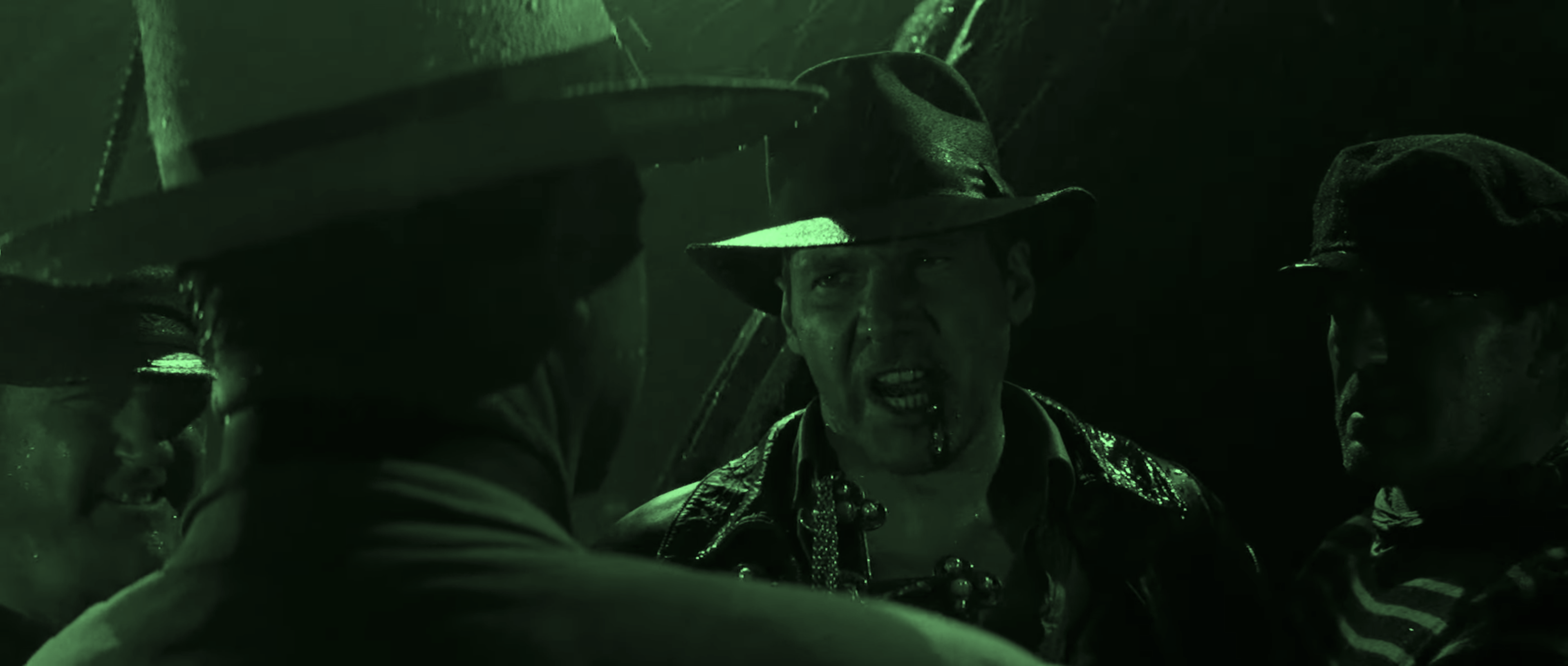
Indiana Jones angrily confronts enemies in The Last Crusade, referencing the iconic line 'It belongs in a museum!' to highlight cultural ownership.

Museums have been around for thousands of years, though their form and function have changed with time. If we look back on the history of the museum — an ironic statement if I ever saw one — they’ve undergone a wee bit of work. They started as exclusive research centres like the Museum of Alexandria, the temples in Mesopotamia and even in Ancient Greece.

Which later gave way for private collections and “cabinets of curiosity” to emerge during the Renaissance. The next transition saw the formation of public museums throughout the 17th to 19th centuries, and finally many museums have nested into what we have today; sites of cultural dialogue, decolonization and identity politics.

Which is why art being neutral feels wrong to even put to the keyboard.

Honestly, it might be one of the most dangerous myths we let ourselves believe. Art is a language after all, and when we close it off from the world, it stops speaking; and that’s when problems begin.

Let’s take a step back for a moment, I think it’ll solidify my point.

I know I’ve said this a few times in previous posts, which is why the Indy quote sticks so well: when art is in process, it belongs to the artist, to grow and be nurtured, hopefully turning into something better than its parent. But as soon as art enters the cultural edifice, it belongs to the public. That’s why writing it off as decor, presenting it as a history lesson or pretending it says nothing isn’t neutrality – it’s silence masquerading as objectivity. And that’s a form of segregation.

Art Doesn’t Exist in a Vacuum

No matter the medium—film, painting, photography, literature, or TikTok shorts—art starts and ends as a reflection of its creator’s values, experiences, and worldview. Even when the author claims detachment, their choices speak volumes: what they include, what they omit, how they frame their subject, what they refuse to engage with.

The song remains the same. We can’t exist external to our environment.
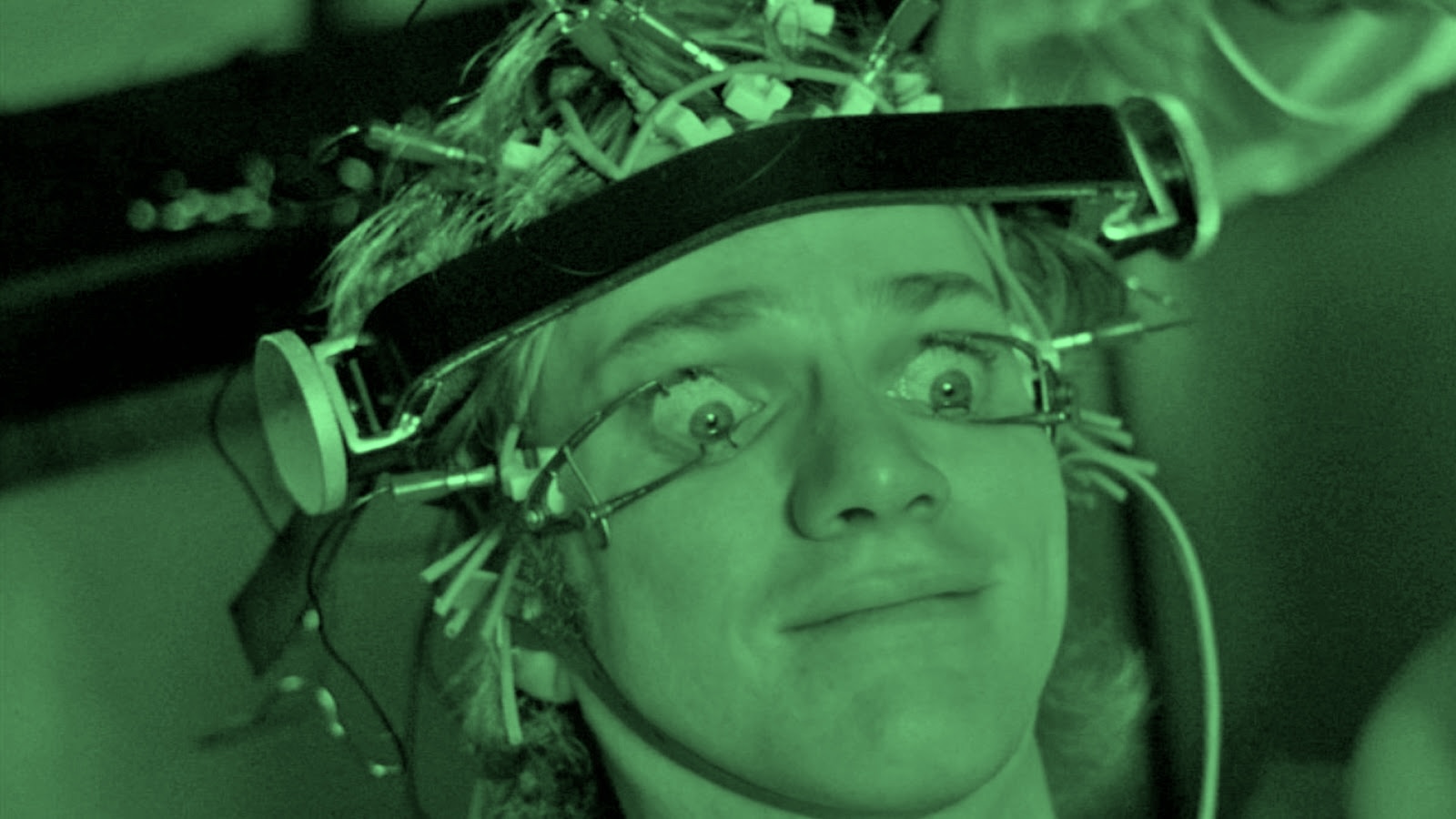
Alex DeLarge undergoes aversion therapy in A Clockwork Orange, his eyes forcibly held open while he watches violent imagery—a metaphor for forced perspective and the illusion of objectivity in storytelling.

In my 2016 post A Priori and A Posteriori, I wrote about how the creation and consumption of art is never purely objective. We carry our biases, our memories, our politics into the act of creating. And the audience brings their own baggage too. Art is a conversation between two loaded perspectives.

In other words, the idea of a “neutral artwork” is like claiming a documentary has no point of view.

I want you to really think on your favourite documentary for a moment, and I can assure you, within the final 1/3 or in the closing statements the director will have presented a perspective on the topic; it runs like clockwork through all forms of art.

And to save you some time… Some great examples of this are presented in 13th (Ava Duvernay), An Inconvenient Truth (Davis Guggenheim/ Al Gore), Won’t You Be My Neighbor? (Morgan Neville), The Social Deilemma (Jeff Orlowski) and Stories We Tell (Sarah Polley).

I’m not going to give away the point of each, but I will say this – a personal favourite of mine own is Won’t You Be My Neighbor? which takes a profound look into the legacy of Mr. Rogers, an icon of children’s programming, and it turns out, a deeply political artist with a vision. If you have any connection to Mr. Rogers, want a good cry, and haven’t seen it yet, I’m warning you now!


Not to belabour the point (okay, maybe a little), but let’s pivot to a slightly less serious example.

Spaceballs—the crudest, cleverest reminder that even parody has a point. Mel Brooks isn’t just spoofing sci-fi tropes; he’s poking at the guts of storytelling itself: commercialization, gender roles, recycled formulas, and the illusion of creative neutrality. When Yogurt proclaims “Merchandising! That’s where the real money is made!” it’s not just a punchline—it’s another thesis. Even the most ridiculous art reflects the systems it’s reacting to, profiting from, or trying to critique.

I want you to consider the particularly absurd moment on the transforming spaceship occupied by Darth Helmet and the President, when Mega Maid shifts “from suck to blow.” Mel Brooks isn’t just making a crude joke.
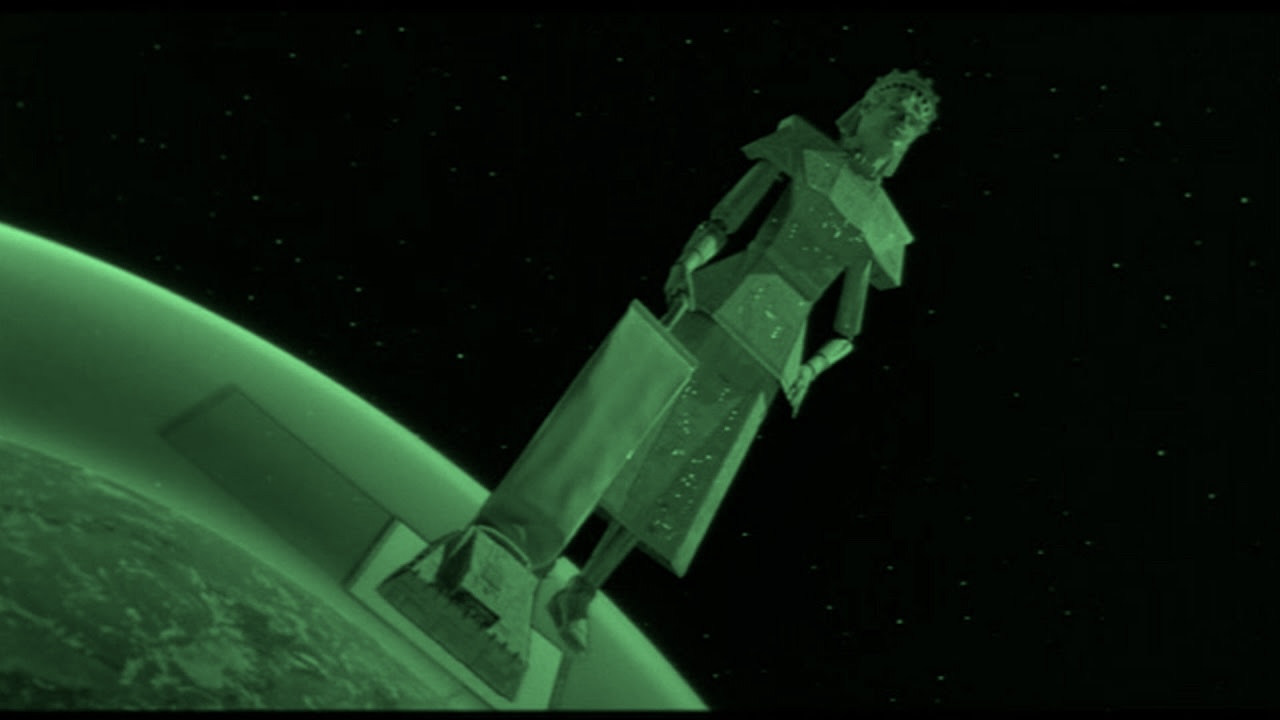
Mega Maid in outer space transforming from vacuum to blower in Spaceballs, parodying the idea that narratives can reverse direction with a switch.

Okay, he is, but also, he’s spoofing how quickly narratives can shift from benign to destructive, from passive to invasive, and then back again. And perhaps, making commentary on the detachment that world leaders can have regarding the populaces they are meant to serve or the nations that they villainize.

Like that vacuum metamorphosis, art doesn’t operate in neutral—it always moves something, even if it’s just reversing the air flow.


Ok, and I have to do it. Chris will probably shake his head when he reads this, but yes a Star Wars reference is inbound.
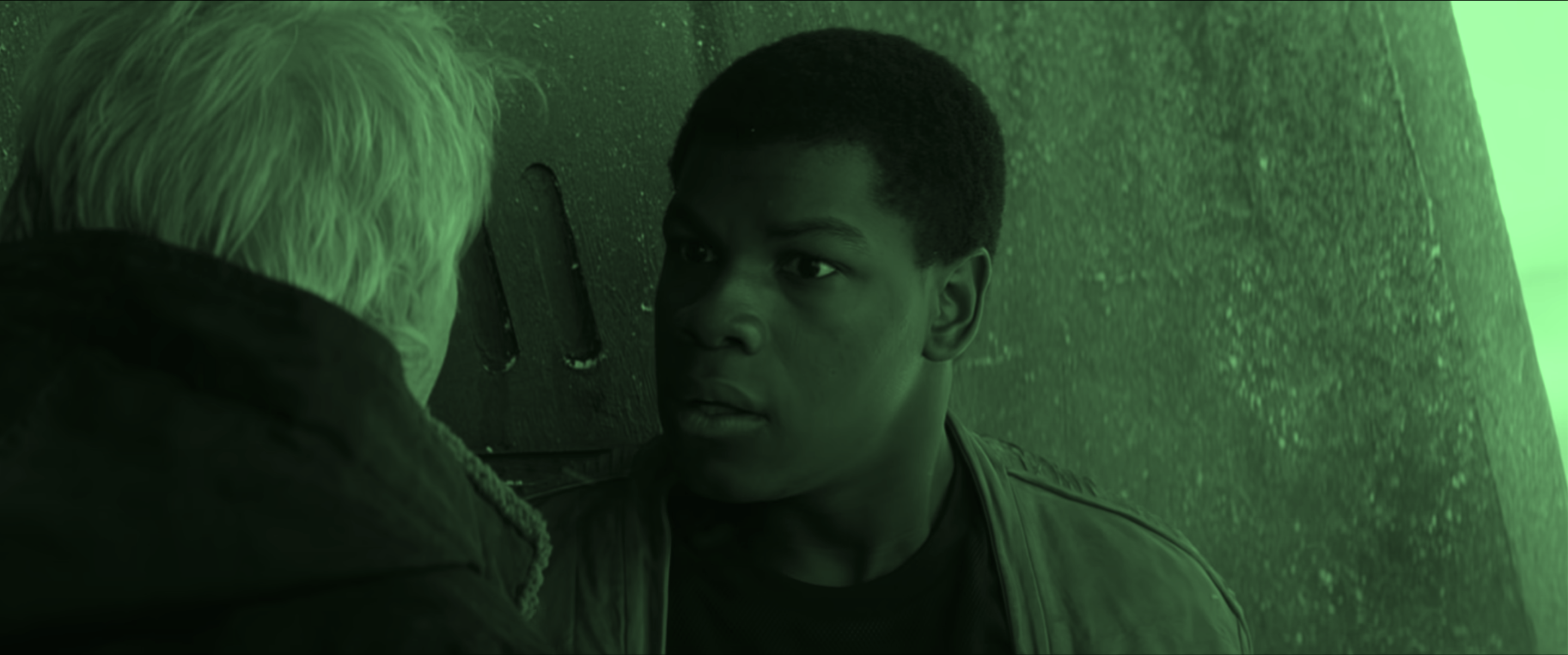
Han Solo and Finn argue in The Force Awakens, with Han exclaiming 'That’s not how the Force works!'—a metaphor for creative misinterpretation.

Han Solo’s exasperated retort, “That’s not how the Force works,” in The Force Awakens humorously underscores a common misconception—not just about the Force, but about art itself. Just as the Force isn’t a tool to be wielded without understanding, art isn’t a neutral entity devoid of influence or impact.

So when someone claims their work is “just art,” not political, I think of that Spaceballs scene. It reminds me: detachment doesn’t mean inertia—it just means the force is going somewhere else. Usually, unnoticed.

Silence is Still a Statement

There’s a quote often mis-attributed to Elie Wiesel that goes something like: “Neutrality helps the oppressor, never the victim.” While that’s often used in human rights contexts, it applies to creative spaces, too.

When artists choose silence on urgent issues—injustice, climate change, inequality, war—they’re not avoiding politics. They’re participating in the dominant narrative that allows those systems to persist.

In my Eco-Friendly Arts (Earth Day) post, I argued that artists have a role in shaping culture and influencing awareness. Choosing to say nothing is a decision with impact. And often, it maintains the status quo.

One of my favorite songs by Canadian pop punk band Crowned King is Turn It Up We’re Going Down. The lyrics beautifully capture this tension between truth-telling and protection, visibility and harm:

Break the silence
Let’s not break the news
Cause breaking stories breaks the hearts of children
What’s there left to do

Art that chooses silence isn’t neutral—it’s just letting someone else decide the narrative. And sometimes, the refusal to “break the news” says more than headlines ever could.

Even “Personal Work” Is Political

Another cringeworthy phrase, “But I’m not political, I just make personal work.”

Let’s break THAT down.

If you’re making work about your identity, your mental health, your body, your family, your community—you are inherently engaging with systems. If you’re a woman, BIPOC, queer, disabled, or in any way marginalized, your “personal” story is already a form of resistance on the very important topic of inclusion. The act of visibility is political.

And for those with privilege, avoiding politics is a political act. It’s the luxury of opting out.

Here’s where things get interesting for me.

While Spaceballs makes its point with parody and punchlines, Starship Troopers plays it straight—so straight, in fact, that many viewers missed the satire entirely. On paper, Paul Verhoeven’s film is a popcorn flick with great action sequences and steamy shower scenes. It looks like a celebration of patriotism and heroics, but it’s actually a scathing critique of fascism, propaganda, and blind nationalism
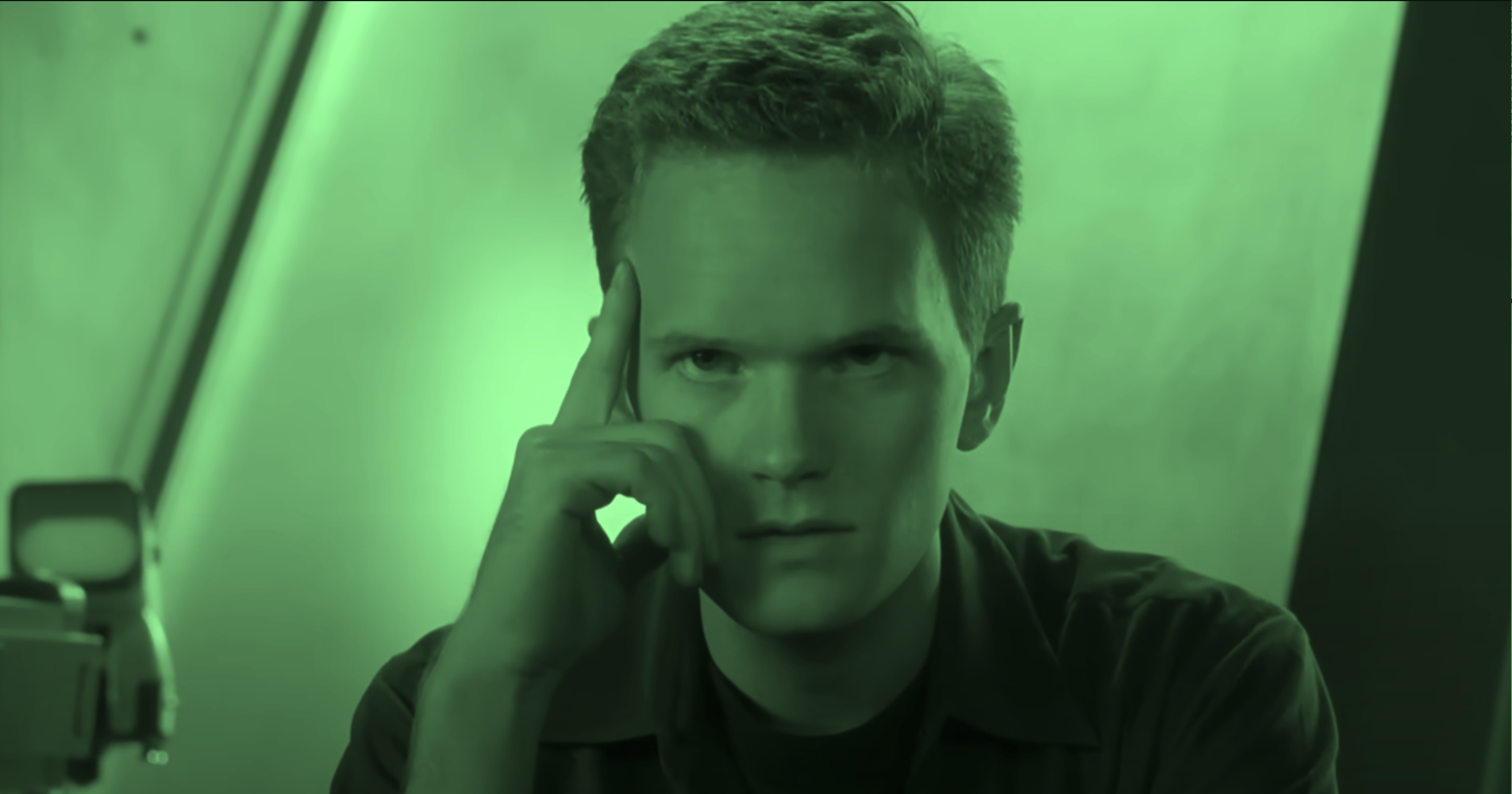
Neil Patrick Harris in Starship Troopers, wearing a militarized uniform—satirizing authoritarianism and blind nationalism through a straight-faced lens.

And that’s the point: even when art pretends to be apolitical—or especially when it does—it often reinforces the very systems it claims to ignore. Starship Troopers isn’t neutral. It’s deliberately baiting the viewer, asking: “Are you watching critically? Or are you just enjoying the explosions?”

Which is why that quote—“The only good bug is a dead bug”—hits differently when you realize it’s the voice of a regime, not a rebel. The film doesn’t shout its politics. It weaponizes genre expectations and makes you sit with the discomfort of complicity.

Take Enchanted, as another example.

On the surface, it’s just another fish-out-of-water rom-com, complete with spontaneous singing and animal sidekicks. But look closer, and it becomes clear: Enchanted is a sly satire of Disney’s own legacy.

It pokes fun at the the tropes of animated Disney princesses—the instant love, the gender roles, the happily-ever-afters—by dropping its archetypal princess into gritty, modern-day New York. And what happens? She changes. The film critiques the limitations of fantasy while still celebrating its emotional power. That “Happy Working Song” isn’t just cute—it’s a tongue-in-cheek commentary on labor, obedience, and the absurd cheerfulness expected of female characters.
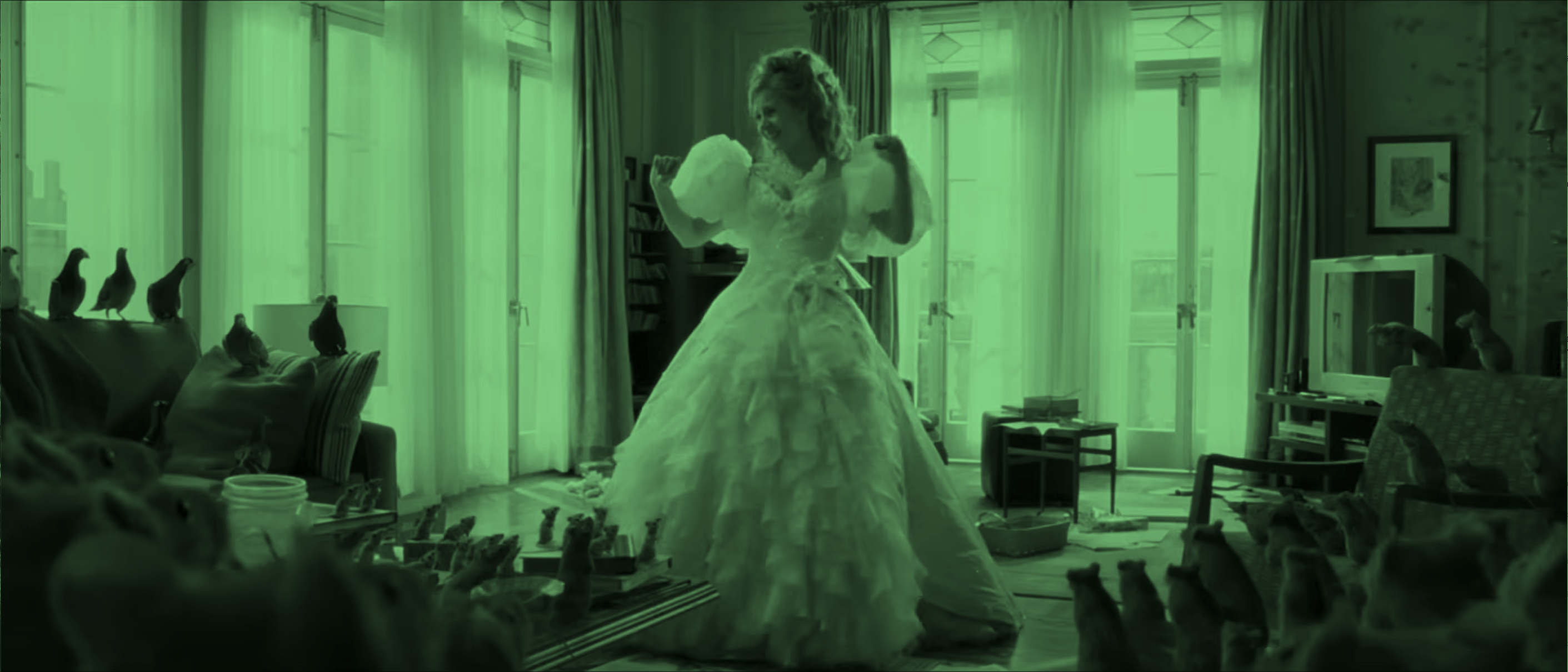
Giselle in full princess gown stands in a cluttered modern apartment in Enchanted, highlighting the contrast between fantasy tropes and reality.

That’s what makes Enchanted so brilliant: it critiques the fantasy without abandoning it. It asks: What if the dream could evolve instead of just being escaped? And that’s just as political as anything in a war movie.

Cultural Touchstones

And now it’s time to drive the point home. Some further homework for you creative cuties. Take a look at these artists who are working TODAY; for inspiration, and take up a brush, or whatever you chosen tool is and join the fight.

  • Kent Monkman critiques the historical treatment of Indigenous peoples through a deeply political lens, even using visual language rooted in Western painting traditions.
  • Rebecca Belmore uses performance, installation, and sculpture to address issues like colonialism, displacement, and Indigenous identity. Her work is often physically demanding and emotionally evocative—unmistakably political in both form and content.
  • Wanda Nanibush, as both a curator and artist, challenges institutional structures through her advocacy and exhibitions centering Indigenous and feminist perspectives.
  • Sandra Brewster’s textured photo-based works explore Black identity and diaspora, bringing visibility to histories often erased from the Canadian narrative.
  • Films like Incendies, Antigone, and The Body Remembers When the World Broke Open show how national identity, migration, and survival are laced through every frame of story.

After all, my own Watch List has grown to include films that explore themes of quiet rebellion, fractured identity and culture shifts. And that reminds me, I’m probably due for an update elsewhere…
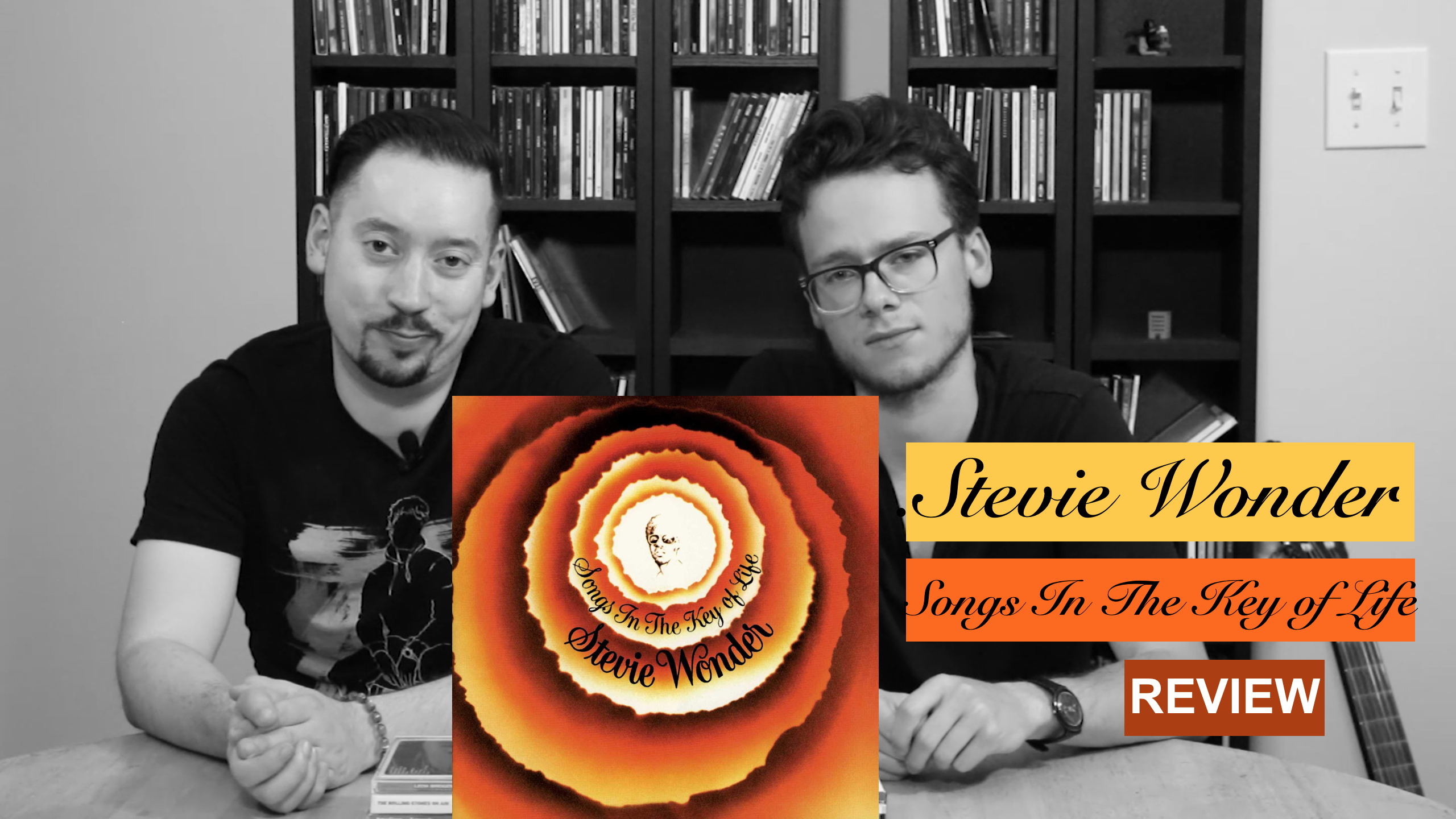
timotheories and Dont Bartlett sit at a table with Songs in the Key of Life by Stevie Wonder prominently displayed, teasing an upcoming YouTube video on the essential album.

This post talked a lot about movies and visual art—but music? That’s another conversation entirely. I teased a bit with the Crowned King reference, but long-time readers might remember Sound Culture, where I explored music worth listening to with intention.

I’ve been sitting on a list of albums that shaped how I listen, and I think it’s time to unpack said list in a future post. Stay tuned for that!

theories Summarized

So what should artists do?

I’m not saying every piece of art must scream protest. But I AM saying we can no longer pretend art exists outside the world we live in. The past few years have seen a change in how we connect with the world around us – I think in many ways, creatives have insulated with the global pandemic and slowly return to the public spaces, but that shouldn’t have stifled our speech.

Use your voice. Make work that reflects your truth. And recognize that art doesn’t need to be loud to be powerful—just honest.

Because neutrality isn’t real. But authenticity? That changes everything.


What do you think? Have you ever tried to stay “neutral” in your work? Do you believe it’s possible? Let’s talk about it in the comments or shoot me a message—this is the kind of conversation that fuels creativity.

A Mild Case Of Flashback (54.40, Keep On Walking review)

Every time I look at you, I go blind. In the mornin’ I get up, and I try to
Feel alive, but I can’t.

Maybe it’s because I’m lovesick, and maybe it’s that you’re so intense. Most likely it’s because you are making music inspired by the 1990s in the 2010s and no one seems to have noticed.


54.40 – Keep On Walking

released February 2, 2018
****** 6/10

54-40 are a Canadian alternative rock group from British Columbia (BC) that have been playing together for over thirty five years. Their name is taken from the slogan 54-40 or fight! which was originally spoken during the Oregon boundary dispute between the US and Canada in the early nineteenth century.

The group was established back in 1981 and was a three piece for their first couple of years, and has been a four man band ever since that time, seeing a few lineup changes in their drummer over the years and second guitarist Phil Comparelli was replaced by Dave Genn in 2005. But Neil Osborne (vocals, guitar) and Brad Merrit (bass) are founding members who have stuck it out.

I’ll admit that I haven’t listened to a lot of their music over the years, but I am familiar with their more popular singles Ocean Pearl and I Go Blind.

Keep on Walking is their fourteenth studio album, and was prefaced by the band touring with the single of the same name for about a year. They sprinkled in other tracks as they toured, but I have to wonder if that process is a good measuring stick. A lot of the time, older bands will play night after night, maintaining a crowd of fans, but failing to realize the reason those fans are there in the first place – to hear the songs that charted and established the groups reputation.

I’ve seen Trooper live at least three times in my life, and every time I saw them, they would “share” a new song they had been working on, except that it had been new for over three years at that point.

Pros: I liked that Sublime Like Me, Hold My Kiss, and She Calls Us One are exploring a broader range of musical sounds, but each track is distinct in instrumental choices and nuanced with arrangements.

Cons: Despite all of the growth we witness at key points, as the album reaches it’s final two tracks (Sometimes It’s Not OK, Life Goes On) there is a regression, and in a few short minutes, it’s back to the safety net.

Runtime: 38 minutes

Points of Interest: The band will be touring throughout 2018 and into 2019 to promote Keep On Walking and their 2016 greatest hits album LA Difference. It’s been seven years since their last studio album, Lost in the City.

When it’s all said an done, Keep On Walking was enjoyable at times and definitely makes me nostalgic for a different time in my life, when things seemed simpler and music was more clearly defined. The problem of course, is that it’s not 1995, it’s 2018, and musical tastes should reflect the era, not the other way around.

theories Summarized

The challenge with making music (or any art form) for several decades is that you will invariably be asked to make what you know, and some artists rise to the occasion, while others continue to evolve over time. There isn’t necessarily a right path to take, but in the case of 54.40 I don’t think that their musical sound is appealing enough to justify playing a distinctive kind of music at this stage in their career. This album seems to be best suited for diehard fans, and lovers of 90’s alternative rock music – and that’s my theory.

That said, I have a great piece of 1990s alternative rock that you absolutely should listen to. Rage Against the Machine’s Battle of Los Angeles is a timeless rap rock record that deserves a listen if you haven’t heard it before. And if you have, I think it might be time to dust off your CD player and give it a whirl, it’s guerilla radio at it’s finest.

Thanks for taking the time to read the review, watch the video and hopefully you’ve left a comment or two. If you liked what you saw, click on the like button, and even better, subscribe to the channel! Come back tomorrow for a film review from Richard Linklater.

Tim!

Instant Friendship (The Sheepdogs, Changing Colours review)

Blues rock has always had a soft spot in my heart. Led Zeppelin, The Rolling Stones, The Doors, The White Stripes, The Black Keys, and so on and so forth. But what happens when you mix in the Canadian wilderness and hit blend – does the era of cool translate for our polite sensibilities?


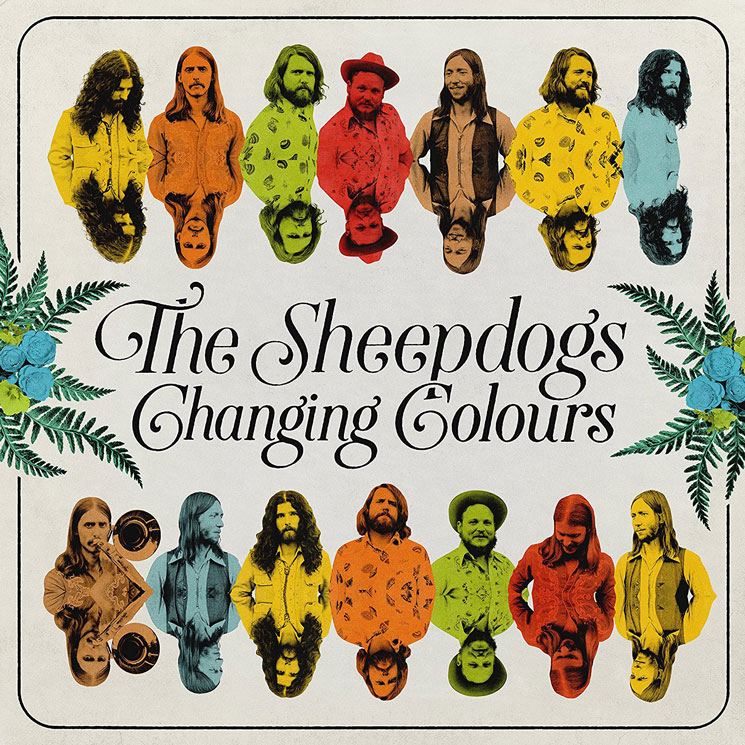
The Sheepdogs – Changing Colours

released February 2, 2018
******** 8/10

The Sheepdogs are a Canadian blues rock band originally from Saskatoon and founded in 2006. Lead by singer and guitarist Ewan Currie, backed by his brother Shamus on keyboards, trombone and tambourine, Sam Corbett on drums, bassist Ryan Gullen, and Jimmy Bowskill on lead guitar. They have since recorded six studio-length albums, which is a pretty impressive schedule of one year on, on year off.

I have their third (2010’s Learn & Burn) and fourth (2012’s The Sheepdogs) albums in my own personal collection, but I believe they would benefit from proper and complete catalogue representation on timotheories.com.

Let me clarify.

Changing Colours is a great record, I wish it had shown up in those summer weeks of 2017 when all of my possessions were packed up, and I was living out of a room in my best friends house. That music would have carried me through those two hectic months. Up In Canada would’ve become my anthem, and I would even have petitioned for it to replace our national anthem! It’s that newsworthy. But you see, that’s the thing about Changing Colours, all of this record’s tracks have the capacity to be released as singles.

My personal favourites are I Ain’t Cool, You Got To Be A Man, and Run Baby Run, but there are seventeen well made tracks on this record. And so I wouldn’t be surprised to learn your personal favourites are different then mine. In fact, I would hope that was the case.

Pros: This album is incredibly pleasant to listen to. It’s a summer album, that plays nice with the other seasons. AND they’ve managed to extend their range to incorporate more sonic safe choices then previous efforts.

Cons: A symptom of their musical stylings, they never quite shake the sounds of Crosby, Stills & Nash, The Beach Boys and a host of other sounds I’m sure you’ll recognize along the way. Proceed with caution if you hate drawing from the past.

Runtime: 49 minutes

Points of Interest: Newcomer Jimmy Bowskill officially joins the ranks of The Sheepdogs on this record. A band for the people, their bassist Ryan Gullen regularly polls the fanbase and observes which songs are getting the most streaming airplay, influencing what charts as a single.

These guys are absolutely guilty of making “good-time” music, and by pulling most of their influences from the safety net of 1970s rock and roll, they successfully emulate the sounds of the day, while pulling it into the present. It’s only slightly odd that despite a lack of originality in most places, I can’t help but enjoy what I’m listening to.

theories Summarized

Have you ever heard the theory that we’re drawn to certain types of people because of a natural chemistry and as such, those relationships typically last because of their familiarity? The Sheepdogs have that instant friendship quality, and while it might seem like a pure emulation of the past, I’ll argue instead that it’s a display of their immense talent. That they can match sounds of the past, but still maintain genuinely their own voice.

There is just something incredibly appealing to me about pared down music, it’s heartfelt, timeless and can be played no matter how you choose to spend your listening session(s). That’s why I thought transitioning from The Sheepdogs into a video review on Andrew Bird was an apt choice.

If you haven’t listened to the Echolocations series yet, you are in for a treat creative cuties.

Thanks for taking the time to read the review, watch the video and hopefully you’ve left a comment or two. If you liked what you saw, click on the like button, and even better, subscribe to the channel! Come back tomorrow for a film review about bravery and wildfires.

Tim!

A Thousand Suns (timotheories January 2018)

January is supposed to be a month of promise, renewed hope, vigour for whatever we care about. And yet, I haven’t stopped running since August of 2017, so I’m not feeling the temporary January endorphins this year.

Which might actually be a good thing dear readers. Yes, I bought a house, and yes I got engaged, and yes I planned on getting married before this years end. But in the time that I took a forced hiatus from timotheories, I didn’t stop thinking about timotheories. I can’t stop. I won’t stop.

You see creative cuties, thinking is one of the things I do best in this world. And you give me the space to think, and man will I ever think. So I thought about things like the name timotheories, and I thought about the types of posts I write, and I thought about the different media channels I use to bring in traffic, and the people I interview to give you perspective on how to be creative, I thought about theories, and wisdom, and logos, and pretty much everything.

And that’s how I know I won’t stop. Because I still have a million and one ideas of content to share with you. And so I’m going to make a list of goals this month, and share it with you next month. Then I’m going to start to implement them. It’s an evolution of the campfire theories theme I chose last year…

The fire of a thousand suns.

*Disclaimer* As always, every week I purchase an album and movie one week ahead of the actual review release and while I have the best intentions, I don’t always get what I want… so if you follow me on instagram (@timotheories) you can actually see what’s coming.

timotheories summarized – January

Professional Theorems – (01/07) Brendon Greene interview, (01/14) Cross Talk Ep. 30, (01/21) Cross Talk Ep. 31, (01/28) Matthew Ankerstein preview interview
Sound Culture – (01/02) The Rolling Stones, (01/08) Miguel, (01/15) Sinistro, (01/22) Black Rebel Motorcycle Club, (01/29) First Aid Kit
Watch Culture – (01/01) Dunkirk, (01/03) Brawl in Cell Block 99, (01/09) American Made (01/16) IT (01/23) Blade Runner 2049 (01/30) The Killing of a Sacred Deer
School of Thoughts – (01/10) Art Stars (Mentors), (01/17) Gaining Wisdom, (01/24) Diet, (01/31) By The Book (Education)(Reading)
Art House – (01/04) timotheories January, (01/11) House, (01/18) Engagement, (01/25) Wedding

You’re right, I did rename the weekly headings folks. Too smart for me, I could never pull a fast one over you lot. I did this because I was tired of trying to get posts in exactly on the day that I envisioned them for, and I quickly realized that a lot of you are in different time zones, and the ones that aren’t wouldn’t be reading my posts until the following morning anyway, and now I’m on brand with what I’m doing over on YouTube… so bonus! Which means that I’ll need to slowly go back in time and edit any mention of the old themes.

Point number two, I’m introducing a new monthly post called Art Stars (under the old Wisdom Wednesday heading), so that I can share some of my favourite creative professionals with you regularly. Wisdom often comes from having mentors, and these are mine. Additionally, I am rebranding the book of the month post to By The Book – clever right?

As it stands, I’ll be wrapping up the Brendon Greene interview I didn’t get to finish editing in the summer, and I’ll also give you a teaser of next month’s guest… Matthew Ankerstein! Matt is a podcaster and influencer, with a ton of energy. He’ll bring some great ideas to the table.

Lots of great Watch Culture posts and vids too, of course. And maybe if you’re lucky I’ll get some Sound Culture videos published on top of the blog posts? And last, but not least, I’ll give you some personal insights into my world with Art House (formerly Timely Thursdays) which I think you’ll enjoy.

theories Summarized

Yeah there are some changes coming, but I hope that the taste I’ve given above helps reframe the tone of this website, and all related media channels. timotheories is about digital curating at hear, that means cultivating good art; whether it’s film, music, fine art or something else.

I want to hear some feedback on what you think of this years theme, and the changes I’ll be implementing. And of course, any new theories I run across. Please like, comment and subscribe so I know you’re there!

Tim!

Be Formless. Shapeless. Like Water (Brendon Greene musician interview preview)

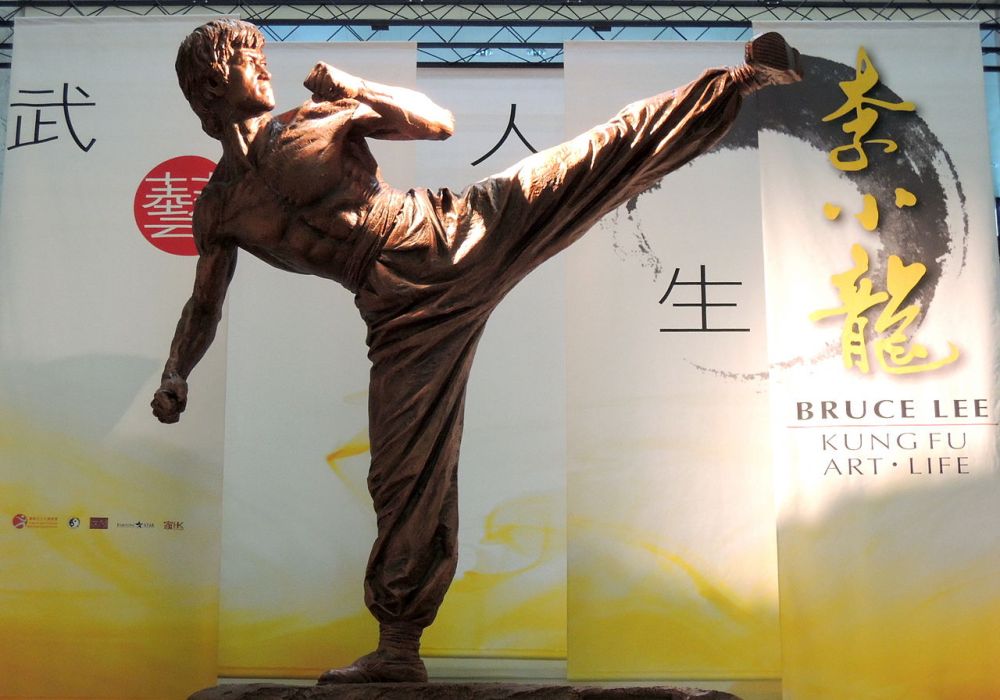
Bruce Lee is one of those iconic figures that so many people seem to be inspired by.  Especially people who want to make a motivational point for others. To be fair, he did accomplish a great many different things in his rather short life in order to earn that title. And he IS damn quotable.

Credited with changing how Asian people were viewed in American cinema was a big one, but that is just one of his many incredible feats, not to mention setting world records in martial arts, founding the martial art of Jeet Kune Do, and becoming a pop culture focal point of the 20th century.

Bruce Lee was multi-talented too – an actor, director, martial artist, instructor, and philosopher.

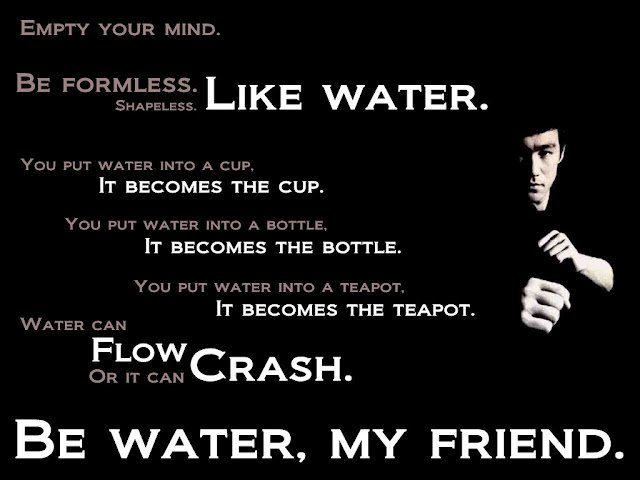
One of the reasons why people are so easily and regularly inspired by Bruce Lee (I suspect anyway), is because of his philosophical views on life. I am sure you’ve heard your share of Bruce Lee quotes in your lifetime, even if you didn’t know it yet. Take this gem for instance.

This is one of my favourites, but there are hundreds of them out there. I’ll tell you too, people love to make posters out of Bruce Lee quotes too.

Now you’re probably wondering why I’m even writing about Bruce Lee, because this looks like an artist interview post. And yeah, you’d be right if you are thinking that. It just so happens though, that this martial arts icon has inspired a new friend of mine too. And how.

Brendon Greene is a very interesting fellow. His life has been rife with challenges, or opportunities as I’m sure he would call them. From those opportunities, Brendon has figured out what his purpose in life is. Which is why he decided a very short time ago, after running to office in the Green Party, to open his own record label – Conscious Collective. Brendon regularly teaches musicians how to get started, produce an album, and distribute it too. Plus he loves to manage new talent and make beautiful music, to boot.

Today I give you a sneak peek of an interview I had with him recently on his role as a mentor for younger musicians, and how Conscious Collective is community oriented. This preview asks the question about who a burgeoning musician should work with, and what kinds of content they should consume.

And Brendon delivers.


theories Summarized

I hope this interview preview was useful creative cuties. Brendon has a lot more to say too, but you’ll just have to come back in a week if you want to hear the rest of his story. I promise it will be just as entertaining as this clip, if not moreso.

With a ton more heart and pop culture references, this is an interview that prefaces a new series I’ll be producing with Brendon too! But more on that later. I’m out of theories for now, and I need to get some shut eye.

Tim!