The Myth of Neutrality: Why Every Creative Act Is A Political One

This one’s for the artists navigating the messy middle.

There’s a phrase that sometimes floats around creative circles like a dusty relic: “Art should be neutral.”

I’ve heard it spoken in classrooms, whispered in galleries, and dropped in art critiques like a rhetorical mic drop—as if neutrality is the highest virtue of artistic integrity. In fact, I most definitely mentally wrestled with this concept a lot when I was a wee young lad. Caught between wanting to be liked and successful in whatever art fart cliques I was travailing in (read: wailing in), and feeling a deeper desire to make art that mattered.

As if that was any less obtuse and problematic of a place to find a voice. But I digress.

Personally, I believe these dichotomies exist because there’s something to be gleaned both from operating within the rules, then narrowing the focus and experimenting once you’re confident in how the proverbial game works. Still feels incomplete, doesn’t it?

Not to worry, I’ll break it down momentarily.

The more I explore art, culture, and politics through timotheories, the more I realize: neutrality in art is a myth. The great artists of our time and decades long forgotten pushed through and past whatever was popular, whatever seemed “right”, to make statements on the world around them.

It Belongs In A Museum!

That quote from Last Crusade isn’t just a punchline—it’s a metaphor.

Now, I love the first three Indiana Jones films, and tolerate the rest out of respect for the legacy they come from, and as I sat down to write this post, the quote “It belongs in a museum!” just kept coming back to me, over and over again.

But why? You ask?
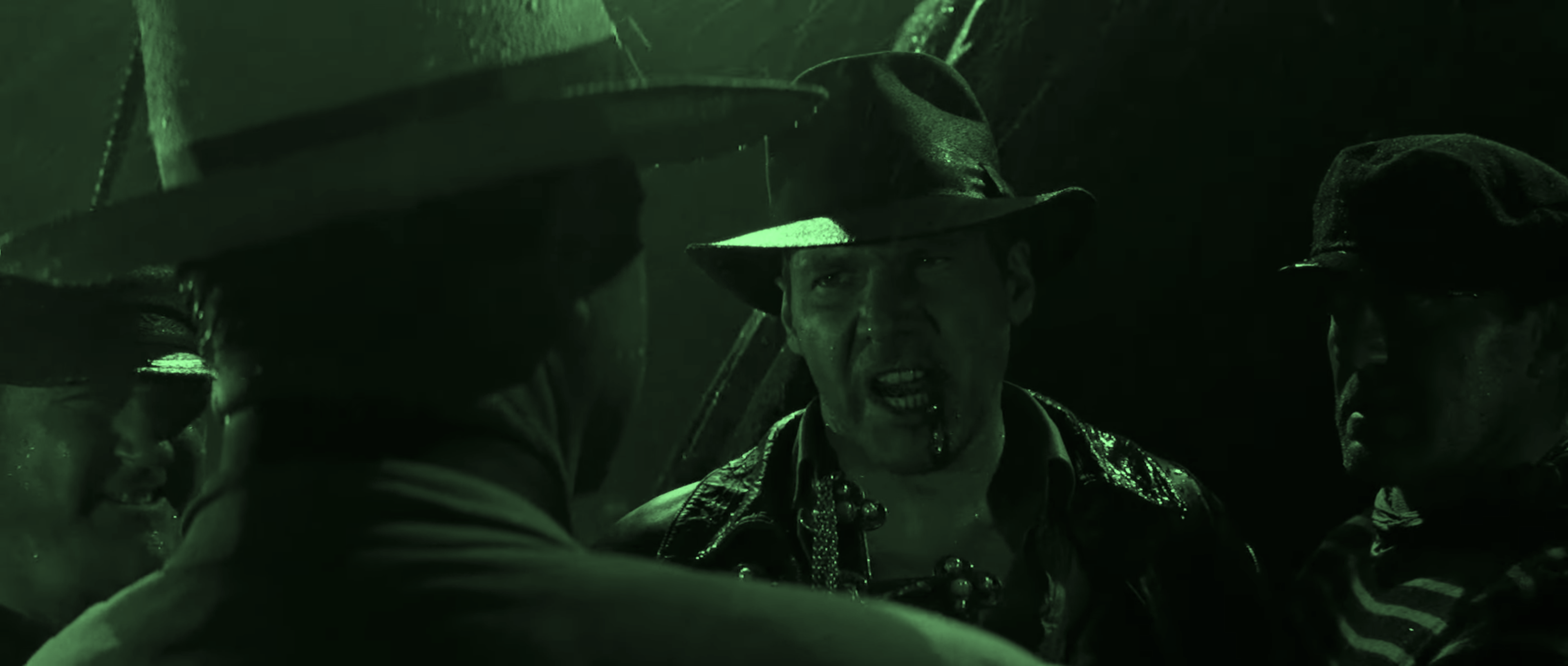
Indiana Jones angrily confronts enemies in The Last Crusade, referencing the iconic line 'It belongs in a museum!' to highlight cultural ownership.

Museums have been around for thousands of years, though their form and function have changed with time. If we look back on the history of the museum — an ironic statement if I ever saw one — they’ve undergone a wee bit of work. They started as exclusive research centres like the Museum of Alexandria, the temples in Mesopotamia and even in Ancient Greece.

Which later gave way for private collections and “cabinets of curiosity” to emerge during the Renaissance. The next transition saw the formation of public museums throughout the 17th to 19th centuries, and finally many museums have nested into what we have today; sites of cultural dialogue, decolonization and identity politics.

Which is why art being neutral feels wrong to even put to the keyboard.

Honestly, it might be one of the most dangerous myths we let ourselves believe. Art is a language after all, and when we close it off from the world, it stops speaking; and that’s when problems begin.

Let’s take a step back for a moment, I think it’ll solidify my point.

I know I’ve said this a few times in previous posts, which is why the Indy quote sticks so well: when art is in process, it belongs to the artist, to grow and be nurtured, hopefully turning into something better than its parent. But as soon as art enters the cultural edifice, it belongs to the public. That’s why writing it off as decor, presenting it as a history lesson or pretending it says nothing isn’t neutrality – it’s silence masquerading as objectivity. And that’s a form of segregation.

Art Doesn’t Exist in a Vacuum

No matter the medium—film, painting, photography, literature, or TikTok shorts—art starts and ends as a reflection of its creator’s values, experiences, and worldview. Even when the author claims detachment, their choices speak volumes: what they include, what they omit, how they frame their subject, what they refuse to engage with.

The song remains the same. We can’t exist external to our environment.
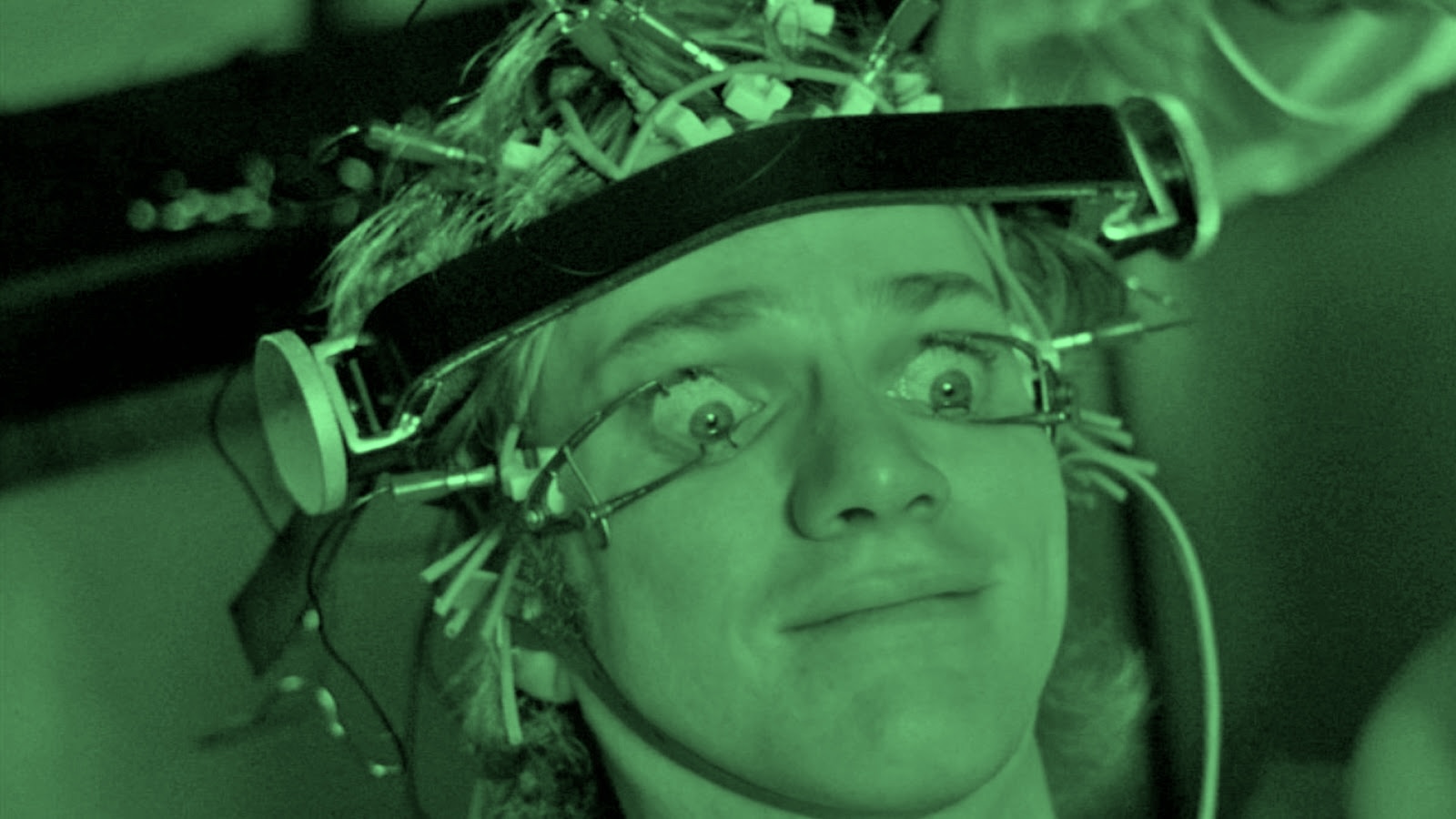
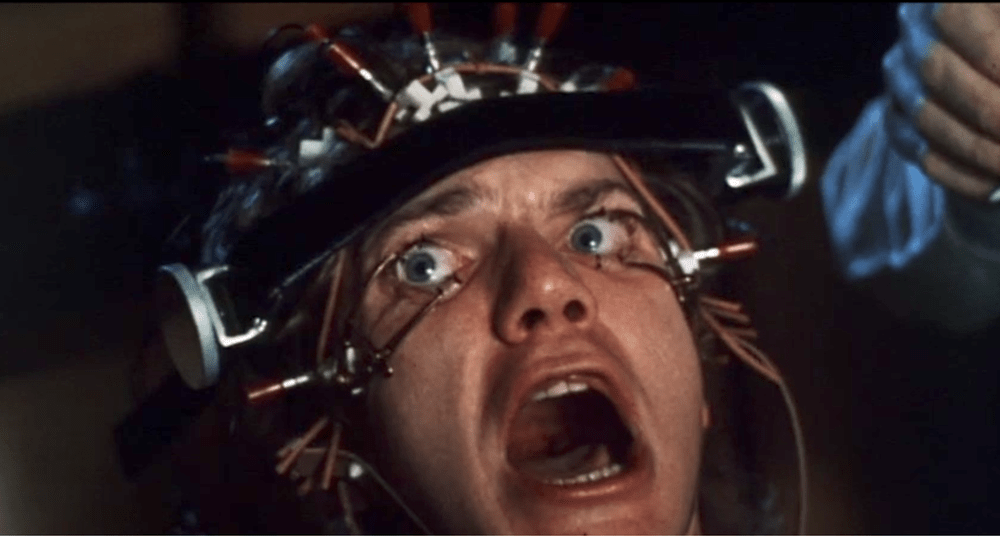
Alex DeLarge undergoes aversion therapy in A Clockwork Orange, his eyes forcibly held open while he watches violent imagery—a metaphor for forced perspective and the illusion of objectivity in storytelling.

In my 2016 post A Priori and A Posteriori, I wrote about how the creation and consumption of art is never purely objective. We carry our biases, our memories, our politics into the act of creating. And the audience brings their own baggage too. Art is a conversation between two loaded perspectives.

In other words, the idea of a “neutral artwork” is like claiming a documentary has no point of view.

I want you to really think on your favourite documentary for a moment, and I can assure you, within the final 1/3 or in the closing statements the director will have presented a perspective on the topic; it runs like clockwork through all forms of art.

And to save you some time… Some great examples of this are presented in 13th (Ava Duvernay), An Inconvenient Truth (Davis Guggenheim/ Al Gore), Won’t You Be My Neighbor? (Morgan Neville), The Social Deilemma (Jeff Orlowski) and Stories We Tell (Sarah Polley).

I’m not going to give away the point of each, but I will say this – a personal favourite of mine own is Won’t You Be My Neighbor? which takes a profound look into the legacy of Mr. Rogers, an icon of children’s programming, and it turns out, a deeply political artist with a vision. If you have any connection to Mr. Rogers, want a good cry, and haven’t seen it yet, I’m warning you now!


Not to belabour the point (okay, maybe a little), but let’s pivot to a slightly less serious example.

Spaceballs—the crudest, cleverest reminder that even parody has a point. Mel Brooks isn’t just spoofing sci-fi tropes; he’s poking at the guts of storytelling itself: commercialization, gender roles, recycled formulas, and the illusion of creative neutrality. When Yogurt proclaims “Merchandising! That’s where the real money is made!” it’s not just a punchline—it’s another thesis. Even the most ridiculous art reflects the systems it’s reacting to, profiting from, or trying to critique.

I want you to consider the particularly absurd moment on the transforming spaceship occupied by Darth Helmet and the President, when Mega Maid shifts “from suck to blow.” Mel Brooks isn’t just making a crude joke.
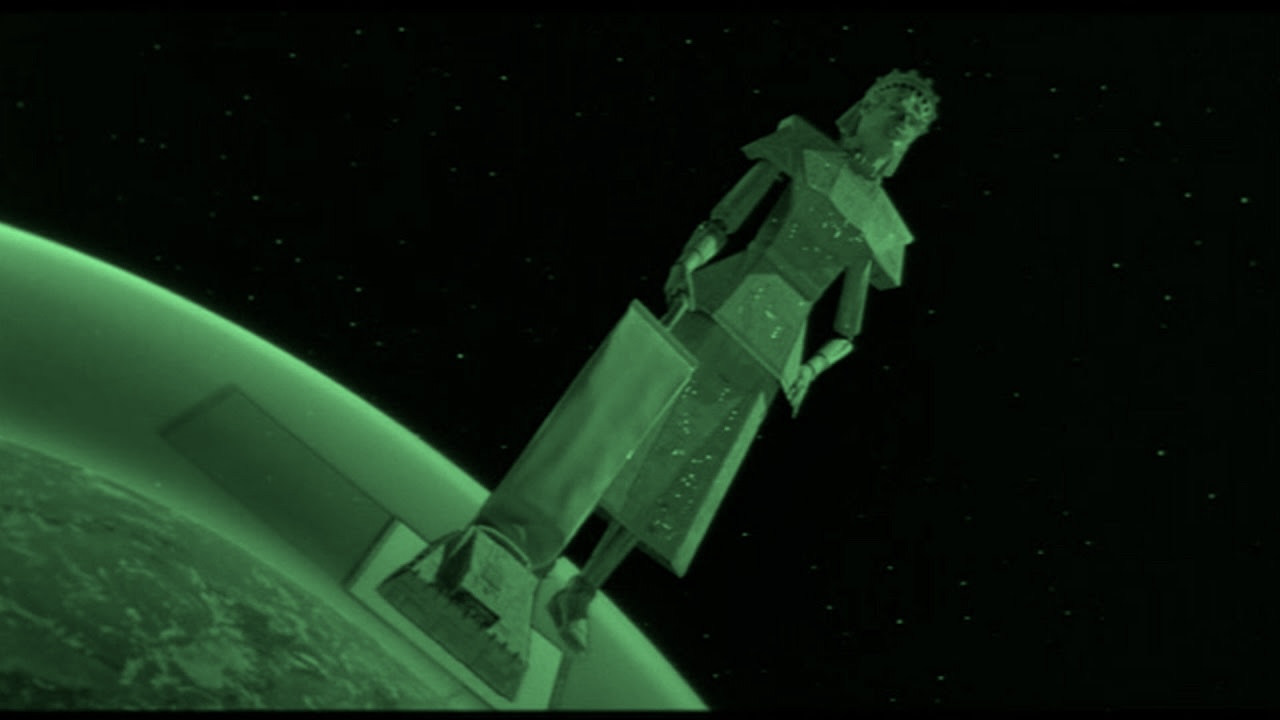
Mega Maid in outer space transforming from vacuum to blower in Spaceballs, parodying the idea that narratives can reverse direction with a switch.

Okay, he is, but also, he’s spoofing how quickly narratives can shift from benign to destructive, from passive to invasive, and then back again. And perhaps, making commentary on the detachment that world leaders can have regarding the populaces they are meant to serve or the nations that they villainize.

Like that vacuum metamorphosis, art doesn’t operate in neutral—it always moves something, even if it’s just reversing the air flow.


Ok, and I have to do it. Chris will probably shake his head when he reads this, but yes a Star Wars reference is inbound.
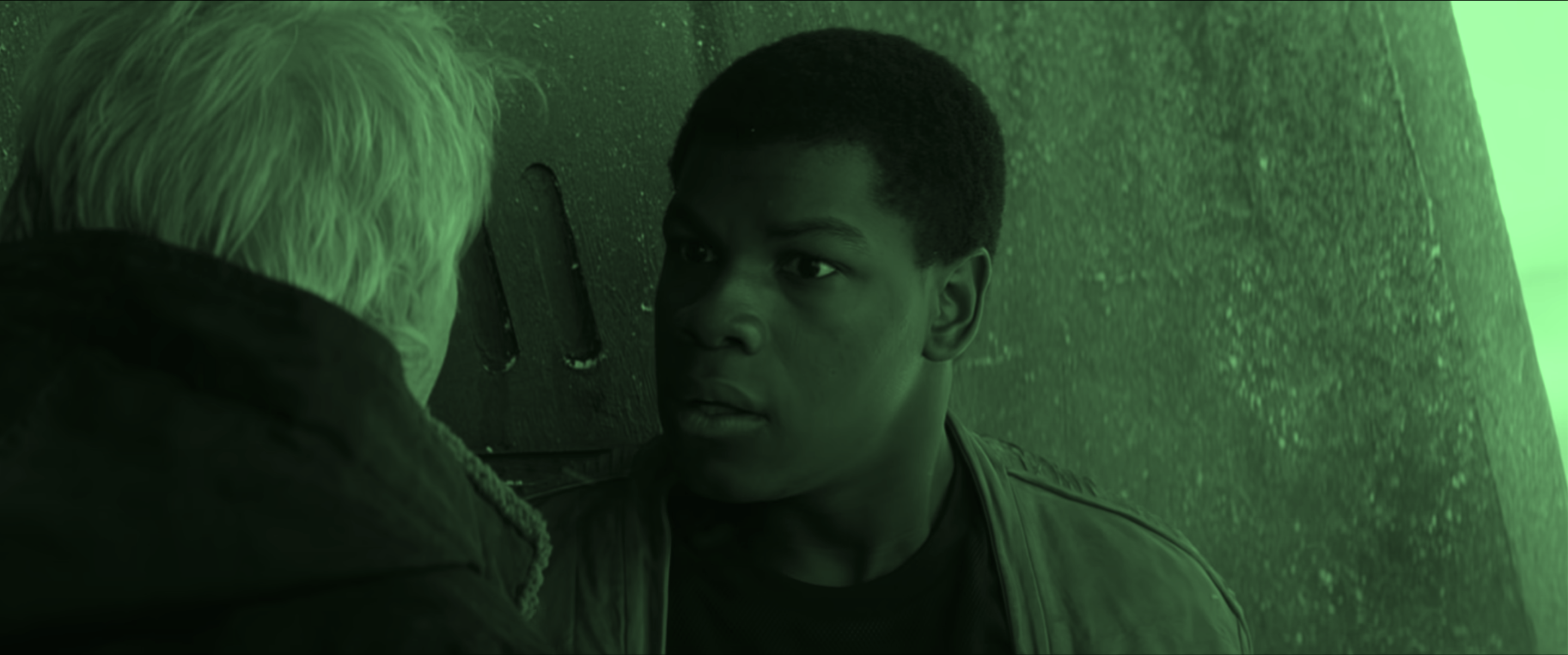
Han Solo and Finn argue in The Force Awakens, with Han exclaiming 'That’s not how the Force works!'—a metaphor for creative misinterpretation.

Han Solo’s exasperated retort, “That’s not how the Force works,” in The Force Awakens humorously underscores a common misconception—not just about the Force, but about art itself. Just as the Force isn’t a tool to be wielded without understanding, art isn’t a neutral entity devoid of influence or impact.

So when someone claims their work is “just art,” not political, I think of that Spaceballs scene. It reminds me: detachment doesn’t mean inertia—it just means the force is going somewhere else. Usually, unnoticed.

Silence is Still a Statement

There’s a quote often mis-attributed to Elie Wiesel that goes something like: “Neutrality helps the oppressor, never the victim.” While that’s often used in human rights contexts, it applies to creative spaces, too.

When artists choose silence on urgent issues—injustice, climate change, inequality, war—they’re not avoiding politics. They’re participating in the dominant narrative that allows those systems to persist.

In my Eco-Friendly Arts (Earth Day) post, I argued that artists have a role in shaping culture and influencing awareness. Choosing to say nothing is a decision with impact. And often, it maintains the status quo.

One of my favorite songs by Canadian pop punk band Crowned King is Turn It Up We’re Going Down. The lyrics beautifully capture this tension between truth-telling and protection, visibility and harm:

Break the silence
Let’s not break the news
Cause breaking stories breaks the hearts of children
What’s there left to do

Art that chooses silence isn’t neutral—it’s just letting someone else decide the narrative. And sometimes, the refusal to “break the news” says more than headlines ever could.

Even “Personal Work” Is Political

Another cringeworthy phrase, “But I’m not political, I just make personal work.”

Let’s break THAT down.

If you’re making work about your identity, your mental health, your body, your family, your community—you are inherently engaging with systems. If you’re a woman, BIPOC, queer, disabled, or in any way marginalized, your “personal” story is already a form of resistance on the very important topic of inclusion. The act of visibility is political.

And for those with privilege, avoiding politics is a political act. It’s the luxury of opting out.

Here’s where things get interesting for me.

While Spaceballs makes its point with parody and punchlines, Starship Troopers plays it straight—so straight, in fact, that many viewers missed the satire entirely. On paper, Paul Verhoeven’s film is a popcorn flick with great action sequences and steamy shower scenes. It looks like a celebration of patriotism and heroics, but it’s actually a scathing critique of fascism, propaganda, and blind nationalism
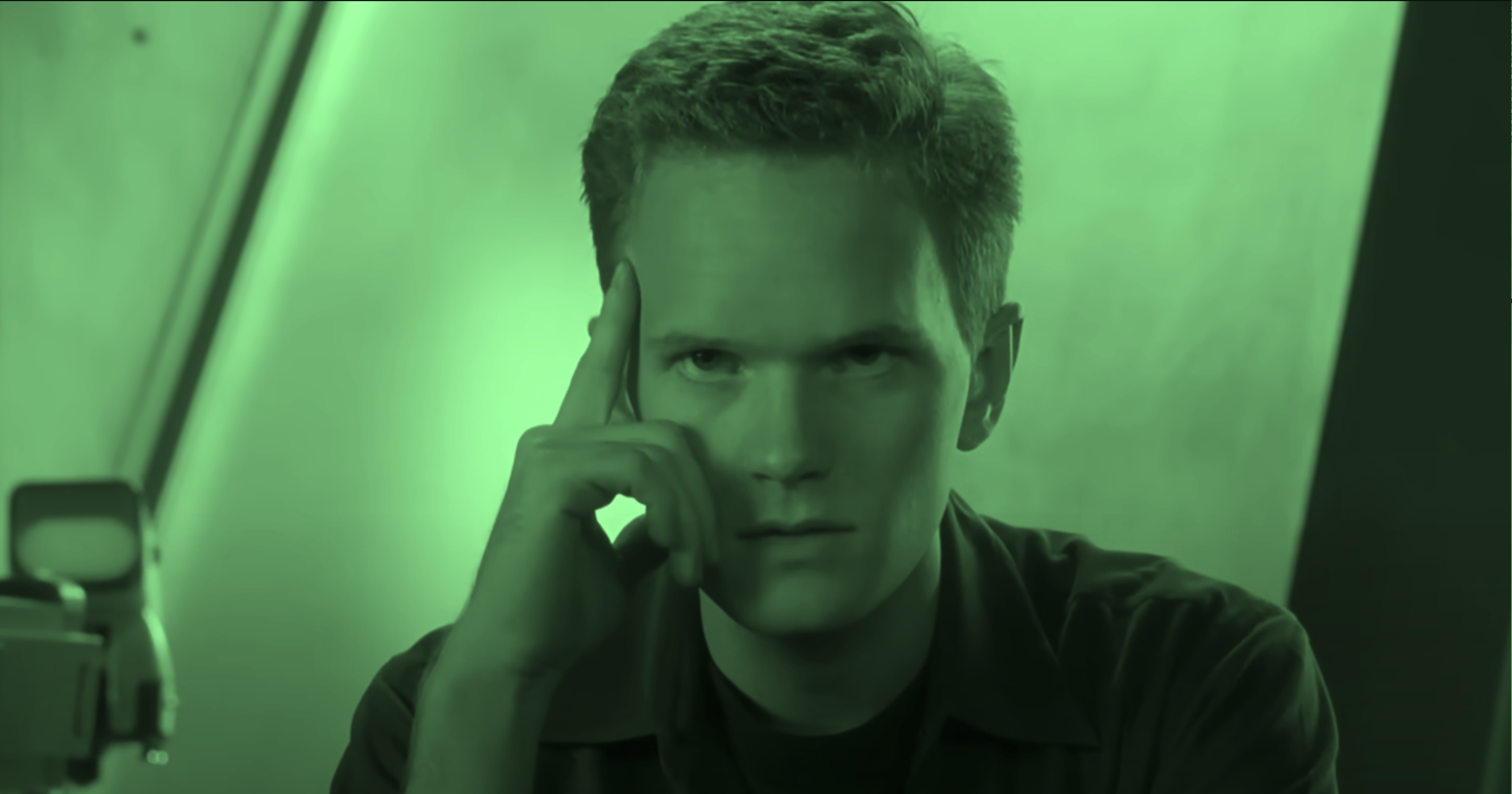
Neil Patrick Harris in Starship Troopers, wearing a militarized uniform—satirizing authoritarianism and blind nationalism through a straight-faced lens.

And that’s the point: even when art pretends to be apolitical—or especially when it does—it often reinforces the very systems it claims to ignore. Starship Troopers isn’t neutral. It’s deliberately baiting the viewer, asking: “Are you watching critically? Or are you just enjoying the explosions?”

Which is why that quote—“The only good bug is a dead bug”—hits differently when you realize it’s the voice of a regime, not a rebel. The film doesn’t shout its politics. It weaponizes genre expectations and makes you sit with the discomfort of complicity.

Take Enchanted, as another example.

On the surface, it’s just another fish-out-of-water rom-com, complete with spontaneous singing and animal sidekicks. But look closer, and it becomes clear: Enchanted is a sly satire of Disney’s own legacy.

It pokes fun at the the tropes of animated Disney princesses—the instant love, the gender roles, the happily-ever-afters—by dropping its archetypal princess into gritty, modern-day New York. And what happens? She changes. The film critiques the limitations of fantasy while still celebrating its emotional power. That “Happy Working Song” isn’t just cute—it’s a tongue-in-cheek commentary on labor, obedience, and the absurd cheerfulness expected of female characters.
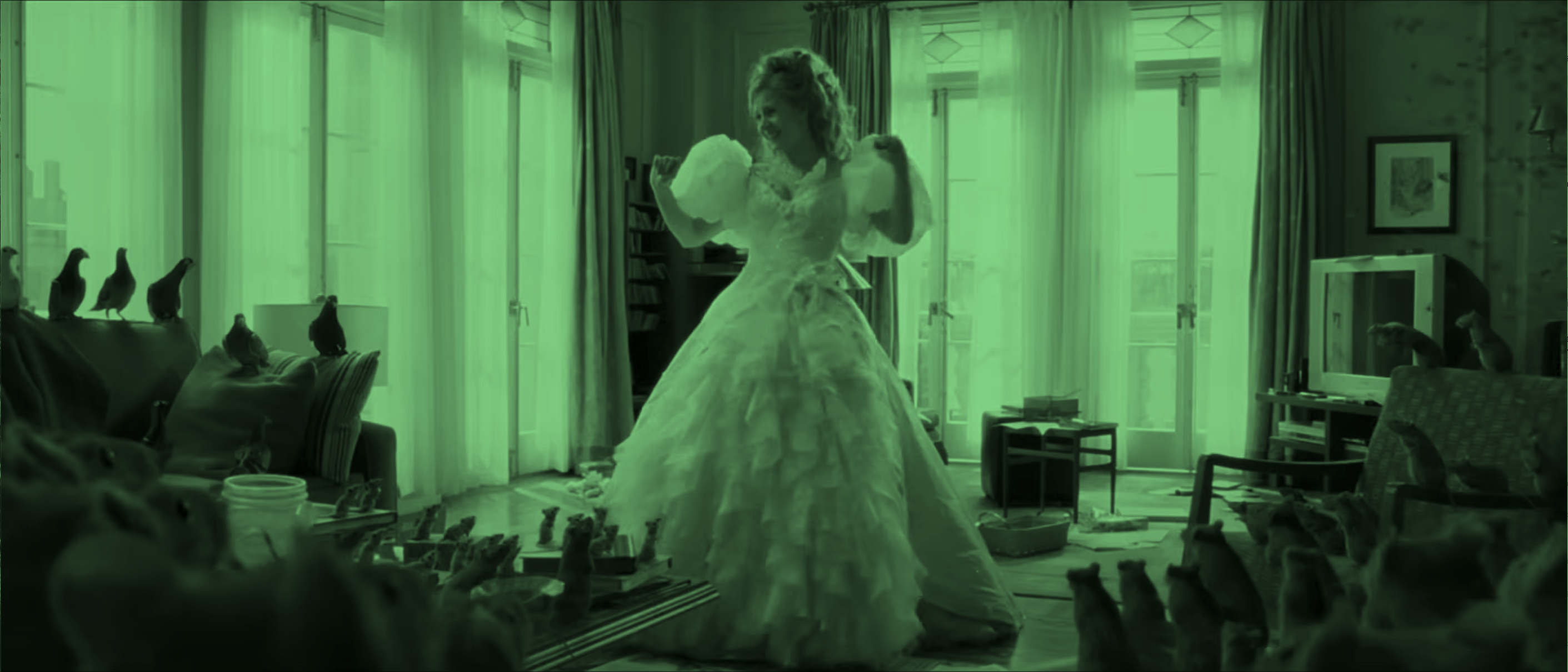
Giselle in full princess gown stands in a cluttered modern apartment in Enchanted, highlighting the contrast between fantasy tropes and reality.

That’s what makes Enchanted so brilliant: it critiques the fantasy without abandoning it. It asks: What if the dream could evolve instead of just being escaped? And that’s just as political as anything in a war movie.

Cultural Touchstones

And now it’s time to drive the point home. Some further homework for you creative cuties. Take a look at these artists who are working TODAY; for inspiration, and take up a brush, or whatever you chosen tool is and join the fight.

  • Kent Monkman critiques the historical treatment of Indigenous peoples through a deeply political lens, even using visual language rooted in Western painting traditions.
  • Rebecca Belmore uses performance, installation, and sculpture to address issues like colonialism, displacement, and Indigenous identity. Her work is often physically demanding and emotionally evocative—unmistakably political in both form and content.
  • Wanda Nanibush, as both a curator and artist, challenges institutional structures through her advocacy and exhibitions centering Indigenous and feminist perspectives.
  • Sandra Brewster’s textured photo-based works explore Black identity and diaspora, bringing visibility to histories often erased from the Canadian narrative.
  • Films like Incendies, Antigone, and The Body Remembers When the World Broke Open show how national identity, migration, and survival are laced through every frame of story.

After all, my own Watch List has grown to include films that explore themes of quiet rebellion, fractured identity and culture shifts. And that reminds me, I’m probably due for an update elsewhere…
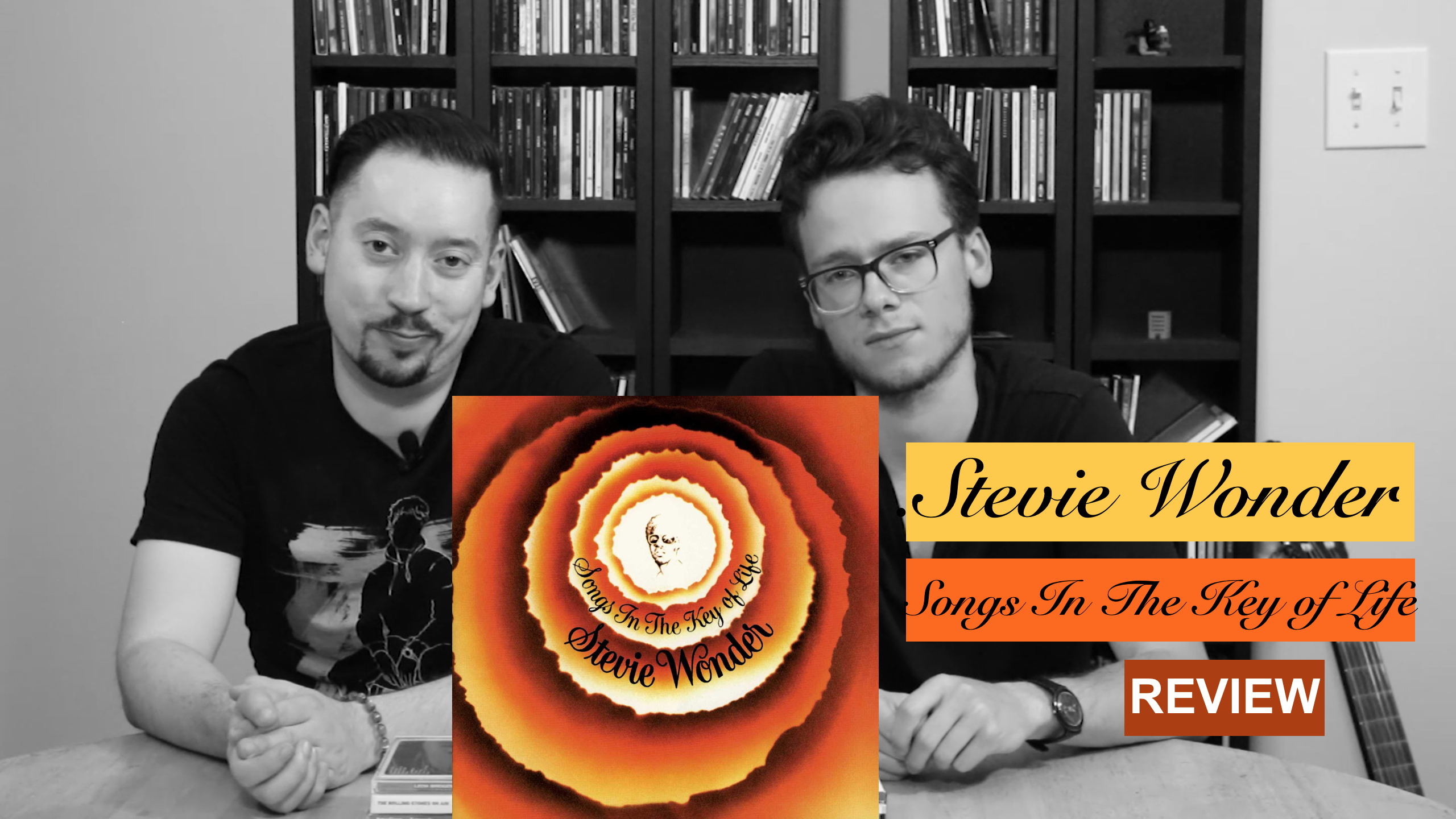
timotheories and Dont Bartlett sit at a table with Songs in the Key of Life by Stevie Wonder prominently displayed, teasing an upcoming YouTube video on the essential album.

This post talked a lot about movies and visual art—but music? That’s another conversation entirely. I teased a bit with the Crowned King reference, but long-time readers might remember Sound Culture, where I explored music worth listening to with intention.

I’ve been sitting on a list of albums that shaped how I listen, and I think it’s time to unpack said list in a future post. Stay tuned for that!

theories Summarized

So what should artists do?

I’m not saying every piece of art must scream protest. But I AM saying we can no longer pretend art exists outside the world we live in. The past few years have seen a change in how we connect with the world around us – I think in many ways, creatives have insulated with the global pandemic and slowly return to the public spaces, but that shouldn’t have stifled our speech.

Use your voice. Make work that reflects your truth. And recognize that art doesn’t need to be loud to be powerful—just honest.

Because neutrality isn’t real. But authenticity? That changes everything.


What do you think? Have you ever tried to stay “neutral” in your work? Do you believe it’s possible? Let’s talk about it in the comments or shoot me a message—this is the kind of conversation that fuels creativity.

The Watchlist: Revelations – Adapting Movie Goals for a New Decade

Introduction

Hello, dear readers! 

We did it.

A comeback AND renewed commitment to creativity! 

We’ve gotten through the comeback story series, I’m back on the horse, and it turns out this wasn’t just some weird cathartic digital vomit I blasted across social media. 

I’ve even been including the very professional, career-minded LinkedIn when I publish new content. Yes, LinkedIn. When I first started this blog, broadcasting these reflections onto that space wasn’t on my radar. But now, I’m fully committed to my dual role of marketer by day and artist by night, so I’m going to continue to post there, and share the journey across all platforms. 

Also also. Please keep an eye out for an upcoming post on using LinkedIn as an artist, which will include creative business strategies, and related tangents that will work great for you, wherever you’re at. And please remind me in the event that I get sidetracked by The Fast and the Furious part 11 news or something equally ludicrous in the coming months and don’t follow through on this promise.

Okay. So all that aside, I do need to emphasize the bigger plan in place, in case you are just joining us, and because it informed this week’s post. 

I’m going to be slowly revisiting old content with the new lens that is timotheories 2.0.

That means sharing pop culture insights, art theories, practical skills for artists, creative ideas for enthusiasts, and personal reflections from my world that can help to drive it all for your benefit. Nothing groundbreaking if you’ve been following along since the start (thanks, Mom), but the key difference with timotheories 2.0 is to provide detailed practical content that genuinely serves you, rather than a glorified Xanga site. 

Tell me you’re a millennial, without telling me you’re a millennial amirite?

To recap, in the final chapter of my comeback story, Building a New Path, I shared how my vision for timotheories has shifted from merely curating content to actively creating a community-driven space for exploring creativity and development. With new goals in mind, I’m seeing each pillar of timotheories as an investment towards a larger purpose—whether those pillars are more interviews, better content channels, networking, education programs or channelling other great existing projects like The Watch List to encapsulate a point.

Why The Watch List?

Some context.

We really should go over the origins of The Watch List to give those joining in today a proper background – initially, I wanted to watch some cultural staples as a prerequisite to talking about it films and so I set some goals back in 2014 to help me get from movie fan to film aficionado.

My first goal was clear-cut: assemble a lineup from IMDb’s Top 250 films, supplement it with the Top 1001 Movies You Must See Before You Die, and complete a sizable cross-genre exploration, hitting either the top 25 or top 50 entries of each genre “as defined by popular aggregators”. I gave myself a little grace, by crossing out movies I had already seen. Interestingly enough, and I didn’t share this at the time of the first post, but even then, The Watch List had quickly evolved from a static checklist into something much more layered—an immersive journey into narratives that I believe are pivotal to our cultural consciousness.

And because reviewing content on YouTube was super cool in 2014, I had serious aspirations to talk about a lot of movies.

The Watch List was the third post I ever wrote, and I naively thought it was really accessible and cool, but I also never shared my personal version of it. My list of culturally significant films that I wanted to slowly work through, “to better understand the cultural zeitgeist” has never seen the light of day, so how could I really share insights from it. A little pretentious on paper, and the name was even moreso on the nose, but I leaned into it internally. 

Looking back on the post now, it’s pretty clear I was still figuring out my voice. I didn’t fully explain my thoughts on why I made this project for myself and how it would serve others, and then about a year later in 2016, I did an update post, neatly titled The Watch List redux, that expanded some ideas, but still didn’t really hit the heart of the topic.

In that time away, my watch list has grown into something a lot more personal: both from how I use the data to decide what to watch and what the contents of the list means to me personally. 

I feel a bit better now, but let’s talk about the living document that is my watch list. 

A Living Movie Project 

If you really wanted to, you could also call this section Turning the Reel: The Watch List Continues, which is one of the things I’ve been mulling over as I’ve been putting together this post on a listless Wednesday night.

The project didn’t just grow numerically as I added new inspiration source; it grew in personal and artistic significance. 

Watching films became a chance to see beyond the plot or the technical craft, to consider what these stories reveal about human values, aspirations, and struggles. And if I was considering enough of the human experience in the scale of the project. For example, did I have enough women directors in the list? Was I avoiding war films unconsciously?

I slowly added in films, but where I created categorizations, would be through a keyword or phrase coded under the “Reason” column I inserted unceremoniously into the list. Keywords like 1001 Movies, Richard Linklater or Disney made for quick searches and also considerations on what to add in, and sometimes if I had too much of something in the mix.

To me, each film is an expression of art and a statement simultaneously, so themes like empathy, resilience or societal critique emerge by the end and linger long after the credits roll.

I haven’t shied away from abstract or international films either. Through these films, I’m discovering nuances of human behaviour and finding meaning in the blend of art and life—a meaning that I want to actively share with the timotheories community. 

And I started to set some personal rules for the list too.

Learning Through Layers

While I initially set out to watch everything on the list as quickly as possible, that proved to be harder than I thought it would be. 

Then as I progressed through the list, and significant changes came like the closure of Canadian media darling HMV and further pushes towards digital consumption, I dug my heels in and decided to start curating my own collection of movies at the same time. 

Because I clearly hadn’t set enough rules for myself. 

  1. Buy a brand new release every week, 
  2. In addition to expanding my collection during major sales days (ie Black Friday and Boxing Day). I would plan to add 50-100 movies through crazy deals and discounted prices

What happened behind the scenes is that it subtly re-directed my attention away from the initial goal, because I wasn’t just buying movies from that list now. And as I am wont to do, I thought about what to pick up a lot, and actively.

As I mentioned already, I expanded the list to include all films that had touched the 1001 Movies to Watch reference books from its inception through to the current year. Which effectively grew the list by another 3-400 movies. Then I went on a bit of a Top 10-50-100 bender online and would add choices from YouTuber critics I really admired. Adding more choices, and ballooning my to-buy list at the same time.

Past me thought this was reasonable and felt this would keep me on pace to still get through the list within an eight-ten year period, even if I was technically starting from ground zero at this point. Reflecting upon the numbers in that Watch List redux post, I recognized that if I wanted to get through the list in a year, I’d need to watch at least 18 movies a week. So instead I set a different goal of watching three movies a week, one new release, and two from my unwatched pile.

Insert example excerpt from my brain – should I make space in October to always buy and watch horror films to broaden my already deep catalogue of experiences?

Effectively, my curation process influenced my watching decisions, and it was informed by both the original list as well as themes/directors/critics that I wanted to get input from. 

Archetypes and Insights for the Community

Originally, I talked about the significance of archetypes, and why viewing a movie watch list was a great way to accomplish this investigation. 

Certain genres I might have overlooked as a kid, like film noir or historical dramas, had become spaces where I could observe and appreciate the evolution of movie making over time. The Watch List stopped being race to accomplishment but a journey in reflection, where each film watched adds a layer of growth, both as an artist and as a member of a wider, shared creative experience.

The Watch List isn’t just about what I watch and my expectation that you meet me where I’m at; it’s about what we all take from these moving pictures.

By sharing my reflections through timotheories and social media, the project becomes a collective experience, inviting fellow creators and art enthusiasts to join in discussing the insights we uncover. It’s my way of connecting the dots between storytelling and the human experience, fostering a community that values culture, creativity, and the narratives that unite us.

What’s Really Changed Since 2016

If it isn’t obvious yet, I still haven’t got through the list. 

Believe it or not, it actually grew even larger, but I’ve also become more vigilant about keeping track and really curating the list. 

What this means is that I’ve added columns to the list for various “prestige” categories. Yes IMDB and 1001 Movies are there, but now in the mix are Criterion movie entries, Academy Award Best Film Winners, Turner Classic Movies, and stats from the ever-popular aggregator Rotten Tomatoes. And so the list ballooned to over 2300 options to experience. 

Now you may be wondering, are these really the factors of the cultural significance of a film? No, I don’t think exclusively so, but they are fun considerations, and when I inevitably do share the overall look and feel of my collection, it might better inform your own film watching journey. 

Fun fact.

My personal collection is now sitting at about 2400 movies, of which I currently have 50 unwatched copies. And my to buy list is at about 500 movies. I genuinely think a Watch List addendum is overdue.

I mention this specifically because of the 2300ish movies in my Watch List, I’ve only seen about 600 of them. And that’s ten years later. It’s kind of wild to think I have physical copies of movies totalling almost 2500, but I still have 1700 movies left to watch from my original list. And if you were to ask my wife, I’ve become almost militant in my commitment to collect and watch movies I add throughout the year.

This practical approach I’ve developed for tackling the list, now that’s become so large, reinforces that this isn’t just a race to collect ‘em all, but an intentional experience I have in my everyday.

Yes, I’ve tacked on several layers of complexity along the way, but this list has become truly comprehensive, and I think much more considerate than whatever factors the writers of the Top 1001 Movies to Watch Before You Die came up with.

And most importantly, I’ve learned to appreciate a different pace: one that allows time to sit with and experience how these films have shaped my worldview and approach to artmaking. 

A Journey in Reflection and Growth

As we’ve gathered, it’s been a few years since my last big update on The Watch List, and while my movie-watching pace might not have hit the “18 movies per week” I flippantly imagined back in 2016, this journey has continued to evolve in unexpected ways. 

The project, originally conceived as a two-three year exploration of roughly 1,100 films, has become a more layered and meaningful pursuit than I could have predicted and I genuinely believe that I’m now halfway though the list -the passion and commitment I’ve exercised has my personal collection at 2400 films deep now and counting.

As we know, life doesn’t always go according to plan. The tally may not be moving as quickly as originally envisioned, but the richness of the experience grows with every watch. With each film, I find new nuances in human behavior, motivation, and the blending of art and science in storytelling.

In 2016, I set goals of watching a new release each week, burning through my backlog from Black Friday and Boxing Day hauls, and fitting in at least one IMDb “Top Genre” movie. It turns out, balancing that with work, other creative projects, and life’s curveballs was a bigger challenge than anticipated! Now, while I still try to average one Watch List film a week, I’ve embraced a more flexible approach that allows room for deeper dives, reflection, and even sharing insights back here or through social media.

Staying Motivated & Next Steps

Another heading that could’ve easily been called Project Timeline. 

Let’s do a little math.

If I buy 100 of those movies from that list each year, it will take me 5 years to get through the list – in the meantime, I will likely still be buying 1 new release a week. I also made a caveat that if nothing good shows up in the brand new, I will acquire another movie from the to buy list. If I really want to be effective, I can add another layer to the plan. 

If I watch one movie a week from The Watch List, that isn’t in the bought pile or new release pile, after five years I will have gotten through another 250 movies, plus whatever naturally get picked up from sales, digital marketplaces and thrifting. What I’m hoping will happen is that I can then hammer through the remainder of the list within a five year period. Realistically I am looking at another 10 years with this project, starting from today. 

For those who’ve been following along (or are maybe new to this journey), your encouragement, suggestions, and occasional movie recommendations have really helped keep The Watch List feeling fresh. If I were to revisit the initial goal and then update it, Its now not about completing a list but about continuously learning through a dynamic catalog of movie stories and their attributed criteria.

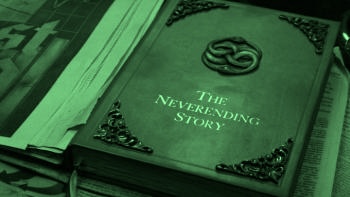
Will I finish all the movies on The Watch List this year? Not bloody likely (read: the neverending story). But one thing is certain—this list has proven to be an ongoing exploration of storytelling, and I’m excited to see where it takes me next.

But here’s another consideration, I think a call for feedback from the community could really make this feel interactive and introducing collaboration ties in nicely with my commitment to building community through projects like The Watch List.

theories Summarized

In summation, The Watch List is more than a catalog of must-watch films; it’s become a project that mirrors the broader mission of timotheories: combining culture, creativity, and community to share insights on the human experience.

What began as a list of culturally significant films to get through, has evolved into a journey that explores storytelling’s role in shaping human values, understanding, and making connections.

I started with ambitious goals but found value in slowing down and watching with purpose, learning that this project is about exploration as much as completion.

This project is now part of a shared experience where I get to reflect on films, share insights, and learn from others. The Watch List isn’t just about what I watch but what we all take from these moving pictures.

From sharing updates here to discussing these films on platforms like LinkedIn, The Watch List is now a tool to connect, inspire, and grow within a community of creators, thinkers, and art lovers.

And speaking of curating art things, you should absolutely check out this past week’s episode of Confer Culture. This one is a new topic format for Chris and I, we decided to branch out into music and each share our Top 10 Albums of all-time. Please give it a list(en) and let me know what you think!

As always, I’m open to your feedback, critiques, or just a nudge to keep watching and writing. Thanks for being part of this journey, and let’s keep turning the reel together! Till next time, creative cuties.


Tim!

The History of Horror Movies (Cross Talk EP 38)

Horror movies represent a particularly special blend of storytelling and emotional triggers.

Some argue that horror movies are meant to reveal our deepest fears, others suggest they serve as morality tales about what is acceptable in society and the consqeuences of going against the natural order, still others believe that they serve as a mirror of their time. Whatever the case the telling of terrifying stories is something which has long been part of our collective cultural experience, and as horror movies became a more common format in cinema, so too did they evolve over time.

In this very special episode of Cross Talk, Chris and I take some time to give a somewhat concise overview of the history of the horror genre, all the way from the 1920s through to present day – landing the plane with Get Out, It Comes at Night,  The Killing of a Sacred Deer, IT, Better Watch Out, and a few others!

We make some obvious associations, like the birth of the slasher in the 1960s, and the over-saturation of the theme in the 1980s, the importance of the atomic age and how films of the 1950s all had a twinge of the absurd, which paved the way for cross-over genre films in later decades.

Of particular note is the importance of social issues and their place within the oeuvre of George A. Romero and other landmark directors, including the eponymous Alfred Hitchcock, who helped take horror from the realm of fear of the unknown and the mythological, and thrust it into the everyday.

And one of my favourite highlights – the first commercially successful and critically acclaimed Marvel movie is also a horror movie.

As it turns out,  I actually have a lot to say about the genre, and while my personal collection of films is closer to 2000 then 1000 at this point, I have almost 150 titles then could be classified at horror movies. Chris is a self-admitted horror fan, but it seems that we both know enough to provide a good overview of the genre, and hopefully share some theories you haven’t heard before!

This is the history of Horror movies, this is episode thirty eight of Cross Talk.

theories Summarized

Were you surprised by our thoughts on the genre overall? Did you learn anything interesting? Was our feedback on Alien vs Aliens too on the nose? I was personally surprised how many remakes came out in the 2000s and found it really valuable to learn how the 1940s was the period when genre sharing started to become more common.

Sharing is caring creative cuties, hopefully you’ve got some examples that we’ve never even considered, so comment below! And of course we’d love to hear from you in general, so please comment with your favourite horror picks, what you’ve pulled from each of these decades, and why you think horror reflects the current times best.

Until next time, please like and share the content! And subscribe to the mailing list if you haven’t yet. I’ll be sharing some insights on a new Brent Cobb album!

Tim!

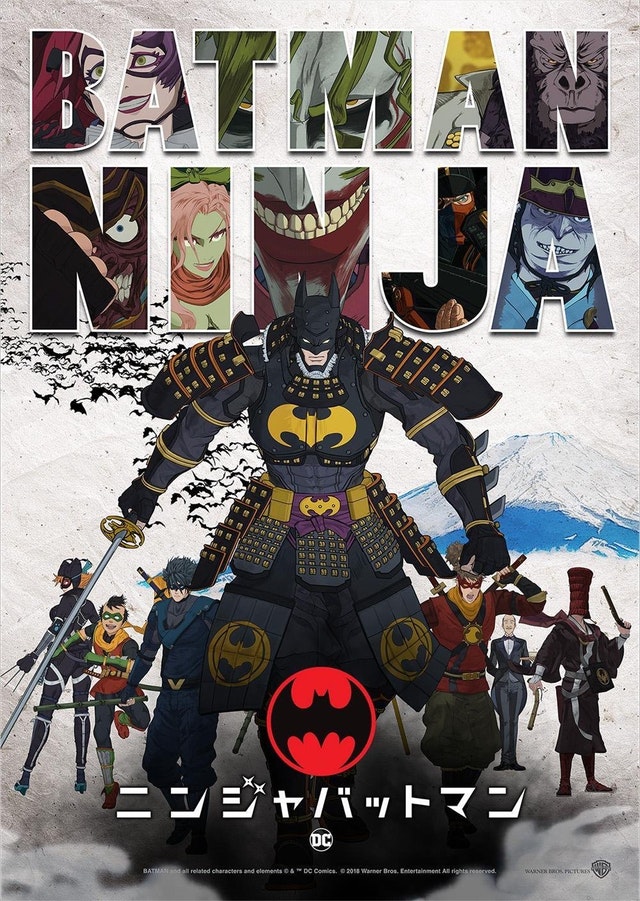
Combine And Transform (Batman Ninja review)

Not every movie is going to resonate with all audiences, especially when it deviates from expectations, when it shifts our ideas of what a franchise means AND when it embraces unpopular elements to make something better.


Batman Ninja (2018)

Cast: Roger Craig Smith, Grey Griffin, Tony Hale, Fred Tatasciore, Tara Strong, Yuri Lowenthal, Will Friedle, Tom Kenny, Adam Croasdell, Eric Bauza
Director: Junpei Mizusaki
released on blu-ray Apr 24, 2018
********* 9/10

IMDB: 5.8
Rotten Tomatoes: 89%, Audience Score 47%
The Guardian: N/A

Junpei Mizusaki is a Japanese animator, producer, and newly minted director. Having previously worked on Mega Man games (Megan Man X8, Megan Man X Command Mission, Mega Man X7) a TV series called JoJo’s Bizarre Adventure, a segment from the film Zoo, and a host of other anime content.

His anime resume should more then prove his ability to put together a solid anime film, but what is truly at stake is the mythos of Batman. And the question that remains is can Mizusaki properly fuse to elements of culture without bastardizing one to improve the other?

Special thanks to Warner Brosfor the IMDB summary of the film –

Batman Ninja takes a journey across the ages as Gorilla Grodd’s (Fred Tatasciore) time displacement machine transports many of Batman’s worst enemies to feudal Japan – along with the Dark Knight (Roger Craig Smith) and a few of his allies. The villains take over the forms of the feudal lords that rule the divided land, with the Joker (Tony Hale) taking the lead among the warring factions. As his traditional high-tech weaponry is exhausted almost immediately, Batman must rely on his intellect and his allies – including Catwoman (Grey Griffin) and the extended Bat-family – to restore order to the land, and return to present-day Gotham City.

If it’s not clear yet, I actually love Batman, which is why I’ve been so selective in my reviews on Batman related content, because at timotheories we really want to give you the best movies to watch, not just what is popular and trending. And so I can argue without a reasonable doubt that this is one of the best Batman movies since 2008’s The Dark Knight. Yes, I loved The LEGO Batman Movie, but there have been so many other properties distributed in recent years that fail to capture the discipline, absurdity, intellect, and intensity of The Batman.

Gotham By Gaslight was pretty good too, but this resonates much more strongly. I’m not sure that’ve made this statement properly before either, but I believe that Batman should be a public domain property at this point. Sure DC Comics can retain the right to produce movies, make stories and sell merchandise, but other creators should have the ability to tell stories with a character which is almost a century old at this point.

And this is why I loved Batman Ninja. An untested director took the mythos, respected it, and also added to it. Now, I will admit that the movie gets stranger as it moves along, but if you watch any anime, it shouldn’t surprise you to learn that the film would enter into weird tangental discussions and feature ridiculous plot threads.

This is common in anime, and Batman Ninja delivers on the absurdity of Batman’s history.

Pros: The Japanese animation team that constructed this story honours the history of Batman, while also elevating his mythos and injecting something new into the mix, something that is far more interesting then many of the previous DC animated films. The backdrop of the story is lushly crafted, and the zaniness of the comics is amplified with Japanese samurai, ninja, and feudal era culture.

Cons: The premise of the story is unique, but it is somewhat rushed to resolution in the final act, and how everything progresses to reach that resolution (spoilers: robot castles) is somewhat bizarre when considered through the lenses of western standards of filmmaking.

Runtime: 1 hours 25 minutes

Points of Interest: All of the fight scenes were performed and filmed with live actors first and then animation was created from that footage. The Batman figure formed from the bat and monkey armies in the final battle is very similar to his first costume in Detective Comics.

Ultimately, my major disappointment with this film is that I expected a more serious exploration of Batman trapped in feudal Japan. Learning and improving upon samurai and ninja disciplines was an awesome plot thread, but why wasn’t it explored more?

theories Summarized

In summary, if you are willing to accept the flaws of Batman, and go into this film expecting it to defy traditional western filmmaking, then you’ll have a really great time seeing a properly made Batman anime. In fact, I hope DC makes more of these types of films, or all of their flagship characters. If you’re a collector this needs to be on your shelf.

And if you want another genre-defying film to fill your film-watching needs, then it might be time to either dust off The Descent or pick it up if you haven’t seen it yet. Chris has all of the details in this Watch Culture video movie review

Lastly, please let me know what you thought of both of these reviews on love, like and share the video, and subscribe to the channel (and email) if you haven’t already. Lots more theories to come!

Tim!

Films That Have A Profound Psychologist Effect (Cross Talk Ep. 37)

In preparation for today’s episode, I decided to do a little research about the psychology of film, and in the process, I learned a few things.

For instance, did you know that film and psychology have been connected since the late nineteenth century? With research labs studying the mechanics of perception and how our visual recall works, and producers like Samuel Goldwyn working to lure the psychologist Sigmund Freud in to help determine the subtext of his films. He actually offered Freud one hundred grand to secure a meeting with Freud in Vienna in 1925. And then Hugo Munsterberg posited that film actually allowed the inner working of the mind to become visible, thus shifting our way of thinking about thinking.

Other academics like Gordon Allport have even gone so far as to indicate that cinema is a standardized daydream, which is kind of horrifying when we consider the implications against mass consumption. In the world of marketing, there is a very real fear of being led towards a product decision without conscious consideration and there is evidence that many marketers employ tactics to get such a response, so why wouldn’t a two hour video create a far stronger impression then a 30 second commercial?

But maybe that’s actually a good thing. In fact, I really do believe it to be the case.

It is the role of the critic to give the viewer the tools to think differently about art, and it is the role of the artist to give meaning to life. So by all accounts, films that affect us should be considered to be instrumental in shaping our world views and when we feel something during a movie, but are unsure of what it means, a critic can help to deconstruct that film for us, which in turn allows us to better understand ourselves and others.

There are many examples of stories out there which have parents, groups, and government campaigning against film, television, games and other art forms, because of the suggestive nature of that content, and in some cases, blaming the content for how children behave. Again, I agree that there is a lot of evidence that suggests such an outcome, but what if we exposed children, youth, and even adults in need of rehabilitation towards content which depicts a more empathetic worldview? Say Sling Blade, K-PAX, Moonrise Kingdom or the very recent films Get Out and Hostiles, the later of which I did a review on last week!

Maybe in those cases, we can learn something about the world and be less inclined towards hatred. Which is what Chris and I set out to do in coming up with a list of ten movies we collectively agree are incredibly impactful, and how each of those films personally effected us.

I think you’ll get special interest from the films Manchester By The Sea and The VVitch, as we focused on them in case studies from our lives. This is episode thirty seven of Cross Talk – movies which had a profound psychological effect.

theories Summarized

Were you surprised to learn how we each felt about these choices? I wasn’t especially taken back to discover how Chris feels about Manchester By The Sea, it is a very dark film, and Casey Affleck deserves all the awards he got for playing a depressed man. But I bet you weren’t expecting me to open up about The VVitch the way I did, now were you?

Sharing is caring creative cuties, hopefully you’ve got some examples that we’ve never even considered. And we’d love to hear from you, so please comment below with your picks, and if you’re up to it, please share a little bit about why these movies have left a mark.

Until next time, please like and share the content! And subscribe to the mailing list if you haven’t yet. I’ll be sharing some insights on a new Leon Bridges album!

Tim!