A Return To Reform (Radiohead, A Moon Shaped Pool review)

We all have a point in our life when we do terrible things, and everyone around us, including ourselves suffers, but I truly believe that out of tragedy greatness can be achieved… And that’s what this week’s music review is all about.


Radiohead – A Moon Shaped Pool
released June 17, 2016
********* 9/10
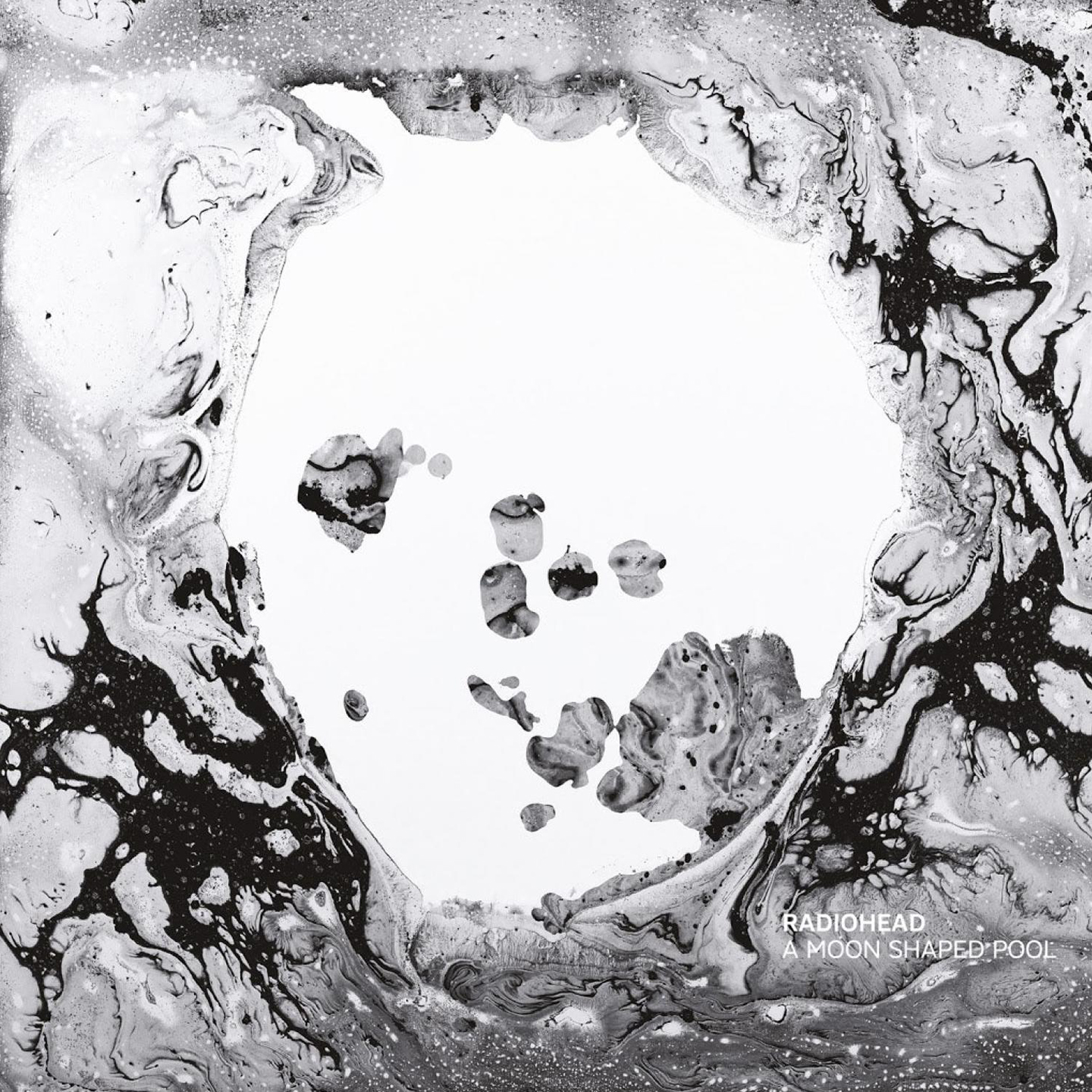
xlda790-radiohead

This is the 9th studio album by Radiohead. Radiohead are an English experimental rock and electronica band that formed up in 1985, which as a personal anecdote, is the year I was born. Made up of Thom Yorke (mostly lead vocals), Jonny Greenwood (mostly lead guitarist), Ed O’Brien (guitar), Colin Greenwood (bass), and Phil Selway (drums), they have all worked together since the band’s formation.

Two more fun facts before we move into the review. First, their breakout single, Creep, was released in 1992, the year my youngest brother was born which demonstrates the 7 year gap between their formation and “breakout” succes. Second, Radiohead has used the same visual artist (Stanley Donwood) to design their album art, Thom Yorke’s solo ablums, and Yorke’s part-time gig, Atoms for Peace.

A Moon Shaped Pool has a really high score on Metacritic and has received high praise in all of the album reviews I’ve read thus far. As a long-time fan of the band and despite really really enjoying this new album, I am at something of a loss though as I don’t own nor have I really listened to their previous record, The King of Limbs. I mention this because at it’s time of release I had heard bad things about TKOL and couldn’t be bothered with it.

And now I read statements about how much of a hot mess King of Limbs was, and while I personally see why this is an excellent Radiohead album, I can’t make that comparison.

But fuck that, it shouldn’t even matter. If we all operated in a vacuum this review would be incredibly different, so you got my backstory, my perspective and I suspect the review is all the richer for it.

I remember when I was a bright young university student. Full of angst, rebellion, and a thirst for melancholy. It only made sense that one of my professors thought I was a huge fan of Radiohead, a joke not lost on me at this stage of my life.

But Radiohead have traded in their mopey sad songs for dreams and the eternal – This is best showcased on the tracks Daydreaming and Decks Dark which are early enough in the record to solidify this new position.

Opener Burn The Witch is typical of Radiohead and well constructed like a much needed timepiece for our generations arm. Especially since it’s an older song finally realized in studio format. The story about lynch mobs can be applied to any number of current pop culture and political hysteria too.

And in case you were wondering, the electronics that made Radiohead synonymous with alienation and genius, and consequently the root of numerous imitations, is alive and well. If you listen to Identikit, The Numbers or Tinker Tailor Soldier Sailor […] in isolation, you’ll get  that old familar feeling.

On Present Tense, I’m reminded of the entire vibe of the amazingly good album In Rainbows, which is cool because that album came out in 2007 and Radiohead have been honing this song since that time period. But the best is definitely last and will pay service to true fans. True Love Waits has been part of their archives since the mid 1990s.

I can’t say enough good things about this album, because the band fused two things. They took what we love about Radiohead and simultaneously helped themselves push forward, which is the reason why they keep making records. Would I say this is their best album ever? I don’t know, but would I say it’s one of the best albums of this year or even of this decade. Yeah, yeah I would.


Sometimes you have to hit your lowest low to realized what the hell you were doing there in the first place and why you care about what you care about, The King of Limbs was definitely a low point for Radiohead, A Moon Shaped Pool is a demonstration of a return to their power to reform. And yes I am using multiple definitions there. I’m theoried out friends, I’ll see you tomorrow with a movie review.

Tim!

What Doesn’t Kill You, Only Makes You Stranger (Paul Simon, Stranger to Stranger review)

Ever watched a movie JUST for the soundtrack? No? Well me neither, but there are tons of posts on the internet which claim that exact practice is worthwhile, and I will strongly disagree.

However, I do believe that a great soundtrack can help define and reinforce the ideas of a film. And the reason for this is that it usually comes down to the storytelling ability of the musician(s) behind the scenes.

This week we review an album that I could very easily see in a soundtrack in the near future.


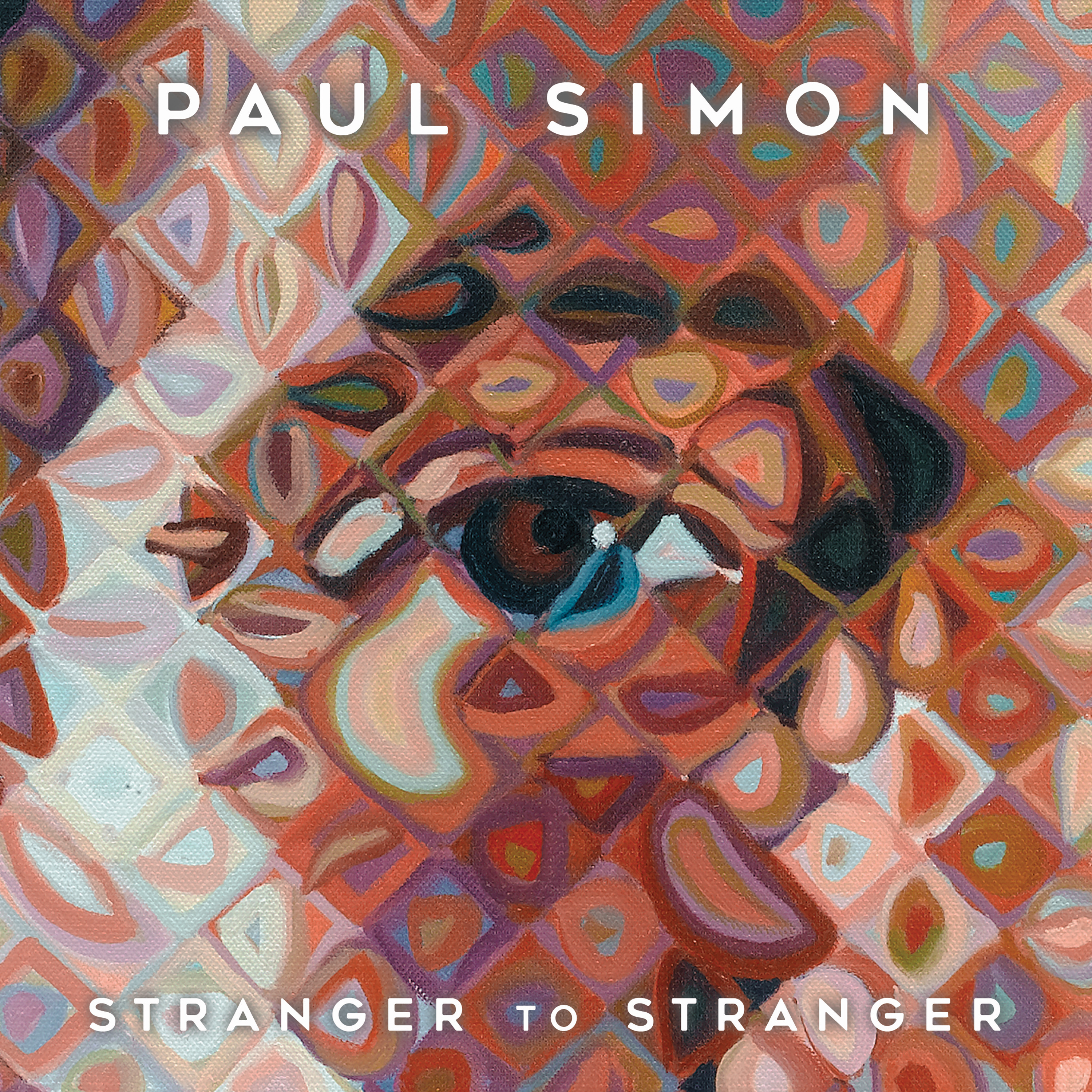
Paul Simon – Stranger To Stranger
released June 3, 2016
****** 9/10

Paul-Simon-Stranger-To-Stranger

Paul Simon is an American musician, singer, songwriter and sometimes actor. He got his start as part of the duo known as Simon & Garfunkel, which performed together for six years in the 1960’s before splitting up at the height of their success – Simon is known to have been the predominant writer of Simon & Garfunkel and should be especially proud of Mrs. Robinson, The Sound of Silence, and Bridge over Troubled Water, which were all no.1 singles in their time.

He has also successfully managed a solo career, including 12 Grammy awards, a Lifetime Achievement award, induction into the Rock and Roll Hall of Fame, and various other accolades.

Stranger to Stranger is Simon’s 13th studio outing and what I would consider a fantastic representation of him as an artist, given that I haven’t really followed his work. At. All.

Yes, my personal experiences with Paul Simon have mostly revolved around movie soundtracks that sampled his work in Simon & Garfunkel, so that means I’ve enjoyed the tranquillizer scene in Old School all the more thanks to The Sound of Silence, was bemused by Dustin Hoffman in The Graduate while Mrs. Robinson played and played with him, and even Bridge Over Troubled Water has a movie title named after it, it is the quintessential S&G song, after all.

But I think that recognizing a well made and ambitious album has less to do with knowing the artist’s catalogue of work and more to do with understanding the broader soundscape that is music.

Songs range from the hilarious opener The Werewolf, which is about a midwest murder in suburbia, to the lightly spread Wristband (with hints of darkness), to the very direct phone problems of In A Parade.

Though one track that manages to stick out like a sore thumb for me is Cool Papa Bell.

It’s incredibly absurd and paints a portrait of a man who has lost touch with reality, and it’s full of swear words. Which is kind of hard to imagine if you think about Simon’s vocals for too long. He lays it on in his typical indie folk style, but the lyrics combined with the world music tone create a very interesting and satirical final product.

And he takes life experiences as well to produce these songs, which tells me Paul Simon isn’t quite done experimenting like The Riverbank, which is the result of visiting vets at a Boston hospital.

And then we have the closing track, Insomniac’s Lullaby. Which is my personal favourite. It’s silly, sincere, sweet, and surprisingly sinister. And yes, I apologize for all of the alliteration, but Paul Simon says so, so I shall share. Now I’m done.

Should you listen to this record? Hell yes, you should. Paul Simon may be in his 70s but just as relevant today as he was 50 years ago and that shouldn’t make him a stranger to anyone.


Fortunately for Paul Simon, his glory days are not behind him. He is still creating music that can entertain and tell a wonderful story. Which is why it should surprise no one at this point that Mike Nichols knew what he was doing when he grabbed Simon & Garfunkel hot off the press and inserted it into his movie. Hopefully there is an indie more or 3 out there that will sample from this album and further cement it’s value in pop culture. And that’s all the theories I’ve got for today, see you tomorrow with a review that should be in a zoo.

Tim!

The Scientific Method (Kendrick Lamar, Untitled Unmastered review)

Whatever happened to experimenting? From the time we are children to our early years as adults, we are constantly experimenting to figure out how life works and where our place in it is.

The sciences seem to have taken hold of this idea and kept it for themselves, but the reality is that experimentation belongs in the arts just as much, if not more so.

And I’m going to use this week’s Melodic Monday entry to prove it!


Kendrick Lamar – Untitled Unmastered
released March 4, 2016
******** 8/10

kendrick-lamar-untitled-unmastered-stream-album-listen

Kendrick Lamar (Kendrick Lamar Duckworth) is an American rapper from Compton, California. He has been rapping since he was a teenager, and started with the name K-Dot, which allowed him to release a mixtape that eventually got him signed with indie label TDE.

His first studio album came out in 2010, and then he got signed to Aftermath/Interscope in 2012 which saw the release of good kid, m.A.A.d. city.

He currently has 7 Grammies and a bunch of other awards to top it off. All thanks to last years release To Pimp a Butterfly, which came out almost exactly a year ago (I’m off by a couple of days, cut me some slack, please and thank you).

As a newbie myself to the freshness and layering of sound that is K-Dot, I’ve learned rather quickly that it is almost inevitable that I will under-appreciate his efforts, his perspective and his aspirations. But that won’t stop me from listening to untitled unmastered.

It’s essentially a prelude to To Pimp A Butterfly. Kendrick Lamar is telling us with the album title that he is borderless, capable of achieving anything, and that he has no masters. But he himself is humbled by aspects of being black which he doesn’t understand.

That’s why he pulls from so many different genres and ideas, sampling them all to better appreciate and incorporate them into himself.

It’s fucking scary. As a white man with little to no idea of what he must be experiencing as he navigates these waters, I can only imagine how much energy K-Dot has to drum up to approach these  album.

All of the tracks reference previous outings, from performances on Jimmy Fallon (untitled 8)  and The Colbert Report (untitled 3), to a three part jam session which takes places over a three period (untitled 7). It’s fun and intellectual hip-hop like this that always has a place in my collection.

Lamar has told twitter followers that this is a bunch of demos, and you get that sense. But you almost feel guilty listening to it, because it’s so much damn fun. This is an amazing mixture of hip-hop, funk, soul, jazz, spoken award, and dare I say it, subversive music.

I read somewhere recently that jazz is on the way out and that while it originated as Black music, it’s meant for everyone. I really hope that it isn’t and I have a suspicion that while jazz may not appear to be popular right now, it’s always been a musical genre that inspired deviation, experimentation and energy – If Kendrick Lamar, an artist who is helping to redefine hip-hop, uses jazz in his recording sessions, and to inspire his studio releases, I think we need to take note and learn from it. Just a theory.


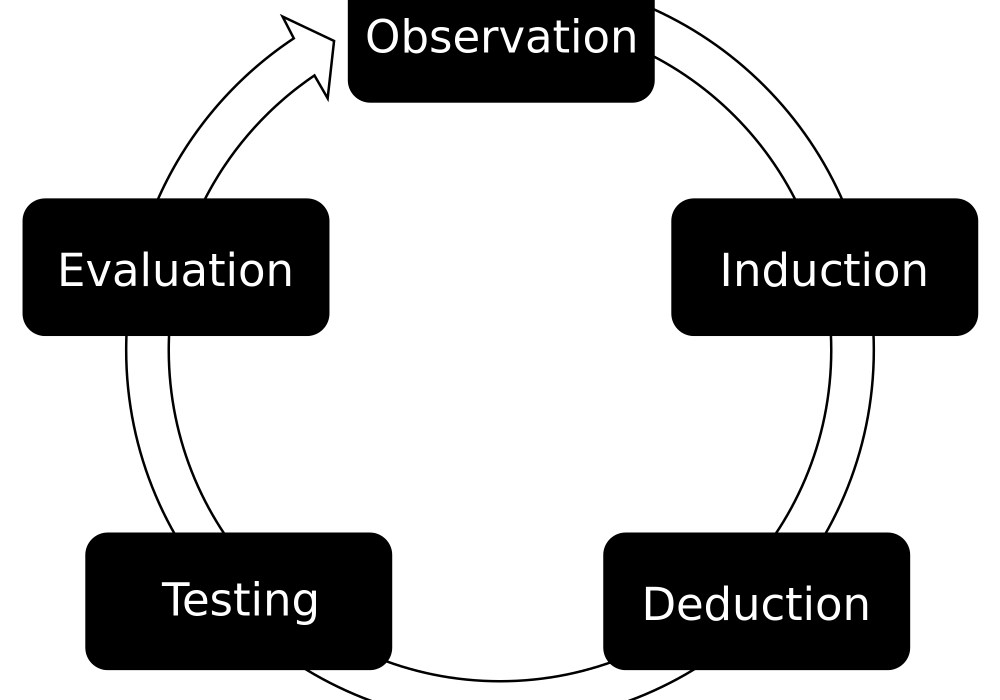
In the scientific method, experiments are done with metrics and models to find out if a hypothesis is true or not. Kendrick Lamar, knowingly or not, is constantly testing out the theory that jazz is dead, and every time he does, he proves that that is not the case. In fact, people love it all the more. As a personal advocate for theories, I believe that untitled unmastered represents empirical evidence for the value of jazz.

You need to listen to this album. I’m not going to give it a 10/10 though, because it’s not a studio release. It’s something different, but manages to still achieve a good grade regardless.

What do you think? Is my body of evidence corrupt? See you tomorrow for some theories on economics.

Tim!


Let’s Make a Jazz Record (David Bowie, Blackstar review)

I wish I knew more about jazz, other than that I like it of course. It’s one of those musical formats that permeates music culture but which is so open ended that I find it overwhelming to participate in discussion about it – Most of the time.

Today’s album review is one of those times when I feel comfortable talking about the subject matter. I think mostly because the artist handles the infusion of it rather well and because he has a solid track record of dealing with musical avenues that call for experimentation.


David Bowie – Blackstar
released January 8, 2015
********** 10/10

david-bowie-blackstar-2016-billboard-1000

If you don’t know who David Bowie is, I’m afraid to tell you you’ve missed out, and never again will you see his like. David Robert Jones, also known as David Bowie, was an English musician who played a variety of instruments, sang, wrote songs, produced records, painted, and acted in big screen releases occasionally.

My first experience with him that I can remember was the movie Labyrinth, though that was not how he got his start. With a musical career spanning back to the early 1960’s, Bowie had a top 5 hit in the UK by 1969 with Space Oddity.

If you haven’t seen the original music video you should go take a look at it right now.

Then he developed the Ziggy Stardust persona, and showed the world that he would be constantly innovating and reinventing himself for the rest of his career. Like that time he made a song with Queen called Under Pressure, and it was awesome!

Honestly, I could go on about his accomplishments and my thoughts on his legacy for another few posts, but that is not what today’s review is about, dear readers. No.

Today we are looking at Blackstar, Bowie’s curtain call and last hurrah. And before I get too sentimental and forget why we are here again, I’ll admit that this is difficult to listen to without thinking about the fact that David Bowie won’t be making any more art of the world for the world.

So with as much objectivity as I could muster I’ll say this about the album, yes it is filled with references to death, but I don’t think that it’s as obvious as all of that. This record is profound because of the talent backing the tracks and the effort put forth to create something with a unique vision.

It was his 25th studio album, and that has to mean something after all, right?

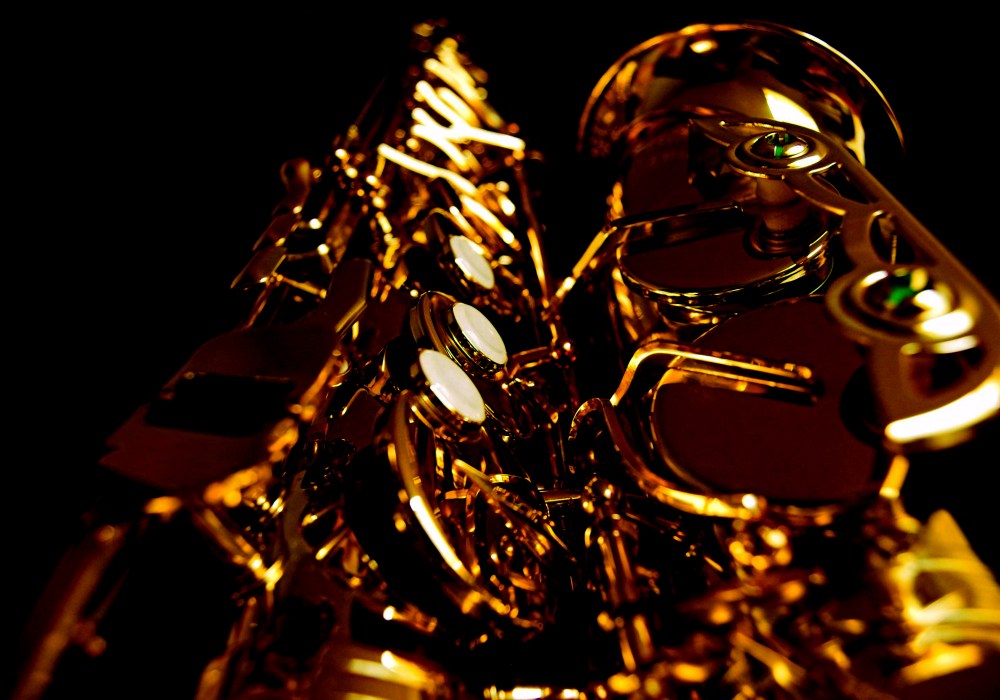
Well, I think we are seeing David Bowie at his best. The title track Blackstar is incredible, experimental, and covers some dark ground. There are jazz elements throughout the whole record, and the electronic progressions certainly aid the sombre mood of songs like Lazarus. The saxophone was Bowie’s first instrument and it makes sense to me that he use something which is associated with freedom and exploration to give us some more innovations and remind us of what he has done in the past, simultaneously.

One review I read made a very valid point that while this music will make some of us incredibly happy, others will find it frustrating and difficult to stomach. But I would argue that the inaccessibility is an indicator of just how well done this album is. Bowie’s music is strongest when there is mystery attached to it. No different than the man who made us wonder about his sexuality, spirituality, political motivations, and project choices.

For example, he played Thomas Jerome Newton (The Man Who Fell to Earth), Jareth the Goblin King (Labyrinth), Andy Warhol (Basquiat), himself (Zoolander), and Nikola Tesla (Prestige), among a weird slew of other roles.

If you think it’s all jazz, brooding, and electronic injections, think again. Girl Loves Me is a strange rap about a day that has disappeared. It is both aggressive and apathetic in each lyric.

Truthfully, if you are hoping for a clear narrative theme or explanation of what you’ve just listened to, you’re not going to find it here or anywhere else. That was not David Bowie’s intent, and he has never been one for revealing his secrets. Otherwise he wouldn’t be having fun, and we wouldn’t have gotten anything out of him while he was with us.

I’ll leave his final music videos, Blackstar and Lazarus for you, because there isn’t much that can say it better.


That level of experimentation in art is incredibly undervalued in my experience, but I think we can argue fairly easily that David Bowie handled jazz music with the respect and understanding it deserves – improvisation, syncopation and polyrhythms. Bowie took this love of innovation into other arenas and managed to be a pop artist that was whatever he needed to be.

That quality is rarely recognized and I hope as time goes one we will celebrate him properly and encourage others to take up his mantle.

See you tomorrow for a Theatrical Tuesday review my friends.

Tim!