Curating Creativity: How Borrowing Fuels Artistic Growth

Introduction

In a world where creativity is often seen as the result of an original spark, the truth is much more nuanced. 

Artists, in their various forms, are not lone geniuses creating something from nothing; we are collectors. We gather fragments from the world around us—ideas, sounds, visuals, stories—and blend them into something new.

You may or may not recall a previous post of mine, Licensed To Steal (Artist As Collector), another of my very early blog post entries and one which I absolutely can look back on with cringeworthy facial expressions and heartfelt nostalgia. Simultaneously.
In case you don’t want to take a walk down memory lane with me, and I wouldn’t blame you, I’ll sum up the concept of that previous entry for you..

I discussed the fine art of borrowing from others and making it your own. It was inspired by Austin Kleon’s TED Talk on how “nothing is original,” and we, as creators, are all influenced by the work we consume. I referenced Ryan Adams’ cover of Taylor Swift’s 1989 as an example of how an artist can transform something familiar into something uniquely their own. 

Fun fact: I also gave a shoutout to my girlfriend at the time, but funnier still is that we parted ways in the summer of 2016 and then after some time apart, she made an attempt at “a reconnect” the same night Trump was elected that fall, but thankfully I was riding off the high of my first date with Mysticque from earlier that same night… so bullet dodged.

Thanks, corner gun.
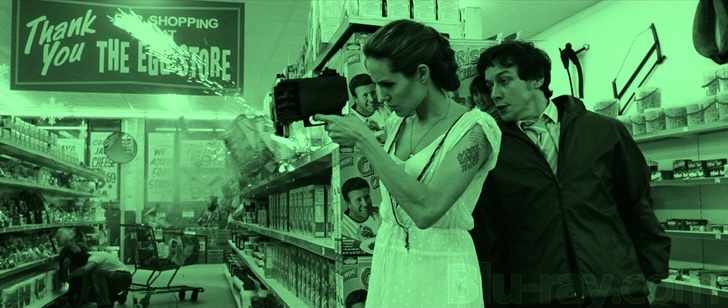
Since then, I’ve realized a few things. I still really and truly think Wanted is a terrible movie, and I don’t know how James McAvoy dodged his own bullet with that one, (read: paradox) but more importantly, that the act of borrowing, or “stealing,” goes beyond just creative reinterpretation. It’s about re-contextualizing ideas to give them new meaning in our lives.

The line between “stealing” and “creating” is often blurry. 

Every time I pick up a camera, paintbrush, or microphone, I’m gathering from the world around me. Insert my obligatory cliche.

Good artists borrow, great artists steal. Attributed to Picasso, but he could have stolen that from someone else for all we know.

Each movie, album, or conversation has become part of my collection of influences. But the real magic happens when I take these influences, mix them with my personal experiences, and make them my own. It’s a cycle of reinterpretation, where nothing is purely mine, but nothing is purely someone else’s, either.


What It Means to Be a Curator

The title of “creator” often comes with a sense of awe, as though we’re expected to manifest something out of thin air—pure, original genius. But the truth, as I’ve come to learn, is far more intricate and grounded. Being a creator is not about inventing something from nothing; it’s about finding meaning, context, and connection in the things we already have, in the influences we’ve absorbed, and in the raw materials life provides.

So, by that account, to be a curator should really mean a guardian of a collection. To be a custodian, keeper or critic of those things can have its place, for sure, but by my own definitions, a curator ideally protects and organizes things that they love, and hopefully, like a well made mixtape or a playlist for my Zennials, they pay it forward by sharing that collection with others.
For many, collecting can be an intellectual pursuit, driven by a desire to learn, to gain insight, and to preserve knowledge, but it can also be deeply personal.  In fact, Chris and I talked about this in great depth on a Confer Culture episode back in 2020, titled Collecting vs. Hoarding. We explored the psychological nuances of these two acts—how collecting is intentional, meaningful, and deeply tied to who we are as individuals, while hoarding, conversely, can reflect a compulsive, often chaotic desire to accumulate without purpose.

We discussed how, as creators, we constantly gather influences—from art, from our own experiences, from history—and how this curated collection shapes our identities and informs our creative work. What differentiates collecting from hoarding is the intent: the creator’s purpose is to transform and share, while the hoarder might simply amass without truly engaging with or curating their collection.

A Philosophy of Collecting

At its core, collecting is deeply psychological. It speaks to our innate desire for connection— they represent memories, emotions, and stories that ground us. Collecting is also about identity: the way we define ourselves by what we choose to keep, what we value, and how we express that value to the world. 
While accumulating objects might be an instinctual act, curation involves a mindful selection process. A true collector doesn’t just gather things indiscriminately; they curate—carefully selecting what enters their collection based on a set of personal criteria. This act of curation transforms a simple collection into something intentional, purposeful, and meaningful.

Our collections, in many ways, act as living journals that, when viewed as a whole, paint a portrait of our personal growth. Collecting shouldn’t be about what we accumulate; it’s about seeing how our collections evolve, reflecting the changes in ourselves as we navigate life’s chapters.

The Curator’s Process: Gathering with Purpose

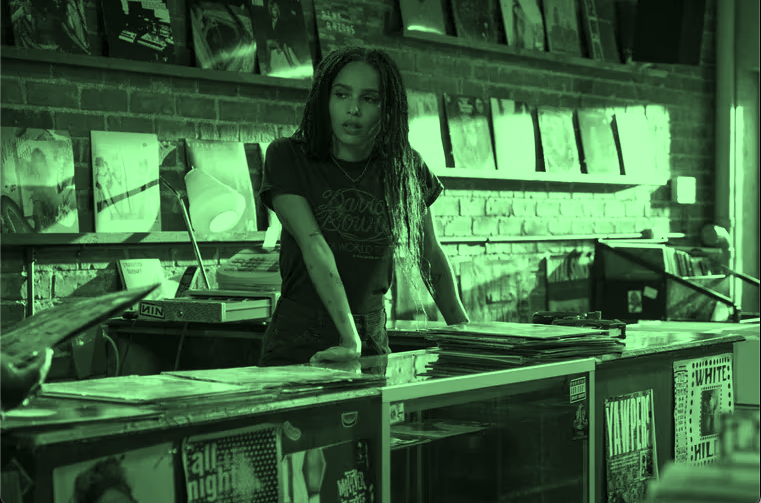
My process of curating is always deliberate. Take my Watch List project, for instance. I approach each film with a purpose—whether it’s to engage with a specific genre, explore cultural significance, or revisit films that have shaped my creative journey. Each film I watch is like adding another thread to a larger tapestry of understanding. With vinyl records, it’s more tactile. The act of going out, finding a record, and holding it in my hands feels like a sensory engagement with the past. It’s a ritual that connects me to the music, the artist, and the moment in time when the album was released. 

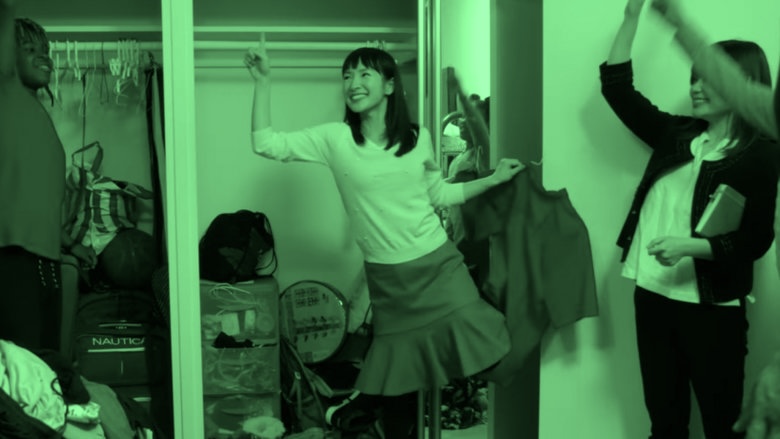
To avoid the trap of hoarding, it’s essential to ask yourself: Does this item enhance my life or creative process in some way? I love Marie Kondo’s philosophy on de-cluttering because I think it works here too. Does it spark joy? If it doesn’t serve you, don’t keep it and definitely be more mindful of adding additional pieces. A collection becomes overwhelming when it’s driven by impulse or nostalgia rather than intention.
Intentional collecting can act as the catalyst for new creative projects. For example, when curating and exploring The Watch List, I don’t just watch films for entertainment; each movie becomes an opportunity for reflection or exploration. A particular film sparks an idea for a blog post, a podcast episode, or even an art piece. This cyclical nature of collecting fuels my creative work, offering new angles and fresh inspiration.

Collections as Cultural Windows

Collections are not just personal; they also serve as cultural artifacts. The items we choose to collect speak to the values, aesthetics, and trends of particular moments in time. Take my movie collection, for example: Each film represents not only my personal taste but also a broader cultural context—whether it’s a reflection of social movements, technological advancements, or shifts in cultural norms. Similarly, music collections can reflect the sounds and styles of specific eras. By looking at the art we collect, we can trace the evolution of culture, taste, and human expression.

In my movie collection, the films I gravitate toward range from classics like Citizen Kane to contemporary works that explore societal issues like Short Term 12 or Eye in the Sky. I often joke that the movies I watch have to mean something or do something interesting, but what I really mean is that these selections tell a story about my interests—how I appreciate timeless storytelling, but also how I’m drawn to exploring the present-day world through the lens of film. My music collection does the same – each album revealing a bit about my shifting tastes, the eras I admire, and the ways I see the world and want to be shown it too.

As a collector, I’m not just holding onto things; I’m preserving pieces of cultural history.
Every item in my collection is a piece of a larger narrative—whether it’s a film that shaped the cinematic landscape or an album that became the soundtrack to a generation’s coming-of-age. By sharing these pieces through my blog, podcast, and other creative outlets, I’m inviting others to explore these stories, to question, reflect, and connect with the past. Collecting, then, becomes a way to engage with culture and to share that culture with others.

Borrowing From Life

My collections are a rich source of creative inspiration for me, if that’s not obvious yet. 

For example, a film may spark an idea for a podcast topic, a song might influence the tone of a new blog post, or a board game might inspire, ironically, a board game design. The influence of these collected pieces is subtle but constant—shaping my ideas, fueling my projects, and driving my creative process forward.

There’s a certain alchemy that happens when you start to borrow not just from other art, but from life itself. I’ve found that some of my most recent work has been shaped by personal struggles and growth, elements that didn’t come from external sources, but from within. These are the pieces I draw upon when creating, often without realizing it. Whether it’s the challenges I’ve faced in blending families or navigating career hurdles, these experiences often find their way into my projects.

In fact, I think the best artists do this all the time.

One of the things I both loved and hated about doing a bachelors of fine arts degree was the spectacle surrounding famous artists throughout history, those winners whose art gets to adorn curated mausoleums, or museums if you prefer the politically correct definition of them. But if you go looking closely enough, you can start to see that like anything, all of those artists were inspired by those who came before, and the world around them.

In an upcoming Confer Culture podcast on Character Actors, for example, Chris and I explore the way certain performers transform roles by borrowing from their own life experiences. The magic of these actors is their commitment to their roles. And I think in their ability to borrow from their lived experiences, bringing a depth to their roles that resonates with audiences.

And when I share those works with you, whether they come from me or from creators I admire, I’m still sharing fragments of my life along with those external influences.

Just as a home can become a canvas for the expression of self, so too can a career, a relationship, or even a community. In this way, the “stealing” or borrowing I do is not confined to traditional sources. Life itself has become a part of my collection.

theories Summarized

As I continue to push forward with timotheories, I’m reminded that creativity is a continual act of collecting, rearranging, and transforming. Each piece informs the next, with influences overlapping and intermingling.

The future of timotheories is about more than just gathering ideas; it’s about cultivating a community where others can share in the process of borrowing and creating together. Whether it’s through mentorship, collaborations, or engaging in deeper discussions about art, the journey ahead is one of growth, connection, and transformation that you get to benefit from. 

So, as I continue to collect and create, I encourage you to do the same. As artists, we all have the privilege of borrowing from the world around us. It’s in the way we take what we’re given and turn it into something new and exciting. After all, art isn’t about inventing something from scratch; it’s about discovering new ways to connect, transform, and share the world with others.

Your Turn

What are you collecting these days? What influences are shaping your work? How do you see the act of borrowing and reinterpreting playing out in your creative process? I’d love to hear your thoughts and see what you’re working on. Please like, comment, and subscribe to the blog. Share it where it makes sense and hug an artist after you read this.

Until next time, art tarts.

Tim!

Netflix and Take A Pill (timotheories presents: Watch Culture)

Internet culture is cool right? Reshoots and disputes and set leaks galore.

Oh wait, nope, that’s not cool at all.

It’s all just a hype machine and it sucks. Because legitimacy of so many of the films coming out right now aside (read: Justice League, Baywatch, Pirates of the Caribbean), we don’t need to spend hours upon hours of our time reading click-bait themed single paragraph articles from buzz sites, tweeting from similar newsfeeds that should be reporting on politics, and binging on YouTube video theories and opinions. I mention this because we’re talking about things which haven’t even come out yet.

It’s weird though, because culture has shifted.

You probably didn’t notice it, did you?

Yeah, funnily enough, the notion of hyping movies has been around for a while. You see dear readers, there used to be a time when we would get on a hype machine ahead of a release date, but we didn’t have a place to vomit all of our millions of ideas about it. And people didn’t capitalize on all of the theory, using their particular geek skills to funnel people Then the internet came along. And we lived a happy place between hype and geek culture for a few years.

So what happened and where’s the shift?

Culture Conundrum

Well, I think at some point publishers of ideas, and cultural icons realized that the volume of new content being created reached far beyond their own individual capacities to give opinions on it, so they instead choose to focus only on the new and glamorous, adding in their two cents as it were. Luckily for the vast majority of us, technology has shifted too and our attention spans for the new and novel are increasing, so we don’t have time to look at everything. We instead spend five minutes on one thing we care about, to then move onto another five minutes segment about the thing we care about.

Content creators benefit from this in a big way, and everyone is happy. Because we can all share in that hype machine, never really contributing anything in the way of constructive feedback and driving our subscribers to purpose.

Which is why I decided to introduce a new series of video posts called WatchCulture into the mix. In this series, I will be sharing brief recommendations on movies which have been around for more than a year, and which I think you should watch for your own cultural edification. These are going to be short videos on film, music, art, etc., which fit into the cultural norm, but the difference is that instead of saying netflix and chill, I’m going to ask you to take the red pill.

theories Summarized

You can thank André Lindo, the producer of my Cross Talk series, for this idea, and a greater insight into my own thoughts and feelings on what culture we should be consuming at any given time. Expect to see Watch Culture episodes cropping up every week, very soon.

But for now, I’ve no more theories to share. Only well wishes and a hope for a new tomorrow.

Tim!


Eh, It’s Alright (Moana review)

But what do you do if a movie is critically acclaimed, everyone loves it, and all you feel is an underwhelming meh when you think about it?

That’s the question on my mind today dear readers, and we’re about to find out why.


Moana (2016)

Cast: Auli’li Cravalho, Dwayne Johnson, Rachel House, Temuera Morrison, Jemaine Clement, Nicole Scherzinger, Alan Tudyck
Director(s): Ron Clements, John Musker, Don Hall, Chris Williams
released on blu-ray March 7, 2017
****** 6/10

IMDB: 7.7
Rotten Tomatoes: 95%, Audience Score 90%
The Guardian: ****/*****


Ron Clements and John Musker have directed a number of Disney Classics, from The Great Mouse Detective, The Little Mermaid, and Aladdin, to less popular choices Hercules, Treasure Planet, and The Princess and the Frog. Don’t get me wrong dear readers, those last three movies are all still good movies, just not as compelling as the first three.

Ron Clements and John Musker also directed Moana. Which has been critically acclaimed and much beloved by the general public. But I am just not that impressed by it.

Co-directors Don Hall and Chris Williams have a much smaller portfolio, having both worked on Big Hero 6, with Williams co-directing Bolt, and Hall co-directing Winnie the Pooh.

Disney has a history of bringing on several directors for the their films, given the huge teams of people needed to animate their films. Ultimately most of the weight falls on Clements and Musker, and they seemed like the logical choice. But I personally feel like they’ve lost their touch and haven’t really got it back. Heck, they may never get it back.

In the past I would have said that this was largely due to how dull the jokes felt and how ridiculous the characterizations were, but the reality is that those classic Disney films suffer from those problems too. No, the problem with this film is that it plays too safely to a well worn narrative, this time self-congratulating its team members for heavily researching their characters people they portray, in the hopes that they can serve up a fresh batch of disney princess without doing anything innovative.

It bothers me to no end that this feels like yet another rip on Hawaiian culture, while profiting from the people it represents. Yes it’s beautifully depicted and the songs are lovely, but who cares about these generic characters?

Anyone remember Lilo and Stitch? That was an entertaining movie and it was, as they say, authentic. Am I the only one that finds it ironic in one movie breath we hear Lilo say “Ohana means family. Family means nobody gets left behind,” and then in another movie breath we get to witness Moana completely go against tradition like oh so many heroes and heroines before her?

And let’s not forget the literally showstopper of a crab voiced by Jemaine Clement and called Tamatoa. He halts the story but good during his time on screen. Which is frustrating because he could have been a really fun supporting character.

Last, but certainly not least when we finally do meet Maui, he’s certainly not a caricature, but he’s definitely not likable either. He’s a bit of jerk with a thin character arc.

I wish the hear of this movie had a better body to house it in, because never really engaged with me at any particular point.

Pros: It’s refreshing to see a lack of a love interest in a Disney story  as done previously in Zootopia and Frozen. And the visuals are amazing. It truly feels like a getaway from the typical fare.

Cons: While it does move away from the love interest trope, it relies so heavily on other established ideas that it becomes evident fairly quickly where the story hasn’t taken any chances. It’s characters are not one-dimensional, but they aren’t engaging either.

Runtime: 1 hour 47 minutes

Points of InterestWhile the film is entirely digitally animated, Maui’s tattoos were hand-drawn into the animation, making Moana a first in over five years to feature true animation. Moana is the first Polynesian of the Disney Princesses.

I realize now that I didn’t get you much of a summary of the film, and for that I am kind of sorry. I really needed to go on a rant about this film. Because I don’t want more them to be made. 100% we should continue to support female protagonists who aren’t dictated by their personal relationships, but that doesn’t mean they need to revisit all of the other tropes that male leads have done over the past 100+ years of film.

End rant.

theories Summarized

What do you think? Did you like Moana? I hope I haven’t been too harsh on this movie. It represents a positive direction, and if Disney can help change minds with its depictions, I’m all for it. I just want to see Moana fight an internal battle or two, have some nuance in her performance. But thats my theory, after all.

Tim!

Mama’s Boy, and Girl (Mother Mother, No Culture review)

We gotta cut the strings sometime baby. We can’t rely on our mothers to coddle us forever, growing up just won’t happen otherwise.

This week’s album review salutes those movers of culture.

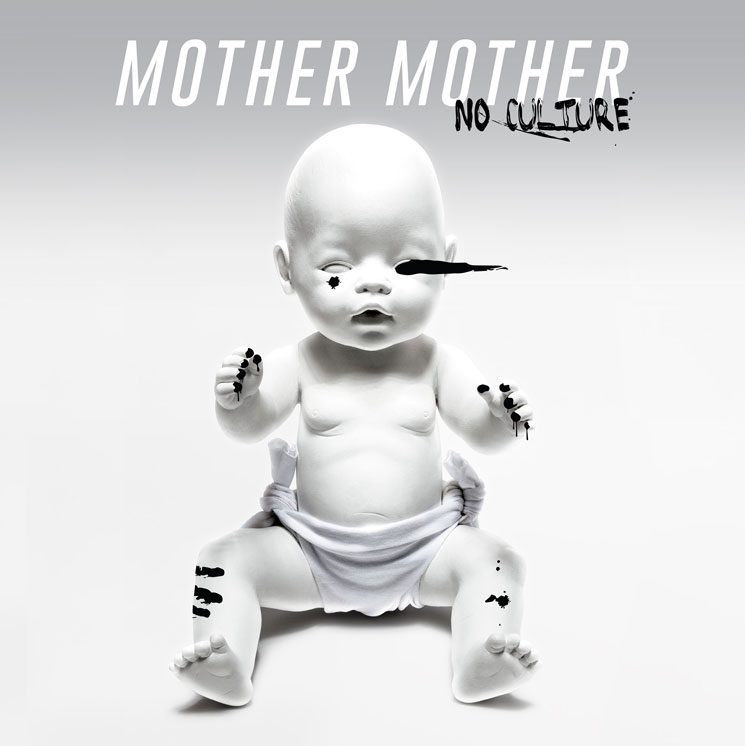
Mother Mother – No Culture
released February 10, 2017
******** 8/10

mothermotherculture

Mother Mother are a Canadian rock group from Vancouver Canada. Yay for Canadian content! Founded by Ryan Guldemond and sister Molly Guldemond when Ryan was in the midst of music school and yearning to start a vocal-driven band that focused on pop. They have released a total of six studio-length albums to-date, four of them with the Last Gang imprint, with the fifth album Very Good Bad Thing and the sixth album No Culture on Universal Music Canada.

I’ve been a fan of Mother Mother since I first saw them live back in 2013 during Sonic Boom at Northlands. They were busy promoting The Sticks, and Infinitesimal was a hot summer track that I loved.

Then came Very Good Bad Thing and more success for the quintet – at this point they were able to climb even higher on the Canadian charts.

If I were to hazard a guess, I would say that No Culture just might be the album that lands them a no. 1 album in Canada and does some breakout work in the American markets. But now I’ll have to back that up with some insights into the the record, I guess. Well, let’s start with the themes explored. This is the first album that Ryan wrote all on his lonesome with the intent of injecting himself into the mix rather than a persona or general ideas. In fact, it was a solution to his own battle with drugs and alcohol, written while he carved up some time in a cabin in the woods fighting his way back to sobriety.

The album has a strong mix of flow-state songs and anxiety inducing numbers. But it’s incredibly emotionally honest, vulnerable and allows the listener the opportunity to interpret what is being presented as they would like. An exploration of how identity often feels very different in isolation then it does when we are out in the public eye OR rather when we presenting ourselves to the world.


The album features ten tracks which all have that strong vocal-based sensibility, but in particular my personal favourites are Luck Stuck, Baby Boy, No Culture, and Everything Is Happening.

Opener track Free is notable for its strong percussion and anthemic like qualities. Quickly followed up by Love Stuck (the second single) and The Drugs (the first single) which both maintain that stadium quality, very upbeat with sharp hooks and strong vocals.

When we head into the rest of the album it doesn’t maintain this pace, but the intensity shows up in other ways – Back In School is an ode to pop punk, Mouth of the Devil plays with some dark tones and unified vocals, while Family is a sentimental power ballad.

Also title track No Culture is kind of brilliant.

It focuses on the problems which all artists that work against within the realm of pop music face, the challenge of all style-no substance. And the track makes a lot of allusions to scavengers/predators, while exaggerating how Mother Mothers critics view them. It’s definitely a highlight of the album, which makes up for weaker tracks like Letter and Worry. And I say that knowing that Mother Mother are capable of making slower tracks work for them, Everything Is Happening is one of my favourite songs remember? And how could it not be? They make a reference to the cyclical nature of music and David Bowie.

As a means of praise, and in the style of repetition, I’ll simply write this – keep on, keeping on.


As I close up this review, I recall something my first LT partner used to say to me on occasion when she was upset with my decisions, and which I now can see for the gas-lighting techniques that they are, that I made said decisions just to please my mom. She believed that I had no culture of my own, but that’s just not true, and Mother Mother it’s not that way for you. Either.

Campfire Theories (timotheories January 2017)

Yesterday I promised that I would reveal the timotheories theme of 2017, and today I fulfill that promise dear readers.

I’ve been humming and hawing on what that theme should be for weeks now, and dammit if I didn’t wait until the last minute to hope the idea would just pop into my head. Conveniently enough, when you live a fast and furious lifestyle, things happen when you need them to happen. Which is why this year I’m really embracing the notion that the culture of The Fast and the Furious series pushes on us over and over again.

No, not the theme of family, though that might be a good direction to explore somewhere down the line. It’s more eloquent than family. It’s the activity that holds the family together and which lights up their eyes – the metaphorical barbeque OR campfire.

the-best-fast-and-the-furious-memes

That’s why 2017 is the year of stoking the campfire – the ties that bind us creative professionals together. A campfire invites people together to ask questions and share stories but it also serves as a beacon, and a deterrent to that which we are afraid of – a fantastic symbol of community. And I think after almost a year of consistently writing theories and reviews, sharing resources and events with you, that I should begin the process of building my own campfire. That means putting together proper logos, marketing, and even giving valuable self-contained theories that you can take with you on the go. Its a step forward, but not without some effort on my part.


Let’s see what January looks like creative cuties.

*Disclaimer* As always, every week I purchase an album and movie one week ahead of the actual review release and while I have the best intentions, I don’t always get what I want… so if you follow me on instagram (@timotheories) you can actually see what’s coming.

timotheories summarized – January

Stimulating Sundays – (01/08) Cross Talk Ep. 15, (01/15) Byron Martin preview interview, (01/22) Byron Martin interview, (01/29) Cross Talk Ep. 16
Melodic Mondays – (01/02) Sum 41, (01/09) Gord Downie, (01/16) Kid Cudi, (01/23) The Flaming Lips, (01/30) The xx
Theatrical Tuesdays – (01/03) Don’t Breathe, (01/10) Snowden, (01/17) Deepwater Horizon (01/24) Ouija: Origin of Evil (01/31) The Monster
Wisdom Wednesdays – (01/04) Community, (01/11) Decompression, (01/18) Peggy Orenstein, (01/25) Education
Timely Thursday – (01/05) timotheories January, (01/12) Family Tree, (01/19) AGA, (01/26) Sugar Swing Dancing

My album choices are inspired by politics, mental health, and creative expression, while the movie picks are similarly inspired. Funny how those posts seem to cycle together quite nicely.

I’ve got an extra special interview lined up for January with Byron Martin, founder of Grindstone Theatre who also happens to be it’s visionary artistic director. Byron is in the process of setting up a new YEG based theatre space in the heart of Edmonton’s creative sector.

On top of that, we’ve got a couple of cool Cross Talk episodes lined up – benchmark moments in film AND life lessons we’ve learned as film enthusiasts. These’ll be fun, and who knows, you just might see the return of one of our favourite new additions to the team…

And I’m not sure if you’ve noticed, but there is some wisdom brewing on the topics of community, decompression and education… plus I’m reading a book about the western phenomenon of princess culture and how it’s marketed to our female youth. And I’ve got some timely posts about dancing, the Art Gallery of Alberta and an ongoing art project I designed for my mother.

I guess you could say I have a few new theories I want to fuel the fire with, you fine folks. But I promise that we’ll have some fun along the way, and who knows, we might just keep that bogeyman on his toes with all that warmth and light.

Tim!