The Myth of Neutrality: Why Every Creative Act Is A Political One
This one’s for the artists navigating the messy middle.
There’s a phrase that sometimes floats around creative circles like a dusty relic: “Art should be neutral.”
I’ve heard it spoken in classrooms, whispered in galleries, and dropped in art critiques like a rhetorical mic drop—as if neutrality is the highest virtue of artistic integrity. In fact, I most definitely mentally wrestled with this concept a lot when I was a wee young lad. Caught between wanting to be liked and successful in whatever art fart cliques I was travailing in (read: wailing in), and feeling a deeper desire to make art that mattered.
As if that was any less obtuse and problematic of a place to find a voice. But I digress.
Personally, I believe these dichotomies exist because there’s something to be gleaned both from operating within the rules, then narrowing the focus and experimenting once you’re confident in how the proverbial game works. Still feels incomplete, doesn’t it?
Not to worry, I’ll break it down momentarily.
The more I explore art, culture, and politics through timotheories, the more I realize: neutrality in art is a myth. The great artists of our time and decades long forgotten pushed through and past whatever was popular, whatever seemed “right”, to make statements on the world around them.
It Belongs In A Museum!
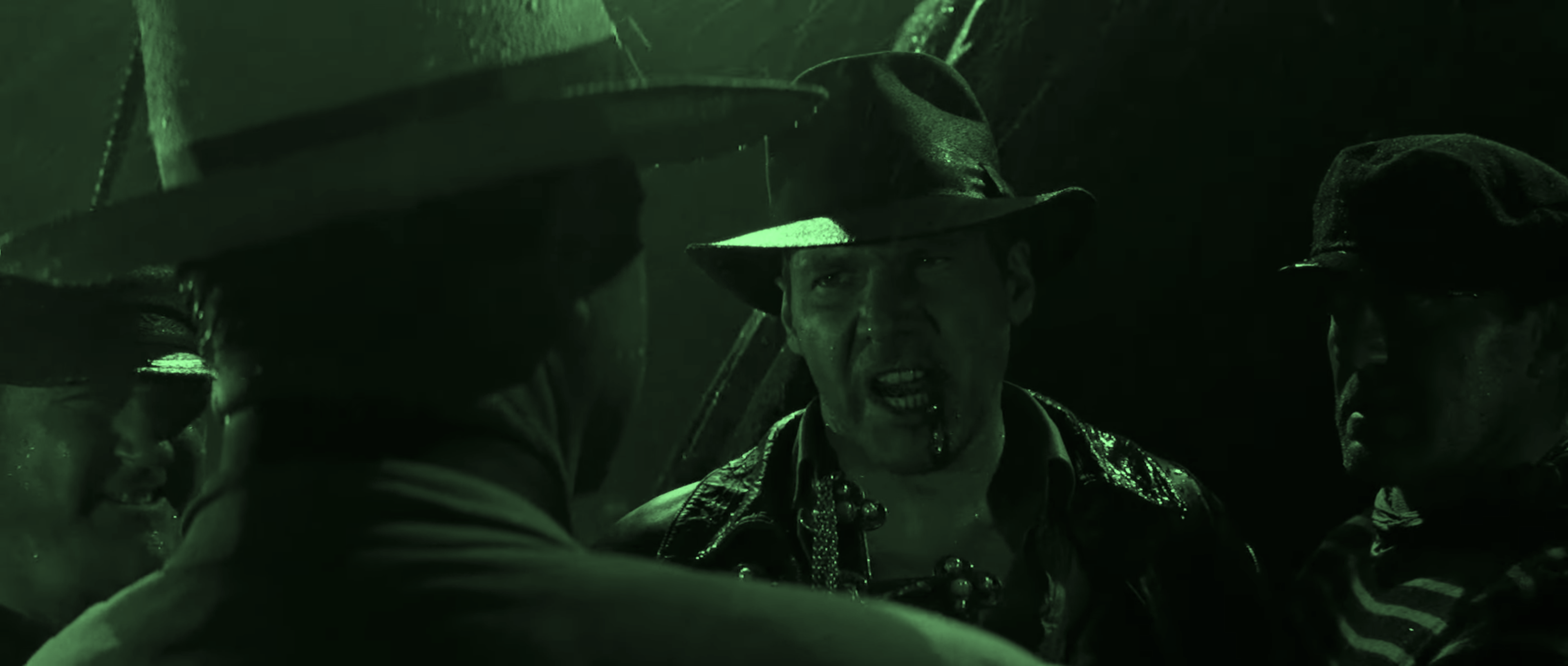
That quote from Last Crusade isn’t just a punchline—it’s a metaphor.
Now, I love the first three Indiana Jones films, and tolerate the rest out of respect for the legacy they come from, and as I sat down to write this post, the quote “It belongs in a museum!” just kept coming back to me, over and over again.
But why? You ask?
Museums have been around for thousands of years, though their form and function have changed with time. If we look back on the history of the museum — an ironic statement if I ever saw one — they’ve undergone a wee bit of work. They started as exclusive research centres like the Museum of Alexandria, the temples in Mesopotamia and even in Ancient Greece.
Which later gave way for private collections and “cabinets of curiosity” to emerge during the Renaissance. The next transition saw the formation of public museums throughout the 17th to 19th centuries, and finally many museums have nested into what we have today; sites of cultural dialogue, decolonization and identity politics.
Which is why art being neutral feels wrong to even put to the keyboard.
Honestly, it might be one of the most dangerous myths we let ourselves believe. Art is a language after all, and when we close it off from the world, it stops speaking; and that’s when problems begin.
Let’s take a step back for a moment, I think it’ll solidify my point.
I know I’ve said this a few times in previous posts, which is why the Indy quote sticks so well: when art is in process, it belongs to the artist, to grow and be nurtured, hopefully turning into something better than its parent. But as soon as art enters the cultural edifice, it belongs to the public. That’s why writing it off as decor, presenting it as a history lesson or pretending it says nothing isn’t neutrality – it’s silence masquerading as objectivity. And that’s a form of segregation.
Art Doesn’t Exist in a Vacuum
No matter the medium—film, painting, photography, literature, or TikTok shorts—art starts and ends as a reflection of its creator’s values, experiences, and worldview. Even when the author claims detachment, their choices speak volumes: what they include, what they omit, how they frame their subject, what they refuse to engage with.
The song remains the same. We can’t exist external to our environment.
In my 2016 post A Priori and A Posteriori, I wrote about how the creation and consumption of art is never purely objective. We carry our biases, our memories, our politics into the act of creating. And the audience brings their own baggage too. Art is a conversation between two loaded perspectives.
In other words, the idea of a “neutral artwork” is like claiming a documentary has no point of view.
I want you to really think on your favourite documentary for a moment, and I can assure you, within the final 1/3 or in the closing statements the director will have presented a perspective on the topic; it runs like clockwork through all forms of art.
And to save you some time… Some great examples of this are presented in 13th (Ava Duvernay), An Inconvenient Truth (Davis Guggenheim/ Al Gore), Won’t You Be My Neighbor? (Morgan Neville), The Social Deilemma (Jeff Orlowski) and Stories We Tell (Sarah Polley).
I’m not going to give away the point of each, but I will say this – a personal favourite of mine own is Won’t You Be My Neighbor? which takes a profound look into the legacy of Mr. Rogers, an icon of children’s programming, and it turns out, a deeply political artist with a vision. If you have any connection to Mr. Rogers, want a good cry, and haven’t seen it yet, I’m warning you now!
Not to belabour the point (okay, maybe a little), but let’s pivot to a slightly less serious example.
Spaceballs—the crudest, cleverest reminder that even parody has a point. Mel Brooks isn’t just spoofing sci-fi tropes; he’s poking at the guts of storytelling itself: commercialization, gender roles, recycled formulas, and the illusion of creative neutrality. When Yogurt proclaims “Merchandising! That’s where the real money is made!” it’s not just a punchline—it’s another thesis. Even the most ridiculous art reflects the systems it’s reacting to, profiting from, or trying to critique.
I want you to consider the particularly absurd moment on the transforming spaceship occupied by Darth Helmet and the President, when Mega Maid shifts “from suck to blow.” Mel Brooks isn’t just making a crude joke.
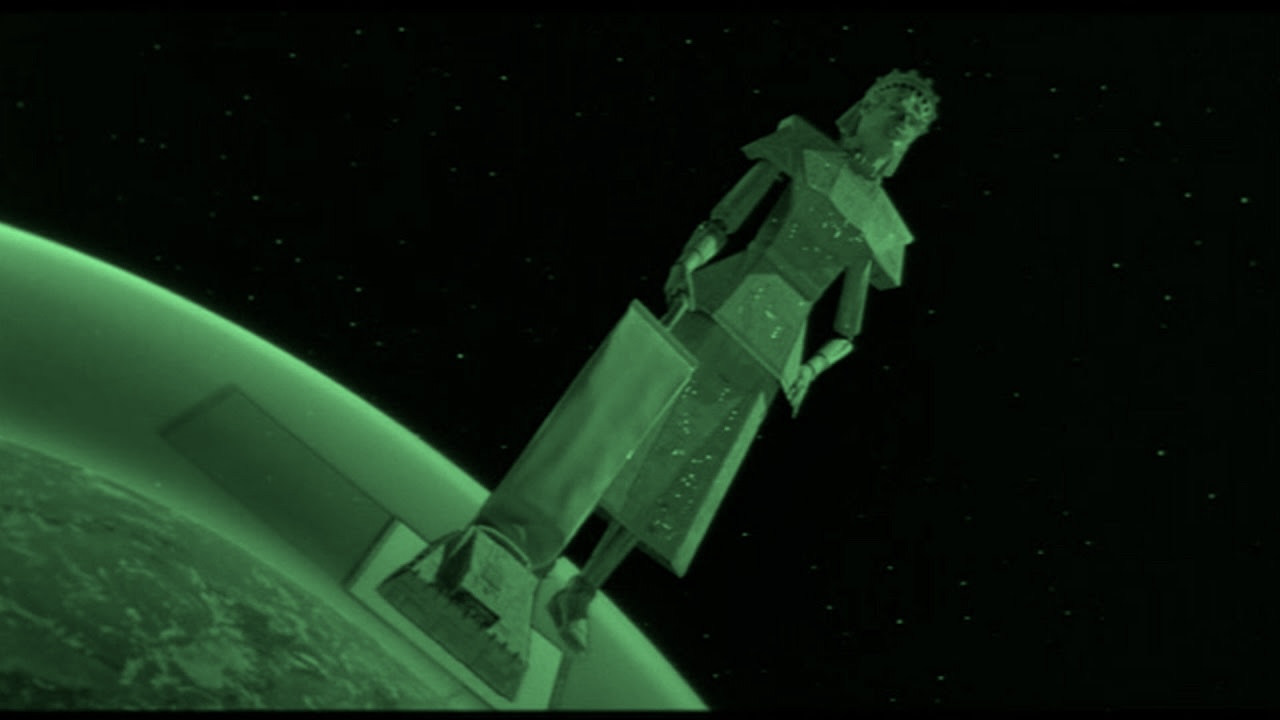
Okay, he is, but also, he’s spoofing how quickly narratives can shift from benign to destructive, from passive to invasive, and then back again. And perhaps, making commentary on the detachment that world leaders can have regarding the populaces they are meant to serve or the nations that they villainize.
Like that vacuum metamorphosis, art doesn’t operate in neutral—it always moves something, even if it’s just reversing the air flow.
Ok, and I have to do it. Chris will probably shake his head when he reads this, but yes a Star Wars reference is inbound.
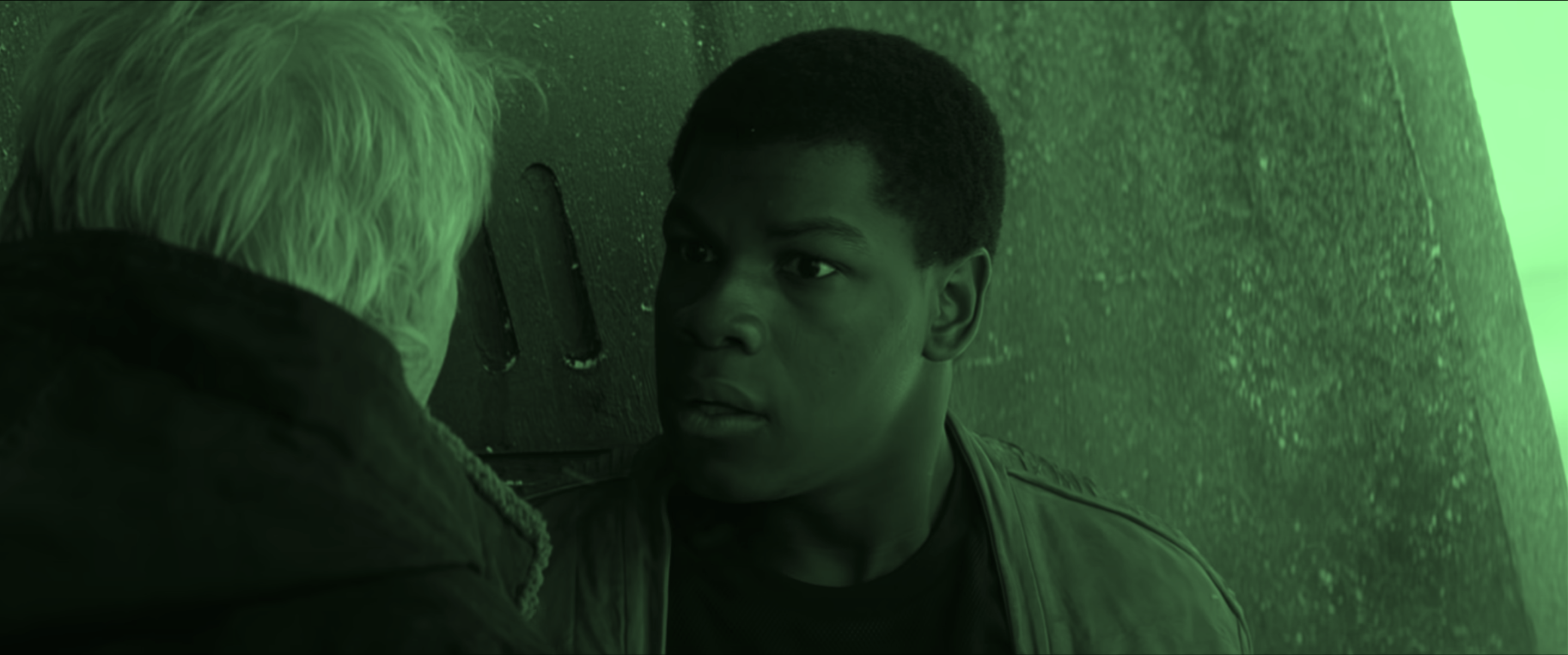
Han Solo’s exasperated retort, “That’s not how the Force works,” in The Force Awakens humorously underscores a common misconception—not just about the Force, but about art itself. Just as the Force isn’t a tool to be wielded without understanding, art isn’t a neutral entity devoid of influence or impact.
So when someone claims their work is “just art,” not political, I think of that Spaceballs scene. It reminds me: detachment doesn’t mean inertia—it just means the force is going somewhere else. Usually, unnoticed.
Silence is Still a Statement
There’s a quote often mis-attributed to Elie Wiesel that goes something like: “Neutrality helps the oppressor, never the victim.” While that’s often used in human rights contexts, it applies to creative spaces, too.
When artists choose silence on urgent issues—injustice, climate change, inequality, war—they’re not avoiding politics. They’re participating in the dominant narrative that allows those systems to persist.
In my Eco-Friendly Arts (Earth Day) post, I argued that artists have a role in shaping culture and influencing awareness. Choosing to say nothing is a decision with impact. And often, it maintains the status quo.
One of my favorite songs by Canadian pop punk band Crowned King is Turn It Up We’re Going Down. The lyrics beautifully capture this tension between truth-telling and protection, visibility and harm:
Break the silence
Let’s not break the news
Cause breaking stories breaks the hearts of children
What’s there left to do
Art that chooses silence isn’t neutral—it’s just letting someone else decide the narrative. And sometimes, the refusal to “break the news” says more than headlines ever could.
Even “Personal Work” Is Political
Another cringeworthy phrase, “But I’m not political, I just make personal work.”
Let’s break THAT down.
If you’re making work about your identity, your mental health, your body, your family, your community—you are inherently engaging with systems. If you’re a woman, BIPOC, queer, disabled, or in any way marginalized, your “personal” story is already a form of resistance on the very important topic of inclusion. The act of visibility is political.
And for those with privilege, avoiding politics is a political act. It’s the luxury of opting out.
Here’s where things get interesting for me.
While Spaceballs makes its point with parody and punchlines, Starship Troopers plays it straight—so straight, in fact, that many viewers missed the satire entirely. On paper, Paul Verhoeven’s film is a popcorn flick with great action sequences and steamy shower scenes. It looks like a celebration of patriotism and heroics, but it’s actually a scathing critique of fascism, propaganda, and blind nationalism
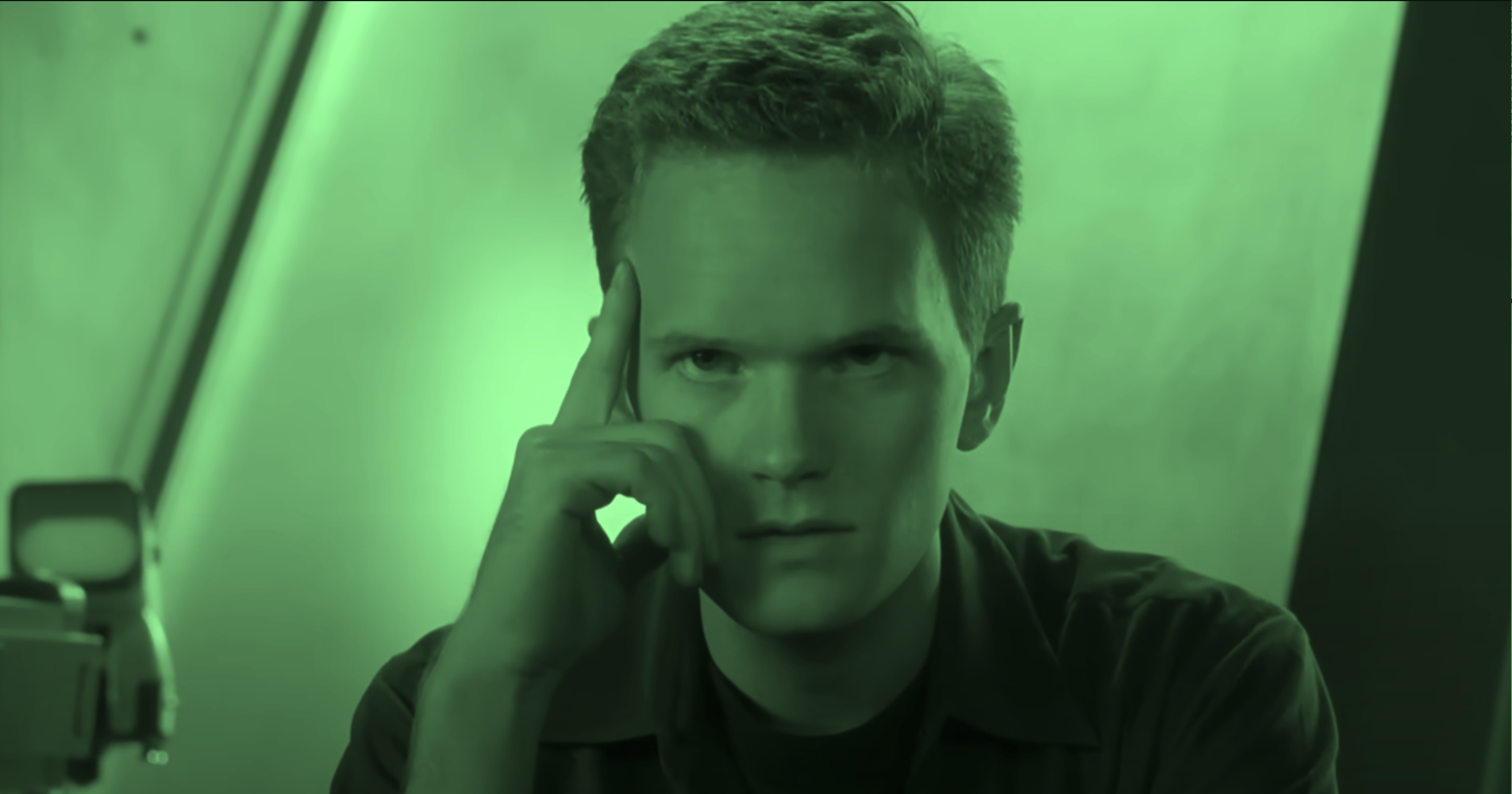
And that’s the point: even when art pretends to be apolitical—or especially when it does—it often reinforces the very systems it claims to ignore. Starship Troopers isn’t neutral. It’s deliberately baiting the viewer, asking: “Are you watching critically? Or are you just enjoying the explosions?”
Which is why that quote—“The only good bug is a dead bug”—hits differently when you realize it’s the voice of a regime, not a rebel. The film doesn’t shout its politics. It weaponizes genre expectations and makes you sit with the discomfort of complicity.
Take Enchanted, as another example.
On the surface, it’s just another fish-out-of-water rom-com, complete with spontaneous singing and animal sidekicks. But look closer, and it becomes clear: Enchanted is a sly satire of Disney’s own legacy.
It pokes fun at the the tropes of animated Disney princesses—the instant love, the gender roles, the happily-ever-afters—by dropping its archetypal princess into gritty, modern-day New York. And what happens? She changes. The film critiques the limitations of fantasy while still celebrating its emotional power. That “Happy Working Song” isn’t just cute—it’s a tongue-in-cheek commentary on labor, obedience, and the absurd cheerfulness expected of female characters.
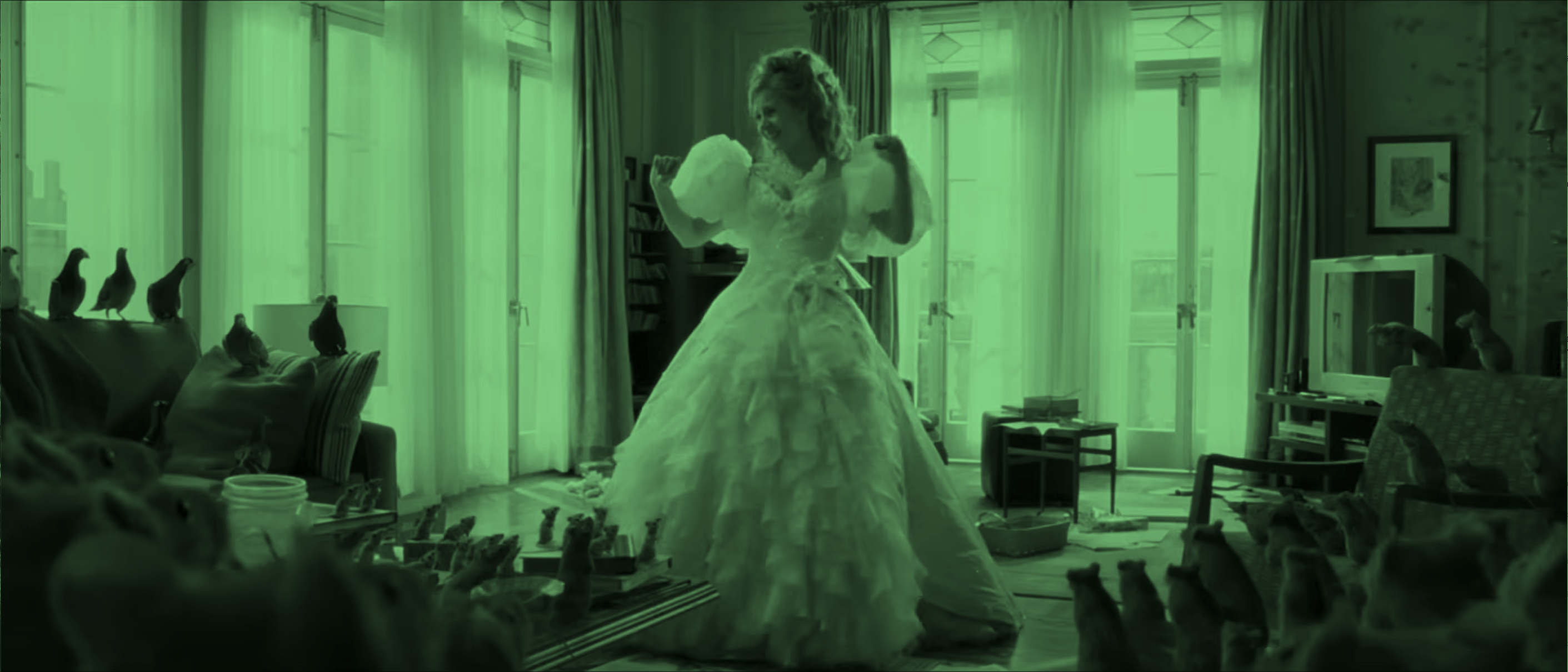
That’s what makes Enchanted so brilliant: it critiques the fantasy without abandoning it. It asks: What if the dream could evolve instead of just being escaped? And that’s just as political as anything in a war movie.
Cultural Touchstones
And now it’s time to drive the point home. Some further homework for you creative cuties. Take a look at these artists who are working TODAY; for inspiration, and take up a brush, or whatever you chosen tool is and join the fight.
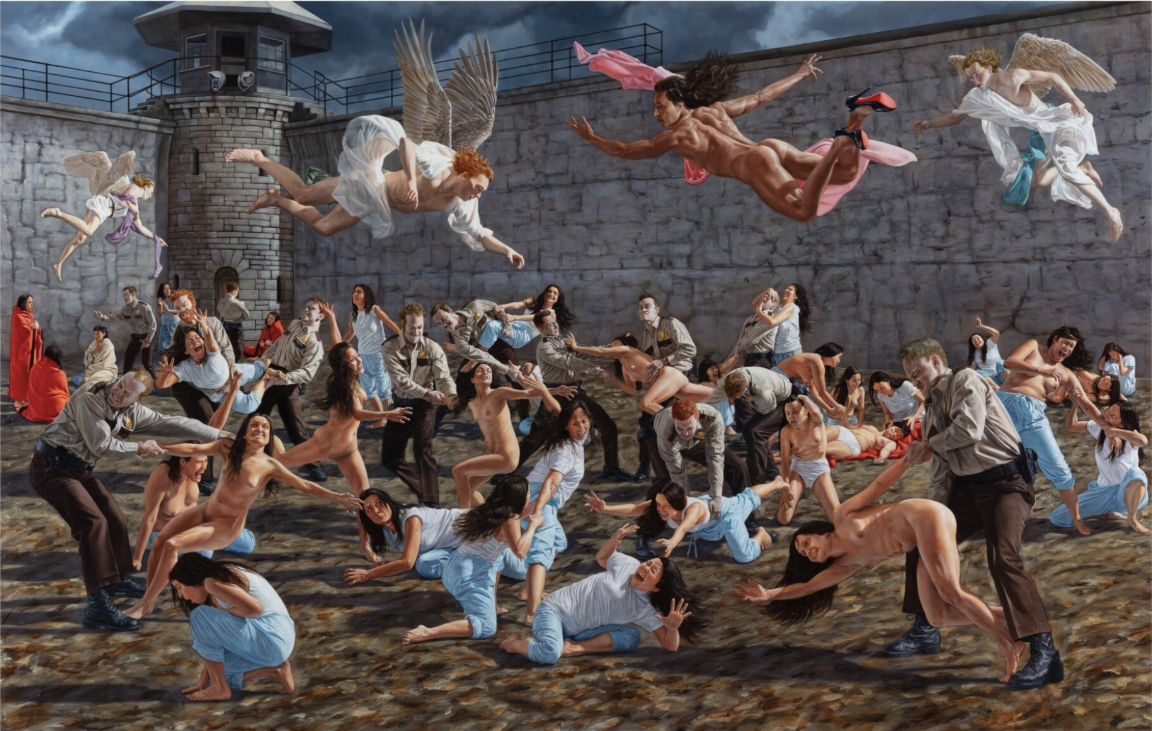
- Kent Monkman critiques the historical treatment of Indigenous peoples through a deeply political lens, even using visual language rooted in Western painting traditions.
- Rebecca Belmore uses performance, installation, and sculpture to address issues like colonialism, displacement, and Indigenous identity. Her work is often physically demanding and emotionally evocative—unmistakably political in both form and content.
- Wanda Nanibush, as both a curator and artist, challenges institutional structures through her advocacy and exhibitions centering Indigenous and feminist perspectives.
- Sandra Brewster’s textured photo-based works explore Black identity and diaspora, bringing visibility to histories often erased from the Canadian narrative.
- Films like Incendies, Antigone, and The Body Remembers When the World Broke Open show how national identity, migration, and survival are laced through every frame of story.
After all, my own Watch List has grown to include films that explore themes of quiet rebellion, fractured identity and culture shifts. And that reminds me, I’m probably due for an update elsewhere…
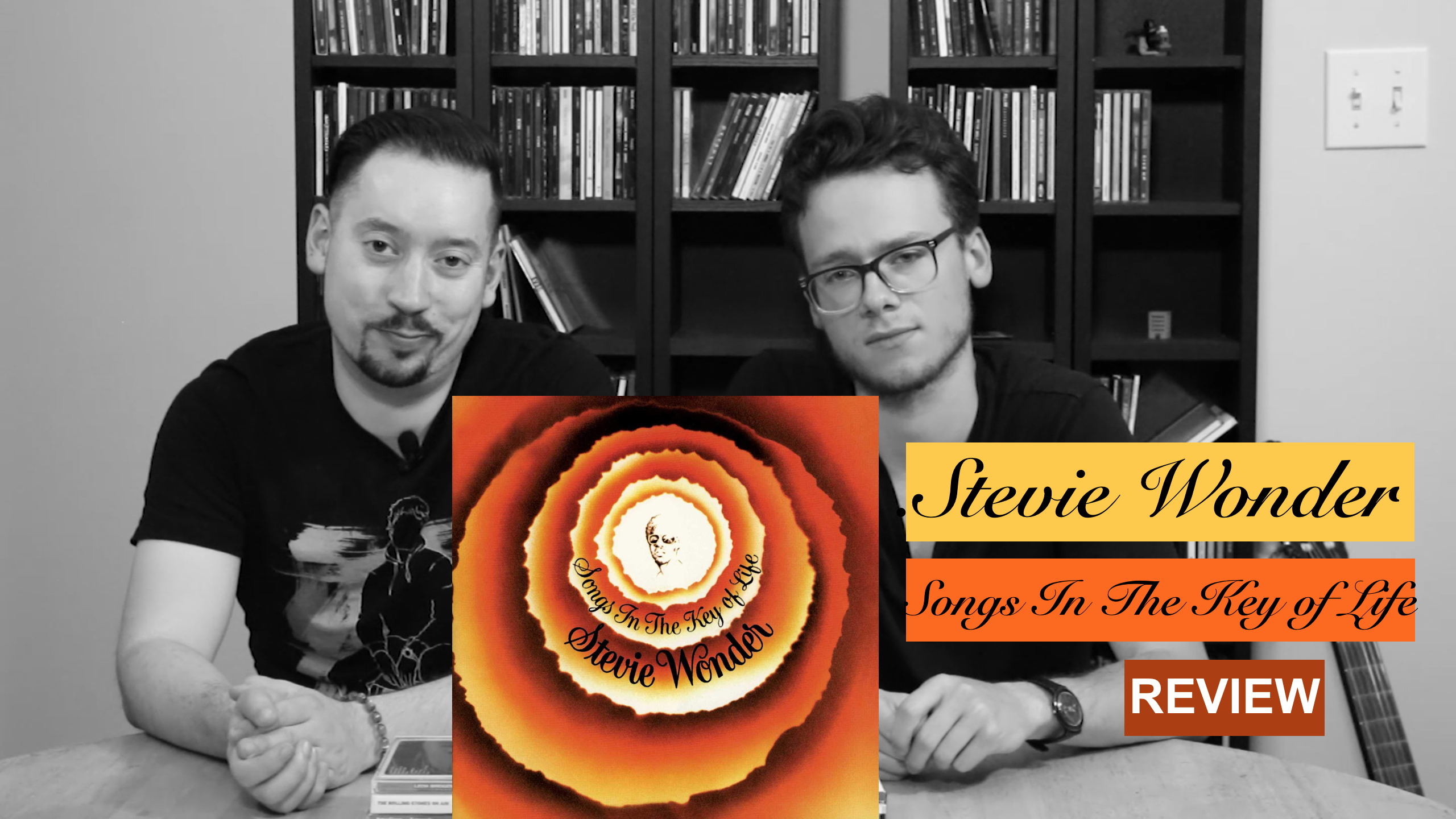
This post talked a lot about movies and visual art—but music? That’s another conversation entirely. I teased a bit with the Crowned King reference, but long-time readers might remember Sound Culture, where I explored music worth listening to with intention.
I’ve been sitting on a list of albums that shaped how I listen, and I think it’s time to unpack said list in a future post. Stay tuned for that!
theories Summarized
So what should artists do?
I’m not saying every piece of art must scream protest. But I AM saying we can no longer pretend art exists outside the world we live in. The past few years have seen a change in how we connect with the world around us – I think in many ways, creatives have insulated with the global pandemic and slowly return to the public spaces, but that shouldn’t have stifled our speech.
Use your voice. Make work that reflects your truth. And recognize that art doesn’t need to be loud to be powerful—just honest.
Because neutrality isn’t real. But authenticity? That changes everything.
What do you think? Have you ever tried to stay “neutral” in your work? Do you believe it’s possible? Let’s talk about it in the comments or shoot me a message—this is the kind of conversation that fuels creativity.
 timotheories
