The Great Digitization (Lucien X. Polastron)

Labels are a double-edged sword, if you ask me. They can provide you with valuable information about products, people, and places. But sometimes they are too simple and limiting with their direction.

Specifically when it comes to imposed labels we make for other people and ideas. What many call common sense, I call limiting perception. When we think on these labels of society, we might gain better perspective into our own assumptions and the world around us. Which is why I chose to read a book in the LABEL category this month. I wanted to think on something we are definitely taking for granted.

As always I’m going to offer up some information to remind of this ongoing process of mine, also known as the The 5 L’s of Language –

I will read one book a month from the 5 groupings below, slowly expanding the number of books read so that I reach the point of 5 books a month. A book for each group

  1. LIFE – Biographies/Art/Music
  2. LOVE – Classic Fiction/Non-Fiction/Graphic Novels
  3. LEARN – Business/Leadership/Self-Help
  4. LABEL – Philosophy/Sociology/Psychology
  5. LEET– The Internet

My goal with this of course is to share information with you that might help you avoid mistakes, stimulate your mind, and encourage you to think outside of your typical modus operandi.

Lucien X. Polastron, The Man Who Read Too Much?

Lucien X. Polastron is a French writer and historian who has focused his attentions on paper, books, the process of writing, and the history of libraries. When the National Library of Sarajevo was destroyed in 1992, it triggered his research into the history of libraries and the many examples of libraries which have been destroyed. This is something he had previously observed while working on research of history of paper.

His two most famous books are Books on Fire: The Destruction of Libraries throughout History, a historical survey of the destruction of books from Babylonia through to modern society, and The Great Digitization and the Quest to Know Everything, which examines the consequences (both good and bad) of the digitization of books.

Polastron posits that while the digitization of books is an excellent way to move forward the exchange and breakdown of knowledge, it can very easily creates parallels between book burning by restricting access to books and destroying their autonomy. Effectively removing the idea of free books altogether. For instance, if internet service providers charge for their services and publishers hold the rights to books, who polices the quality and authenticity of the information being shared.

After all, if libraries become obsolete, that means that local governments will have to fund services which they cannot control or leave very easily. It is up to us to not only move forward with technology but to also be conscious of and protective of the accuracy of these words.

It’s books that feature intelligent content and do not dumb down their theories for the reader which allow for proper mental exercise. And while this book is now a decade old, and we still have access to free information, the thoughts which echo throughout are still cautionary and relevant for a globalized marketplace.

Let’s close out this post without resorting to simple labels. Of course digitization has great many benefits. It opens up the world and creates a level playing field of information for many who don’t have access to money. Our education levels are increasing all over the world as this technology flattens and creates transparencies. With that said, I’m going to leave you with this thought.

If knowledge is power, then who is holding all of the cards?

I’m out of theories for today friends, but check back tomorrow when write something timely about Halloween. Should be spooky.

Tim!

Earn The Power of Self-respect (Bryan Lee O’Malley)

There was a time when I loved comic books, so much that I would buy new ones impulsively just to continue to round out my collection, get lost in the stories, and hold onto something I thought was real. Ironic given that I was enjoying fantasy stories.

But the thing is, just because I loved comic books, doesn’t mean I should have sworn them off for good, and then burned all of my copies in a fire of cleansing. Literally. I literally burned them all. Because I thought I was addicted. Read: WTF was I thinking. Yeah, I’m gonna come back to that story some other time. You don’t just get the good stuff right out the gate friends. You should know how the carrot dangle works by now.

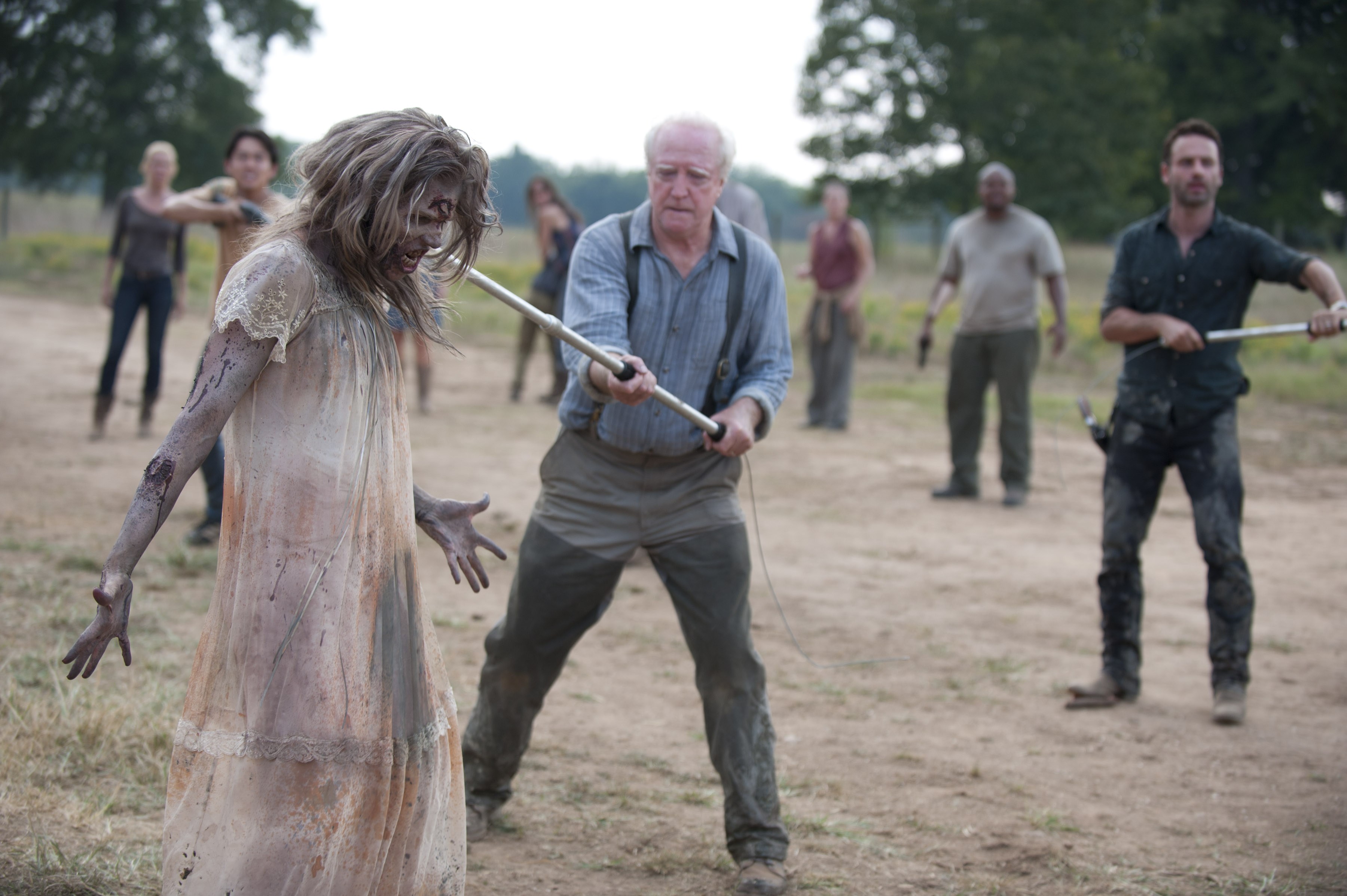
(Foreground) Hershel Greene (Scott Wilson) - (Background L-R) Andrea (Laurie Holden), Glenn (Steven Yeun), Lori Grimes (Sarah Wayne Callies), Carol (Melissa Suzanne McBride), T-Dog (Robert 'IronE' Singleton) and Rick Grimes (Andrew Lincoln) - The Walking Dead - Season 2, Episode 7 - Photo Credit: Gene Page/AMC

Yes, I’m watching The Walking Dead, and no I don’t care that I’m at least 4 seasons behind everybody. I’ll catch up quick. Like The Quick and the Dead.

Anyways. I was trying to make a point about indulgence.

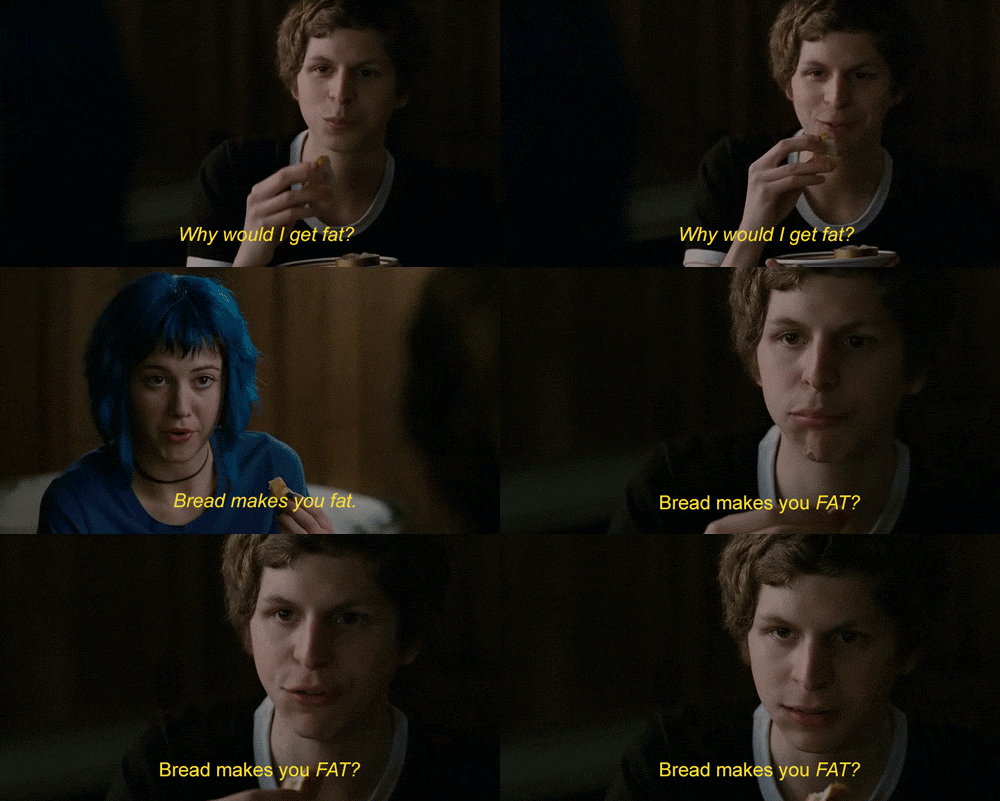
Consumption of even the seemingly healthy things you love the most can cause you to gain weight my dear readers. Physical weight, emotional weight, spiritual weight, whatever. You name it, and someone has overindulged on it.

tumblr_nrvoahglkc1u1rvk2o1_500

And it’s important to enjoy the things you love, because if you don’t, nothing else will probably fill that void. Romantic and platonic relationships are important in life for connection, but without purpose, and entertainment, which often go hand in hand if done correctly, you might as well be a zombie.

Layers.

Which is consistent with the them of today’s spotlight author. That’s right, I’m sharing another post on the The 5 L’s of Language, because I know you need nutrition, and I promised to read the book I bought for my sisters birthday and which she wanted me to read so we could talk about it. So I did it Katrina, and I enjoyed Seconds. I really did.

But before I dig in too deep, we should run a quick refresh of what The 5 L’s of Language are all about –

I will read one book a month from the 5 groupings below, slowly expanding the number of books read so that I reach the point of 5 books a month. A book for each group

  1. LIFE – Biographies/Art/Music
  2. LOVE – Classic Fiction/Non-Fiction/Graphic Novels
  3. LEARN – Business/Leadership/Self-Help
  4. LABEL – Philosophy/Sociology/Psychology
  5. LEET– The Internet

I might be beating you over the head with this concept, but even I need a reminder now and then, and if The Devil is in the details, lets make sure we are thorough to avoid conviction. Today we are looking at Bryan Lee O’Malley and his particular brand of creativity which often shines right through in his illustrations, writing, and sometimes music. O’Malley authored the Scott Pilgrim series after all, and thus the theme at hand is LOVE. Because graphic novels.

Bryan Lee O’Malley vs the World

O’Malley doesn’t take himself too seriously. Well, at least not anymore. When he dropped out of film school and decided to create his first graphic novel, Lost at Sea back in ’03, it didn’t go over well with anyone. Especially not his friends. They were expecting him to put together something fun and irreverent, because that’s how he views life and that’s how his interviews come off when you read a bunch of them in a row.

But then he wrote Scott Pilgrim’s Precious Little Life and seemingly exploded over night, even gaining the attention of film studios. Which is how Scott Pilgrim vs the World got made.

He makes art that combines video games, martial arts, romance, manga, and music all together in a sort of collage of pop culture. I immediately got what he was going for, because I grew up with all of those things around me. Almost to the point that I felt like it was a chronicle of my own fantasies. Which is impressive.

Scott Pilgrim, Seconds, and now Snotgirl, all have that manga look to them. But where Scott Pilgrim focused on martial arts and video games, Seconds was more about food culture and folklore. It was definitely a step away from the Scott Pilgrim books, movie, and video game. Seconds was definitely more mature than I initially expected too, though it was a shorter book, so it didn’t have time to run into the details and explore as many characters.

My point with this post is this friends. Make things that you love, because Bryan Lee O’Malley did, and even though he found a huge opportunity, I’m willing to bet a loaf of bread that he would’ve been happy no matter what success he got once he took a second attempt.

Check out his website here for more information, and this interview for some insight.

I’m out of theories for today, but check back tomorrow when I give you my own update. Should be a good one.

Tim!

Death Of The Superhero (Alan Moore)

Another month, another post about The Reading List, my ever-faithful and dear readers!

In case you haven’t read that article yet, which is okay, because I’ve only been writing about it once a month, I’ll give you a quick update.

The Reading List

Every month, I turn back to The Reading List for another book to read and another artist for you to consider in your own personal journey. My goal with this project is simple, I am challenging myself to read one book a month from 5 particular groupings. The 5 L’s of Language as I’ve come to call it.

  • LIFE – Biographies/Art/Music
  • LOVE – Classic Fiction/Non-Fiction/Graphic Novels
  • LEARN – Business/Leadership/Self-Help
  • LABEL – Philosophy/Sociology/Psychology
  • LEET -The Internet

But before I dig into this month’s grouping, I’m going to share with you something of an anecdote.

Alan Moore and The Killing Joke

A few weeks ago, I wrote a film review about a movie which had finally been adapted from a beloved stand-alone graphic novel. A story which has since inspired a generation of artists and furthered an ethos about the importance of Batman as a popular cultural icon. That review was on The Killing Joke, originally created by Alan Moore and Brian Bollard.

You see friends, the movie I reviewed was not endorsed by either party, and is definitely not a faithful adaptation.

The Killing Joke is well known in the comics community and has slowly been incorporated into other Batman media outlets like film and video games. Many critics considerate it to be the best Joker story of all time and one of the key Batman stories to read. I happen to agree with that last statement. And as I also mentioned in that review, Alan Moore has expressed personal regrets about ever having written it.

The logic from Moore being that he wanted to expand upon ideas of what superheroes were and could be, to reinvigorate the industry with silly and fun stories, radical stories, stories that made you consider them and recognize how bizarre comic books truly are. A challenge to the continuity and mythos of superheroes. But after Alan Moore made that story, the industry continued to darken and darken as a consequence, and the industry has never really snapped back since that dramatic shift.

But did you know that The Killing Joke was made in 1988 and is preceded by two other well known stand alone stories that Moore wrote? V For Vendetta also came out in 1988, and the  Watchmen series had previously wrapped up in 1987. Watchmen is in fact the first story to really breakdown the superhero genre in an epic way.

And both of those films enjoyed their own adaptations, also criticized by Moore for stripping the source and energy of the original stories. You see, dear readers, Alan Moore is the type of artist that believes in comic books, but has such a respect for them that he would rather he remove has name from any film adaptations then work with movie studios to produce a variation.

As a consequence of that rationale, rights have been sold for other Alan Moore works – From Hell, The League of Extraordinary Gentlemen, and Constantine.

This demonstrates rather well the power of his storytelling ability, the success he has had in the comic industry, and also the confidence he has in not compromising his art in order to make money.

Which is why if you haven’t guessed it yet, the grouping of the month is LOVE, because I love Alan Moore’s graphic novels. His spiritual and political views are somewhat different than my own,  him being a ceremonial magician and anarchist, but I think that adds to his value as an artist you should watch, because he brings an incredible dedication to his work and the best way to become a well rounded individual is to remove barriers and ignorance.

I’ll leave you with this quote from The Mindscape of Alan Moore, and let you ponder his frankness.

Yes, there is a conspiracy, indeed there are a great number of conspiracies, all tripping each other up … the main thing that I learned about conspiracy theories is that conspiracy theorists actually believe in the conspiracy because that is more comforting. The truth of the world is that it is chaotic. The truth is, that it is not the Jewish banking conspiracy, or the grey aliens, or the twelve-foot reptiloids from another dimension that are in control, the truth is far more frightening; no-one is in control, the world is rudderless.

What do you think? Have you read any of his work? Do you think he’s a genius, a lunatic or a bit of both? I have a theory or two on it.

Tim!