She Paints (Edmonton Valley Zoo)

Zoos are controversial, apparently.

Some people think that we shouldn’t cage animals, like at all. Because of a few different reasons of course.

And they just might be right.

  1. Captivity can make animals unstable. Zoochosis is a condition where some animals pace back and forth, others injure themselves, and the rest seem to move their heads from side to side or back and forth frequently.
  2. Zoos are profitable businesses. This means that baby animals are traffic drivers but older animals are not, and are often sold off.
  3. Endangered species don’t live in zoos. Lots of zoos claim to care for rare animals and breed them for longevity of the species, but not for preservation.
  4. Limited education opportunities. Signage out front of animal displays only cover the basics, animals don’t exhibit normative behaviours, and people spend little time at each display.
  5. Enclosures are dangerous. For animals anyway. They eat thrown away trash, sometimes face negligence, and are a secondary consideration in the event of natural disasters, like floods and wildfires.

Walk With The Animals

But I wanted to visit the Edmonton Valley Zoo for myself this weekend. It reminds me of my youth, its located in the heart of the river valley, and it’s open every day of the year except for Christmas day. Owned and operated by the City of Edmonton, this zoo has by accredited by the Canadian Association of Zoos and Aquariums.

I know it’s weird for me to write about a zoo, which has little to do with the arts, except I’ve known an artist activist or two in my lifetime, and there is an elephant there who likes to paint sometimes. If that’s a thing, and not training.

It’s a big part of Edmonton history, just like Fort Edmonton Park. Founded back in 1959, replacing the Borden Park Zoo which was on the property that currently serves as Northlands, it was called Storyland Valley Zoo up until 2010, when it went under some major renovations. Why Storyland? Because a big section of the park featured nursery rhyme characters.

The zoo is also home to over 350 animals (both exotic and local, including hundreds of squirrels) and it houses over 100 different species.

Edmonton Valley Zoo regularly hosts events and raises funds through conservation efforts – the Makira Conservation Fund, Red Panda Network, and the Species Survival Plan to restore endangered animal populations to the wild. And things like letting children take on the role of a veterinarian of an animal hospital to see what zoo veterinarians do. After Edmonton City Council decided to inject $50 million into the zoo, we’ve seen the property expand to one and a half times its previous size. The Arctic Shores exhibit and The Wander Trail being key elements in the facelift.

Additionally the zoo is home to the Inner Zoo (formerly Storyland Valley Zoo), Makira Outpost, Carnivore Alley, Elephant House and Exhibit, Saito Center, African Veldt, Back Paddocks, and the Birds of Prey area.

So there are two sides to this story of whether captive animals are happy or not.

But let’s talk about Lucy for a minute.

Lucy

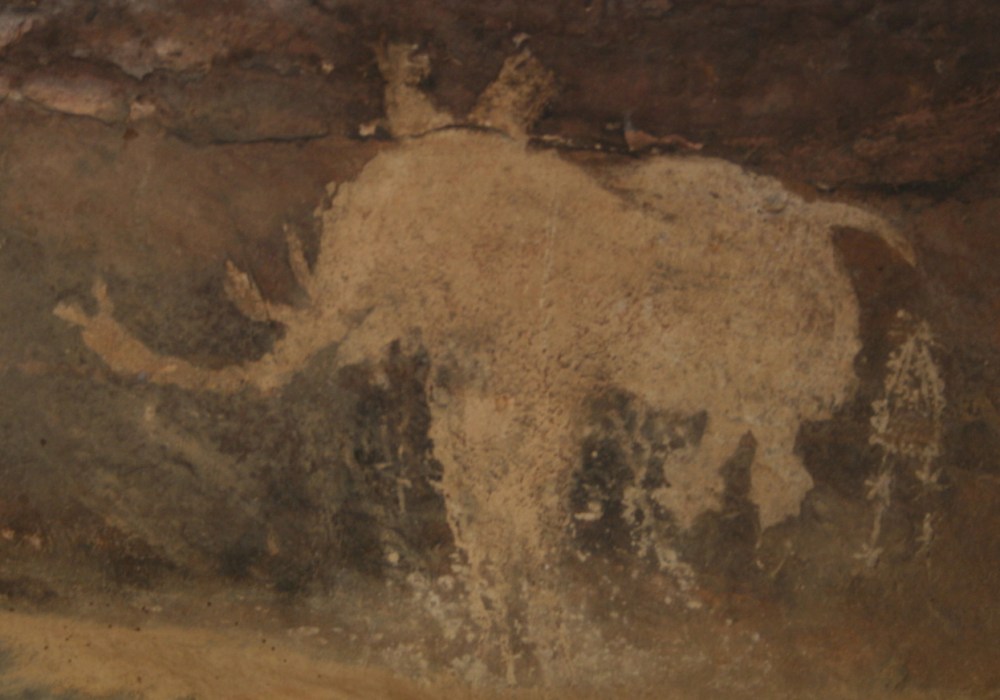
Lucy is the elephant which lives in the Elephant House and Exhibit – at over 4000 kg and forty two years young.

Something of a charmer, and called a peoples elephant by her adoptive herd, she visits with the public at least few times a day and supposedly loves to spend time with her zoo family. Many people have come from all over the world to see Lucy, and we’ve seen our share of protestors ready to come and rescue her from the zoo, including Bob Barker of Price Is Right fame. Lucy was orphaned in Sri Lanka and was brought to the Edmonton Valley Zoo through partnership with the Pinnewala Elephant Orphanage and Colombo Zoo when she was two years old.

theories Summarized

Do I think zoos are inherently evil? No. Do I think they are awesome? No to that too.

People have been domesticating animals since we’ve been able to, and the same can be said for eating them. I generally hold the opinion that eating meat is an acceptable way to go, but I’m not overly stoked at the prospect of it. That said, the zoo is a place to go and see beautiful creatures, living and breathing. As a visual artist, I firmly believe that seeing something in person is far better for your creative eye then on film, but I’ll let you battle that out in the comments. Theories and all.

I’m off to the zoo this weekend? How about you?

Tim!
What’s In A Name? (Defining The Term Artist)

The visual arts are probably the most complicated of the creative fields to pin down. I mention this because it can take many forms from two-dimensional examples of drawing, painting, printmaking, and photography, to three-dimensional with ceramics, sculpture, video, and filmmaking, with fashion, crafts, design, and architecture existing in both realms.

Then you have your visual arts which also exist as theatre – performing arts and conceptual art.

You see dear readers, there was a time when the term artist represented fine art only (painting, sculpture, and printmaking) and anyone interested in handicraft or applied art was considered a craftsperson but not an artist.

This distinction existed until the 20th century, and it has taken over a century for it shift so that artist and art applies to multiple disciplines. Which can lead to some strange conversations among artists, with elitism still on the minds of fine artists and prejudice existing in all camps.

384869_258833694180825_1867183013_n

As a graduate of a fine arts program myself, I’ve witnessed the distinction that professors, graduate students, and art historians make between fine art and other arts. What is even more difficult to swallow is that all the while that the older forms have a history and perception of “artist as genius” to them, the modern world laughs at the usefulness of such a profession.

There is a social stigma that if you are an artist you are naive, irresponsible and very likely financially poor. Morally too in some cases.

This conveniently happened around the same time that the “artist as genius” phase fizzled out, and the definition of artist began to broaden. As fine art became a commodity which had to be traded and in demand to gain recognition, it fit in very nicely with the already established forms of craft and applied arts (design, fashion, architecture) which business owners would pay for and have direct input in the results.

So where does timotheories fit into this landscape you may ask? I say why not both? Why can’t we elevate all art into a realm of marketable worth as well as recognizing the unique qualities required to create any sort of work, whether it be fine art, craft, theatre, or applied art.

I have this theory you see, that we’ve moved out of a post-modern mindset (one of deconstructing everything around us to see how it works and showcase intellectual superiority) to an age of modern craft. All artists need to become experts in their chosen form(s), and learn the proper marketing skills, finance skills, and communication skils in order to share their work with the world around them.

Minecraft_Modern_House_2015_03

timotheories supports the rights of artists to be successful at the profession of creating social value and entertainment for all people, and getting paid to do it.

I personally have always been driven by a myriad of artistic vehicles, so I can’t even favour one over the other because I don’t want to. I love drawing, painting, sculpture, filmmaking, writing, and performance art all the same. And I know that dabbling in photography, printmaking, design, and craft are ways that I express my ideas and creative ability just as well.

So for the sake of furthering the ambitious nature of this blog, I’m going to start sharing my own artwork with you, my friends, so showcase what I’m creating, receive critique, sell my work, and especially provide some insight into the entire art-making process.

Expect some cool collages in the coming weeks and if you’re lucky a powerful painting or two!

And in case you’ve been following the March schedule and noticed a couple of things out of order, I haven’t released the Paige Knickle interview yet, and that’s my bad. Due to some communication issues, the interview isn’t quite ready yet, so I’m going to publish Cross Talk Ep.3 next Sunday as planned, and then the interview will be ready for the 27th. We’ll have to bump the routines of famous creatives to April.

But I bet the wait’ll be worth it.

And that’s all he wrote. Please leave comments, follow/subscribe, and check in tomorrow evening for a Melodic Monday post.

Tim!

Work Smarter, Part 2 (Art Hacks)

Last week on timotheories, we gave you dear readers a top 10 list of skills to invest in.

That list was good for anyone looking to improve, but I originally wrote the topic because artists need help too and sometimes we don’t go looking in typical channels for it.

Which got me to thinking.

Because timotheories is all about that ace, better known as the arts, we’re bringing back the life hacks for a more in-depth solution for artists. This time let’s focus on technical hacks.

Below is a list of the top 15 art hacks I’ve come across in my travels as an artist. I’ve scoured the internet (links at the end of the list) and have included some hacks which I have used, some I’d like to, and some I personally believe would benefit anyone who is creative and has a lot of projects on the go.

What is great about a list like this, is that it allows you to contribute to the discussion, and who knows maybe one of you has a hack we’ve never even considered… Now let’s dig in.

Here are my top 15 technical hacks, in no particular order.
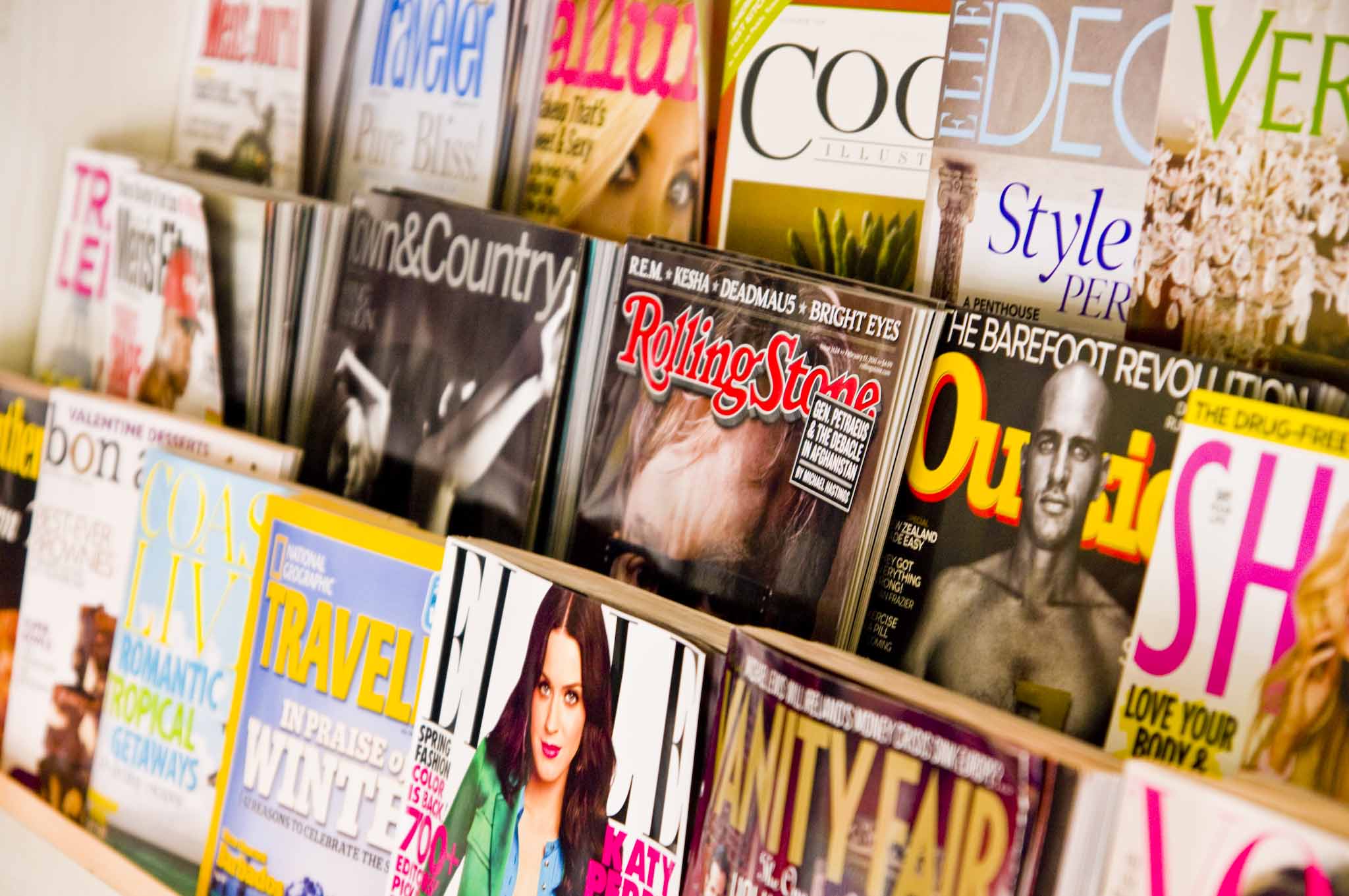
  1. Organize your loose files, papers, and canvas by installing magazine racks or shoe organizers. Also consider an old suitcase for organizing collage and scraps.
    5453225597_97ccaa3909_o
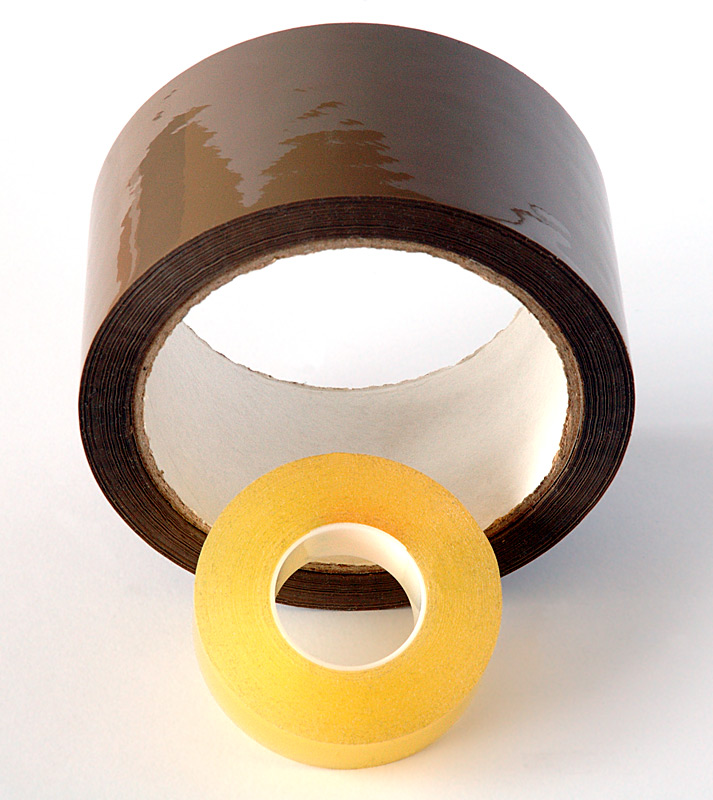
  2. Never struggle with tape again – use paper clips or bread clips on one end of roll to keep your place OR put tape in the microwave briefly (5-10 seconds) to soften it up and find the end.
    Sticky_tape
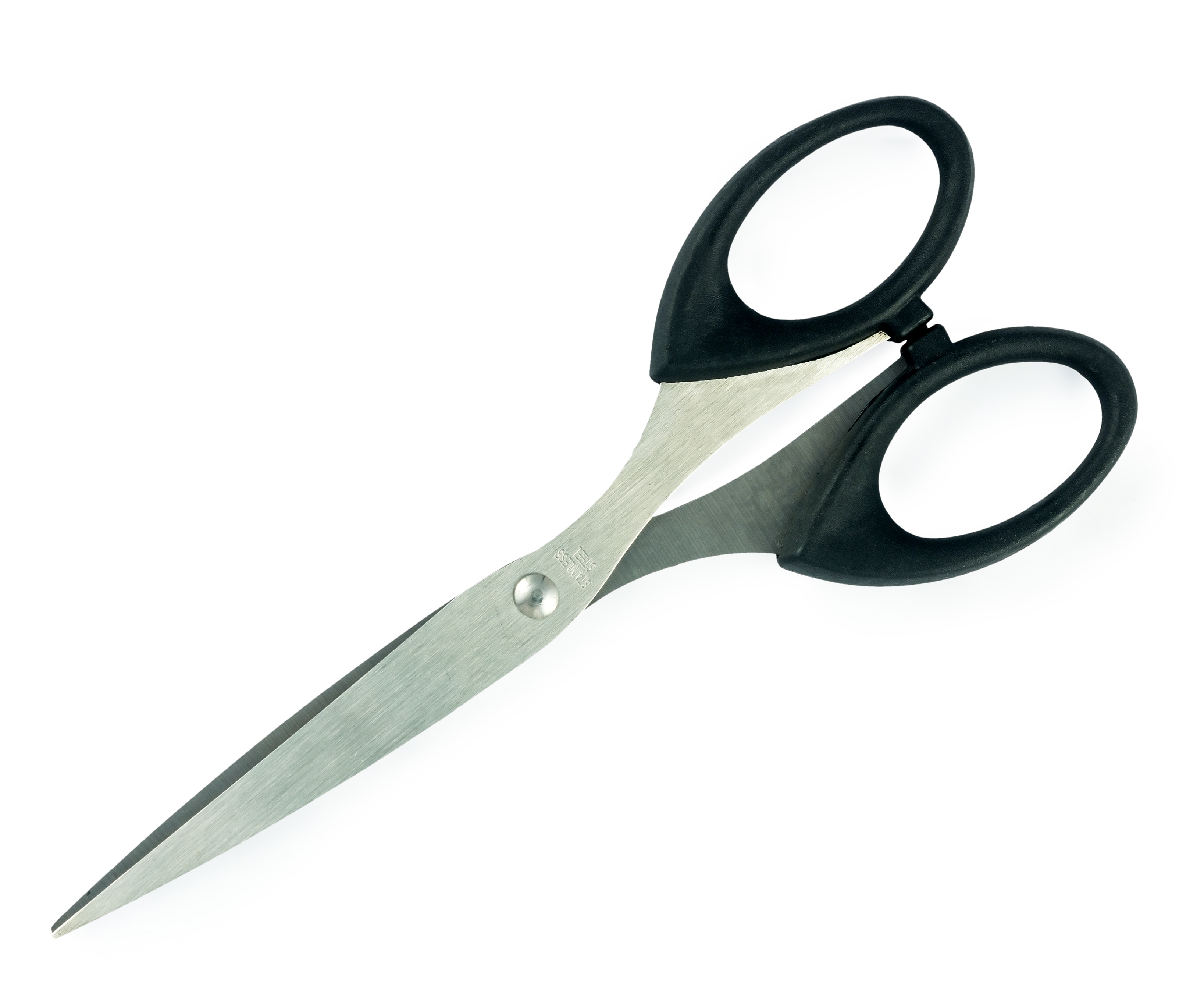
  3. Keep scissors sharp by folding aluminum foil over itself a few times, then cutting through it until satisfied.
    Pair_of_scissors_with_black_handle,_2015-06-07
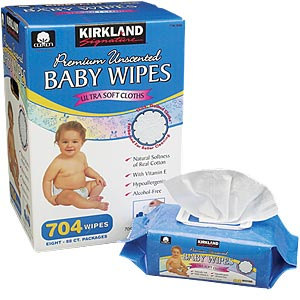
  4. Remove oil paint from your hands with baby wipes. For when water and soap won’t work.
    16127151040_6e407c1643
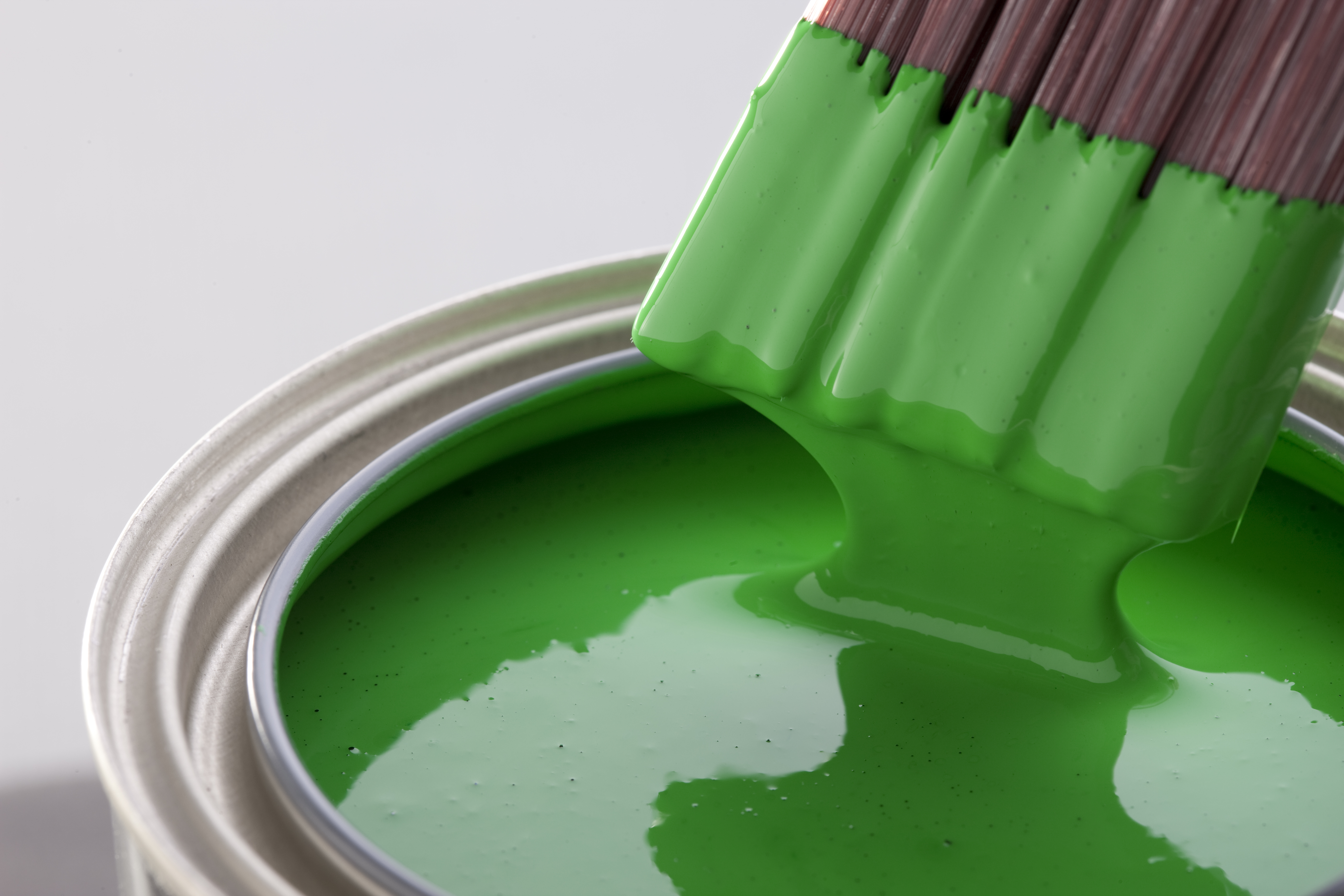
  5. Maximize your paint can/jar/tube lifespan – put rubber bands around cans to wipe brushes, saran wrap over tubes before adding the cap, take extra paint from the jar and store it in a sta-wet palette OR a plastic container in the fridge. When your jars are stuck, open them with a strip of duct tape – half on the lid, half as a handle.
    10481755764_dbc51ab991_o (1)
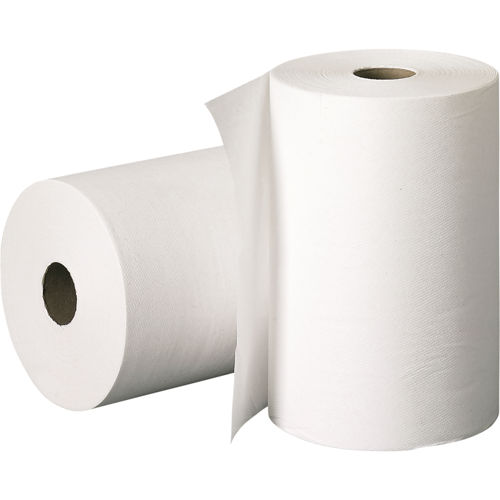
  6. Paper towels can save your drawings life. Place a non-textured towel where your arm would rest to reduce and even prevent smearing.
    500-117176-847__1
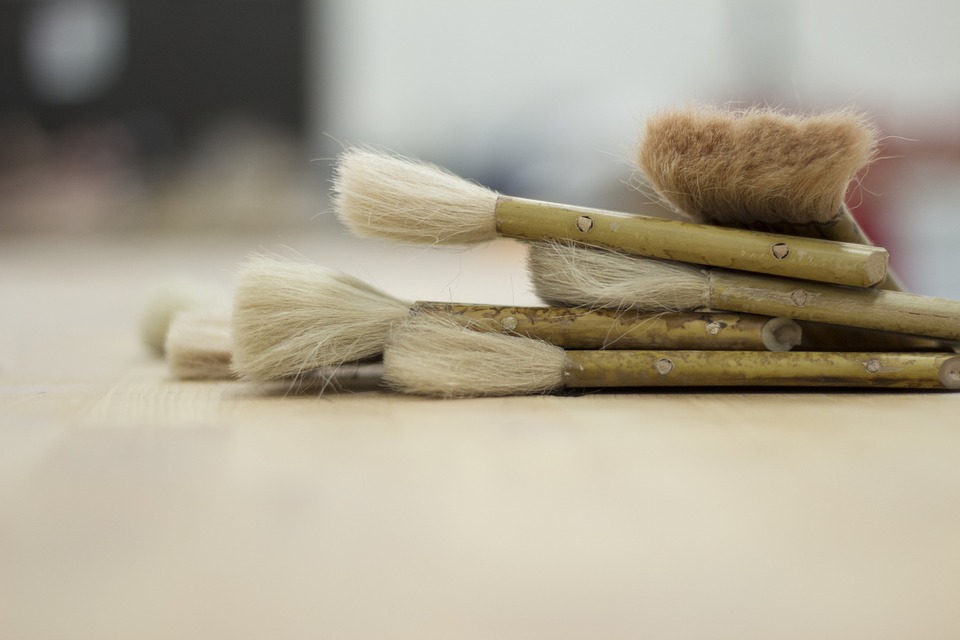
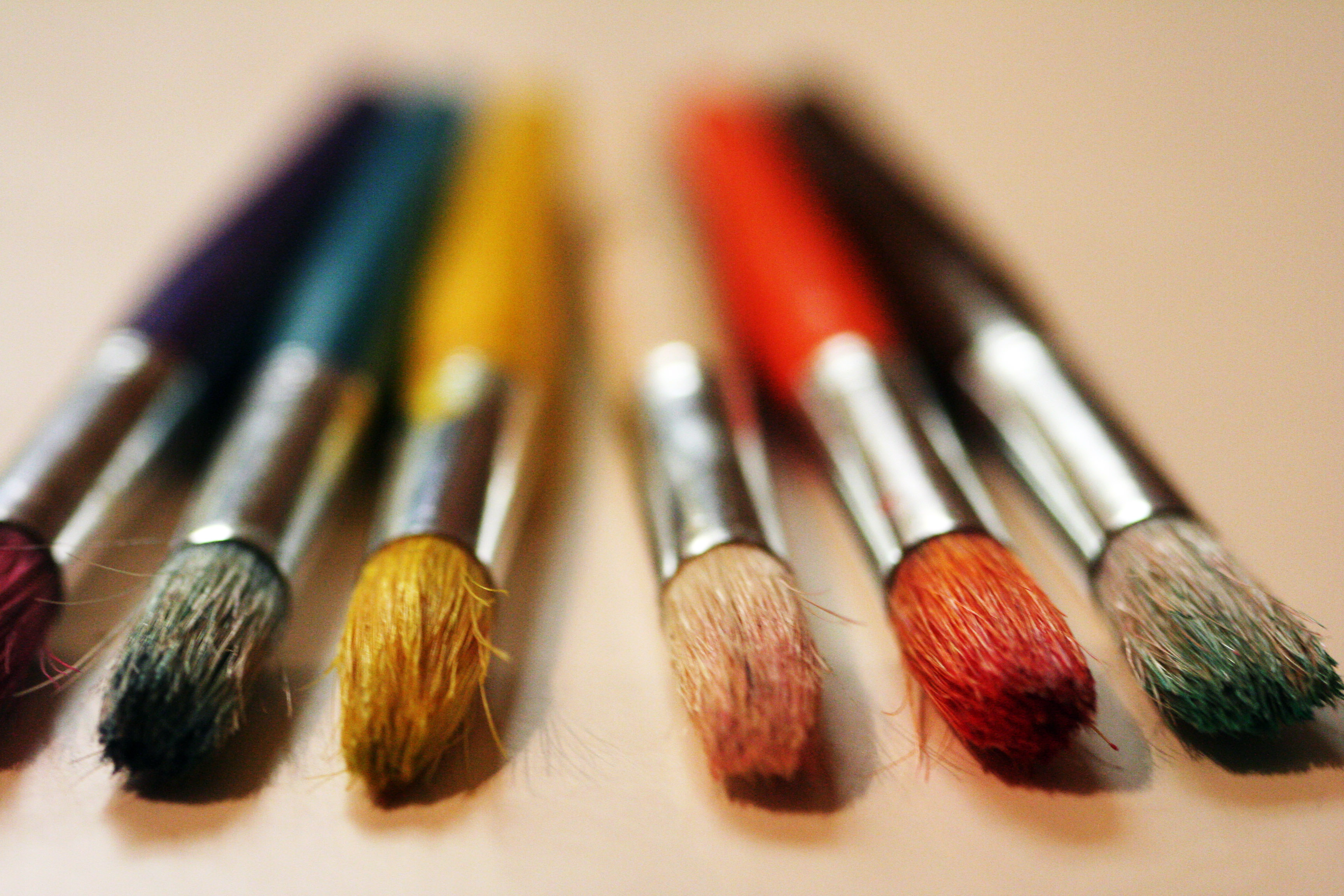
  7. Maintain your paintbrushes. After washing dip the brush in milk and wrap the edge with a rubber band to reform the point OR apply hair conditioner or hair gel after cleaning for the same results.
    paint-brushes-690260_960_720
  8. Brush maintenance part 2 – Consider storing brushes horizontally in aluminum foil lined with paper towels to speed up dry time OR putting them in a planter with sand/beans.
    2292579833_a777009e1d_o
  9. Want your computer space clean and in order? Use binder clips when the keyboard feet break, and if you need to clean, consider using post-it-notes between the keys. If your laptop overheats, place it on top an egg carton.
    IMG_3145
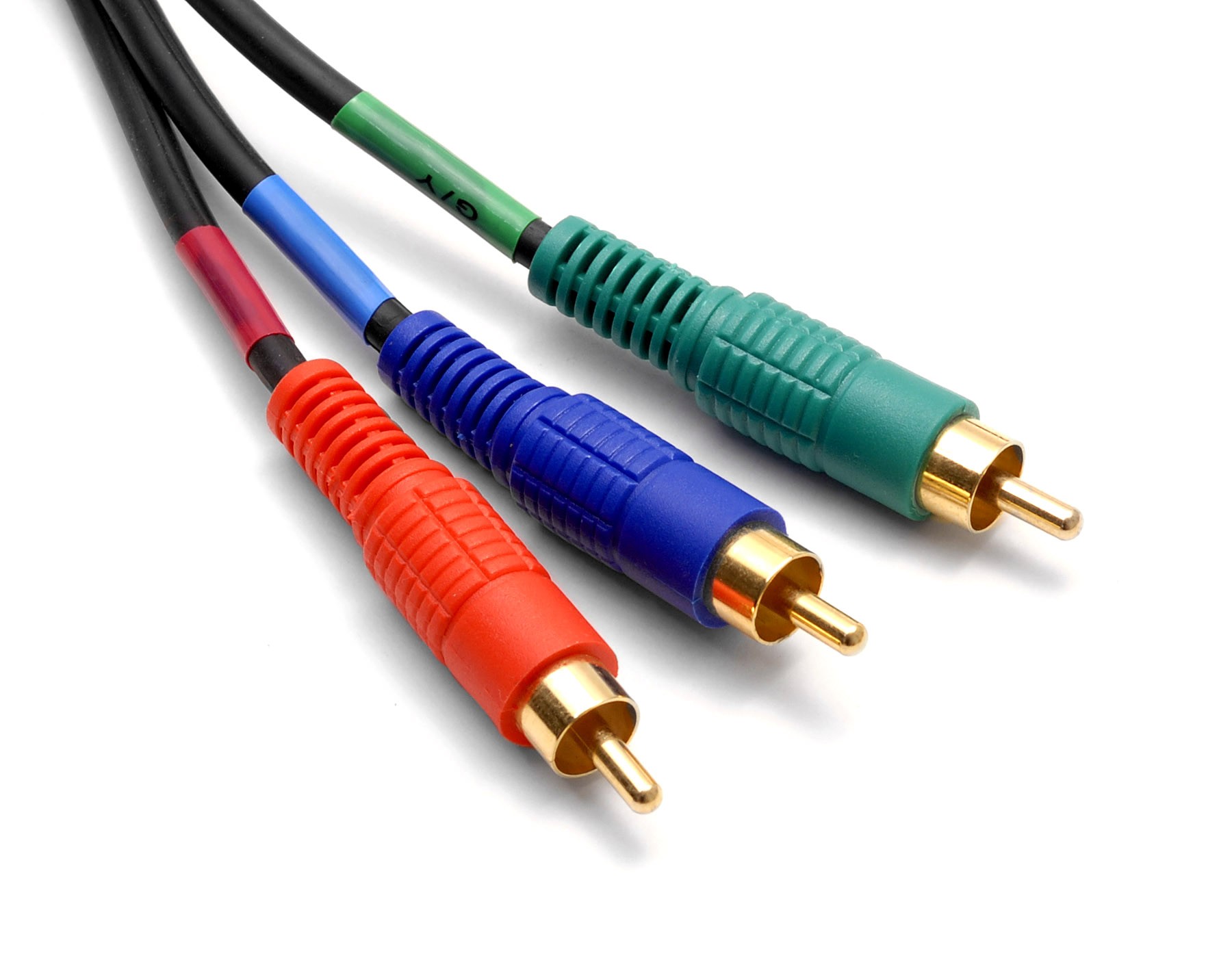
  10. Speaking of electronics, you can also loop cables through binder clips to keep track of your cords and put unused cords in empty toilet rolls.
    Component-cables
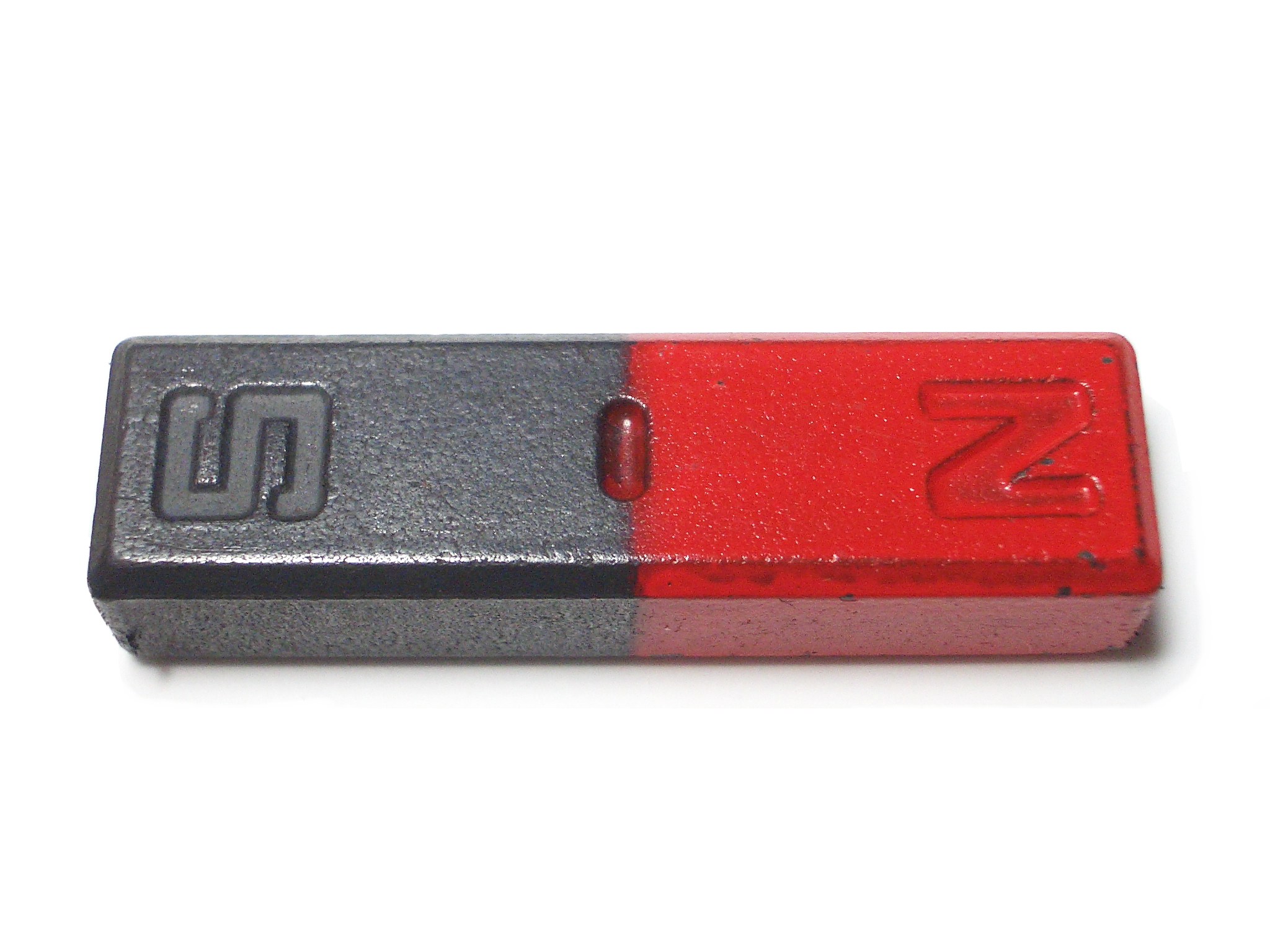
  11. Storing your art supplies is important – As mentioned already, binder clips are amazing, especially for hanging paint tubes on nails. You can also use magnets to store paint upside down or add them to a cupcake stand. Pens/pencils can be stored in cups on wine racks.
    Bar_magnet
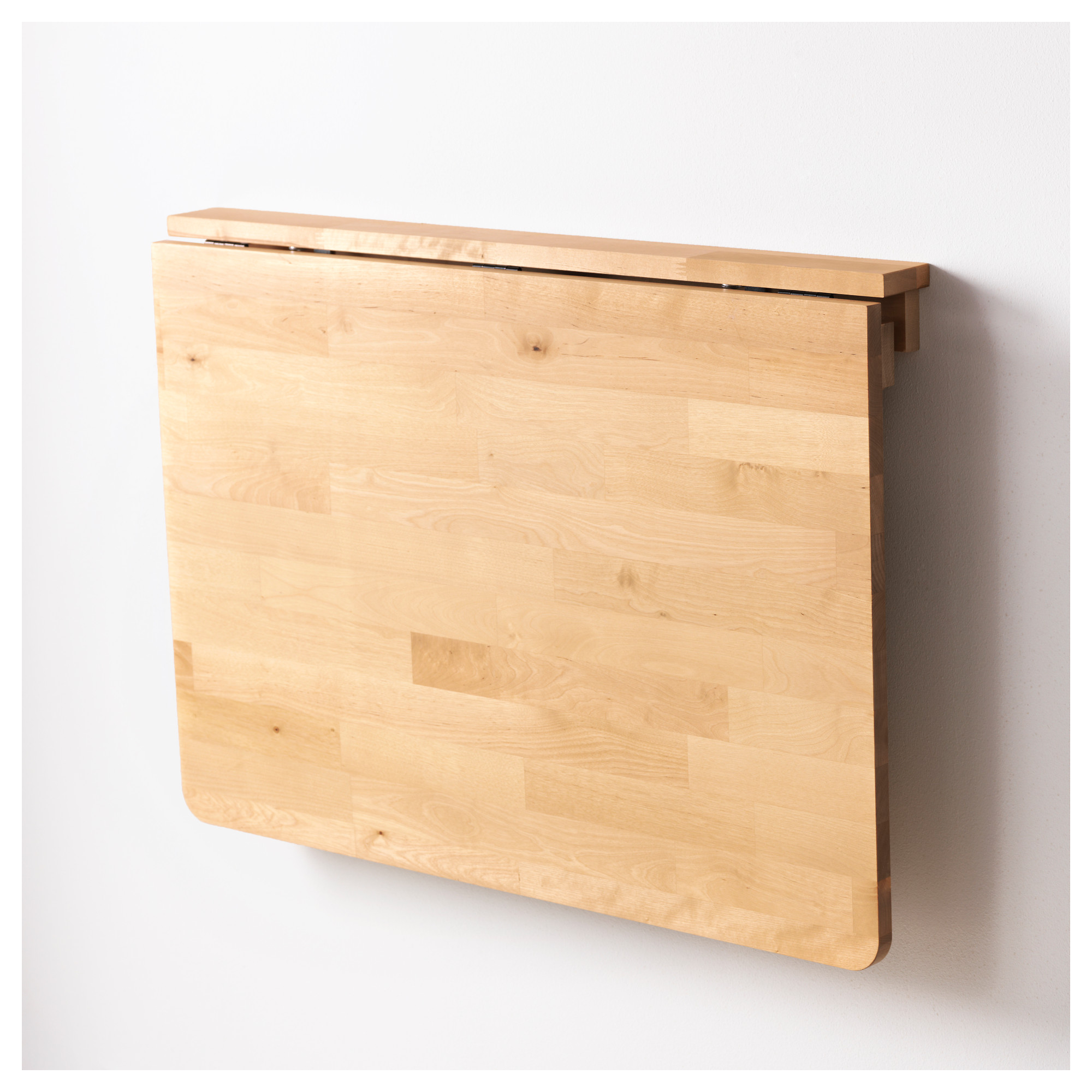
  12. When short on space – install a drop down table and then add glue a cutting mat to the top. If you are feeling particularly clever, add a magnetized quilt to the top which can be used to iron curled paper.
    0251766_PE390555_S5
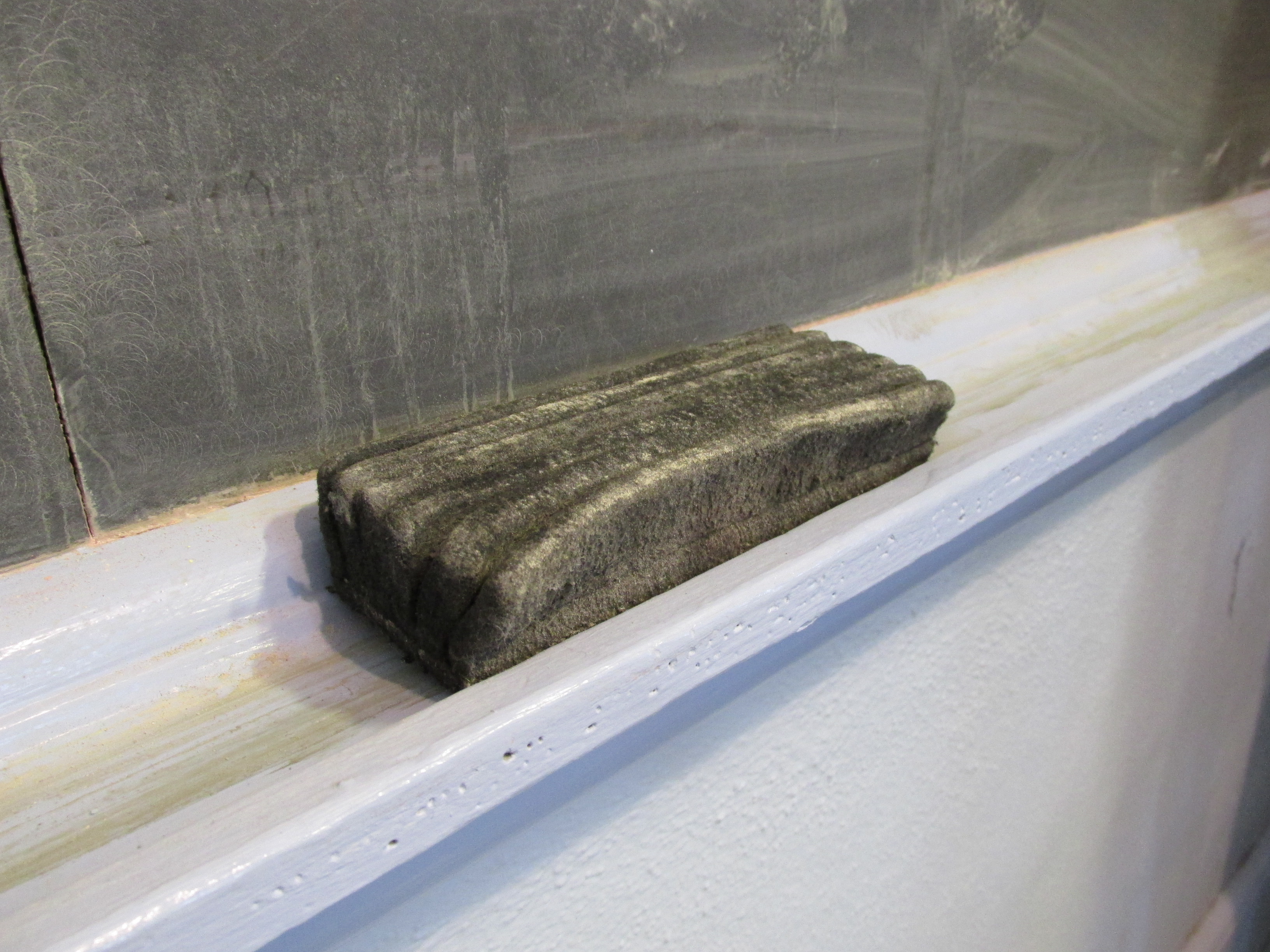
  13. Chalkboard paint is important. Chalkboard paint can be applied to doors, jars, walls, and a myriad of other objects to help create idea lists, supply lists, to-do lists, and label your stuff. Don’t be stingy with it.
    Chalkboard_eraser,_Waldorf_School,_East_Lexington_MA
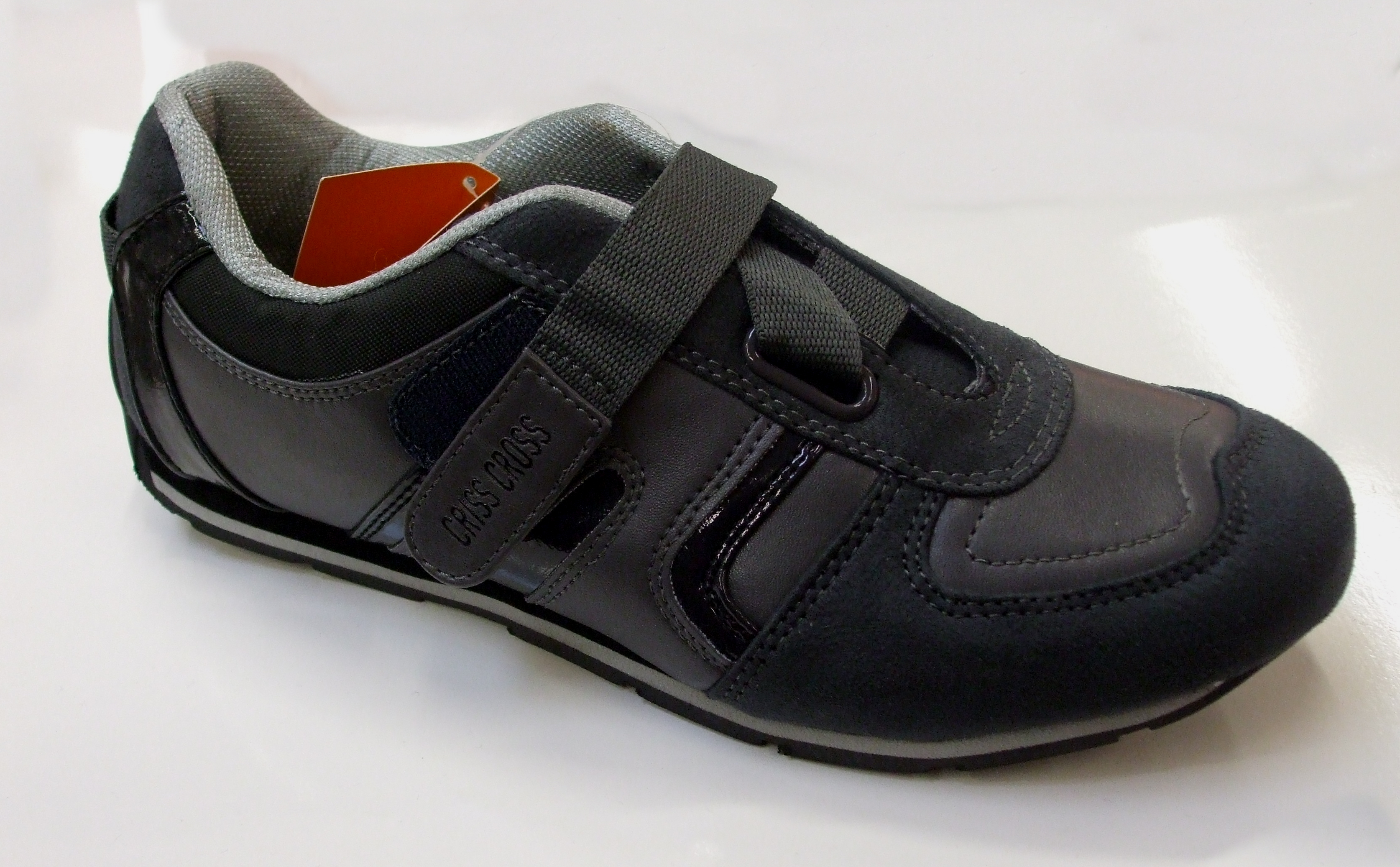
  14. Similar to magnets, you need to embrace velcro. Velcro can be used to fix mats to the floor and then quickly removed when painting. Alternatively, they can also be used to set up baskets that stay in place.
    Shoelaces_Velcro
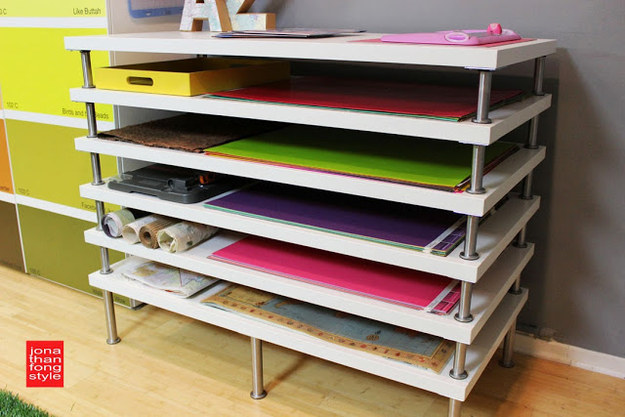
  15. Converting larger furniture to serve as storage is also an option. Table tops can store paper. Ladders can store tape, ribbons, and fabric, while ceiling tiles could become a marker rack. And please consider a tool chest or card catalog cabinets for your assorted little things.
    enhanced-18122-1408986567-5

And there you have it! A technical list of hacks for creative types. And as promised, I have included links to my sources – 1 2 3 4 5 6 7 8

As I mentioned once already friends, sometimes it can be difficult to learn these tips. I have a theory that it’s because artists “seem” to represent a small percentage of the population. We don’t make an effort to share our findings, because we think there aren’t a lot of people who would benefit from them, but obviously that is not true.

What do you think? Are these art hacks awesome? Do you have some other ones? Please leave comments and subscribe if you haven’t already, I’ll have more wisdom next Wednesday, and something timely tomorrow.

Tim!