
Turn It Down Already! (The Essence of Listening Skills)
I’ve struggled to accept this fact for almost the whole of my life, but for the most part, we are bad listeners. Communication problems are often at the heart of the issues most of us deal with – at the office, in the car with the kids, over dinner with our spouse, and pretty much everywhere we go.
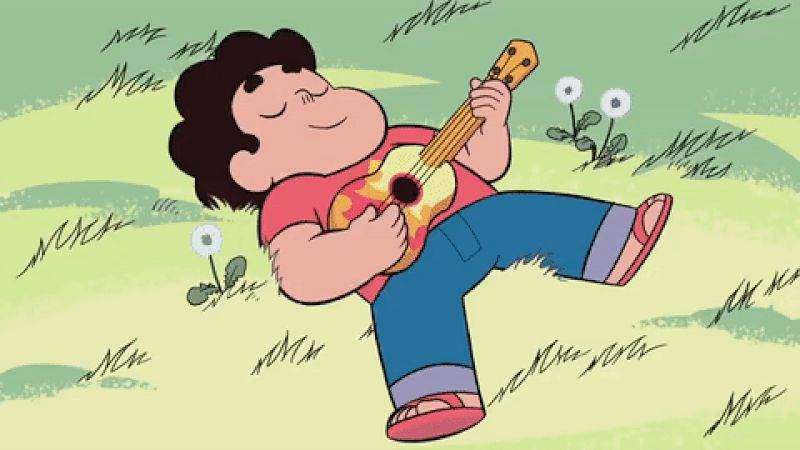
Listening skills should NOT be a latent talent that only a few of us possess, something that is mocked or worse, both of those things. We need beacons of light to demonstrate the awesome prowess of listening, and I know examples exist – I’m looking at you Steven Universe, and your genius creators for one!
Why You Are A Bad Listener
I’m not going to pretend to know what makes people into bad listeners, but I can tell you that there are behaviours out there, which I am just as guilty of as the next person, that contribute to bad listening, and even moreso, bad communication. I’ve gone over the basics of communication already, and I’ve even dedicated some efforts to addressing the ever-so-subtle interpersonal communication, but stopping behaviours can be just as important as starting up new ones, dear readers.
Have you considered that you think of yourself too much, for starters? We all do it, we think of how information is going to impact us, but when you only focus on your own challenges, it just won’t jive in good listening. On top of that, your mind can wander from one topic to the next if you don’t concentrate, and when you do focus on what’s being said, you risk getting caught up in the topic, and completely missing the point at hand. Also, being distracted by other things can make it worse – deadlines, illness, problems in other life arenas all vie for your attention. You need to do yourself a favour and put a pint in it until the chat is over.
And we haven’t even considered how nurture, in the eternal struggle between nature, screwed the pooch on your listening training growing up. What, you say? There was training on listening skills? Well not exactly, etiquette isn’t a universal truth shared with all students.
Of course if someone decides to start cutting you down, you might get defensive, and that’s when you fail to hear what has been shared. On the opposite side of the equation are the helpers who assess a problem, and attempt to fix, without an invitation. And so Mr. Fix-it stops properly listening.
The Types of Listening Skills
Now that you’ve gotten a good dose of where we fail to listen, I think it might be a good time to address what kinds of listening you will need to apply to improve your social standing.
Critical – this for is when you need to evaluate information and either formulate a solution, an opinion or make a decision.
Appreciative – listening for the sake of personal growth and enjoyment. Movies, music and theatre all come to mind.
Discriminative – you need to determinate a dialect, members in a group, if a conversation is amicable or turning violent and a host of other nonverbal cues related to someones feelings.
Relationship – listening to understand someone, whether they need to vent or not, you have to show your support by retaining the details and feeling what they feel.
Comprehensive – focus on the speaker and the message they are sharing, in order to take direction and then apply it to your own role.
How To Become An Artful Listener
Ultimately, if you want to become an excellent listener you are going to have to learn how to be present. This is not a metaphor for becoming a present, but it is a gift nonetheless.
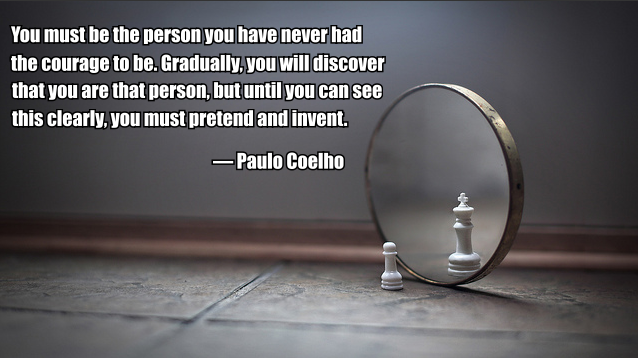
Forbes wrote a great article on the 10 key steps to skillful listening, and the brilliant thing about this post is that while you may need to practice one or all of these steps to get better, you can totally fake it till you make it, because so many of us are terrible at listening already.
But what are the steps you ask?
- Face the speaker and maintain eye contact
- Be attentive, but relaxed
- Keep an open mind
- Listen to the words and try to picture what the speaker is saying
- Don’t interrupt and don’t impose your “solutions”
- Wait for the speaker to pause to ask clarifying questions
- Ask questions only to ensure understanding
- Try to fell what the speaker is feeling
- Give the speaker regular feedback
- Pay attention to what isn’t said – to nonverbal cues
You’ll notice that these steps all relate to the previous symptoms of bad listening AND simultaneously recognize the 5 types of listening skills we need to employ. On top of that, the author suggests that at the end of your conversation, to summarize any actionables and agreements that were made.
It might not feel comfortable at first, but over time it will become second nature to you. And lastly, while I didn’t spell it out above,you need to create a receptive environment for listening – turn off all the digital distractions and refrain from bad habits like yawning, frowning or fidgeting.
theories Summarized
Silence might be golden, but it is not guarantee of authenticity. Fool’s gold can look just as valuable to the untrained eye. The skilled person takes on listening as an active skill which will always need to exercised to maintain your health and wealth. It shouldn’t be a mere theory that there is gold in them hills, let’s get out there and level the playing field folks!
And that’s all the wisdom I’ll dole out today.
Tim!


 timotheories