Am I The Only One Around Here Who Gives A Shit About The Rules? (Anger Management)

Almost two years ago, I wrote a post entitled The Secret Genius (Attitude is Everything).

It was a Wisdom Wednesday topic I wanted to broach about the importance of both vision AND application in becoming the “you” that you want to be in life. And yes, factors of genetics, ambition, effort, personality and environment are all to be considered when you decide to change your attitude and become the master of your destiny.

Without regurgitating the entire article, I’ll simply state that genius can be cultivated, and geniuses cultivate their curiosity by learning new things, visiting unfamiliar territory, and asking a lot of questions. Or to put it in Dean Keith Simonton’s words – geniuses tend to be open to experience, introverted, hostile, driven and ambitious. Also, geniuses can find patterns where others won’t (Erika Andersen on Malcolm Cowley).

It’s a compelling argument, and something about taking ownership of your life and putting together the pieces, is very appealing to me on a personal level. But there is some required reading in-between the lines too here. In order to be a successful “genius” a positive attitude is essential in relation to your personal motivation and when communicating your ideas. But what I didn’t discuss in that article I wrote two years ago, is that controlling your emotions is just as important of a component when you finally decide to commit to the house rules.

Don’t Look Back In Anger

It can be difficult to admit when you are lacking in a quality. I myself struggle with my emotions, daily. I’m not an emotive person by nature, but I am an emotional person. I feel things deeply and though I operate from a place of analysis, knowledge, and conceptualization, my second-most dominant motivator in life is meaning, significance and compassion.

What this has meant for me is that as I grew into adulthood, I learned to communicate through the lens of my own experience, but often accomplished it by either denying my feelings or holding them at arms length.

In reality I still had the emotions, and when they did surface, they would often come out as anger. I cannot begin to describe all of the reasons why I believe anger is the emotion I gravitate towards in expressing myself, but even more frustrating is the impact it can have on my loved ones. While I may not truly feel angry at the time I am addressing my emotions, it doesn’t mean those people don’t feel the heat from my internal process, and more often then not, those feelings come from a place of victimization.

As I wrestle with my feelings, I go through the entire emotional gamut, often landing at a place of compassion and understanding. But the emotional violence that I and my audience endure is difficult to wrestle with.

Last night Mysticque and I had a good long chat about the way I process new information, my emotional reactions, and how it effects her, and I came to the realization (with her help), that I do this so often, that I am not even aware of it’s impact on my life – I want to be clear that I while I start off this way, it never finishes with the same feelings, because I do process the feelings.

However, I have decided to make a conscious effort to become better in touch with my emotions and express them in a more balanced and moderate manner.

Which is why I am going to take responsibility for my anger going forward.

Anger Is As Anger Does

In a world where anger is often seen as a negative characteristic, it can be difficult to see it for what it is – potential unfulfilled.

We can channel anger into productivity, and we can use it as a source of personal power. But that means recognizing you have anger, and that you are not a master of it. Yet.

If you move through your feelings, you can prevent emotional toxic buildup, but anger needs an output to be constructive, just like any other dangerous tool. Proceed with caution! Exercise, meditation, creative writing, art making, and even driving can become major contributors to releasing anger; because they give the anger purpose and focus it.

Additionally, your mental head space needs to be receptive to change. If you can identify the source of the anger and why you were triggered, you can begin to separate yourself from your emotions and choose when to engage them. By looking at your past history with key events, people, and topics, as an outsider looking in (by literally viewing it as a story) you can learn how to let go and focus on the present.

And one other thought – it is completely up to you to make this change. No one can do it for you, because this is a paradigm shift. Yes, YOU can learn to access and express your anger in a healthy way. Yes, YOU can choose to see that anger doesn’t have to be a destructive force, but a warning signal that something is wrong when you feel it, and also a tool for appropriate self-defence when expressed.

theories Summarized

I still have a long way to go in my mastery over anger. But even the smallest act of saying out loud to someone I trust that this is a challenge in my life, means that I can move forward and look at the situation differently. Anger is a tool to be used in both recognition and implementation, just like any other dangerous object.

A theory to consider, at the very least.

Tim!
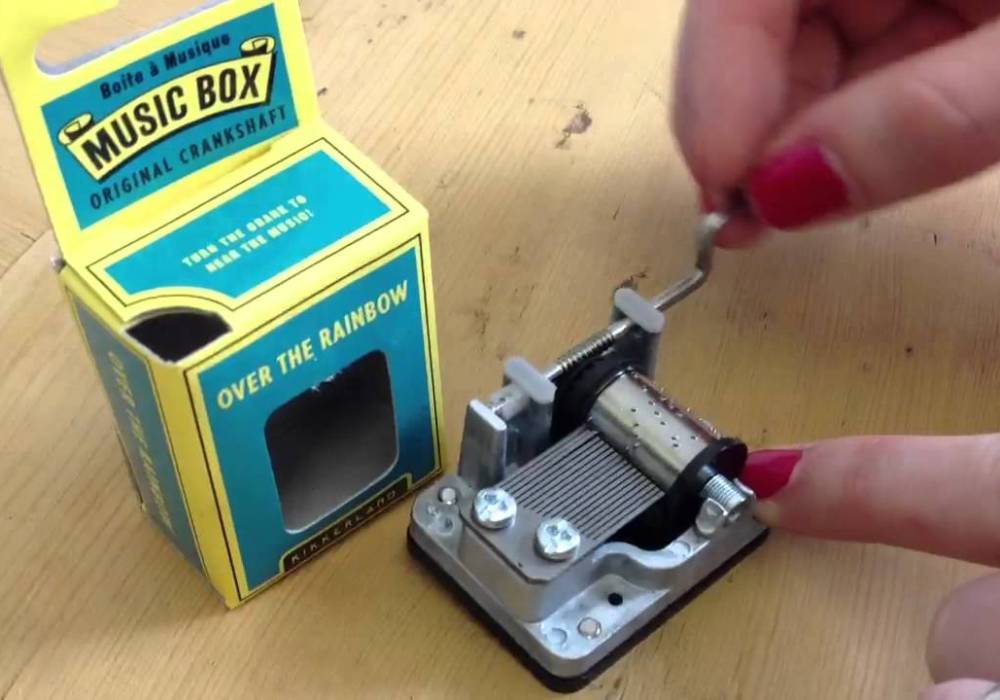
I Have Been Over The Rainbow (The Avalanches, Wildflower review)

We’ve witnessed lots of absenteeism in music over the years, but my all-time favourite probably came from Guns ‘n Roses and their lack of interest in seeing Chinese Democracy arrive in a timely manner, at all.

So I skipped out on it, I mean fuck’em right? Well not so, well, not entirely. Chinese Democracy didn’t have the hitmaking power of Appetite for Destruction, nor the sweeping epic of Use Your Illusion I & Use Your Illision II, but it’s a pretty solid album on it’s own. Just thirteen years later.

Well today, we look at an album sixteen years in the making.


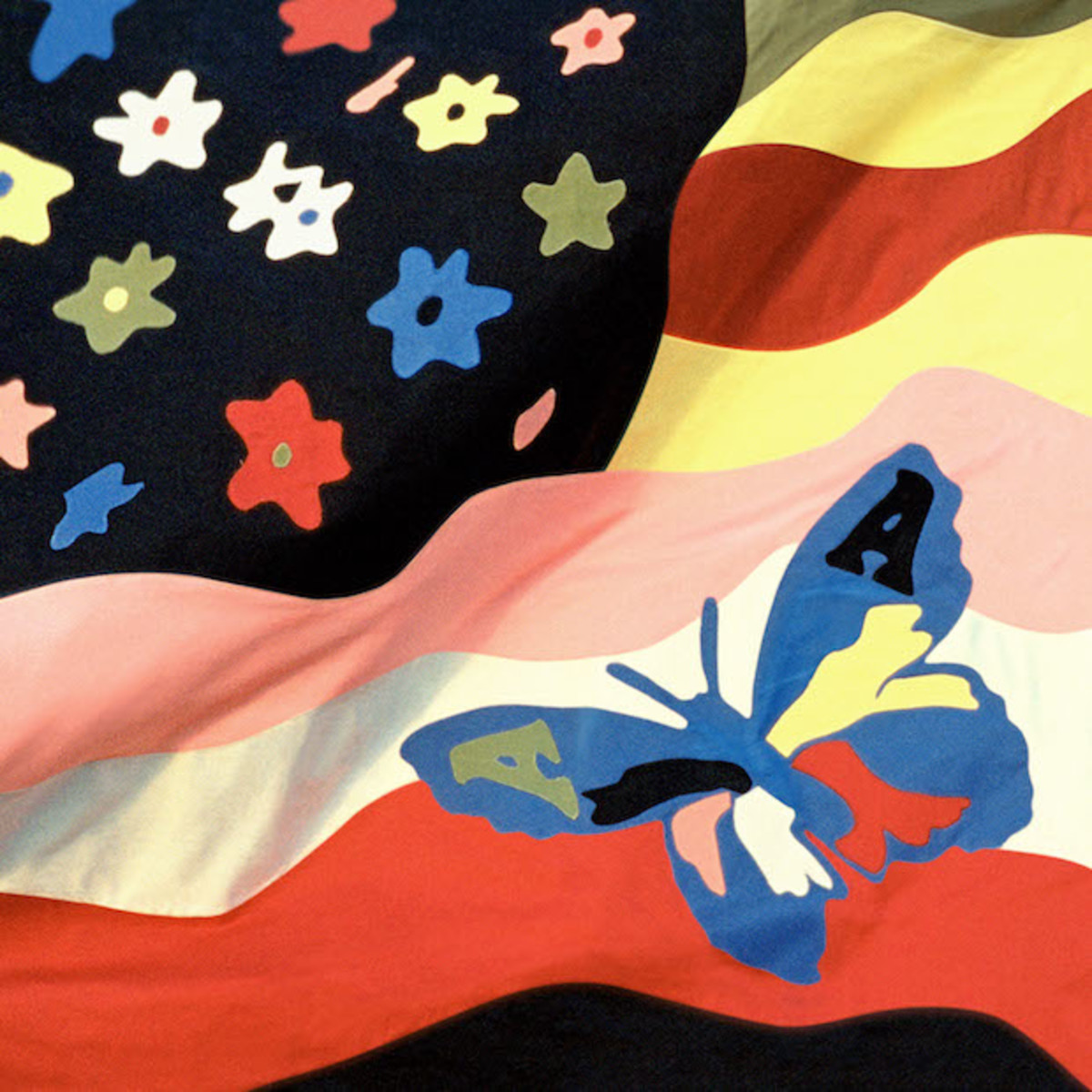
The Avalanches – Wildflower
released July 8, 2016
******** 8/10

avalanches-wildflower

The Avalanches are an Australian group that started spinning records back when I was still in junior high school. Or to put it another way, way, way back in 1997. They were making plunderphonics back before I even knew that that was a cool way to make music.

I don’t want to dwell too much on what plunderphonics is, but if you are familiar with pretty much any other existing audio recording ever, than you’ll understand that combining existing samples and/or altering them allows for a track to enter into the mix. Pun intended.

The Avalanches current lineup consists of Robbi Chater, Tony Di Blasi, and James Dela Cruz, but they’ve gone through a huge rotation with five other band members coming and going. Incidentally this has something to do with the fact that the group released their debut album Since I Left You in 2000, but haven’t put any studio albums out since that first one.

The reason for this is because of many personal issues the band faced, between Chater being ill for three years, and issues of too many songs to choose from, the band was faced with the problem of genius and perfectionism. And so here we are sixteen years later. But you know what, Wildflower is still a delight to listen to. It reminds me of The Go! Team, Beastie Boys, Gorillaz, Jackson 5, and Canadian favourite Caribou all mashed together into one giant happy, fuzzy, sleepover with rainbow pillows and unicorn blankets.

Remember when I mentioned a while back that jazz music has been making a resurgence via successful acts like Leon Bridges and Kendrick Lamar? Well, The Avalanches are hopping on this bandwagon of rather raw music and the results are coming up nicely. It never feels like a strong narrative, but it doesn’t produce nostalgia.

For instance, those tweeting birds on Zap! takes me right back to the soundtrack of that Sleeping Beauty movie from the 1950s.

I would be remiss to break down this review into particular tracks and emotions, because I think that you’ll get more out of it just diving right in and considering the source material. Seriously.

Now it is a little sad that founding member Darren Seltmann opted out before the album finished, but it is comforting to know that co-founders Robbie Chater and Tony Di Blasi are still there for us. And for such a nostalgia trips, this feels very present in our time space. It is both jazz and pop infused, and good music fans know that those genres are very “lit” right now.


I would argue that The Avalanches have produced a much cooler vehicle than Guns ‘n Roses, but it does help that they sampled the Mega Man 2 death sounds and featured cereal eating alongside their hip hop.

It’s not a perfect record, but it is very accessible if you are a fan of generation sweeping music. I hope you listen and I bet you’ll find some great samples that make your own heart all weepy.

See ya tomorrow with another nostalgia trip, this time a movie about the 1980s.

Tim!

What’s In A Name? (Defining The Term Artist)

The visual arts are probably the most complicated of the creative fields to pin down. I mention this because it can take many forms from two-dimensional examples of drawing, painting, printmaking, and photography, to three-dimensional with ceramics, sculpture, video, and filmmaking, with fashion, crafts, design, and architecture existing in both realms.

Then you have your visual arts which also exist as theatre – performing arts and conceptual art.

You see dear readers, there was a time when the term artist represented fine art only (painting, sculpture, and printmaking) and anyone interested in handicraft or applied art was considered a craftsperson but not an artist.

This distinction existed until the 20th century, and it has taken over a century for it shift so that artist and art applies to multiple disciplines. Which can lead to some strange conversations among artists, with elitism still on the minds of fine artists and prejudice existing in all camps.

384869_258833694180825_1867183013_n

As a graduate of a fine arts program myself, I’ve witnessed the distinction that professors, graduate students, and art historians make between fine art and other arts. What is even more difficult to swallow is that all the while that the older forms have a history and perception of “artist as genius” to them, the modern world laughs at the usefulness of such a profession.

There is a social stigma that if you are an artist you are naive, irresponsible and very likely financially poor. Morally too in some cases.

This conveniently happened around the same time that the “artist as genius” phase fizzled out, and the definition of artist began to broaden. As fine art became a commodity which had to be traded and in demand to gain recognition, it fit in very nicely with the already established forms of craft and applied arts (design, fashion, architecture) which business owners would pay for and have direct input in the results.

So where does timotheories fit into this landscape you may ask? I say why not both? Why can’t we elevate all art into a realm of marketable worth as well as recognizing the unique qualities required to create any sort of work, whether it be fine art, craft, theatre, or applied art.

I have this theory you see, that we’ve moved out of a post-modern mindset (one of deconstructing everything around us to see how it works and showcase intellectual superiority) to an age of modern craft. All artists need to become experts in their chosen form(s), and learn the proper marketing skills, finance skills, and communication skils in order to share their work with the world around them.

Minecraft_Modern_House_2015_03

timotheories supports the rights of artists to be successful at the profession of creating social value and entertainment for all people, and getting paid to do it.

I personally have always been driven by a myriad of artistic vehicles, so I can’t even favour one over the other because I don’t want to. I love drawing, painting, sculpture, filmmaking, writing, and performance art all the same. And I know that dabbling in photography, printmaking, design, and craft are ways that I express my ideas and creative ability just as well.

So for the sake of furthering the ambitious nature of this blog, I’m going to start sharing my own artwork with you, my friends, so showcase what I’m creating, receive critique, sell my work, and especially provide some insight into the entire art-making process.

Expect some cool collages in the coming weeks and if you’re lucky a powerful painting or two!

And in case you’ve been following the March schedule and noticed a couple of things out of order, I haven’t released the Paige Knickle interview yet, and that’s my bad. Due to some communication issues, the interview isn’t quite ready yet, so I’m going to publish Cross Talk Ep.3 next Sunday as planned, and then the interview will be ready for the 27th. We’ll have to bump the routines of famous creatives to April.

But I bet the wait’ll be worth it.

And that’s all he wrote. Please leave comments, follow/subscribe, and check in tomorrow evening for a Melodic Monday post.

Tim!

The Secret Genius (Attitude Is Everything)

You want to be like Steve Jobs right?

Well, get in line dear readers.

Seriously though, a lot of people want to emulate the persona of Steve Jobs because he will always be remembered as a genius. That’s the way it is with great people; those visionaries and leaders who appeared at the right time and the right place and made it happen for themselves and conveniently for the world as well.

But what if I told you there is a theory floating around that geniuses don’t just appear?

That geniuses are a culmination of several factors? For instance, they are made up of things like genes, personality, ambition, environment, and effort.

Well you’d probably laugh at me.

Haha, you’re too funny timotheories, you think you know so much about theories and now you’ve finally proven that you don’t know jack!

jack2

Well hold up there aggressive little buddy, I’m still in the process of making a point, and you are just being rude. So please keep your comments until the end of the lecture.

Let’s address the problem of effort first. There have been studies done which indicate that major breakthroughs, whether in the arts or sciences, only appear that way to the casual observer, when in reality it takes time, effort, and energy to produce mastery of skill(s). In other words, when you can understand the rules intimately, then you are capable of bending or breaking them.

Also consider that specialization totally kills creativity because you are operating within a limited palette while looking at nothing other than the subject in front of you.

Ambition and a healthy desire to discover need to be present.

Which leads us into my next point.

Whatever your conviction, you need to ask a ton of questions: which is another way of saying, keep your mind sharp. Go to the library and take out books on a variety of topics, then grab some audio books on language, and sign up for a course or a program. It doesn’t matter if you are getting a diploma, certification, accreditation or doctorate. Exercise your mind.

That also includes physical exploration by spending time in nature or on a retreat.

But what about your genetics/personality? If those are fixed then genius is limited to those born with certain traits. Yes, those details definitely make up a part – but if you are open to experiences, driven, aggressive and can learn to look inwardly, you have just found some qualities that will help get you there, and can be learned. Interestingly enough, environment can play a role too in that progression.

Educational institutions that teach us to learn something from whatever we focus on can aid in this process, which can often be uncovered in post-secondary. This article very briefly touches upon it, but essentially the idea proposed is that cultures which encourage new forms of teaching and education foster risk-taking and that is where genius can appear, when individuals or groups can focus their vision into expression.

But truthfully, no matter what your stage or status, we all have the basic blueprint needed to accomplish these steps. Environment is just one piece. Look at what Malcolm Cowley said about the subject,

Genius is vision, often involving the gift of finding patterns where others see nothing but a chance collection of objects.

Children naturally do pattern seeking that from the time they are born until it is slowly weeded out of them in adulthood. But if we can cultivate that curiosity as already mentioned and focus our efforts on the importance of openness to experiences, i.e. look objectivity, then we’ll be in a way stronger position to see things as they are, rather than how we have been conditioned to do so.

That is what genius is, focusing on your passion, applying knowledge and experience, and continuous and never-ending improvement of self as you live your life’s purpose. You’ll make a contribution to your area of purpose which no one else can, because of your unique perspective.

It just takes some re-training.

Which is why ultimately, attitude is everything. People think there is a secret to genius, it really comes down to attitude. If you are willing to put forth the right effort and combine it with the attitude that life is a process, not a goal, you’ll experience genius.

But what do you think? Please leave some comments and subscribe to support these posts! I’m out of theories for now.

Tim!

The Cult of Apple (Steve Jobs review)

Great men and women are always to fascinating to the world. It’s almost as if people expect that by analyzing them, they’ll get insight into how to achieve their level of success and become them, without doing any real work.

Almost cult-like behaviour.

How fitting, given this week’s movie review topic.


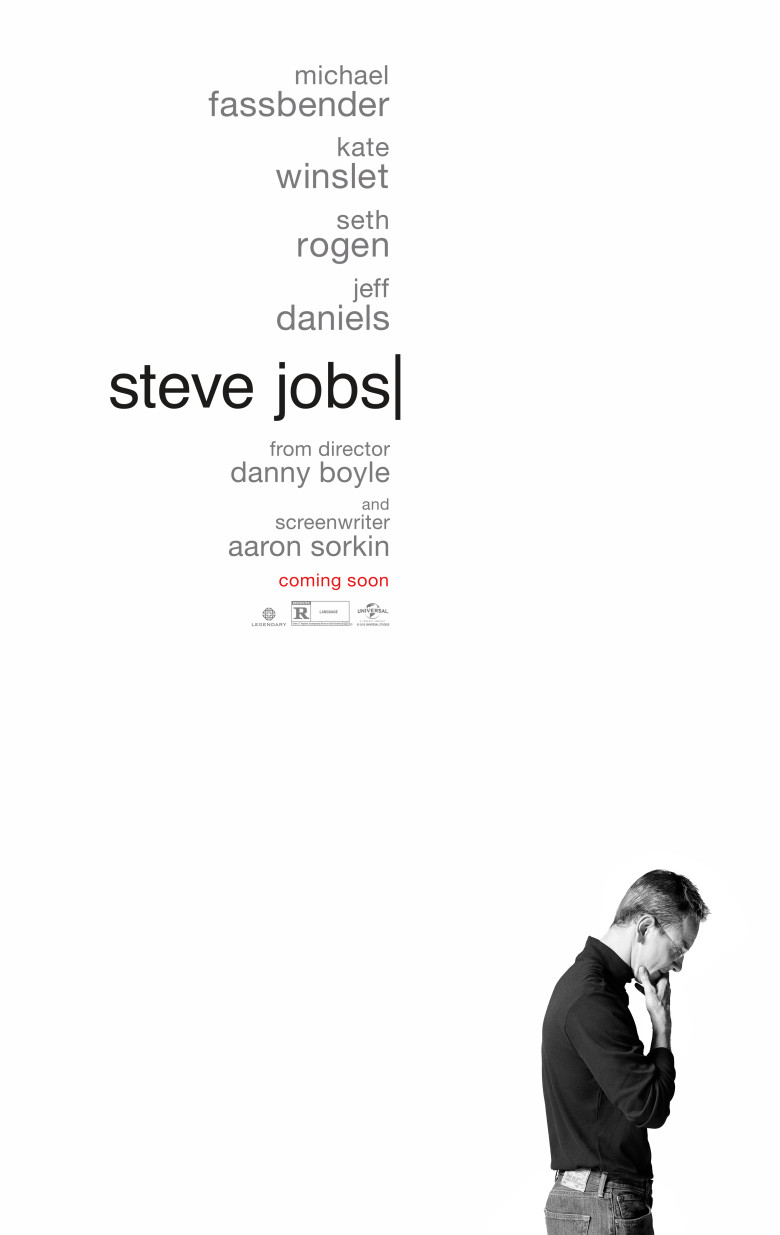
Steve Jobs (2015)
Cast: Michael Fassbender, Kate Winslet, Seth Rogen
Director: Danny Boyle
released on blu-ray February 16, 2016
******** 8/10

SJB_Tsr1Sht5_RGB_0818_1-780x1235

IMDB: 7.3
Rotten Tomatoes: 85%, Audience Score 76%
The Guardian: ****/*****

Danny Boyle is an English stage and film director, producer, and screenwriter, with a spiritual atheist belief system. Raised in an Irish-Catholic home and in line for the priesthood until he was 14, Boyle was persuaded by a priest to consider a different path.

He decided to enter into drama and I think we are the better for it.

Boyle has directed Trainspotting, The Beach, 28 Days Later, Slumdog Millionaire, 127 Hours, among others. His belief in the connection between theatre and spiritual expression has likely influenced his project choices, but let’s dig into the plot a bit to see what I mean.

The movie starts in 1984 California with a young Steve Jobs (Michael Fassbender) and his marketing executive Joanna Hoffman (Kate Winslet), discussing the failure the Macintosh computer demo is currently facing. Andy Hertzfeld (Michael Stuhlbarg) is also there and tells them it cannot say hello because they need special tools to open up the computer.

Joanna wants Steve to stay calm and lower his voice because a GQ journalist is present and could get them bad press. Steve not only wants the computer to say hello, he wants total darkness in the theatre to focus the audience attention, which is not allowed due to safety reasons with the exit signs. Joanna suggests delaying, but Steve says that a tech company MUST start on time.

Joanna and Steve go backstage. She tries again to convince him to leave out the voice command, but Steve needs it to show the world that computers are not scary, even though Hollywood says that they are. Joanna is also upset about the price tag and limited memory but Steve explains that the computer is intuitive and innovative. While discussing this, Steve finds boxes of TIME magazine, and is upset because he should have been Man of the Year, but the journalist didn’t like him. Joanna is more concerned about the fact the article mentioned Steve has an illegitimate daughter which reminds her that his ex Chrisann (Katherine Waterston) and daughter Lisa (Makenzie Moss) are there – He should go talk to them and calm Chrisann down.

Backstage, Chrisann and Steve start to fight and Joanna leads Lisa out of the room. Chrisann is upset that Steve implied she is a slut and slept with 28% of the population but Steve corrects her and say he is only 94% likely the father which means 28% of the population could be as likely. Lisa knows that Steve named one of the computers after her, but Steve tells her its coincidence. Chrisann knows Apple stock is up 441 million and yet she and Lisa are on welfare.

Enter cofounder Steve Woz Wozniak (Seth Rogen), who is wants recognition for the Apple II team in the speech, which Steve also brushes off later.

Steve wants someone to find a white shirt with a pocket so he can pull out a floppy disk. Joanna asks “why white?”, but Steve has an answer ready. He knows that the white will offset the beige of the computer casing. Andy comes back and tells Steve he still can’t fix the voice feature. Steve threatens Andy by telling him he will list of the the team of developers and each off their roles in the creation, and he will be the one team member with a feature that didn’t work.

What a good place to stop, just as the first act is about to end.

Pros: Much like the real life Steve Jobs, the film flows with genius and visually constructs the setting to showcase Fassbender in this role. Also like Fassbender the pace and the builder have you wondering if it’s going to work out, but it does.

Cons: We can tell that Steve Jobs was flawed, but we don’t get to see much more than that. It feels a little stiff and structured at times.

Runtime: 148 minutes

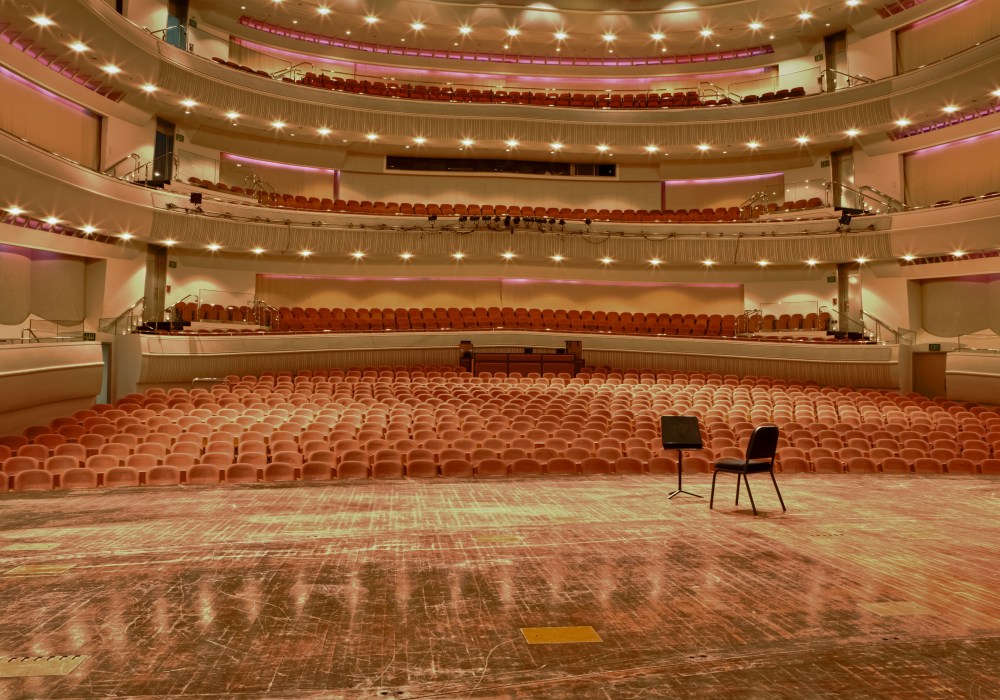
Points of Interest: Each of the acts were shot slightly differently. 1984 in 16mm. 1988 in 35mm, and finally digital to symbolize the development of Apple technology and focus of Jobs over the 16 year period. The shareholder meeting and product launch from 1984 was recreated at the original location of the Flint Center of De Anza Community College in Cupertino, California.

The movie features an excellent ensemble cast which is directed quite well by Boyle, but it might just be writer Aaron Sorkin who is organizing the details of the film. The film is structured in three acts, features a lot of standing and walking between actors, and elements of satire. This is what pulls you in and engages you with characterized Steve Jobs. It’s fun, thoughtful, and interesting, to say the least.

I wouldn’t ever accuse someone of belonging to the cult of Steve Jobs. I would accuse them of over-indulging in his personal philosophies and believing that the brand he built with Apple is capable of being peanut-buttered over anything. But that is often how it is with genius. We want to reach out and grab it, and hope that it will rub off on us.

Maybe a good lead-in for some wisdom tomorrow? I do have some theories after all.

Tim!