I Am Artist, Hear Me Roar! (Artist Statements)

It’s stimulating sunday, and in order to get this post started right, we’ll do a few quick word associations to see what happens in your mind. I promise it will be quick, painless, and you just might learn something from the process.

Ready? Okay, let’s go.

I’ve got the eye of the tiger, baby I’m bulletproof, because I’m happy, it’s the final countdown, test your might, everything is awesome, etc.
Mortal-Kombat-Movie-Goro-700x350

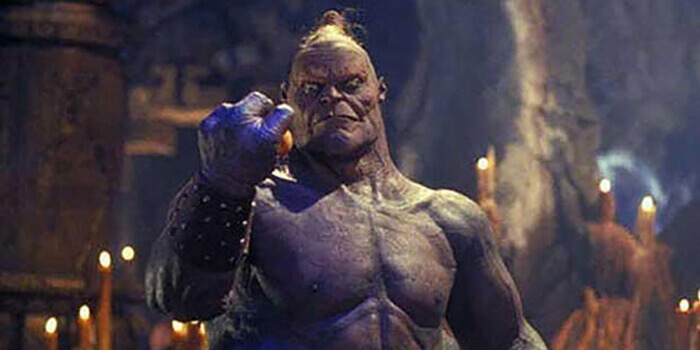
At least one of those phrases called up something didn’t it? You hear those songs and you just get jacked the f*ck up, don’t you? I think it has something to do with the associations between the audio and the visuals. Especially if it’s a song directly tied in with a movie, TV show or video game.

We recognize the importance of audio in making a proper multi-media presentation, whether we are conscious of it or not. Take for instance this article which goes over the value of music in producing emotions.

Which is why I wanted to write about the importance of tying in ideas with the visuals of the arts and how the written word is so incredibly important in creating richer experiences; if you were to ask any of my friends and colleagues who work in the arts, they would probably all tell you that the worst thing about being an artist is the struggle to find meaning in their work through words.

Unless they are a writer, of course. Then the biggest challenge they face is visually showing what their work represents.

How quaint.

But let’s not lose focus. So, I have this theory that the reason why many artists struggle with the written language versus the visual one is that they’re most interested in articulating ideas which simply cannot be written down, and to try to do so can be an incredible disservice to the work. At least initially. Which is why I wanted to spend some time going over the importance of artist statements for those who are not visual thinkers.

So what is an artist statement?

An artist statement should be an introduction to your work in general, a series, or an individual piece. It should always start by explaining the basic ideas of the work, a shorter paragraph with maybe a few sentences in length. Then you go into more detail about how the ideas are being presented in the work with a second paragraph. You can conclude the statement with highlights of the most important points, but it should strive to be no more than 10-12 sentences in length. After all the words are there to enhance the work, not overtake it.

When writing a longer statement you can include more detail. For instance, your expectations for the work and how the audience should react to it. How your work fits in relation to your previous efforts and where it fits in the larger oeuvre of contemporary art. You can also consider including sources which have contributed to the work, including other artists that influence you.

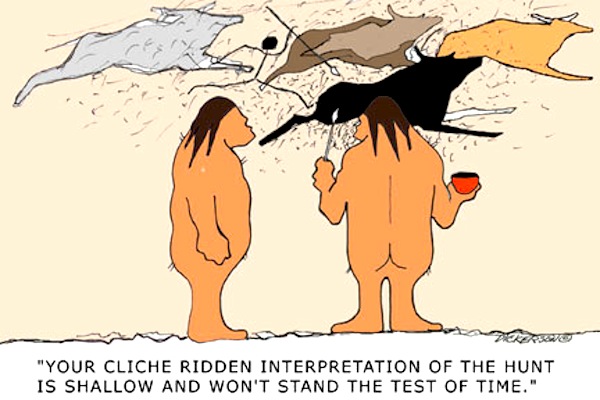
And of course there are some things that you should not do in an artist statement, unless you want to alienate your audience. Avoid talking about your role in the world and making cliched statements about your work. Long dissertations and personal anecdotes should be avoided too, unless it is directly related to what you are creating. And lastly, if you inject technical terms, be very careful to limit their use and explain them as best you can without carrying on.

The major reason why you should write an artist statement is that it can be an excellent way to clarify what your work is about and make a stronger connection for the audience, administrators you interact with, and of course in submitting the work for any kind of applications process (exhibitions, funding, school, paid positions).

Much like how a good soundtrack can help elevate the experience of watching a movie or playing game, when you can connect your ideas with your artwork, people will have a much stronger appreciation for what your contributions mean in the marketplace.

I know that this is kind of a teaser, because there is a lot more to say about how to write these statements, when to use them, where to use them, etc. And so I promise to go revisit this topic in a future post about how to construct one of these statements in detail.

But for now I’m out of theories friends! I hope you have an excellent Sunday evening, and I’ll catch you tomorrow with a music review! Comment! Subscribe! Share!

Tim!
Red VS Blue! (How Environment Effects Creativity)

I’ve said it before, and I’ll definitely say it again after this post… but throughout human history creativity has often been thought of by the masses as a gift from another world, not something that comes from the brain and which can be developed and cultivated.

I bet you thought I was making a reference to TMNT, nah, I would never do that.

Michelangelo's_comical_scream

Moving right along; as a creative person I’m sure that this concept of creative influence is both fascinating and horrifying for you, because you want to succeed and get support to accomplish your creative goals, but if anyone can be creative, then that means you are no longer a special snowflake.

And I’ll let you decide which one fascinating, and which one is horrifying.

But what if I told you that your environment can be controlled in such a way as to effect your creativity either positively or negatively? What would you do? I bet most of you would jump at the chance to make subtle shifts in how your environment operated.

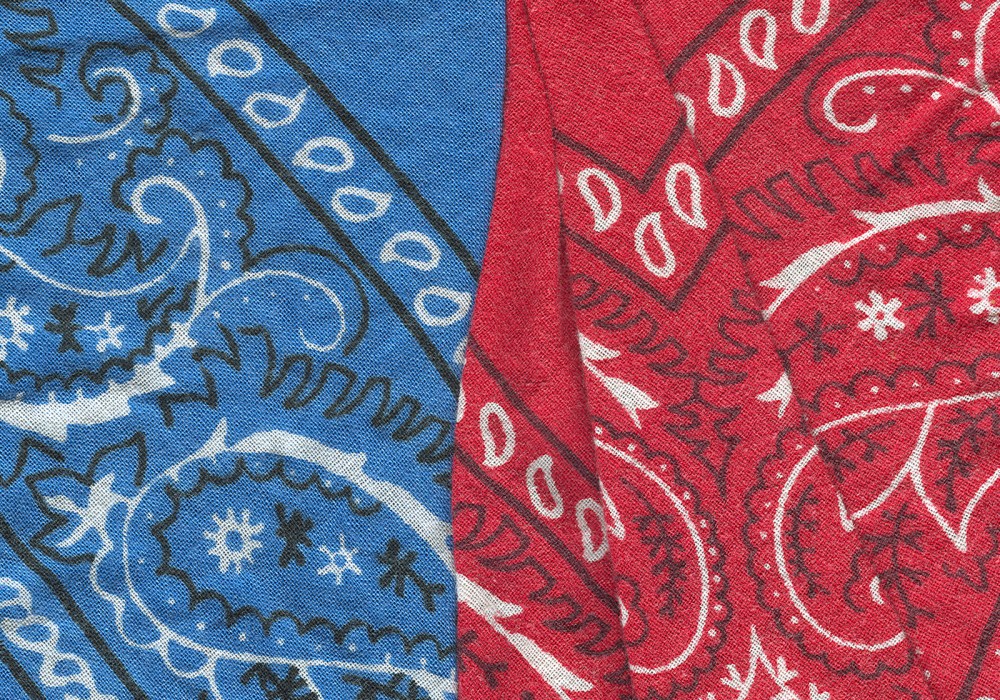
For instance, did you know that colour can elevate different kinds of creativity? According to this study, red can promote analytical aspects of memory retrieval and proofreading, whereas blue is good for brainstorming and innovation. Also in the same study, researchers have uncovered a correlation between noise levels, distraction, and types of work done – moderate noise and high noise produce more abstract processing vs low noise, but high noise impairs information processing, so moderate noise is the sweet spot for creativity, something which I touched upon in a previous post.

The most interesting thing about this study, of course, is that it demonstrates the correlation between creativity and improvement.

Another article I found recently references other aspects of life which can impact creativity. This is another one which Professor Juliet Zhu has looked into, and is a huge advocate for. Apparently dim lighting vs bright lighting an produce different results. Believe it or no, dim lighting has a positive association with abstract thinking and creativity.

cave-painting

Maybe that’s why cave painting started us off on this creative pathway in the first place?

But the article goes on to demonstrate that temperature and space make a difference too. Choose a cool setting for simple tasks and a warm place for complex ones. Clutter creates less self-control (binge eating for example), whereas organization creates self-regulation and persistence, both useful in their own situations. And that latter topic also happens to be something I’ve written about previously.

Still another article I read described the importance of writing out ideas by hand, which helps with idea generation, learning, and memorization. And apparently taking walks and working in rooms with high ceilings helps to promote creativity too.

But what you may not have considered is the importance that comfort can play in creativity both physical and mental. Having a space which has both small areas of intimacy and large open areas can stimulate different kinds of thought. And of course, you also need to be able to experiment and fail at projects. No one is capable of perfection, but surrounding yourself with individuals that do not support risk-taking stifles creativity quite a bit, so do what you can limit those kinds of interactions.

Jim Rohn said it best with the following quote

You are the average of the five people you spend the most time with.

It is imperative that you consider your relationships carefully, and to be closely surrounded by positive, supportive people who want you to succeed, and it’s also necessary to have critics. Though I suspect we can touch on that last point in a lot more detail and so I shall save it for another day.

What did you think of that theory? Does your environment fit the conditions above? Have I missed anything? Please leave some comments below, like and share this post, and of course please subscribe to my blog for more stimulating ideas about the arts.

Tim!


Mix Tape (Pusha T, King Push – Darkest Before Dawn: The Prelude review)

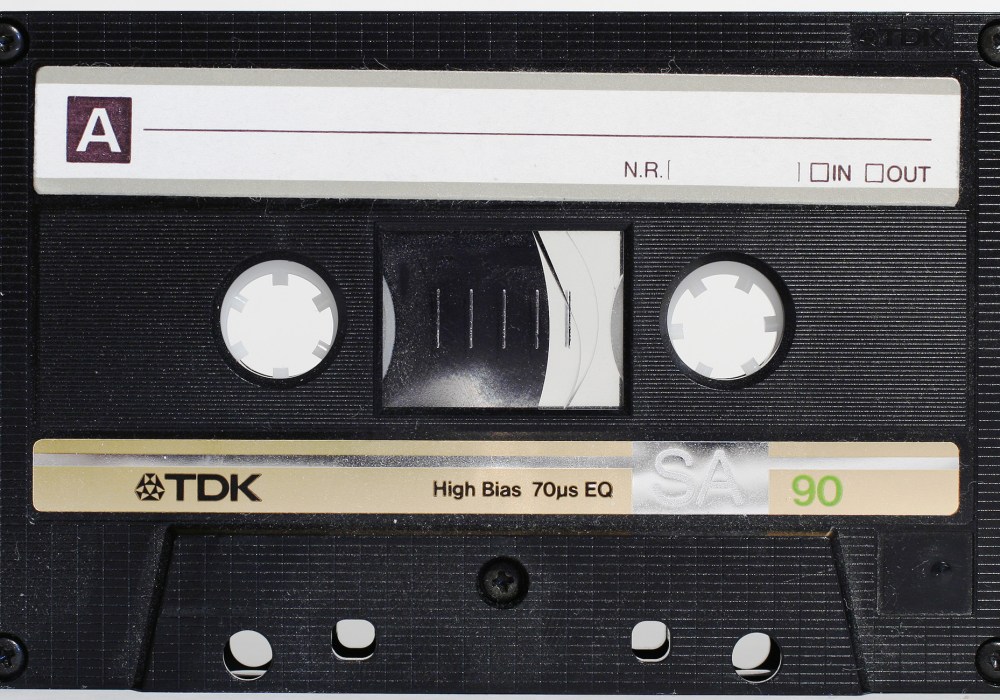
Did you ever make mix tapes as a kid growing up? I know I was fortunate enough to experience those little cassette joys before the CD became popular and then the mp3, and now we have streaming services instead.

Technically the mix-tape as it was originally created no longer exists.

That’s because music is no longer recorded or transferred via chrome and metal tape. But the spirit lives on and there are a ton of artists still releasing mix tapes today

If we look at hip hop culture in particular the mix tape is prevalent. And sure enough, that’s what I am going to be reviewing today.


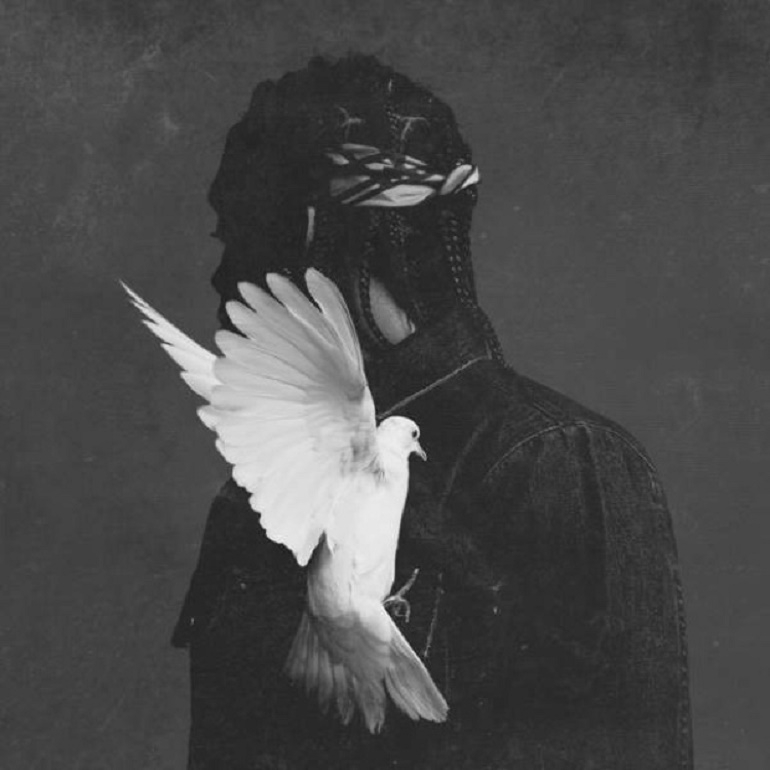
Pusha T – King Push – Darkest Before Dawn: The Prelude
released December 18, 2015
******** 8/10

pusha-t-darkest-before-dawn

Terrence Thornton, better known by the stage name Pusha T, is an American hip hop artist.

His solo career began in 2011, but don’t assume that at 38 years old he is unlearned in the music scene. Before he was Pusha T, he was one half of the hip hop duo Clipse – for the better part of two decades with his brother Gene “No Malice” Thornton.

Pusha T kickstarted his solo plans with a mix tape titled Fear of God. Following that release a couple of years later came his debut album My Name Is My Name.

King Push – Darkest Before Dawn: The Prelude is Pusha T’s next supposed “mixtape” effort, and I have to tell you, it’s really banging hip hop. His haters claim he hasn’t really split off from his brother proper yet, and that he is very much past his prime, but I am going to have to strongly disagree with both of those statements.

First off, he doesn’t mess around at all. He moves back and forth between his past in the drug dealing world and his experience as a veteran of hip hop who can help to salvage the culture and usher us into a new era of greatness. But maybe he doesn’t want to. And he acknowledges racism in a very honest way, closing out the album efficiently.

The flow and the instrumental of the record is kinda reminiscent of Kanye West, which makes a lot of sense given that Pusha T is now the president of G.O.O.D. Music, which is Kanye West’s baby.

Adding on to the production celebrity checklist, Pusha T gets some help from Timbaland, P. Diddy, Hudson Mohawke, Baauer, J. ColeQ-Tip, Metro Boomin’, and of course, Kanye West.

The production fits nicely with his practiced and well constructed writing. You know when you listen to songs like Crutches, Crosses, Caskets, MPA, and Sunshine that you are being set up for amazing musical references, but he is a little slow with his hooks. Now thatmight be a result of age but it could be a conscious decision too.

And quite frankly, I don’t think this approach wrecks any of the tracks; but if you want lyrical agility, this album doesn’t ever really ramp up into third gear.

But that’s the allure of Pusha T.

He is a former drugdealer who misses his trade. He does what he wants, and he isn’t afraid of the results. And that makes his rapper persona scary. You see, some rappers got into the drug trade to making a living, others needed money to get out, some were in it for the excitement, or of loyalty to friends.

He simply does not care about any of that.

This would make him seem unstable, but he is running a record company, so how unstable could he possibly be?

You should check out these tracks if you want to see more of his skills up close – Untouchable, MFTR, Crutches, Crosses, Caskets, MPA,


Apparently the hip hop scene even has a single term of mixtape to identify the format. Artists like Pusha T produce these records to give their fans original music, freestyles, and remixes to get the content out into the public, and sometimes they do it for free too.

That DIY youth culture of self is still really strong, and Pusha T is emblematic of his generation. Working against the standard and promoting change. His search for individual freedom and dignity, while embracing his background make him a perfect case study of a Generation Xer, those who invented the mix tape.

But what do you think, dear readers? Listen and tell me!

Tim!

What A Creep Show! (DeviantArt)

What the heck is a deviant? And why does it send a chill down your spine when Grandma calls that guy with a mustache across the street feeding the pigeons one?

I’ve often wondered this myself dear readers, and I’ve read definitions of the term of course, to properly understand what the word means, but do these people really exist? I feel compelled to wonder, and of course they do, because people are slowly coming to terms with the idea that normative behaviour isn’t as far reaching as we’ve been told by experts. but before I go any further, this description should get us all started on the same line of thought.

deviant

(ˈdiːvɪənt)

adj

1. (Sociology) deviating, as from what is considered acceptable behaviour

n

2. (Sociology) a person whose behaviour, esp sexual behaviour, deviates from what is considered to be acceptable

Okay, so if someone differs from a norm or a standard of society, then that makes them a deviant. But why do I have a strong suspicion that grandma is somewhat biased in her outlook?

giphy

Well to be quite blunt and methodical, my rationale for this is that while psychopaths and sociopaths are decently capable of managing their illness from an external viewers perspective, there are several factors to consider.

According to this article which discusses the findings of Dr. James Fallon (a neuroscientist of U of California who accidentally diagnosed himself with psychopathy), people can have the genetic markers of psychopathy but not be dangers to society, but that doesn’t mean they are criminals. And further to that point, it can be difficult to separate “discovery” of traits from “acknowledgement” of traits and realize that doesn’t make the person a threat.

So the assumption from grandma that someone is a threat because they have strange behaviour is problematic, and further to that point, the people who DO exhibit those tendencies or follow criminal behaviour don’t exhibit the behaviour in obvious ways in most cases.

But you knew that discussing sociology and criminal deviancy wasn’t the real intent of today’s Wisdom Wednesday post.

No I want to write about the implications of deviancy and share with you a resource that encourages that behaviour in the realm of the arts. And luckily for us, the name of said source is DeviantArt.

Deviant Art is the self-proclaimed “largest online art gallery and community,” and has been around since the beginning of the 21st century. Which is fairly poetic and appropriate, given the content it churns out.

Of course I am going to over the INs and OUTs of the community with you of course, but I think this tutorial video I’ve included below is a good place to look at before we continue. Mostly because it makes me laugh.

If I’m being perfectly frank, DeviantArt is not as obviously deviant from the typical fare as it sets out to be, but that doesn’t mean it is something to avoid. As you learn to navigate the forums, you will find some really amazing content and in many cases, it will spurn creative ideas.

Where you see the deviation will be in the communication of ideas.

Don’t be alarmed by this. Because it is an unmoderated forum, there will be offensive artwork, but mostly it comes in the form of posts and groups. The questionable content is what makes the website so unique in it’s identity.

This website has millions of images on it which is amazing in and of itself, but it also features videos and written content for artists pursuing those disciplines. It is effectively both a gallery and an art forum, a place for people to submit their artwork and comment on artwork with both text and pictures. Heck, if you want can record yourself making a drawing and submit the entire process to the website for critique.

I find it incredibly fascinating that users have the option to submit their works to be used however they personally deem appropriate. Which means that work could be copyright protected or distributed freely.

You have the option to view work that is trending, artwork that is currently featured in contests, whatever has been submitted in the past “instant”, participate in art challenges, submit work to particular boards, comment on blog posts or create your own virtual gallery. And you would be surprised by all of the different kinds of artwork available from pencil drawing to painting, from child friendly to mature themes, from realism to comic book fan art, there is something on DeviantArt for everyone.

I hope you enjoyed today’s resource folks, please leave some comments and share you experiences with the website or send me an email with a resource you want me to talk about next. I’m out of theories for now, till next time.

Tim!