Playing With Fire (Megan Warkentin grad exhibition)

In those seemingly quite moments of exploration, when we’re all alone, and when we don’t know what we’re doing, that is when we might be the most alive. Consider this quote by Chuck Palahniuk, who often pulls from personal experience when writing his novels. –

Our real discoveries come from chaos, from going to the place that looks wrong and stupid and foolish.
Chuck Palahniuk, Invisible Monsters

In the month of October I released a couple of posts about a friend of mine. These posts supported an important interview I had conducted with my friend in the fall of this year. You see dear readers, she is graduating from the University of Alberta’s Faculty of Arts after a stint of approximately ten years in post-secondary education – her name is Megan Warkentin and she is a visual artist with a masters degree in painting.

Our interview was about the importance of exploration, whether inside the framework of a creative discipline, as it relates to the occupations of the mind or when considering the physical world and the items contained inside of it.

Megan has always been a creative individual, but it wasn’t until she went after her university education that she really focused in on visual arts… And now she is asking one of the hard questions of life over and over again in her art.

Why would someone risk their safety, health and potentially their life in the pursuit of stunts and dangerous activity?

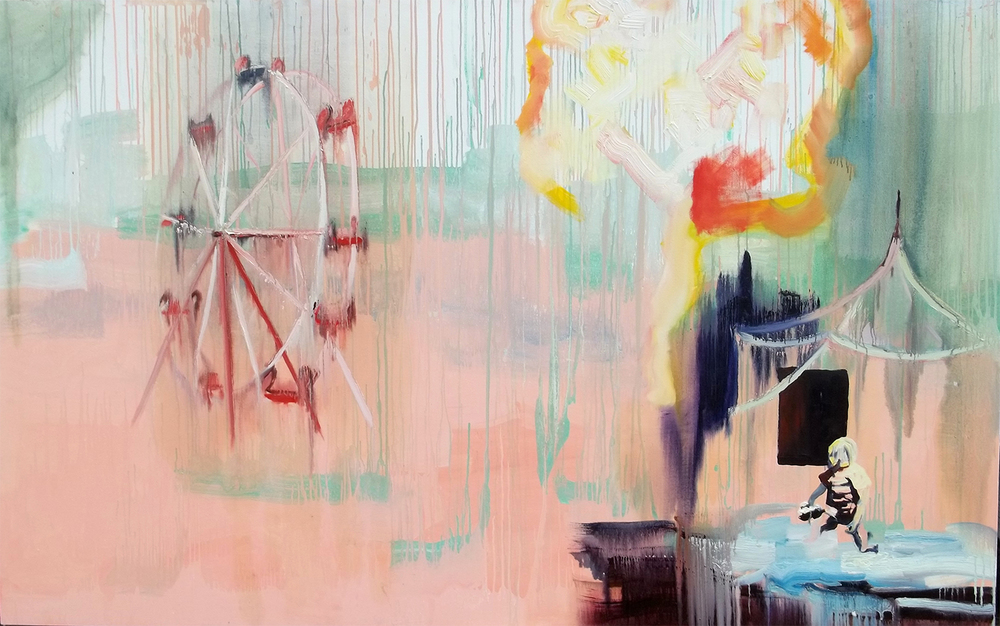
What began as a number of experimental paintings that featured still images from YouTube videos of people performing dangerous stunts and the resulting aftermath, has slowly evolved into a process surrounding larger ideas of risk and exploration. Megan is fascinated by human behaviour, and wants to know why people set themselves directly in harms way, why other people are fascinated by this behaviour in the first place, and how those onlookers might react to the sport of British cheese rolling or ravine jumping. Inspired by artists like Kim Dorland, Peter Doig, Daniel Richter, and Tilo Baumgartel whose work showcases contemporary society in interesting ways, Megan wants to truly address the absurdity of adrenaline junkies through crude art, with a hint of the sublime and mystical in the mediums used.
08_warkintoncopy

This body of work culminates with an exhibition titled Playing With Fire between December 6-22 and January 30-7 at the Fine Arts Building gallery (1-1 Fine Arts Building, 89 avenue and 112 street, University of Alberta) and is the final visual presentation for Megan’s degree of Master of Fine Arts in Painting.

I realize it’s short notice dear readers, but if you want an opportunity to speak with Megan about her work, you should definitely check out the opening reception tonight, December 8th from 7-10PM at the FAB building. Otherwise the gallery hours are Tuesday to Friday 10-5PM, Saturday 2-5PM, closed Sunday, Monday, & statutory holidays.

I’m out of theories for the week my friends, but I hope you come back on Sunday for a new episode of Cross Talk.

Tim!
Contest, Context, Concept (Fairness In Art)

My parents tried their very hardest to impart ideas of fairness in us from a young age. “Share with your brothers and sister”, “make sure that everyone gets a taste of that pizza”, “you all need to do your part to keep the house clean”, “don’t forget that it’s your turn to do the dishes”, and so it went, on and on.

joeydoesntsharefood

Every family deals with these challenges.

But I more time I spent with fairness and other moralizations as I grew into adulthood, the more I struggled with that notion of fairness, because each of the four of us had unique interests, talents, and levels of influence within the family hierarchy.

Fairness is supposed to represent a way of making value judgments that are impartial, and many well defined roles and responsibilities are given their own value sets to help establish fairness, in particular for activities and institutions which revolve around instruction.

For example, I often think of teachers and their responsibility to uphold an objective. Yes, anyone can take on a teaching role, but professional teachers are the group I’m going to focus on.

Back to the objective of teachers.

The objective of teachers is to educate students in skills and knowledge. Where it falls down for me though is through the method of instruction employed (pedagogy) by many teachers – that they know best because they’ve been trained to know the best. Pedagogy assumes that there is an ideal way to learn and an ideal way to teach, and thus the practice concerns itself primarily with how best to teach. Professional teachers are trained in pedagogy. Now, let’s put a pin in that idea for a second.

When we come out of post-secondary education, no matter our specialization, many students with a bachelors, masters or doctorate, assume an expertise in that particular field.

And we each gain a sense of fairness particular to that subset of knowledge, but going back to the family example from earlier, the problem is that if you have four children who all grew into unique roles, for example a BFA Art & Design, a BSc Psychology, a BFA Drama and BE Drama and Chemistry, and lastly a BSc Physics and BE Physics and Drama, each family member has refined their “fairness” through a different learnt pedagogy.

So almost all university graduates walk away with a sense of rightness or righteousness, depending on how you look at it. Then some time passes, and hopefully that code eases off somewhat, because another skill that post-secondary education is supposed to teach you is to continue to pursue education throughout your life.

Which leads me to my theory for the day.

I don’t think that fairness exists in life. Shock. Gasp. Awe.

whoa_ho_ho_omg_double_rainbow-14301

From a young age we are told to do our best and worry about ourselves, but that still stimulates us to try harder, and in a family setting, it can simultaneously instill a sense of competition amongst siblings.

Which is actually a good thing. Because life is competition.

We compete for grades, jobs, sexual partners, games (sport, video, tabletop), and status. But that ideation of fairness is just part of the conscious desire to simplify the world around us. Which lets us determine what is right and wrong, and gain a sense of control over the world.

But the world functions purely on those levels of success, so whatever morality we put into art making, education, business, and any other aspect of life is purely personal. When we stop to reflect on the problem at hand and look at the scale, it comes down exactly that.

Individually we might love something or someone, but that doesn’t mean that song is a popular song or that person should love us back. Decision-making is not resigned to one person or one subset of people, but to the broader picture of humanity.

So stop considering what you internally feel is correct or worthy, and consider what you have done for your community or the people around you and that will help guide the art you create.

It’s about impact.

The greater the impact, the more people who want to reward the efforts of the person who created that ripple. If you can move a stadium of people with your music, or entertain a crowded street with your improvised unicycle and ball juggling act, or even divide a whole city with your graffiti that addresses the automation of industry and complacency associated with it, you’re going to get recognition.

If you share your song with one person, one person cares, but if you shared it with influencers on YouTube, then you are all of a sudden an instant success.

Someone once said that life is unfair, but that’s not really true. Life is very fair, but we try and assume authority over fairness and change it. Fairness is competition, realized by what we are able to accomplish in our community.

Going back to the point I made earlier about families and fairness, I think families should work to achieve the workload, but we should cut that word right out of instruction, children need to learn their strengths and contribute to society in a way that they are best capable, and educators need to facilitate this via models of instruction, with tempered positions of authority.

But that’s just a theory.

Tim!
 

Post-Adolescent Idealism (Formalist Art)

Formalism – what is it? Why does it matter?

Formalism is a philosophy of art.

Let’s consider what formalism espouses then – It is centred around the idea that art should be judged and also created so that value can be derived solely from technical elements. Composition, symmetry, line, colour, and depth are all taken into consideration and then used to understand the work. This of course means that the artists personal pedagogy, beliefs, cultural background, and even technique are not relevant to evaluating the work.

Which is odd, because technique is the application of technical elements, but an argument could be made against theatricality then, so I can see why technique would be omitted.

And if you were to ask one of my professors from the University of Alberta, he would tell you that formalist art is the only TRUE way to look at and enjoy art.

His rationale for this belief is that feelings and emotions about art are difficult to assess, while technical aspects of a work can be very easily addressed and help to identify the strengths of a work against other works as well as determine if said artist/art is worthy of a place in art history.

Or if I were to put it another way, he was very quotable and one of his favourite sayings in response to the statement, “but I don’t like that kind of art”, was always the exact same one – “it’s not about what you like, [insert student’s name].”

For a twenty-something going through his post-adolescent idealistic phase, that statement bothered me very deeply at the time. W teh F.

a7983d032490766a9d8d58c183ea9879

I mean, how could I possibly deal with that? Liking things had proved to be useful in other areas of life, and when it came to what was popular in culture as it related to music, movies, and comic books, what I liked (or rather what youth liked) did matter, because it led to new and significant ideas and interests. Also, I was told that formalist was an aspect of modernism, and we were well into post-modernist thought. It was stupid, to put it bluntly, and seemed regressive.

At least, that’s what I thought at the time.

But like anything in life, looking at a subject with black and white ideals, is a non-answer.

On the other side of the coin was post-modernism, and while I don’t want to get into details of post-modern thought versus modernist thought, I was fortunate to be at a university where there were effectively two tenured heads of the fine art program. One a formalist, and the other a conceptualist.

So what does that have to do with defining formalism? Well, I am getting to the point dear readers.

The idea that art should be purely formal is an absurd notion in an age when we have ease of access to both images and video. And interestingly enough, art that is purely conceptual is also impractical because as the playing field levels in a globalist economy, we are all responsible for our share of entertainment, politics, and environment.

Conveniently for us, that means that a moderate approach is likely the best solution for the time being. A transition from aesthetics or ideology to moderate formalism or as I prefer to call it modern craft is definitely the sandbox we should be playing in right now.

According to Nick Zangwill, who wrote a book called The Metaphysics of Beauty in favour of moderate formalism, all art has aesthetic properties, but not all art is defined by its context.

I can buy that for 5 bucks. There is inflation after all.

hqdefault (1)

What that means for artists is simply this, you should create art that is well made and which you dedicate considerable time in constructing, whether for volume, quality or a combination of both. Ultimately, it will provide you with expertise and ability. If you choose to seek formal education or not, your art will improve over time, and supply you with the aesthetic needed. As to the contextual claims of personal or cultural narrative, you can decide how important that is to your work.

No one has to be defined by their environment. That is the beauty of modern craft. A theory to support the current generation of artists, but not one to define them with. Though it is only a theory at the moment.

But what do you think? Would you rather your work be purely formalist in nature, purely conceptual? Share this with your peers and join the conversation. Otherwise, I’m out of theories for now. I’ll see you tomorrow with a music review about a band of brothers.

Tim!
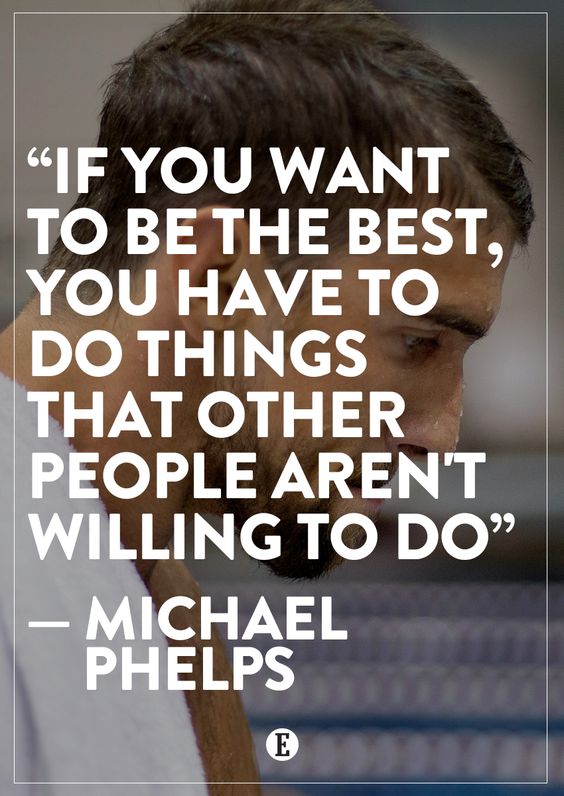
This Is Your Brain On Words (Quotes To Inspire Creativity)

This might seem like a bit of surprise, but I have not always enjoyed the writing process.

fresh-prince-of-bel-air-will

And I don’t think I’m alone in this attitude. Much like any “seemingly” basic skill, writing takes some time to learn, and a lifetime to master. Because of that hard truth about writing, from a young age I always felt pressured into the writing process and moreover, that I didn’t have the characteristics to make my ideas and literary voice heard. So I did what I would do with social situations, I would borrow ideas and quotes from other established works.

This of course changed after I got accepted into university and had the opportunity to expand my library of literary options.

It got more difficult!

I thought that maybe I wasn’t mature yet or life experiences hadn’t happened enough for me so I didn’t have a way of articulating detailed stories proper. But as I explored my own identity I began to realize that creativity doesn’t happen in a vacuum, and for me, I enjoyed pulling from different sources to build an idea out. Also hard won personal experiences with writing under pressure over and over again helped relieve some of the stress.

Which is a pretty cool thing, if you were to ask me. But I guess you are asking me, seeing as how you are at timotheories right now, reading about my ideas. Fortunately I do have a formal education in the arts so it’s not like I’m Joe Blow from Timbuktu writing about my snail collection.

I’m an expert in the arts and on this journey with you.

Which is why I decided that today I want to share some word wisdom with you, and in anticipation of a little old project I am about to undertake(read: new project. But I’m getting ahead of myself. I’ll share that project with you on a later date. For now, let’s start with that sweet sweet wisdom dear readers.

I’ve written about the power of reading at least once before, but have I discussed the power of words themselves? No I didn’t think so either. Sometimes we get so caught up in our routines (which are helpful) that we forget to spend time enjoying life and *gasp*, procrastinating simply to be immersed in culture.

Matt-LeBlanc-Gasp

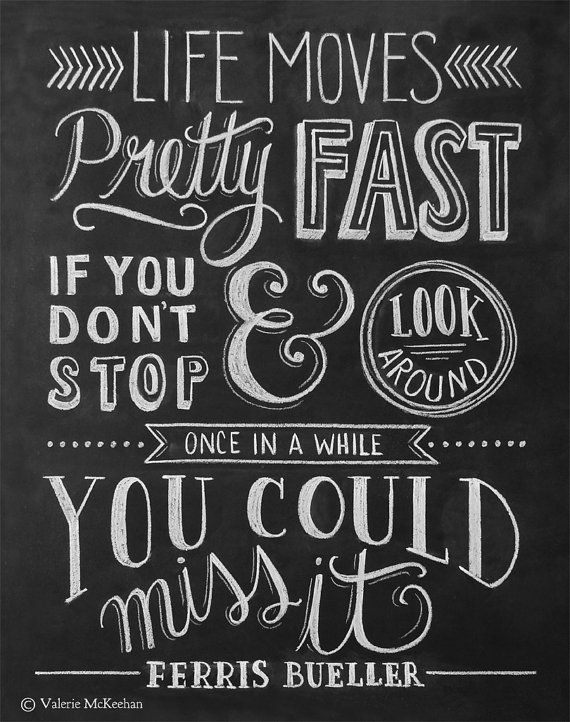
But seriously… Sound familiar? Bueller? Bueller? Bueller?

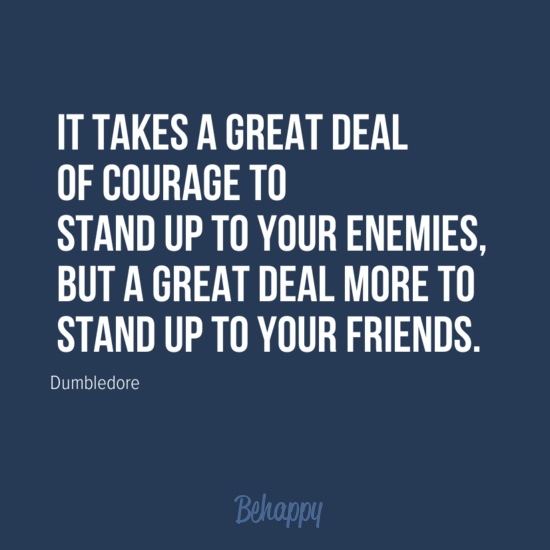
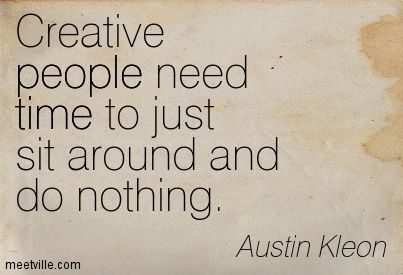
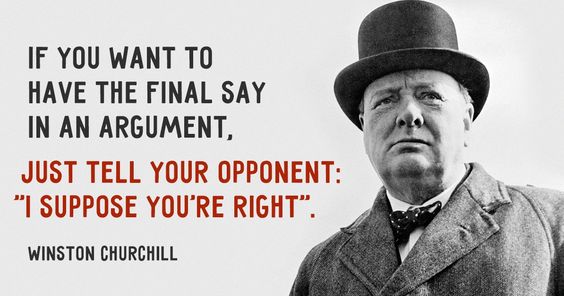
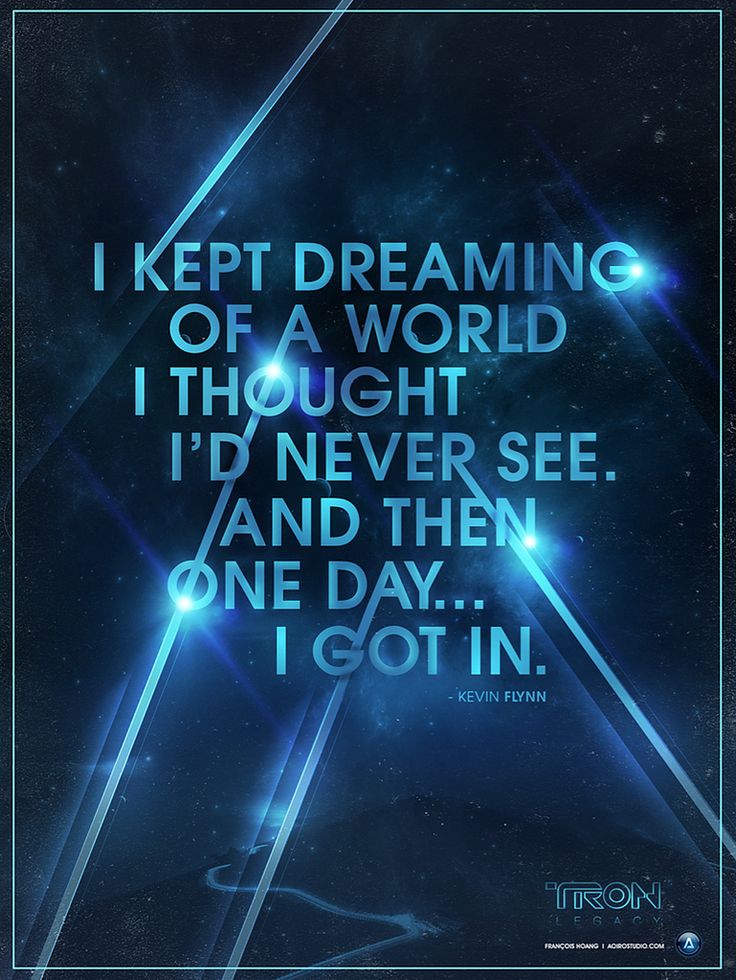
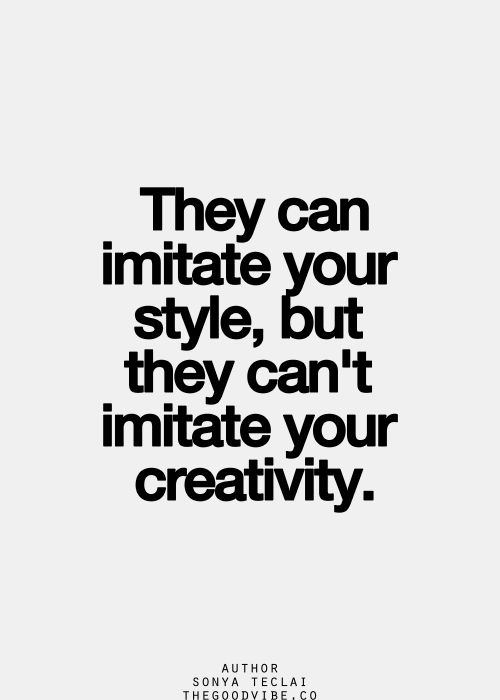
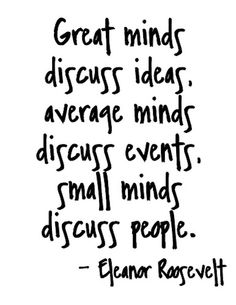
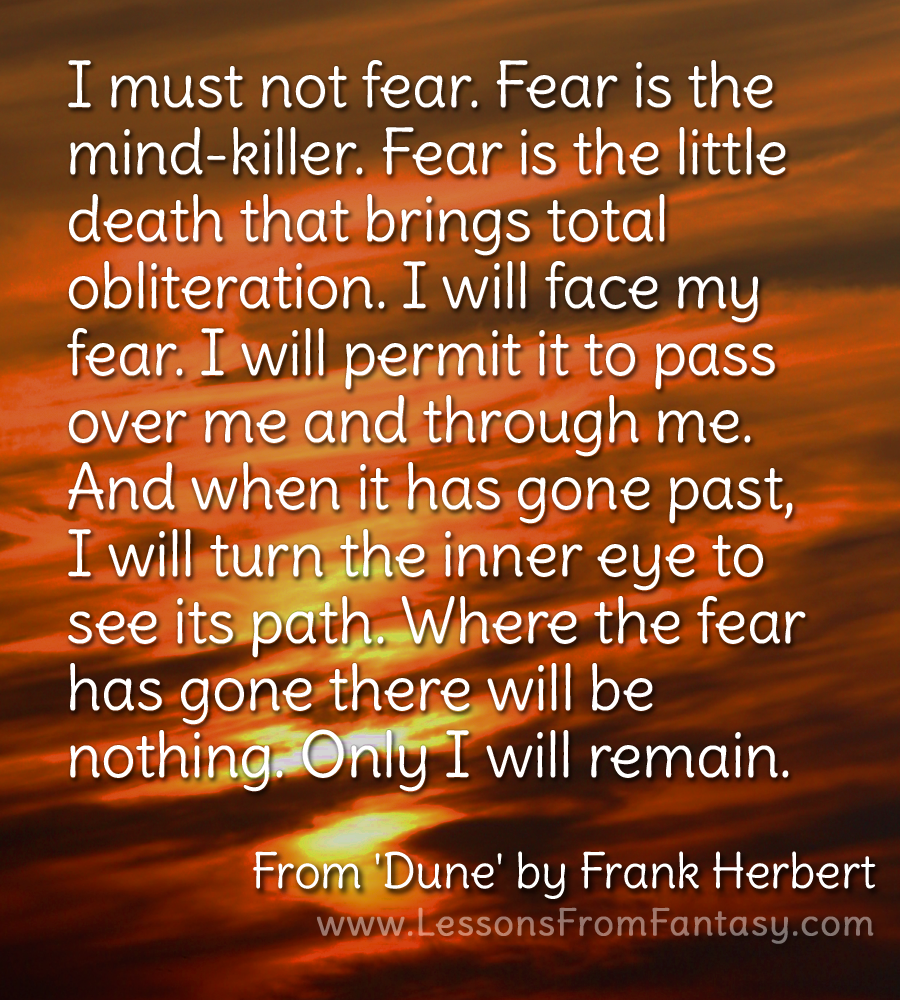
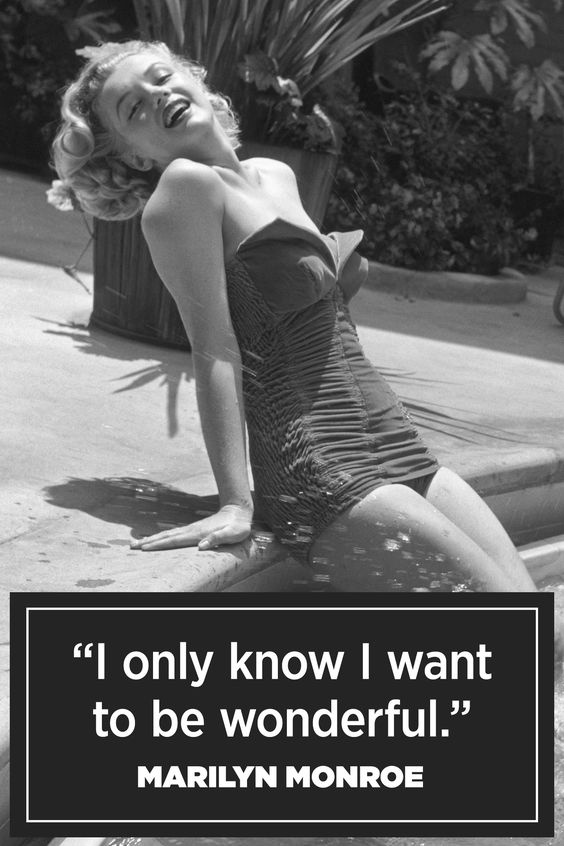
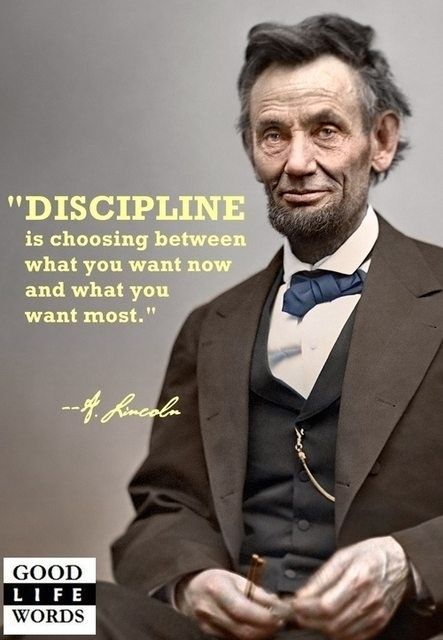
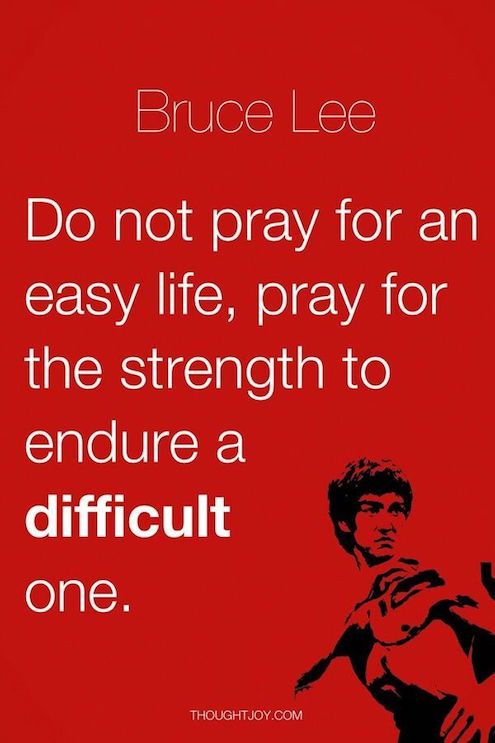
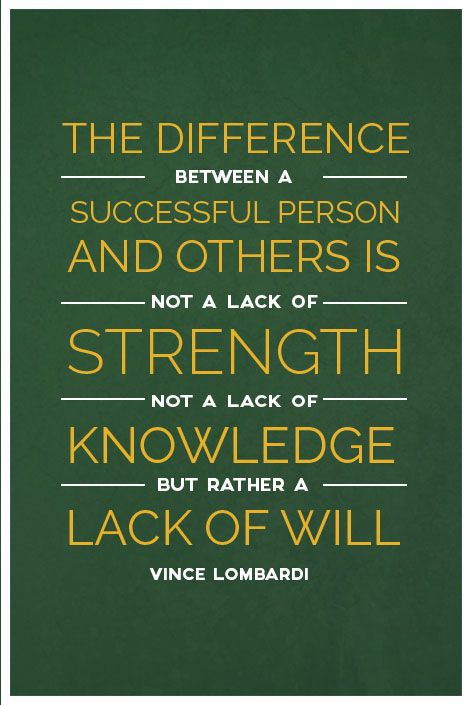
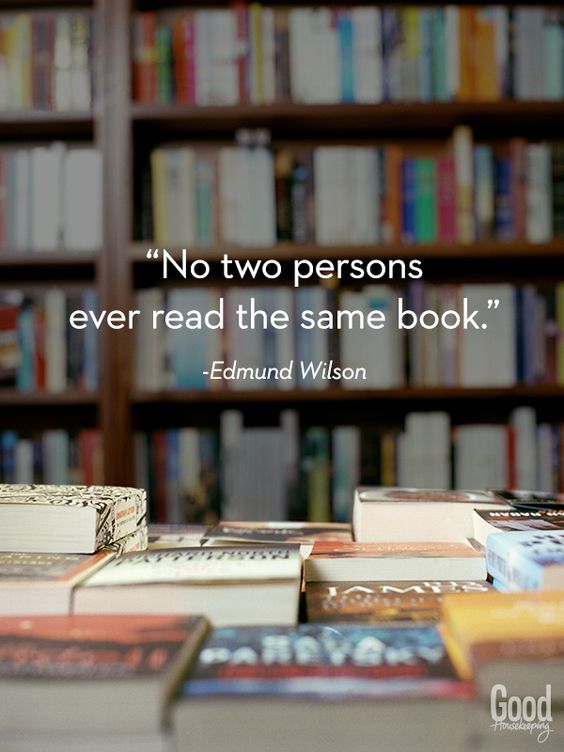
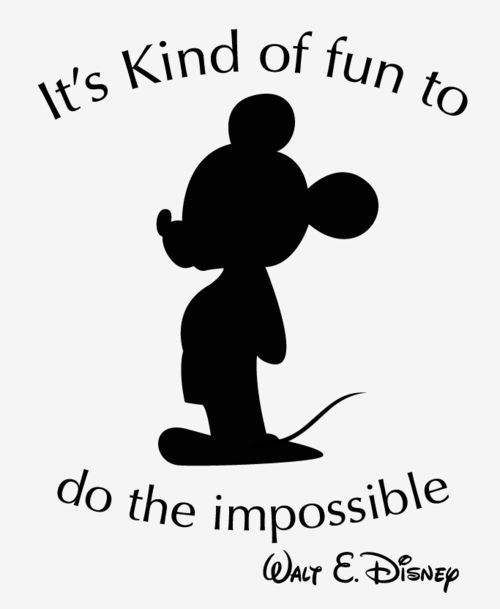
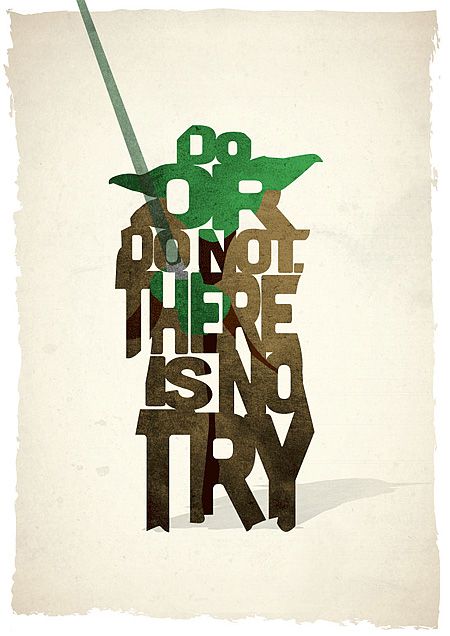
Personally I’ve found that reading exercises my brain and that taking quotes from literature can help cement new ideas or creative directions I want to take – So today I’m going to share with you, in no particular order, some of my favourite quotes from film and literature, as infographics. And after you’ve gone through the list, I want you to think about how you feel. But for now, let’s take a scroll.


62a8dc19c80437c6dc7c057b908dfdddi-live-my-life-a-quarter-mile-at-a-timebe388b1c75f0b011caad3f9ee0dc2fb574e7613e7819c69b5650e314e47af552c6f7097246d3b6b4d207cfd2c991f4209803d7b76399660a37af190426dab98dc48fb90ba455bd173c5cc7f505e4ae68

4630fa22ebc4f95d679fde53cf60648db44c5d59f7c75f94f683a47c3a6c812f811a8c296c57ce68cec0bd1764b3e6cd8dfe92ffc40727f6d88387da258fd0a64be5f546399c33d7f8e8bf10d1b011d304-Herbert555195_1286482321349_full5798-but-it-aint-about-how-hard-ya-hit-its-about-how-hard13m5wfQuotefancy-4091-3840x2160

life-moves-pretty-fast ebb2b831a7a7e336c100e911805e2b2c 977e468b997cdd6a412e4c1ab36bb05af1b13934db5ab5ce4008e2a6a2e498325dedf2031071319794c468c9f5674d39e1f27c0ad7f943596b2323e68a4bdb44463c7dae129e9d9c6fc9bd162807e513c1de8dfeee0bdfdbe0b84edc55e7f3f29e208a258510cac84ca520cf222cb8c5


Bet you are feeling pretty good right now? And some of those quotations are tied into your own experiences. You see, dear readers, I have this theory that word association has the incredible power to motivate, but only to motivate. It doesn’t provide discipline, like at all. But that is not what it was meant for.

You need to balance short term pains (emotions) against long term gains (skill). It’s just how it is. So why not spend some time building a Pinterest board or vision board or whatever to give yourself some instant emotional gratification? And most of those quotes are useful advice anyway, and there have been studies done that indicate human beings can only learn a few new things at a time.

So put your ideas up somewhere digital or real; bathroom and bedroom walls can do the trick. And revisit those quotes regularly, that way you can slowly absorb the knowledge you need, to increase your knowledge, skill, and discipline to create.

While, I’m out of theories and wisdom for the day friends, so I’ll see you tomorrow with something timely!

Tim!
25 Years In The Making (Butterdome Craft Sale)

There are some events which can’t really be described properly with words alone. But you know them when you see them. And when you ‘experience’ them.

I cannot believe it’s been this long since this phenomenon known as Ghost first graced our lives back in 1990.

http://www.youtube.com/watch?v=I1idoLQYjMI

If you haven’t seen this movie before, you are doing yourself a huge disservice. You need to stop reading my post RIGHT NOW and go out and find a copy of Ghost. I don’t care if you use VHS, DVD, Blu-ray, a digital streaming service or have to read the script to accomplish this. It’s important dammit.

Okay, now that I’ve gotten that point out of the way, I’m going to recap for those of you who decided to stick around anyway and give you a quick recap of the story of Ghost.

Sam Wheat and his fiancee Molly Jensen have just moved in together. Sam and his friend Carl Bruner work at a bank where Sam is responsible for many important accounts including their passwords. Molly happens to be a very talented ceramic artist.

On their way home from a movie date, the young couple are attacked by mugger Willie Lopez. There is a struggle and eventually Willie’s gun goes off, however Willie runs away. Sam chases Willie, but he eventually escapes. Once Sam turns around and comes back to Molly, he sees that he has been shot dead is now a ghost.

Later, Willie breaks into Sam and Molly’s home, but is scared off by Sam before Molly even knows what had happened. Because Sam can’t communicate with Molly, he visits a medium by the name of Ona May Brown, who can hear him, but not see him.

Sam asks Ona May to visit Molly, but she has no success convincing his grieving girlfriend. Carl also warns Molly to stay away from Ona May and leaves for Willie’s apartment where Sam learns Willie was supposed to steal the account passwords from Sam’s wallet for Carl, so Carl could carry out a drug money laundering operation.

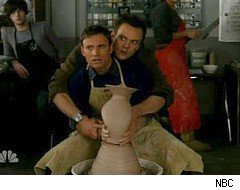
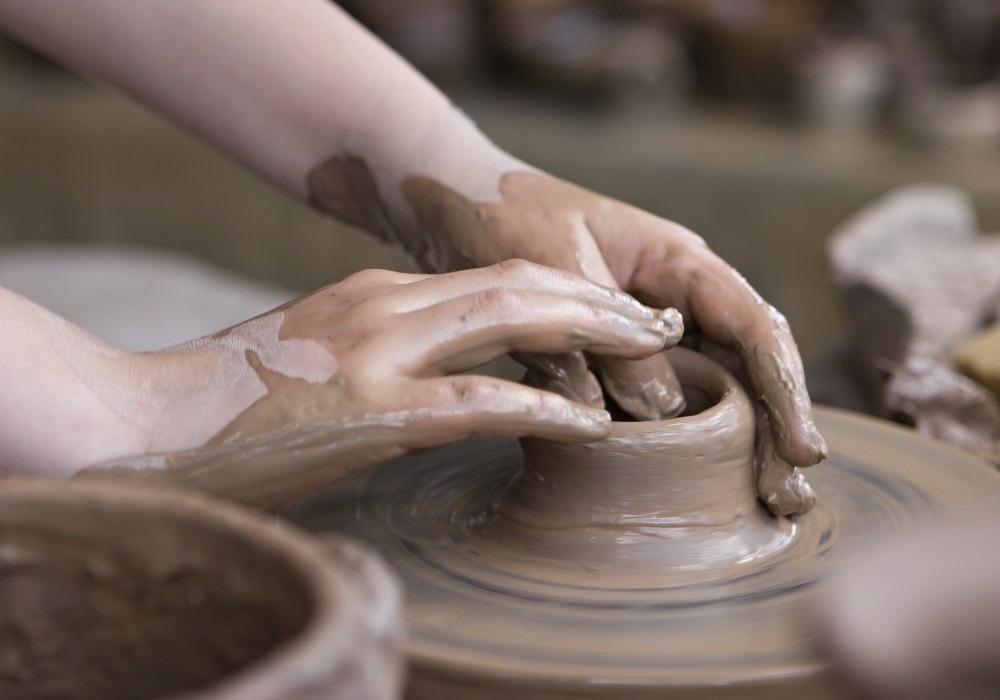
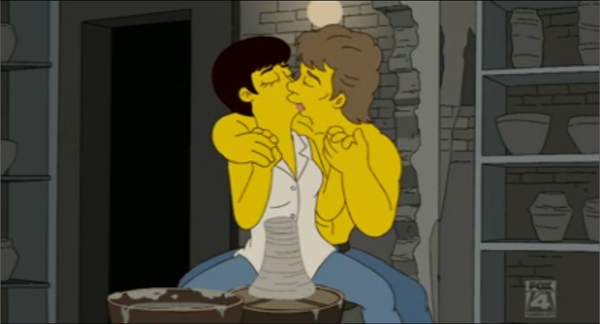
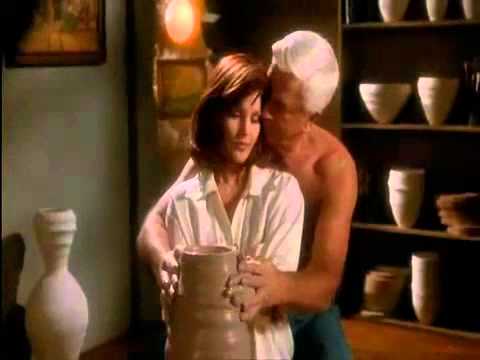
The movie celebrated it’s 25th anniversary this summer and as I mentioned, if you haven’t seen it before, you are shorting yourself of a really great story. And also a pretty fantastic piece of pottery pop culture which has sparked numerous interpretations over the years!

Some of my favourites follow below:

Simpsons-ghost-sm

hqdefault.

ghostparody

community-pottery-class-ghost-scene

dcab71700721976cb8246203b6c7ee22

But what does this have to do with today’s post? Well, I may have set myself on a fool’s errand with my buildup of today’s Timely Thursday entry, but I still think that I can tie this all together, outline this event for you, and convince you to come check it out.

The title is “25 Years In The Making,” both the movie Ghost and this event involve the art of making or “crafting”, both have existed for 25 years, AND both feature pottery, which happens to be an art form.

So there you go!

Let’s not argue semantics, but you are right – this event hasn’t spent 25 years in development dear readers, that was just a play on words on my part. And given that I’m going to be writing about The Butterdome Craft Sale today, I think it’s only fair that I emphasis that this bi-annual event takes place just ahead of Christmas every year and also in the spring in anticipation of summer fun and parties.

The Butterdome Craft Sale is a landmark for Canadian handmade products, and as I mentioned earlier, it happens to be celebrating a fairly major anniversary this year, just in time for Christmas shopping or holiday shopping if you prefer. An event that spans Thursday – Sunday, and usually on the first weekend of December, The Butterdome Craft Sale features artwork (paintings, sculpture, glasswork, decor, etc.), fashion, jewellery, health and wellness, food, and entertainment. Also Christmas ornaments.

You can find something here for just about everyone, and I usually do most of my shopping during this weekend. I also really enjoy taking the time to talk with the vendors and get to know a bit more about them and their craft.

Now, the dates – It just so happens to be taking place RIGHT NOW. It takes place between December 3-4 (10-10) and 5-6 (10-5), so don’t sit on your laurels. Get out there!

Okay, but you need directions.

The Butterdome building is located on the University of Alberta Campus in south Edmonton. You can get there via the LRT (University and Health Sciences), by bus, or find a parkade on campus. The building is bright yellow, so it’s pretty difficult to miss, but the south corners are 116 st/87 ave and  114 st/89 ave.

I really do hope you check it out, I promise you’ll enjoy it. That’s all I’ve got this week folks. Enjoy your weekend.

Tim!