
Daylight Savings Time (G-Eazy When It’s Dark Out review)

Every year most North Americans set our clocks back an hour in the fall to get more daylight during the winter months, and as a result, that first day of daylight savings time really feels nice. But then it really hurts in the summer when you lose an hour.

What a stupid practice. It doesn’t benefit everyone, and we all know it isn’t real. For centuries, we would just accept that when it got dark out it was time to go to bed and when it was lighter for longer periods, we would work and play for longer.

Which leads me to this week’s album review.


G-Eazy – When It’s Dark Out
released December 4, 2015
***** 5/10
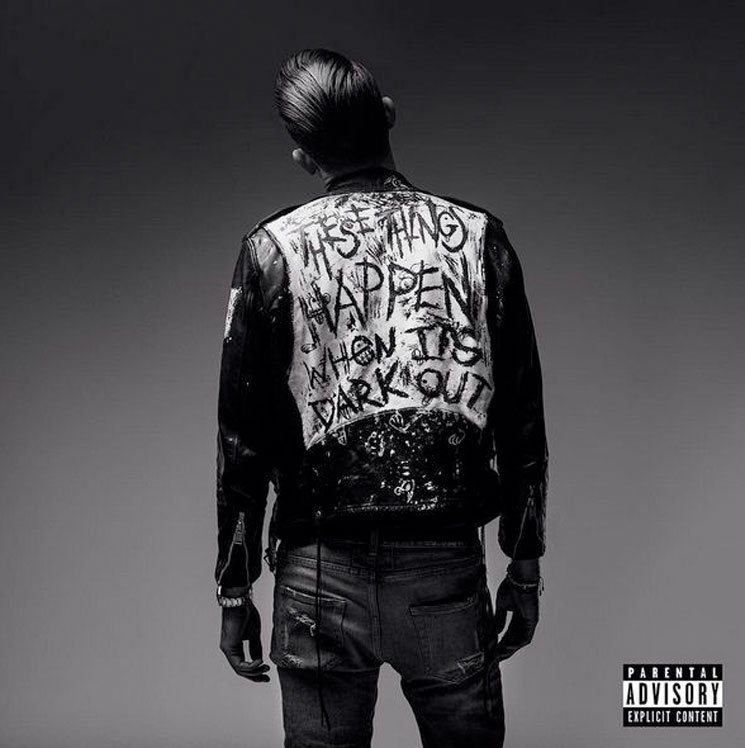
geasy

Gerald Earl Gillum, known professionally as G-Eazy, is an American hip hop artist and producer. Signed to RCA records since 2014, he has now released two studio albums for that label.

I’ll start the review off with this anecdote. I was not expecting to review another white indie rapper so soon off the heels of MGK. But that is one of the perks of writing reviews on music I am either less familiar with or have no background on.

I haven’t listen to his debut album, but judging from the reviews and feedback out there, this is an improvement over his first effort.

Because hip-hop is founded in heavy cultural roots of south bronx african american youth, it always comes down to honesty and earnestness. Personal stories of whatever kind whether it’s hardship or success. This is something which I think we sometimes forget now that hip hop has exploded and now become the most listened-to genre of music globally.

Does G-Eazy prove he understands this on When It’s Dark Out?

I think so.

But I’m a little hesitant with that statement.

I think he really is telling us how hard it has been for him to become successful, and I think he has faced challenges with relationships, and I think he wants to have fun.

But I don’t know how compelling it is.

Don’t get me wrong, it can be fun to listen to, because the lyrics can be interesting at times, and the production value is super high. Which is a testament to the costs spent on making this album happen. But as G-Eazy says so himself

“The sophomore album is one of the most treacherous obstacles for any rapper… I dug as deep as I could until I was literally drained of inspiration.”

I just don’t think that inspiration he exerted makes this album one that we are going to remember. Because his stories are not meaningful enough. He looks confident and has an interesting wardrobe, but this is one of those cases where fake it till you make it might have worked more in his favour.

Some of the more interesting tracks are Random, One of Them, Sad Boy, and Everything Will Be OK.

There are a couple of music video for Me, Myself & I and You Got Me which I think will visually help demonstrate the confidence, image, and where the music doesn’t quite say anything.

At the end of the day, this one wasn’t really for me, but who knows, he may improve even more on his next record and start implementing thoughtful lyrics. When that happens, watch out.


When It’s Dark Out reminds me of daylights saving time, we are trying to simulate music now that is very specific and culturally significant. Sure you can move the clocks forward and backward and the daytime still exists, but we know better. This is just retailers dream.

Tim!

 

Lifting Bro (Work Hard & Work Smart)

So I have this theory, right? I know, crazy of me to suggest this – I never have those.

But just hear me out alright?

I have this theory that hard work does pay off, but in order for it be worthwhile, you do have to work smart too.

One of my painting professors in my university fine arts program made this really solid point about the importance of getting a career in my second year.

He told the class on the first day, during a review of the syllabus and what we would need to in terms of supplies, that we should probably get a well paying day job if we wanted to be successful artists.

Wait, what?

I know, hear me out though! He said that becoming either a plumber or an electrician were a sure way to ensure we got paid while we stuck to the course of honing our craft and making connections in the marketplace and eventually finding a way to sell our work and make an impact in the art world.

I mentally recorded that idea because I thought it was an odd one, but also because I believed what he said almost right away. I had heard my share of comments about the futility of becoming successful as an artist, from loved ones and the general public. I needed to do what was necessary and make it happen for myself, I didn’t want to starve!

The idea of a starving artist isn’t exactly a new one. And where the heck did that idea of the starving artist come from anyway, and why is so pervasive in our culture?

That’s something that I want to talk about in the future dear readers, but which I will leave for another post.

However, let’s get back to this idea that my professor spoke about earlier.

He continued on to say to the class that the really talented people in school can never seem make it through the real challenges of life and so they stop making art. It’s the students who struggle initially in school and don’t get top marks, the ones that have to keep at it to get a win, and fight some hard won battles.

Those are the ones that typically become art superstars.

Now, this particular idea bothered me. Because I had always been good at art and was naturally gifted at it from a young age. I liked to draw and sculpt, to make family movies and so on. So I immediately thought to myself, “great, so I’m not going to make it because I have talent but I don’t have the commitment to stick it out.” And I was a little crushed. I carried that idea with me for the duration of my program and for a few years after I graduated too.

Granted, I did make steps to ensure I got a well paying job, but I kinda shrugged it off and made excuses for myself for a long time.

It was only recently that I realized what he was really trying to say!

No matter if you have natural talent at painting, music, comedy or dancing or if you simply enjoy it, the people who assume they know nothing and work hard to learn everything and continue learning as they go, are the ones who will eventually look back and see the formation of a career behind them and also see limitless opportunity ahead of them.

Richard St. John explains this idea particularly well in this clip about “why it pays to work hard.”

The real gift is not talent
It’s the ability to work hard
And we tend to underestimate work
And overestimate smarts
But in the end, work wins over smarts

Bold stuff right? It’s not entirely new, I’m sure lots of educators and coaches have stated this idea before, but let’s go back to my original theory for a minute again.

As I mentioned, I have this theory that hard work does pay off, but in order for it be worthwhile, you do have to work smart too.

Notice how I said you have to work hard abut you also have to work smart? That means you should always be working, no matter what. But unfocused work is not necessarily going to get you the results you need. No, you need to be prepared to fail. And to fail a lot.

Some people will tell you work does help, but that luck is a major factor in success. I would disagree with that statement, because if you keep trying, and try lots of different strategies, you will succeed.

It’s what some people call the numbers game. You see, the attitude of being in the right place at the right time also creates a scarcity mindset, and follows that same progression of thought which “talented” people have – that things are the way they are, and will work themselves out, with or without their direct involvement.

But that’s another idea which we can flesh out in the future.

What do you think of that theory dear readers? Should we work harder? Work smarter? Or a combination of the two? Leave some comments! Check back tomorrow for a movie review and maybe a theory too!

Tim!