Thunder Buddies (Broken Social Scene, Hug of Thunder review)
Every once and a while, we all need a hug. Especially when it gets weird and dark.
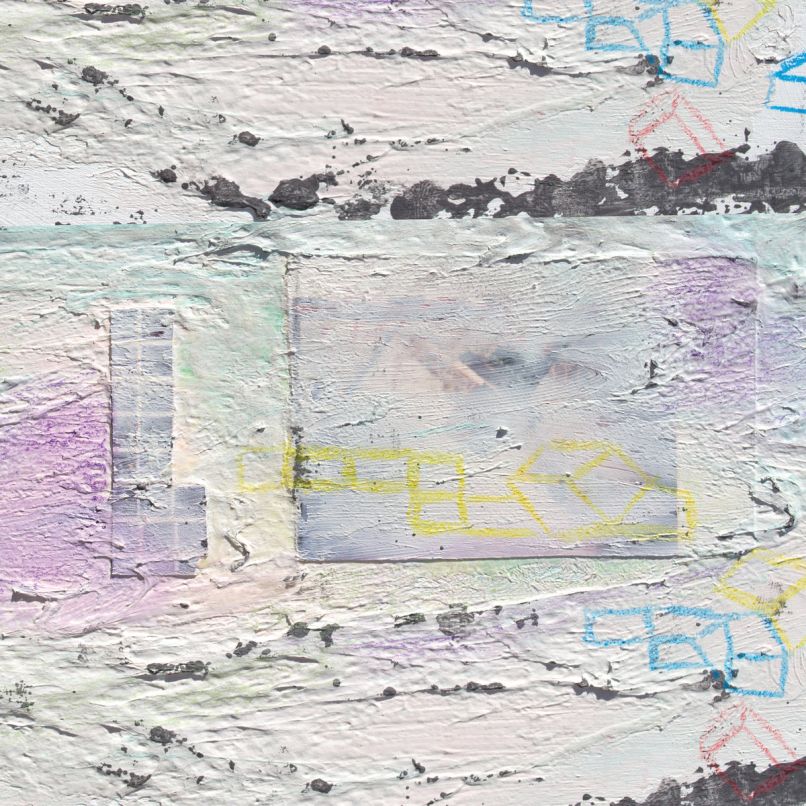
Broken Social Scene – Hug of Thunder
released July 7, 2017
********* 9/10
Broken Social Scene are a Canadian indie rock band (yay for Canadian content!) formed by Kevin Drew and Brendan Canning. Sometimes they have six members, and sometimes they have nineteen band members, because above all, Broken Social Scene are a musical super group of popular Canadian indie rock acts and solo artists…
Metric (Emily Haines, James Shaw), Feist (Leslie Feist), Stars (Amy Millan, Torquil Campbell, Evan Cranley), Apostle of Hustle (Andrew Whiteman), Do Make Say Think (Ohad Benchetrit, Julie Penner, Charles Spearin), KC Accidental (Kevin Drew), Valley of the Giants (Brendan Canning), Land of Talk (Elizabeth Powell), Raising the Fawn (John Crossingham), Reverie Sound Revue (Lisa Lobsinger), Treble Charger (Bill Priddle), Jason Tait, Justin Peroff, Jason Collett, Ariel Engle and a few other people have all featured at one time or another.
Altogether, they have released a whopping five studio length albums since their inception in 2001, which I think is pretty admirable given that all of these artists are in at least one other full-time band.
Despite misgivings that no band can be this big and still sound like the individual artists within, BSS manages to do just that. Sometimes they are chaotic and experimental, other times they are orchestral, sometimes they are sad and introspective, and still other times they are celebratory, but they are never timid in their presentation. Hug of Thunder is no weak sauce either.
This isn’t your Spider-Man album, no pulled punches people, please.
BSS spend most of the album letting us know that they are counter-culture, and by that, I mean that they refuse to share dream pop tracks and emotionally abuse people on the internet. This is a community of people shouting the importance of community, when most of us are screaming about politics into our phones. It resonates with the hipster nihilism we started to experience in the early 2000s, the stuff that took root in popular culture and grew into a field of bullshit weeds.
Ideas of love, community, sexuality, and honest to goodness rock and roll seem to have been completely forgotten about in recent years, but BSS refuse to give up on us ingrates. They’ll elevate us up, despite the incredible effort it takes to produce tracks like Gonna Get Better, tittle track Hug of Thunder, and Vanity Pail Kids.
I’m not gonna lie, this album deserved better than the world it’s been brought up in. Our celebrations of libertarianism are so common now that it’s tough to stomach the idea of pulling together and getting along, but Please Take Me With You and Skyline insist, almost plainly that we do. Though never quietly.
But here’s the catch, while you can consume this album in parts and pieces, it’s actually best viewed as a whole. Recognizing that a stable of musicians reunited after a seven year hiatus in order to combat against global indifference is a far stronger statement than Protest Song can deliver all on it’s own. Broken Social Scene have come together to release a pragmatic optimism, and that is probably the best antidote we could receive. Unabashed positivity isn’t realistic in 2017, but stating that the world is ending is foolish too.
We need to keep up the fight and keep working, vigilant without naivety. A challenge to be sure, but I wouldn’t have the message delivered any other way.
Pros: Halfway Home, Gonna Get Better and Protest Song are all excellent demonstrations of the gentle-hearted politics of this album, Hug of Thunder being a personal favourite.
Cons: At certain intersections the lack of a frontwoman or frontman is difficult to digest, and leaves the album feeling disjointed, like a compilation or a soundtrack, rather than an album. But this rare.
Runtime: 52 minutes
Points of Interest: In March of 2017, Broken Social Scene made an appearance on the Late Show with Stephen Colbert, featuring past members Emily Haines, James Shaw, Amy Millan, and Evan Cranley, indicating we would see the a return to form. Ariel Engle is a new member of the band, and she has worked with Andrew Whiteman on AroarA previously, which is how she was introduced to the rest of the troupe.
The best and worst parts of Broken Social Scene come from their ability to work together as a group, and in taking it a bit safer with this record, those aspects become more apparent. This is still an excellent record, but not perfect because the exploration isn’t quite where it has been previously. Their message is amazing though, which makes up for a lot of that safety net.
theories Summarized
To put it in brief, this is an anthem for a new generation of apathy. The WIIFM (what’s in it for me) drone need not apply themselves in this case, because Broken Social Scene are all about that open concept of love, empathy and pulling together as a greater community. I’ve not much else to say, except that you really should listen to this album. And those are all of my theories on the matter.
Tim!

 timotheories