
Better Than Your Parents Had It (Education)
Another post on the OECD index and inspired by postconsumers.com timotheories? Wow, haven’t you farmed this land enough yet?
Well… No, dear readers. Technically I still have to cover off the following – education, environment, governance, health, life satisfaction, safety and work-life balance. So we’re only a third of the way in! Plus, I could write at length about all of these topics and how they relate to being a good global citizen as well as a participant in your local community (and how it relates to the arts). This is a good thing, the website is called timotheories after all, it’s all about the curating the arts and connecting seemingly disparate theories together while having fun.
And this one is sure to be a good post. Education is one of MY FAVOURITE TOPICS. Ever. Period.
The Parents Broken Dream
One of the things I’ve learned as I transitioned from being a child into an adult, and as I recount experiences I’ve had with parents, my own and others, is that every parent wants to provide their children with a life better than they had growing up.
I’m not sure if this is one of those impulses ingrained in our brains OR if it’s a social conditioning similar to the idea that we need to have a good education and a stable job in order to have a good life, but it’s out there in the ether as a theory for success. I mean, life is hard, one minute you are living the dream and the next you are blindsided at 4pm on some idle Tuesday but an event that never crossed your troubled mind.
You can thank Baz Luhrmann for that tidbit. Back to my point.
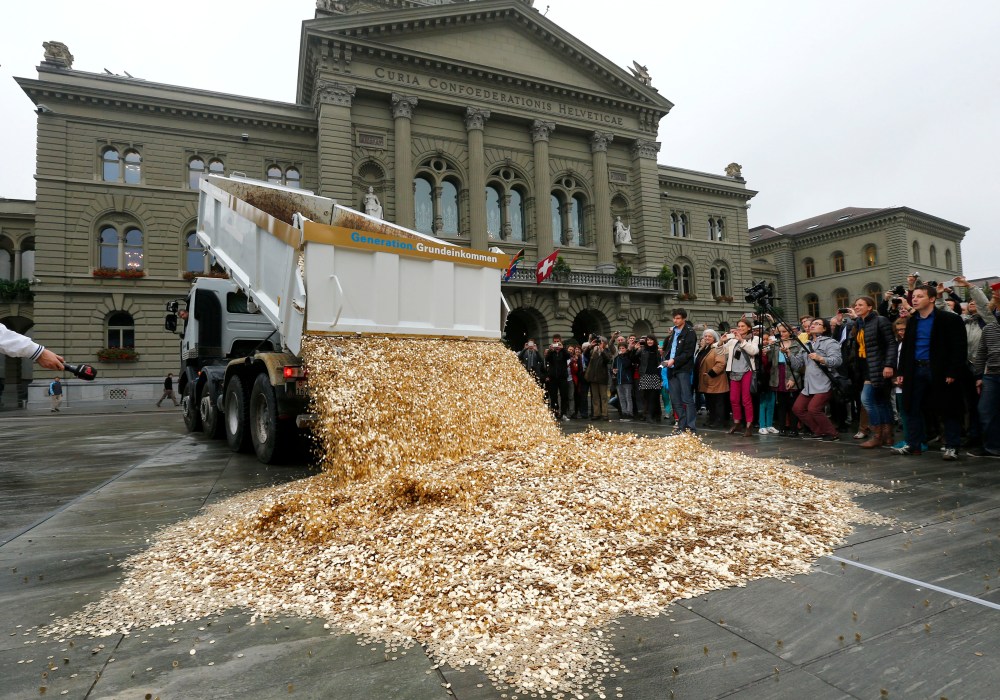
The economic privilege of the baby boomer generation is well behind us, dear readers. Baby boomers grew up with all kinds of benefits (free educations, established unions, more vacation time, company cars and trips) that generation x, millenials, and whatever comes next can only dream about. This is a major consequence of rising house prices. House prices in the 1970s and 1980s were incredibly low and the earnings on selling those houses has been significantly more lucrative for those families than what singles and young families could hope for today. On top of that, many retiring boomers are leaving behind debts and living on reduced pensions without any savings to back their lifestyles up.
If addressing gender and ethnic privilege are key tenements of politics today, we need to add in generational privilege as well. Skiing (spending the kids inheritance) is a thing of the past.
Investing In The Future
I hope you can see where this post is headed, and if you’re a futurist, like me, than you’ll appreciate the witticism, of that heading. For those of you without the blessing and/or curse of a dry sense of humour, investing in the future is never done. It’s an act of commitment to a process, not an effort towards a goal.
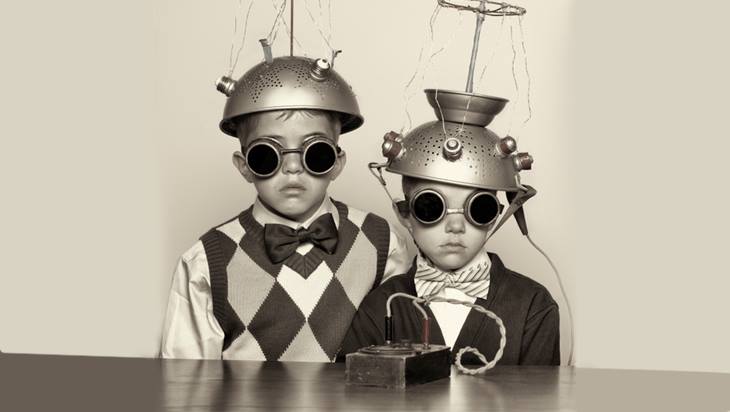
This is incredibly important in the face of a changing world creative cuties. When you make art you are expected to focus on the details, to see the bigger picture, or to pull from both camps. Effectively learning when to use your macro and micro lenses takes time, and an investment in the process, but as you gain skills you will gain confidence and see how your contributions to society are relevant.
This article from Forbes goes over it quite well, but I’m going to summarize it quick for you –
-
You need an authentic and personalized network of contacts. Yes social media connections factor into this bucket, but I’m referring to mentors and professionals you rely on for key advice. Who is your career expert? Who do you go to for construction and mechanical advice? And who is your health guru? Do you have someone you can go to for general advice? Spending time each day reaching out to these people is important – it gives you a support system. Plus it feels good to help others and will teach you invaluable things about people.
- Live outside your comfort zone, always. Whether it’s learning to wake up early, going out to a social event once a week, or finally starting that book of songs you’ve been dreaming about for years, tapping into your vast potential yields some fantastic dividends.
- Get your secondary business going. Maybe you weren’t expecting to have two jobs, maybe you hate the idea of doing more than your 40+ hour work week. But let’s be honest, you are more than your job and you definitely have skills that are being underutilized. You need to make practical use of your cooking skills, your computer programming skills, your animal husbandry (awesome word choice timotheories!), I could go on. You’re not out to get rich and famous, its to continue to develop your skills and to challenge yourself.
- Active and critical thinking. This one comes naturally to me, I can’t help it. I think a lot about a lot of different things. If we could visually showcasing what thinking, reading, and using our minds does for our mental capacity, I’d get compliments on my brain all the time. This is not arrogance, because we all think. But we need to think actively about the future, goals, how to improve relationships and solve problems. Don’t settle for your situation, think about how to change it – then go for it.
theories Summarized
In brief, education is important. And while I suspect your instinct was that I was headed towards a post about academic learning and certification, I should be clear and state that that kind of education has absolute value, but it’s not the only way to invest in the future and given how economic dynamics are changing, we need a new game plan. That’s my theory anyway.
Tim!
 timotheories