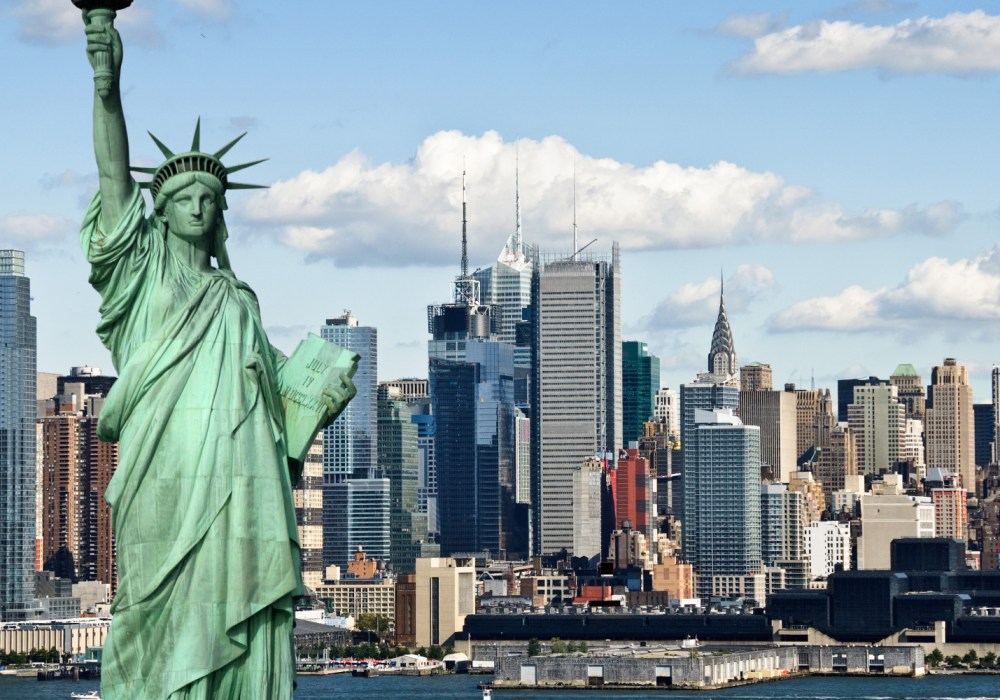
Empire State of Mind (Environment)
I have probably played way to much Magic: The Gathering and other fantasy based games growing up my friends, because I always want to equate myself with a particular element of nature and just run in the general direction of that thing to better equip myself for the stresses of life. According to astrology and palmistry fire seems like the natural choice, while other personality tests and chinese zodiac results lead to that of the earth. So I guess that means I’m geared for the life of the country AND the city, but not so much high up or near water.
Whatever that means.
To be honest I think that we should make decisions about our physical environment based upon our interests and what inspires us. So if you need to be out in nature in order to be creative, do so, and what that natural environment looks like to you is also relevant, then seek it out.
Today, we go over the importance of your habitat, climate, scenery, terrain or surroundings.
Your Friendly Neighbourhood
That’s right friends, a new month, a new post inspired by the OECD index which I was initially led to in the first place by the folks at Post Consumers. But this time dear readers, I have decided to focus on the importance of environment for artists and give you some options to consider in your quest towards health, wealth, and happiness. Because while frugality and conservation of resources are important for the planet, your mental space needs to be taken into account too.
Yes, believe it or not, if you look out for yourself and a lot of other things begin to fall into place.

But what does that look like, you ask?
Well, like anything in life that depends on what you are about. So why don’t I give you the rundown of some things to consider, via a handy list, and you can decide for yourself if you’re on the right track to health, wealth, and happiness.
Welcome To New York, It’s Been Waiting For You
Before we get too far along, I need to clarify something. While I do think that New York city is a great place to live, and while my subject headings in this post so far are really hinting at NYC as a one stop shop, that’s just not true. And no, I’m not leading you towards Los Angeles either.
Instead I want you to look over some questions and the corresponding key words, and think on what kind of creative professional you need to be. All of these factors will help lead you towards an answer, and lead you towards creating a sustainable lifestyle.
- Is it important to you to attend parties? Think street parties, exhibitions, murals, fairs, and citywide events.
- What about a structured living situation? This could include open-concept loft apartments, industrial towns, and attending art museums as well as galleries.
- Does the place you live in need to be warm all the time? A daily does of street performers, dancing, food eaten outdoors, curbside coffee shops, and urban graffiti go a long way.
- Could you experience a wide variety of activities and room for contemplation? Where does live music, onsite food trucks, post-secondary education, libraries or urban sprawl fit in?
- Would economic stability be essential? If you like quirky shops, breweries, cheap rent, and post-grad couture.
- How organic is your palette? Farm-to-table, organic groceries, yoga, countryside views… Do those terms grab your attention?
- Are you inspired by other mediums? If film, audio recording, performance, and site specific works are your thing, consider your location.
- Does interacting with your immediate space matter? For when you need to make guerilla art, partake in festivals, induce public art participation, and convert odd spaces.
- When do you choose to collaborate? Artist run centres, art collectives, creative clubs, and meet-ups are all options.
- Who do you collaborate with? Whether musicians, hippies, hipsters, scensters, hip-hop lovers, electronic record spinners, cowpokes , entrepreneurs, writers, theatre artists, photographers, and techies all have their homes too…
While not comprehensive, these are all great factors to consider in the much larger picture that is the artistic environment which you call home. I can dedicate a lot of time to any number of these aspects, but you need to start somewhere after all.
theories Summarized
Well creative cuties, have you got your terrain locked down yet? I hope you spend some time with this one because we all need to work in spaces which are inspiring, comfortable and accessible. Like so many of these themes that tie into the OECD, environment has value. It may be my theory, but it should be yours too. That’s it for now, I’ll see you tomorrow with a timely update.
Tim!
 timotheories