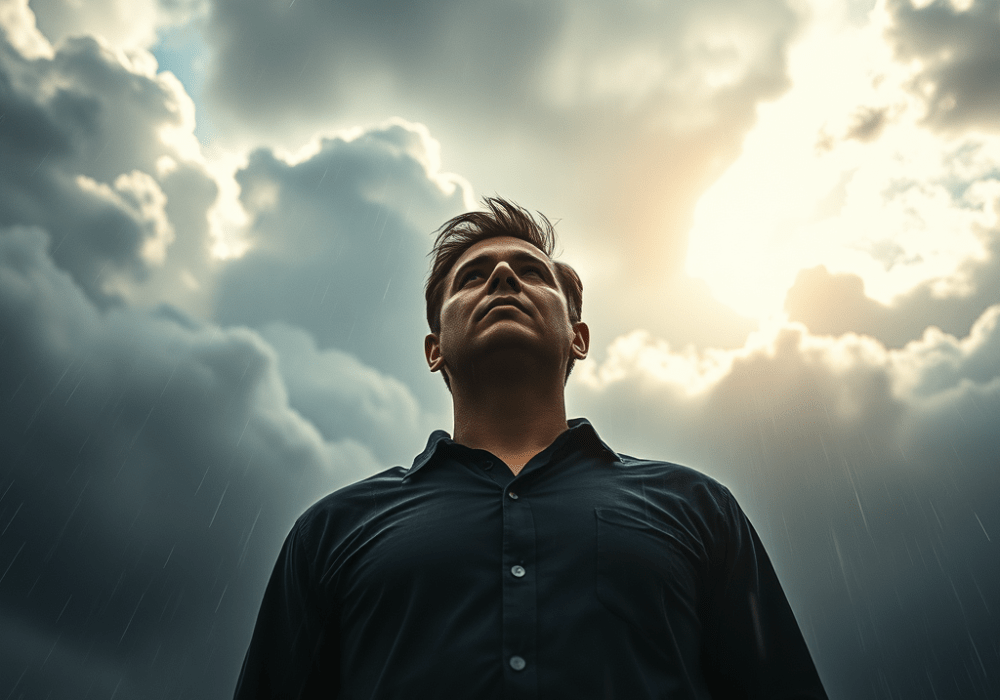
Finding Strength in a Storm: My Story of Growth
Part 3: Navigating Challenges
Introduction:
Welcome back, everyone! We’re at the midpoint of my Comeback story. I want to send a sincere thank you for tracking along so far, and if you stumbled upon this post first, and haven’t had a chance to read The Hiatus (Part 1) and Life Changes (Part 2) yet, and you want to go into the details of what I’ve been up to, please do give them each a read and let me know what you think!
That said, I do love a good recap, and given the length and emotional weight of the previous posts, I think it’s a good time to summarize where we left off with last week’s very special episode.
In the first post, I shared the major life events that led me to pause timotheories. In the second, I spoke more on the big themes of those changes. From getting married and becoming a new dad on the block, to navigating the ups and downs of a massive house renovation into a two-unit rental, to figuring out how to change jobs.
Those experiences fundamentally changed my perspective on relationships, priorities, and personal growth. I also opened up about the emotional and mental toll these transactions took on me, as well as how I began to find my footing again – The Night Shift as I ever so affectionately put it.
Because this routine shift was so significant for me, and because it informed a lot of decisions about how to move forward as an artist, and in the spirit of peppering each of these posts with at least one cliche, I will add yet another for context. Did you ever watch The Perfect Storm with George Clooney, Mark Wahlberg, William Fichtner, et al back in 2000?
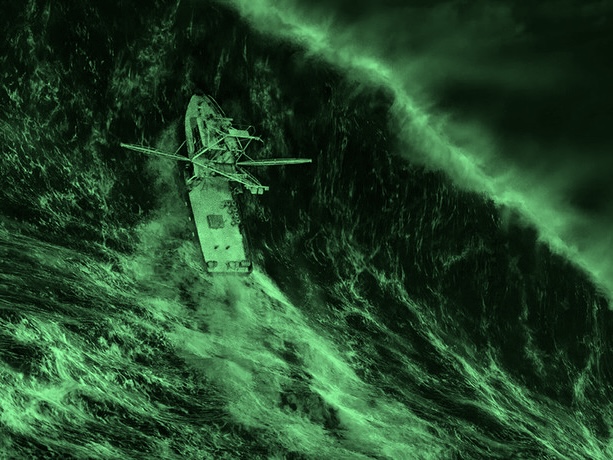
Yes, it’s an older movie now to be fair, but I think as an analogy it holds up.
This wayfinding phase of the comeback was quite as cinematic as that movie, but it’s an apt description if I ever heard one.
And much like The Perfect Storm, navigating life’s challenges can sometimes feel like working through a storm, where each step ahead is met with resistance. Yet, with each step, you learn more about yourself, your limits, and your capacity for growth.
Today I want to dive deeper into the storms I faced and how I navigated through them. The journey was far from easy, and each challenge taught me valuable lessons about buoyancy, vision, and the importance of a balanced breakfast, I mean life.
Major Challenges:
One of the biggest challenges I faced was with how my relationships changed. I can laugh about it now, but throughout my childhood, into my post-secondary, for the first few years of working in a corporate setting, and during my first serious relationship, I constantly worried about how I was perceived and how to connect with people. Not in a people pleasing way, but more so that I wanted to do the best I could for myself and others, and when my interactions didn’t measure up, I would evaluate and pour over conversations, wondering what to do better next time.
After I split from my ex, I still did these things to an extent, but I put a lot more thought into experimentation with my words and interactions, hoping that by sharing more of myself I would attract like minded people and repel those who didn’t see eye to eye. This was also a bit of a learning opportunity that hadn’t revealed itself quite yet.
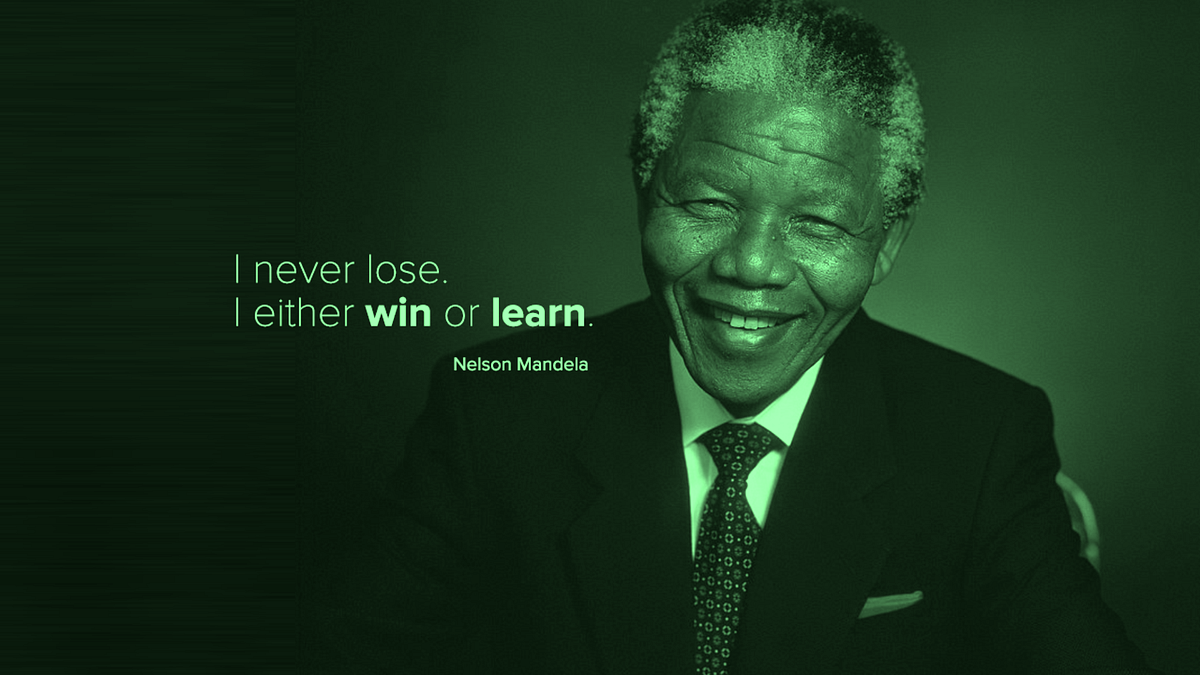
I was listening to this fantastic interview with designer extraordinaire Chris Do this morning, and he shared an adage from Nelson Mandela he lives by, “if you’re not winning, you’re learning”, and I couldn’t agree more with this.
Let me explain.
When Mysticque and I got engaged, married, and started our rental renovations, I noticed some friendships and family connections weakening. I had built up a great many new relationships from the time my ex and I parted ways in 2014 – realistically I went hard into my thirties, it became my second shot at my twenties, because I had a new lease on life.
Lots of new friends, dating, spending time with family and even socializing in ways I might not of in the past.
And for my part, I honestly felt like they were authentic connections, because I tried way harder to initiate this time around. But when my life got complicated, those connections faded away.
When I stopped “winning,” what I gradually realized was that many of these relationships were based on convenience. It was convenient for the other party and I was investing more of myself into them rather than genuine connection happening on both sides. This realization was a bitter pill to swallow. And surprisingly to me, I felt a deep betrayal from some, but it also highlighted the importance of investing in meaningful, supportive relationships.
I got stuck for a while on what I had done wrong in these relationships, but in truth, I gave my best effort, what was missing in many cases was a genuine dialogue. When life got tough and I wasn’t the one putting a ton of time into keeping things afloat, those connections faded away, leaving me feeling isolated and unsupported.
And it’s largely because my own priorities had to transform and roll out. *Ch-ch-ch-k-k-tzzzz*
Getting Blended:
For those of you who grew up in blended families or who have had the unique opportunity to be a member of one as an adult, you’ll agree that it comes with its own set of complex emotional dynamics. And I can really only speak to my experience here, so I won’t give an essay on the psychology of blended families.
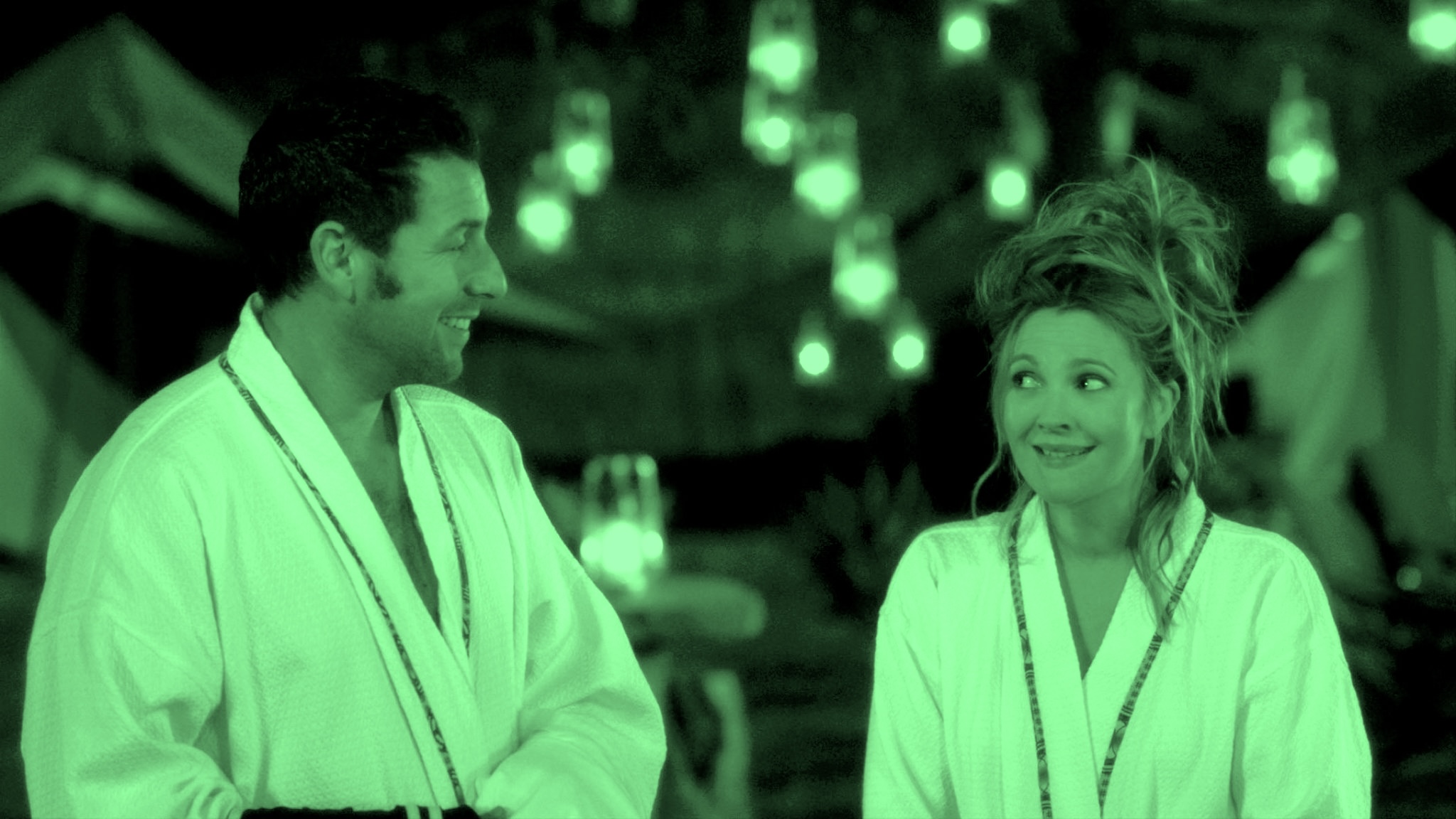
But I do want to share what I’ve learned by marrying into one. It’s definitely not something everyone can do well immediately. Even though you essentially become a parent seemingly overnight; no one can prepare you for how it feels to find your place and how you figure it out.
Something I’ve observed from watching those looking in, is the biases people can have about blended families being broken or weak, but all families, much like marriages, take work to keep healthy. Looking back, I remember nuclear families still being a major definition in my high school social class, which makes me wonder how many people really see it as a matter of right vs wrong.
My point is that I chose to enter this space willingly, and honestly, I wasn’t prepared at all for it. I think in part it was because I didn’t have mentors to look to about how to work through my place in the family, but I found my way. And I am so incredibly grateful for my wife and son every day.
Becoming a stepdad to Miguel, who was 8 at the time, was both rewarding and challenging, and luckily for us, he is going through all the challenges of his teenage years now, but it’s still one of best decisions I ever made in my life. I got an instant family, and I thank God for them every day.
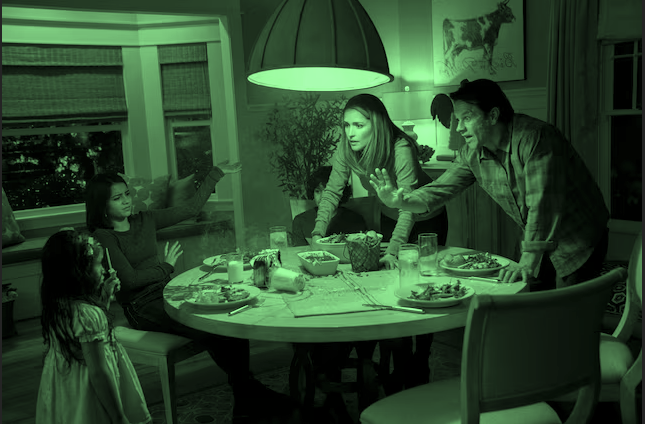
Now of course, I have the unique challenge of striking a delicate balance between nurturing my family and establishing boundaries within it, and I’m not a first string parent (I’m joking, please don’t light up my inbox over that one), so I had to adapt to some existing structures. And with time, our household has become more clear on how it runs, which is honestly so great, and so we’ve built a pretty solid communication so that when he goes back and forth each week, its not particularly jarring one way or the other. Sure, we still have the odd differences on some routines, diet, and discipline, but overall, the four parents talk through how to parent Miguel when necessary, and I think he’s benefited from the stability in communication.
Where it became harder, and which still blows my mind on random days, is that the dynamic of a blended family is tough enough to understand when you’re in it; but its not always clear for those who don’t have to go through it, and yes, sometimes they gradually make sense of the dynamics, but sometimes they don’t, and man is that ever heartbreaking.
It bothers me to share this, but this shift in my life forced me to prioritize my chosen family over biological ties in certain cases, a painful but necessary decision.
So in short, yes the challenges of becoming a member of a blended family were tough,and they were compounded by non-buy-in from some extended family members, but in the end its our family, and our life and frankly I don’t give a damn if it makes sense to everybody. And that’s a relief too.
Men’s Health:
I’ve spoken a bit on how my mental health took a severe hit in the time away from creating to the gradual return to form.
The stress of renovations, relationship changes, and life’s unpredictability left me exhausted.
What I haven’t spoken on at any great length is a medical condition I unraveled after some serious prodding from my wife. And I cannot emphasize enough how instrumental she was here.
Turns out, I suffer from sleep apnea. It’s actually so bad, that if left to my own devices, when I fall asleep naturally, I stop breathing dozens of times (or more) in an hour. The oxygen to my brain gets caught off, and it leads to me sleep talking, sleep walking, having serious nightmares, and I would wake up gasping for air. Waking up gasping has happened on enough occasions that I could count it on both hands.
The worst of it though, was that I was always exhausted throughout the day and into the night, no matter how much sleep I got or how many attempts I made to change diet, trying techniques to de-stress and fall asleep, and even naturopathic remedies.
The sleep apnea had the added challenging of impacting my temperament – it made me hair-trigger irritable. After much much frustration from my wife every night we went to sleep, she finally convinced me to try another sleep test. Yes, I had done this twice before over the years, but nothing ever came from it.
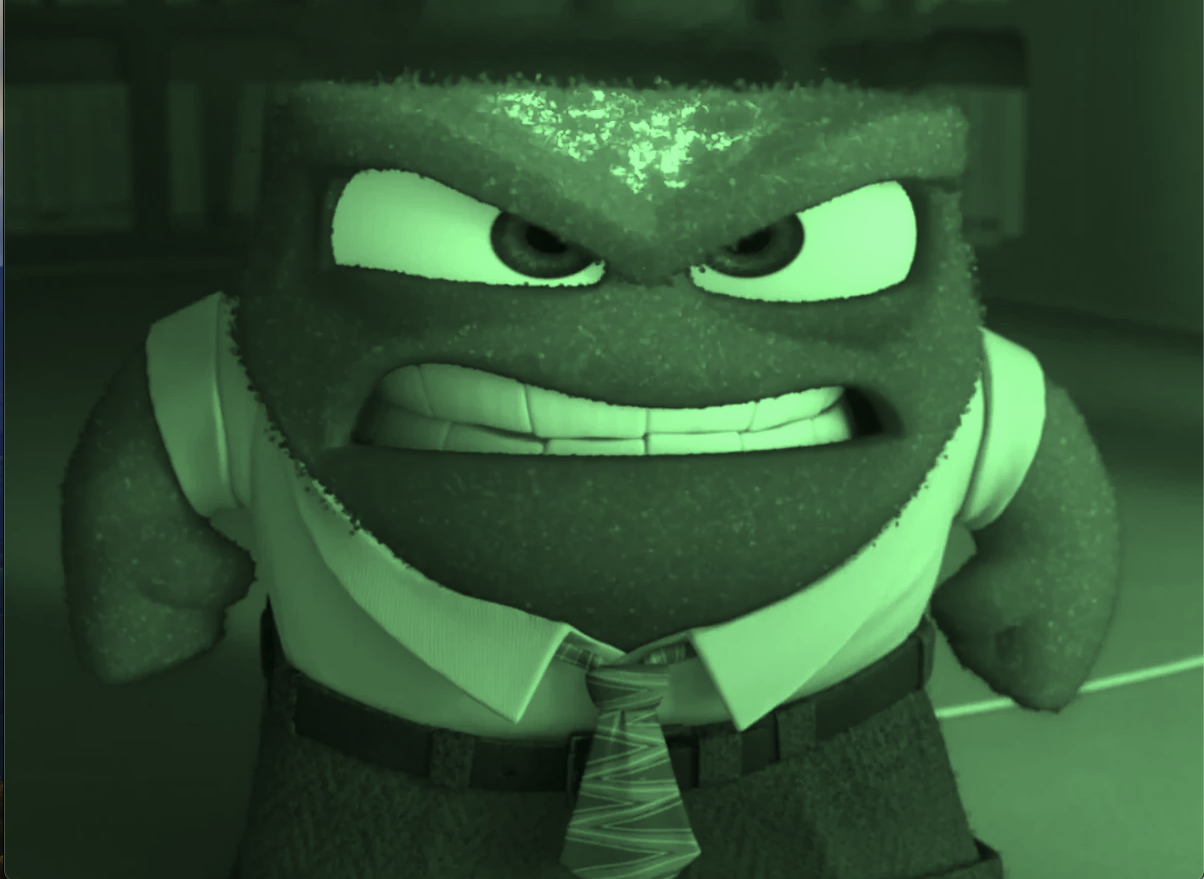
Thankfully, getting a sleep test in the spring of 2020 and finally getting approved to use a CPAP machine within a few months, improved my sleep quality and energy levels by immeasurable amounts. It also gave me capacity to acknowledge some deeper mental health issues, my struggles with self-acceptance.
What I’m really saying here is that when you’re not getting enough sleep, everything feels harder. Small issues seem insurmountable, and the energy to tackle your day drains faster than it should. Getting a CPAP was the first step, but addressing the underlying emotions—like self-acceptance—has been something I could finally identify and start to work on – I was no longer a prisoner to my sleep cycles.
Financial Stability:
Financially, the renovation project was a significant strain.
What was supposed to be a six-month project took three years. Missteps like ordering kitchen cabinets too early and dealing with unexpected utility requirements stretched our budget and patience. And these were only some of the problem-solving moments. Unfortunately, we had to take out lines of credit, putting a dent in our savings and initial investment. What I haven’t really touched upon yet, is how easily things can spiral when unexpected costs arise.
Yes, COVID was an anomaly that no one could have predicted.
But the lessons in financial planning and flexibility to market changes we personally learned were massive. These obstacles taught me a lot about endurance but also the importance of adaptability and creative-problem solving.
Renovating a house isn’t just a test of your budget; it’s a test of your patience and ability to pivot when things don’t go as planned. The delays and mistakes were frustrating, but they gave me the experience to approach financial setbacks with resilience rather than defeat. Now, I look at challenges as opportunities and am way more willing to think outside the box, and trust myself to rise to whatever comes up.
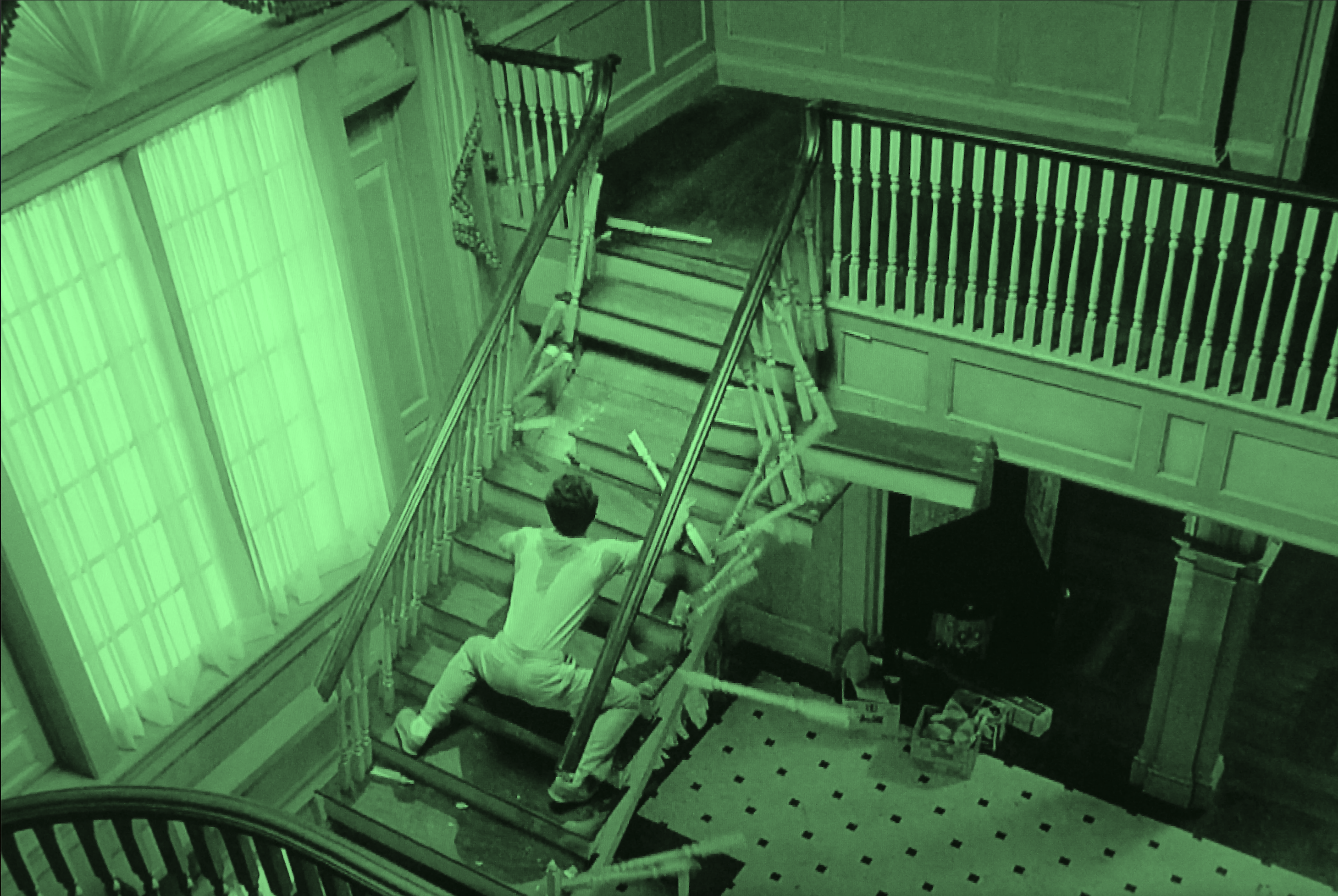
So despite these financial hurdles, we managed to complete the renovations, secure a first renter, sell our townhouse, move into a new house, secure a second renter for our rental property, and by the end of 2023, we found new jobs that helped us handle the rising costs.
Career Hurdles:
OK, one more blame shift to COVID and then I promise, I’ll move on.
COVID-19 was a global disruption, but for many individuals, including myself, it magnified personal struggles. The physical manifestations of anxiety, hit me in a way I never would have guessed.
Sure, career-wise, I faced setbacks. I was laid off during the first COVID-19 lockdown in spring of 2020, which shattered my confidence. And when I returned to work at my former employer, I never regained my previous zest for the role I was in or the momentum to really develop the project management function of their marketing department. This was something I had been offered in the fall of 2019 and in less than 6 months the rug got swept out under me.
The anxiety that I developed around job security was sneaky. It manifested physically, causing bladder issues during stressful situations with people. I remember sitting in a team meeting, us all wearing masks and being worried about contact. And then I had really strong urge to pee. So I quickly excused myself and left meeting to go do so. And then it kept happening randomly. We went to see No Time to Die, and towards the end of the movie, I again felt this intense need to pee. And after this point, it kept happening every time I was in an enclosed public space or in a close room talking with a group of people.
For 3 years I had this issue, it wasn’t until about 4 or 5 months into my new job that these urges finally disappeared for the most part. I still get the odd pang, but mostly its gone.
These challenges compounded my feelings of uselessness and depression. The career setback was temporary sure, and it was completely out of my control, but it was a harsh reminder of the unpredictability of life and the importance of resilience.
But the glimmer of hope is this.
Being laid off hit hard, absolutely. And yes I never truly recovered my sense of purpose when I returned to my last role. Looking back, it’s clear the anxiety developed from the initial situation and how it manifested, was in a way I couldn’t ignore.
I had to seek professional help to slow down and reset my nervous system. Massage therapy, acupuncture and holistic medicine gave me a safe space to recognize my body was giving me obvious signs to slow down. Seeking help is never a sign of weakness—it’s a necessary step toward healing. Even in a state of panic, my body was directing me towards the solution. I will likely expand upon this one at some point in the future.
Coping Mechanisms and Strategies:
Let’s bring it back around to creativity and the significance of a creative life – Throughout the darkest timeline, my desire for creativity never waned.
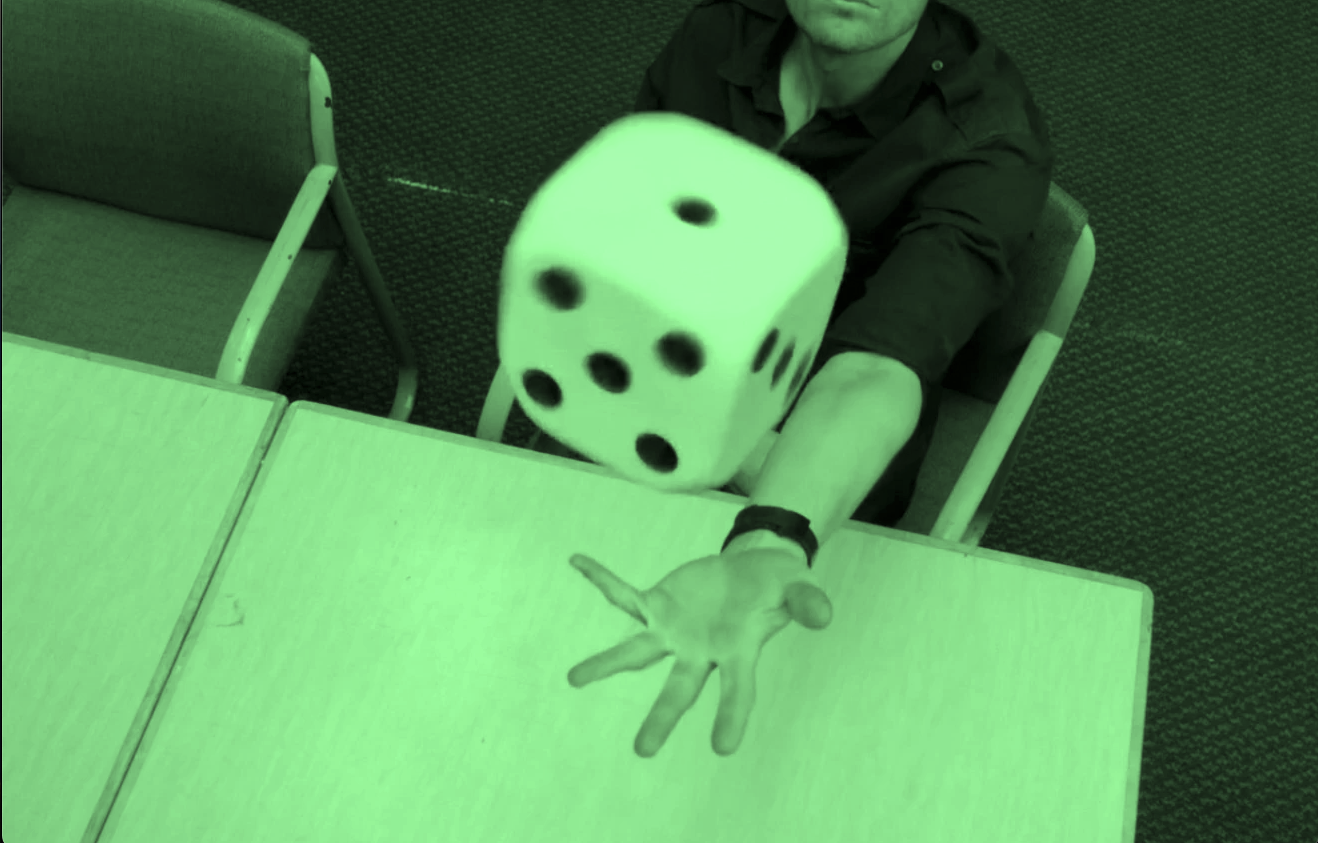
The mention of creative outlets is an essential theme that runs through all of these posts in this series. I made lists of movies to watch and albums to listen to, sang karaoke at home, and thought about board game mechanics and came up with countless painting ideas in the shower and on walks with my wife.
These small acts of rebellion towards creativity kept me sane. I also talked through my feelings with my wife and friends, reminding myself that my life is my own to shape. Finding time for creative pursuits became a crucial coping mechanism faced with anxiety and depression, providing a sense of normalcy and joy amidst the chaos. I started a podcast with one friend, and a board game project with another.
Engaging in these activities was more than a distraction – it was a form of therapy.
My desire for creativity remained a constant throughout these challenging years. Despite the setbacks and obstacles, I found solace in small acts of creativity.
Creativity was my anchor, as it always has been a spark for me. And I sincerely believe that it serves as a lifeline to the people we are all meant to be. There is a well established sentiment through history that as our basic needs are met, we as a species gravitate towards creative pursuits – but why is it then that in dark times, people often share stories of how listening to music, reading books or engaging in hobby activities like D&D has “saved them?” I have a theory that it’s because art always makes space for emotions and creativity comes when we feel confident enough to see something greater than our own survival, so it speaks to everyone no matter where they are at.
Support Groups:
This last point might seem out of place, but hear me out.
Interestingly enough, I also found another solace in an unexpected place—Marvel Puzzle Quest. An online mobile game where you match gems to power up your heroes in 3v3 fighting puzzles.
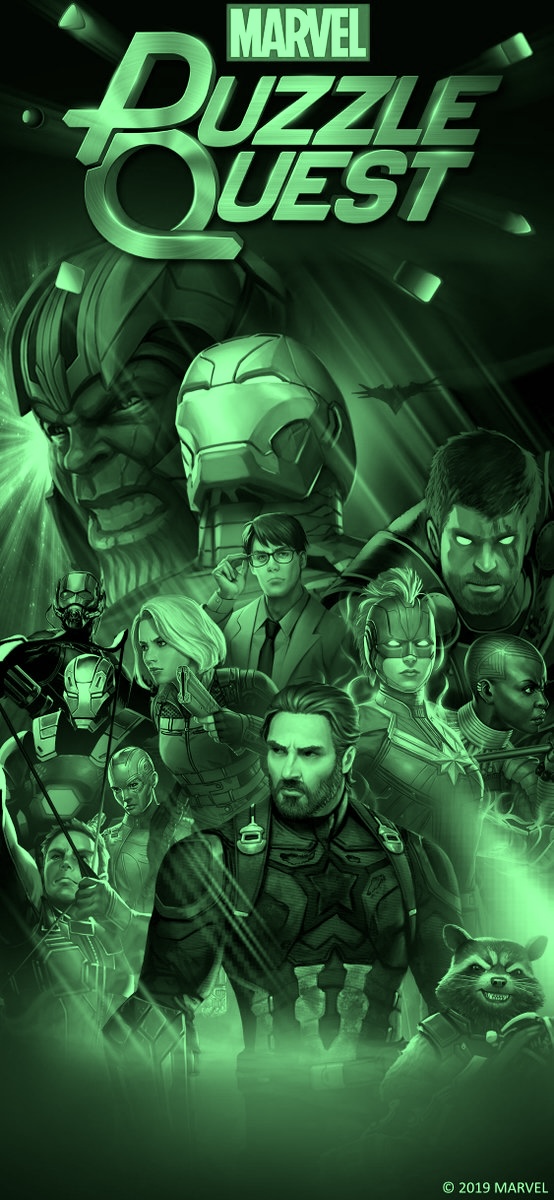
I know, dorky AF.
During COVID, I immersed myself in this game and its community. It provided yet another outlet for interaction when in-person connections were limited. This experience, though seemingly trivial, was a significant mental health support during a challenging time. The sense of community and camaraderie I found in the game helped me feel connected and supported, even when physical interactions were limited.
I think a lot of us found community and support in unexpected places during this time. And for me that was with a little match 3 Marvel IP mobile game. Immersing myself in this game and its community provided a much-needed outlet for interaction when in-person connections were limited.
Now Marvel Puzzle Quest might seem like a simple game, but during COVID it became a vital connection point. A reminder that support doesn’t always have to look and feel the way we expect. After 10 years of of playing it off and on, I finally hung it up in December of 2022, a small thank you to the mobile game that helped me through a challenging period of my life.
theories Summarized:
As I reflect on the storms I’ve navigated – be it the shifting tides of relationships, the challenges of blending families, the battles for mental health, financial stability, and career hurdles – I recognize that each challenge has molded me into the person I am today.
Finding strength in the storm can seem daunting, and while the turbulence of life can be overwhelming, through this journey, I’ve learned that acknowledging our struggles is not a sign of weakness; rather, it’s a vital step toward healing and growth.
My experiences have reinforced the idea that creativity is not just an outlet but a lifeline—a reminder that even amid chaos, there’s space for joy, expression, and connection. The support I found in unexpected places, like MPQ illustrates that connection can thrive in myriad forms.
As I continue to share this journey, I hope this resonates with you and reminds you to pursue what you love, no matter the obstacles. Passion is necessary to get over that first hurdle, and speaking of rediscovering passion, I look forward to sharing the next chapter in this series with you, where I’ll delve into the necessary milestones to meet when reinvigorating your creative passions.
I should be easing off the throttle of my own life story soon. When I go over how timotheories will work in V2, there will still be personal reflections from me, but I will be a little more considerate of sharing how and why it can benefit you in your own development.
Now for a quick Confer Culture plug. This week Chris and I take some time to discuss what our good friend Nicolas Cage has been up to the past few years. We take some time to highlight how the Cageaissance has continued through the pandemic up until now. So have a listen and enjoy the ride!
Thank you for joining me on this journey so far – please like, comment and subscribe to the blog if you got something out of this. And when you leave a comment please let me know what resonated with you and if you are coming out of a similar hiatus, how you plan to rekindle your passion.
Let’s keep moving forward together!
Tim!
 timotheories