Cuts Like A Knife (Whitechapel, Mark of the Blade review)

I’m happy to be hardcore, when the occasion calls for it. If I’m being perfectly honest, I don’t think it calls for it that often though.

It’s difficult to get into that state of mind when you realize that like anything in life, you have to make a commitment and experience all the nuances of the thing. And if you aren’t ready for that level of absorption, you’ll fake it for a long time until you make it through.

Which sounds incredibly painful to me. Better to do what you love and makes changes along the way.


Whitechapel – Mark of the Blade
released June 24, 2016
****** 6/10
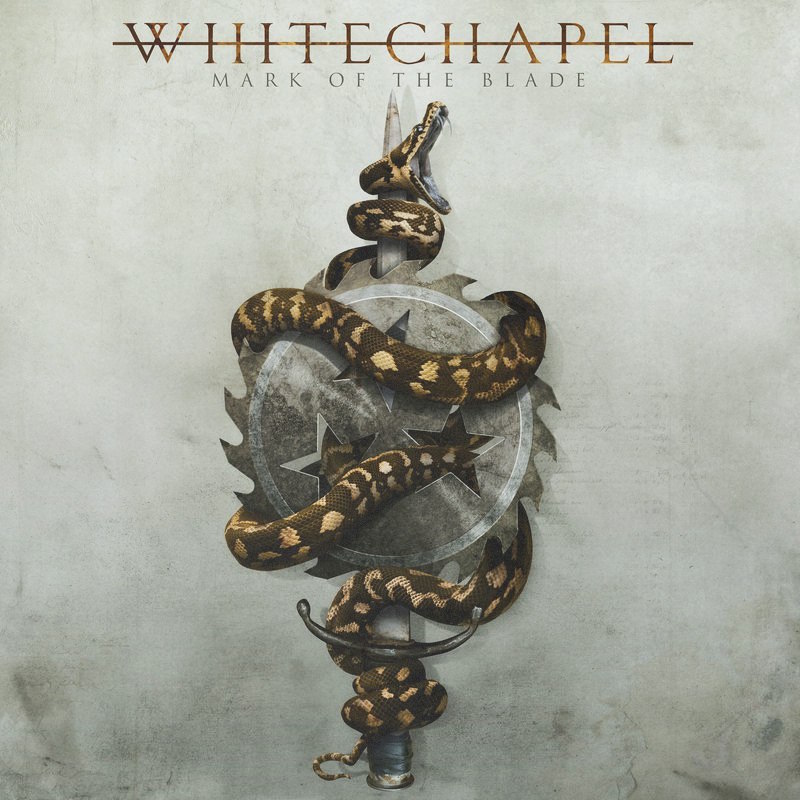
Whitechapel-Mark-of-the-Blade

Whitechapel are an American deathcore band, and I don’t think you’d find too many dissenters against that assessment. They are comprised of vocalist Phil Bozeman, with Ben Savage on lead guitar, Alex Wade and Zach Householder on backing guitars, Gabe Crisp on bass, and Ben Harclerode on drums. They’ve taken their name from the famous Whitechapel district of East London. You know, where Jack the Ripper murdered a bunch of people? Yeah that Whitechapel.

Their influences come mostly from Phil Bozeman and Ben Savages mutual love of death metal, but with a decent influence in black metal and hardcore. Think of bands like Cannibal Corpse, Slipknot, Pantera, Slayer, Vader, Carcass, Amon Amarth, and you’ll start to see the picture.

I’ll admit, as I always do when it comes to new territory, that I’ve never listened to Whitechapel before nor do I know much about the deathcore sub-genre of extreme metal. Which is apparently a fusion of death metal, metalcore, and hardcore punk. The real lesson here is that it shows me how little I know about metal, but that’s a cross I’ll have to bare in this review.

Mark of the Blade is Whitechapel’s sixth album to-date. And apparently it features their most clean vocals too! Which I find absolutely fascinating, because normally this kind of music is difficult for me to separate out lyrics with. Thankfully the liner notes came with lyrics because it helped me to digest the music that much quicker and appreciate what had gotten myself into.

And that led me into a bigger rabbit hole – The lyrics are dark and the message is pretty much to the point, go fuck yourself if you’re pretending to be something you’re not. That and pain is real. It’s something we will all experience thoroughly before we die. Alone.

Maybe that’s a harsh and short statement to make, and the content isn’t entirely without hope. Whitechapel asks us to find solace in brotherhood which comes from a million scars, both self induced and acquired through violence and subjection. Yeah that was mean of me.

To be honest, I think the tempo of the album has a lot to do with the unevenness of my experience too. The clean vocals make sense on Bring Me Home because he is singing about his dead father, and Decennium is an epic closing track, so that is great too. I enjoyed the instrumental middle song called Brotherhood too. Maybe that’s the problem, though, when I just sit with Whitechapel, I get lost in it and it doesn’t do it for me, but those irregularities for me make the band interesting and worth more visits down the line.

Did I fall in love at Whitechapel? No, but I think I just made a commitment.


Whitechapel are making music that they care about, tweaking it as they go. I flirted with something new and gained some more perspective on the dedication and skill required to embrace the beast that is extreme metal. But fortunately enough, I have a bit of experience with music and lyrics, so it was like I was thrown to the lions.

As a friend reminded me the other day, Whitechapel might not be producing Grammy worthy music, but that shouldn’t be how we view their oeuvre. Within their musical realm, they’re doing great work, making their mark. And that’s all of the theories I’ve got for today.

Tim!
Mix Tape (Pusha T, King Push – Darkest Before Dawn: The Prelude review)

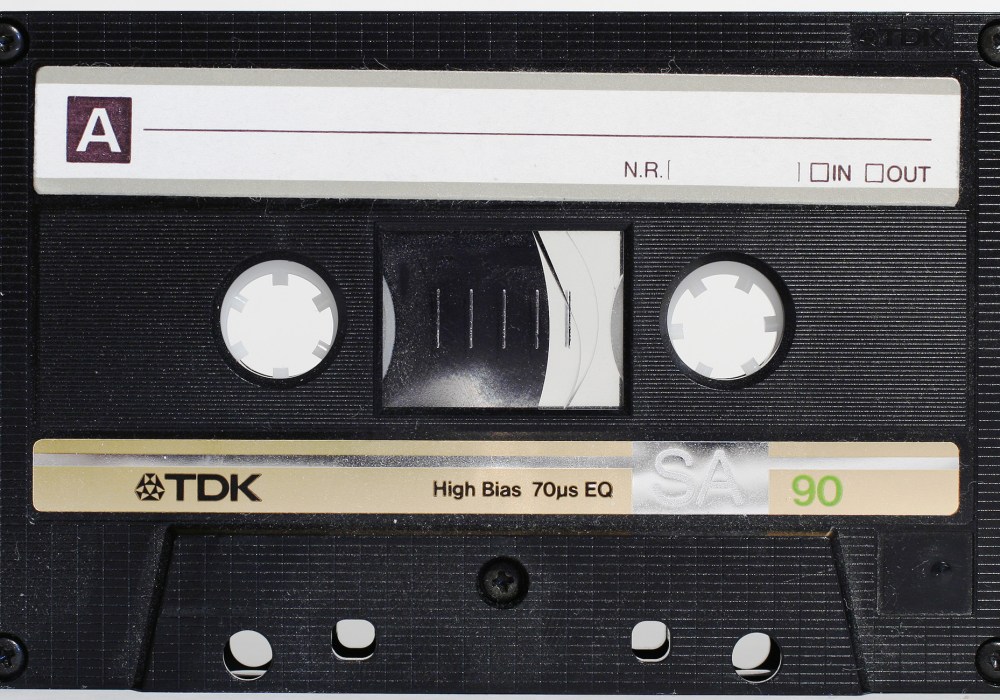
Did you ever make mix tapes as a kid growing up? I know I was fortunate enough to experience those little cassette joys before the CD became popular and then the mp3, and now we have streaming services instead.

Technically the mix-tape as it was originally created no longer exists.

That’s because music is no longer recorded or transferred via chrome and metal tape. But the spirit lives on and there are a ton of artists still releasing mix tapes today

If we look at hip hop culture in particular the mix tape is prevalent. And sure enough, that’s what I am going to be reviewing today.


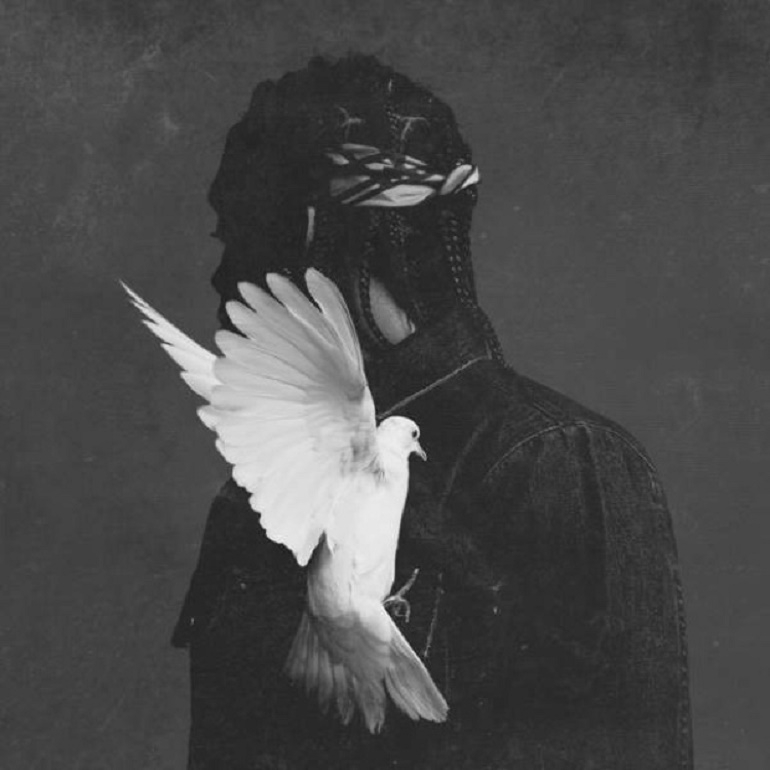
Pusha T – King Push – Darkest Before Dawn: The Prelude
released December 18, 2015
******** 8/10

pusha-t-darkest-before-dawn

Terrence Thornton, better known by the stage name Pusha T, is an American hip hop artist.

His solo career began in 2011, but don’t assume that at 38 years old he is unlearned in the music scene. Before he was Pusha T, he was one half of the hip hop duo Clipse – for the better part of two decades with his brother Gene “No Malice” Thornton.

Pusha T kickstarted his solo plans with a mix tape titled Fear of God. Following that release a couple of years later came his debut album My Name Is My Name.

King Push – Darkest Before Dawn: The Prelude is Pusha T’s next supposed “mixtape” effort, and I have to tell you, it’s really banging hip hop. His haters claim he hasn’t really split off from his brother proper yet, and that he is very much past his prime, but I am going to have to strongly disagree with both of those statements.

First off, he doesn’t mess around at all. He moves back and forth between his past in the drug dealing world and his experience as a veteran of hip hop who can help to salvage the culture and usher us into a new era of greatness. But maybe he doesn’t want to. And he acknowledges racism in a very honest way, closing out the album efficiently.

The flow and the instrumental of the record is kinda reminiscent of Kanye West, which makes a lot of sense given that Pusha T is now the president of G.O.O.D. Music, which is Kanye West’s baby.

Adding on to the production celebrity checklist, Pusha T gets some help from Timbaland, P. Diddy, Hudson Mohawke, Baauer, J. ColeQ-Tip, Metro Boomin’, and of course, Kanye West.

The production fits nicely with his practiced and well constructed writing. You know when you listen to songs like Crutches, Crosses, Caskets, MPA, and Sunshine that you are being set up for amazing musical references, but he is a little slow with his hooks. Now thatmight be a result of age but it could be a conscious decision too.

And quite frankly, I don’t think this approach wrecks any of the tracks; but if you want lyrical agility, this album doesn’t ever really ramp up into third gear.

But that’s the allure of Pusha T.

He is a former drugdealer who misses his trade. He does what he wants, and he isn’t afraid of the results. And that makes his rapper persona scary. You see, some rappers got into the drug trade to making a living, others needed money to get out, some were in it for the excitement, or of loyalty to friends.

He simply does not care about any of that.

This would make him seem unstable, but he is running a record company, so how unstable could he possibly be?

You should check out these tracks if you want to see more of his skills up close – Untouchable, MFTR, Crutches, Crosses, Caskets, MPA,


Apparently the hip hop scene even has a single term of mixtape to identify the format. Artists like Pusha T produce these records to give their fans original music, freestyles, and remixes to get the content out into the public, and sometimes they do it for free too.

That DIY youth culture of self is still really strong, and Pusha T is emblematic of his generation. Working against the standard and promoting change. His search for individual freedom and dignity, while embracing his background make him a perfect case study of a Generation Xer, those who invented the mix tape.

But what do you think, dear readers? Listen and tell me!

Tim!