Master of None (Multi-Tasking Misery)

Remember that time when I wrote about the Pomodoro Technique?

That was definitely one of my favourite posts of the Life Hack series that we’ve had so far – it addressed time management and cutting out multi-tasking. But I know that a lot more can be written about both concepts, especially as solo posts, which is why I’ve decided to dedicate today’s post specifically to the topic of Multi-Tasking Misery.

In case you need a refresher, here is what I had to say the first time around when it came to … Multi-task misery. Learn to multi-task the right way, by cutting it out of your life. If you keep a million tabs open on your browser, you’re gonna have a bad time. Please remove distractions while you work and spend time with others. Turn off your phone, close your tablet, and focus on the task at hand.

If you do your homework on the topic of multi-tasking, you will discover rather quickly that there are a few schools of thought on the subject. For the sake of simplicity, we are going to break them down into two groups – believers and researchers.

Believers act as if.

The idea behind the phrase “act as if” is straightforward. It uses the Law Of Attraction, which is the idea that if we act as if something already exists for us, whether that thing is a physical or mental possession, we will somehow create conditions to have that thing be realized in our lives.

It’s a cool idea in theory, but I have to wonder how realistic that expectation is.

What I am getting at dear readers, is that believers act as if multi-tasking works and therefore they set up the conditions for them to accomplish multiple tasks at any given time. Whether this is good or bad, believers often get what they expect.

On the other side of the coin are the researchers. Researchers have used experience and testing to determine if multi-tasking is really the way to go. I’ll give you a hint as to the answer, I’m covering this group off second, and I was taught to end a point with your stronger argument.

Multi-taskers are in fact truly guilty of task-switching, because people cannot physically do more than one task at a time. What they are really doing is using up precious energy jumping between tasks, never really getting in the zone, and ultimately wasting important productivity. This loss comes in the forms of longer individual task completion time, error increases, and wasted brain power.

Let’s talk more about that wasted brain power. According to this article, research shows that while multi-tasking does slow you down, it also effects your IQ points. People can experience drops of 15 points from multi-tasking, which is equivalent to staying up all night or smoking marijuana. What this means is that your cognitive function goes down and your decision making ability is limited.

And there is also research that indicates that using your phone, laptop, and tablet while on another activity, say television for instance, can permanently reduce your brain density in the anterior cingulate cortex, AKA the place where you experience empathy and emotional control.

So what’s a creative to do? Especially when we are so used to  jumping back and forth on multiple projects, emails, and visual stimuli? I have another article that will help, but below is a nice short list.

  1. Plan your day in blocks – which I’ve written about at length recently
  2. Manage your interruptions by taking a deep breath every time an external OR internal prompt comes up, then use 5 minutes to refocus
  3. Turn off computer notifications and flip your phone to be back side up
  4. If you have a wandering mind, especially in meetings, acknowledge the thought or thoughts, but quickly remind yourself where you are and get back to the task at hand
  5. Emergencies happen – instead of using the dreaded multi-task, stop and note where you were, especially what you were going to do next. Then deal with the problem at hand. Once done you can refresh the other task more easily.

Another life hack covered, and another tool to put on your belt my friends. But what do you think of this theory, is it whack or a great hack? Please share, subscribe, and comment if you’re up to the challenge. Otherwise, I’m theoried out for the day, so I’ll hit you back tomorrow with Nextfest.


Tim!
 

The Best Laid Plants (Plan To Make Plans)

Remember a week ago when I said we were done with the preliminary series of Life Hacks AKA Skills To Invest In?

Well while that was true, I wasn’t telling you that we were done altogether, only that we were done with the basic concepts.  This is because we did touch on each concept in one way or another dear readers, but we didn’t spend dedicated time on 2 topics in particular, and I want to get to them this month.

Which is why today we’re going to focus the first topic – Planning To Make Plans. Before we dig into it, let’s take a peek at the skill summary:

Plan regularly! Build routines to start your day AND end your day. You are going to have to organize throughout the day too, so make an outline to insure you aren’t starting from scratch over and over. Please also set deadlines for major projects by planning ahead. You’ll benefit from organizing your desk/workspace, minutes save hours, believe me.

We will definitely hit all four of those highlighted points dear readers, but if you’re patient with me, you just might foresee the great plan being laid out.

1. I don’t care who you are or what stage of life you are at, it’s important to have a daily routine and to schedule your days in a way so that they always start & end the same. How do you accomplish this you ask? Try theming your days

Monday – production and creating
Tuesday – management, company identity, and running your business
Wednesday – production and creating
Thursday – marketing, communications, and partnerships
Friday – production and creating
Saturday – FUN, aka relaxation
Sunday – reflection, feedback, strategy for the upcoming week

2. Organizing throughout the day can be daunting, especially with all the various forms of distraction we have so handy in our lives. But if focus on what exactly you want to accomplish that day, or to put it another way, what positive influence do you need to make on the world and that follows your passions for life, you can then set up an outline that will cover your needs. Especially with so many internal or external distractions, model your days (on Sunday) so that you hit four or five points throughout the day each day of the week

WORK – 2-3 tasks you need accomplished that day
PLAY – dedicated time for fun and recharging activities
FOOD – both prep and eating should be identified
HEALTH – to slot in exercise and self-care
MIND – for reading, learning, and simple reflections

3. Deadlines always seem scary, but guess what? You’ve already started to lay the groundwork to fit them into your routine. By coming up with a weekly and daily schedule, you can very easily develop a monthly schedule too. This is where deadlines can be helpful – You should never set deadlines for the non-creative work, as a creative professional, but you should set deadlines for projects, within reason. Where the reason comes in is somewhat subjective, but essentially you don’t want the deadline to be so far out that it loses meaning, or so close that it overwhelms, you need to find that 2-4 week sweet spot.

4. Organizing your desk and/or work space: Or how to keep your creative space inspirational. No matter what kind of creative person you are, you must know that your environment effects your creativity. But the question remains, how do you make your space both visually interesting & comfortable to work in?

– Have beautiful objects around you and music that motivates
– Organize based on your personal aesthetic and make it functional, -with stocked supplies
– You need to control the light – have access to daylight, but be able to to dim for abstract thought
– Comfort is crucial – your seat, your clothes, your shoes, the temperature… all important
– Remove distractions (phone, social media, TV, children) and troublesome clutter

This might seem like news to you, common sense or somewhere in between, but no matter what stage of planning your life is in, we all benefit from these types of theories because our current technologies are incredibly efficient at depriving us from focus – Dangerously so. But that’s just a theory after all.

I’m out of theories for now, but be sure to check back tomorrow when I examine something timely and lay out the monthly schedule.

Tim!

The End of The Rainbow (Evaluate Life)

Well, we have arrived dear readers. It happens today.

Today you make the decision. The important one. The one that will change your life.

Don’t be scared, making decisions comes naturally to all of us. You made the decision to click on the link that led you here in the first place, didn’t you?

And that, my friends, is what life is all about. Making decisions.

HipsterMeme

But you’ve been putting one of those decisions off haven’t you? That’s right, I know you know which one. It’s okay though, we’ve all been there. But YOU do need to admit to yourself that you’ve been delaying action, and haven’t been addressing the problem at hand. Once you do that, then we can begin the process of changing your life. Now, depending on how much of a delay you’ve made with this decision, you may need to act immediately or spend some time in thought and in evaluation.

Which leads us to the wisest topic o’the day.

nzm2s2

It’s time for you to evaluate your life my friends. The last preliminary topic in the Life Hacks series, and a great one at that. But I’m going to give you a summary of this key life skill before we go into more detail.

You need to start a proper life evaluation by making major decisions in the morning and then divvy up your day based on your productivity habits. Assess your passions at the end of each year, each month, each week, and before you go to bed. If you can do that you’ll focus and delegate out the unnecessary. Flexibility is important too, but if you get stuck try this – pretend you are away from work and/or home for a week, and you only have a few hours to accomplish your tasks.

Now that we’ve got a roadmap, let’s plot the journey rather carefully you creative cuties.

  1. Make major decisions in the morning – Start your day the same way every morning by determining what that first/second/third important task of the day is. Simplify and clarify the actions needed to complete said task(s) and also ask yourself why it’s important to accomplish. If you can figure out how and why to eat the frog, you can get there on your terms.
  2. Assess you passions – How do you feel? What is important to you? Prioritize them accordingly, and then determine if your friends are valuable (supportive or troublemaking), your identity is self-created or defined for you, your emotional output towards life is solid, if your sense of wonder is intact, you make mistakes AND acknowledge them, you take care of your health, have a good family life, and you are truly putting your best foot forward.
  3. Delegate out the unnecessary – Surround yourself with people who are happy, and step back from habits of inaction and uncertainty. When you take on too much, just because, you are limiting yourself. You can share tasks with others and make your own load a little lighter.  Life is full of uncertainty, but it’s up to you to go outside the lines in life’s colouring book.
  4. Flexibility is important – This might seem counter-intuitive at first, but if you truly know your life’s purpose and you have the volition to stick to it, then you must learn to adjust the course as often as necessary to assure your success.
  5. Imagine you have a few precious hours – If time is money, then truly, money is only as good as the time spent. Fortunes can be earned and lost many times over in a lifetime, but life itself is fleeting, so consider that age old problem: what if you only had a day to live, how would you spend it? Then you can decide if that task is leading you towards or away from the point.

Does this seem foreboding and like work. Well I hate to break it to you my dear readers, but if you’ve been following along in the last few months, you’d know that none of the 10 skills I asked you to invest in were going to be simple, but I know you have it in you, because you have a life purpose and a creative fire that needs fuel.

I’m out of theories for now, but be sure to check back tomorrow when I examine something timely and get you thinking about another kind of hidden treasure.

Tim!

Work Smarter, Part 2 (Art Hacks)

Last week on timotheories, we gave you dear readers a top 10 list of skills to invest in.

That list was good for anyone looking to improve, but I originally wrote the topic because artists need help too and sometimes we don’t go looking in typical channels for it.

Which got me to thinking.

Because timotheories is all about that ace, better known as the arts, we’re bringing back the life hacks for a more in-depth solution for artists. This time let’s focus on technical hacks.

Below is a list of the top 15 art hacks I’ve come across in my travels as an artist. I’ve scoured the internet (links at the end of the list) and have included some hacks which I have used, some I’d like to, and some I personally believe would benefit anyone who is creative and has a lot of projects on the go.

What is great about a list like this, is that it allows you to contribute to the discussion, and who knows maybe one of you has a hack we’ve never even considered… Now let’s dig in.

Here are my top 15 technical hacks, in no particular order.
  1. Organize your loose files, papers, and canvas by installing magazine racks or shoe organizers. Also consider an old suitcase for organizing collage and scraps.
    5453225597_97ccaa3909_o
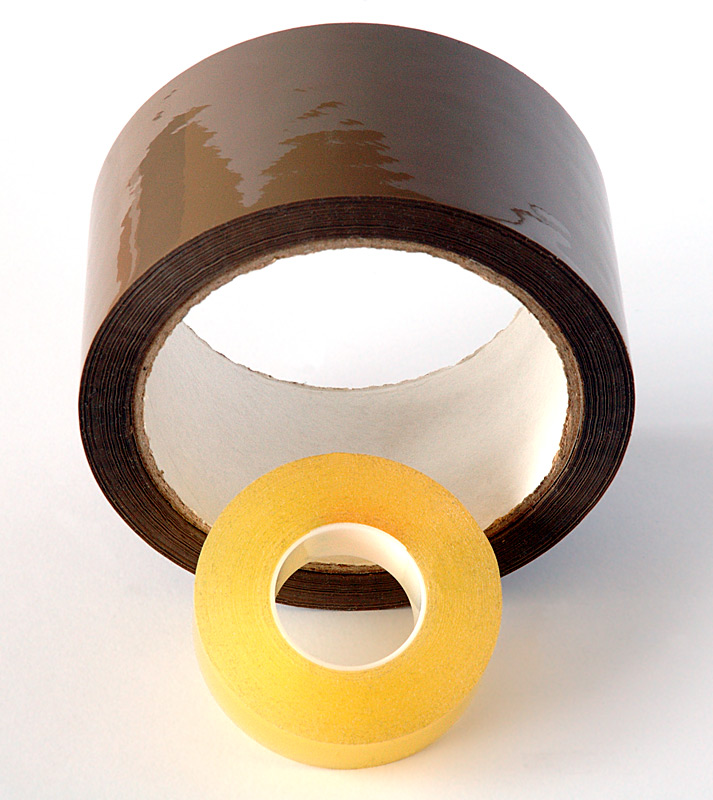
  2. Never struggle with tape again – use paper clips or bread clips on one end of roll to keep your place OR put tape in the microwave briefly (5-10 seconds) to soften it up and find the end.
    Sticky_tape
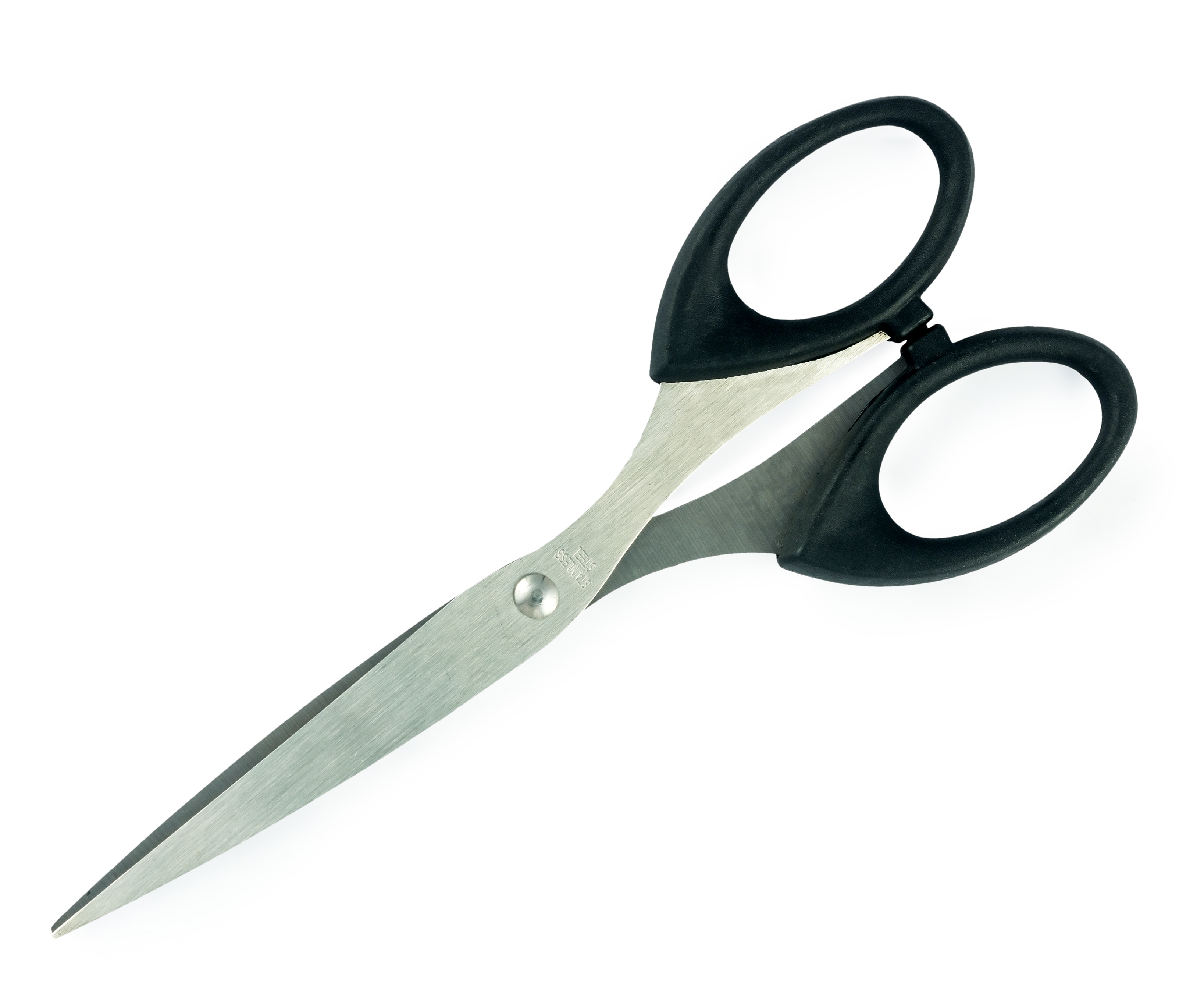
  3. Keep scissors sharp by folding aluminum foil over itself a few times, then cutting through it until satisfied.
    Pair_of_scissors_with_black_handle,_2015-06-07
  4. Remove oil paint from your hands with baby wipes. For when water and soap won’t work.
    16127151040_6e407c1643
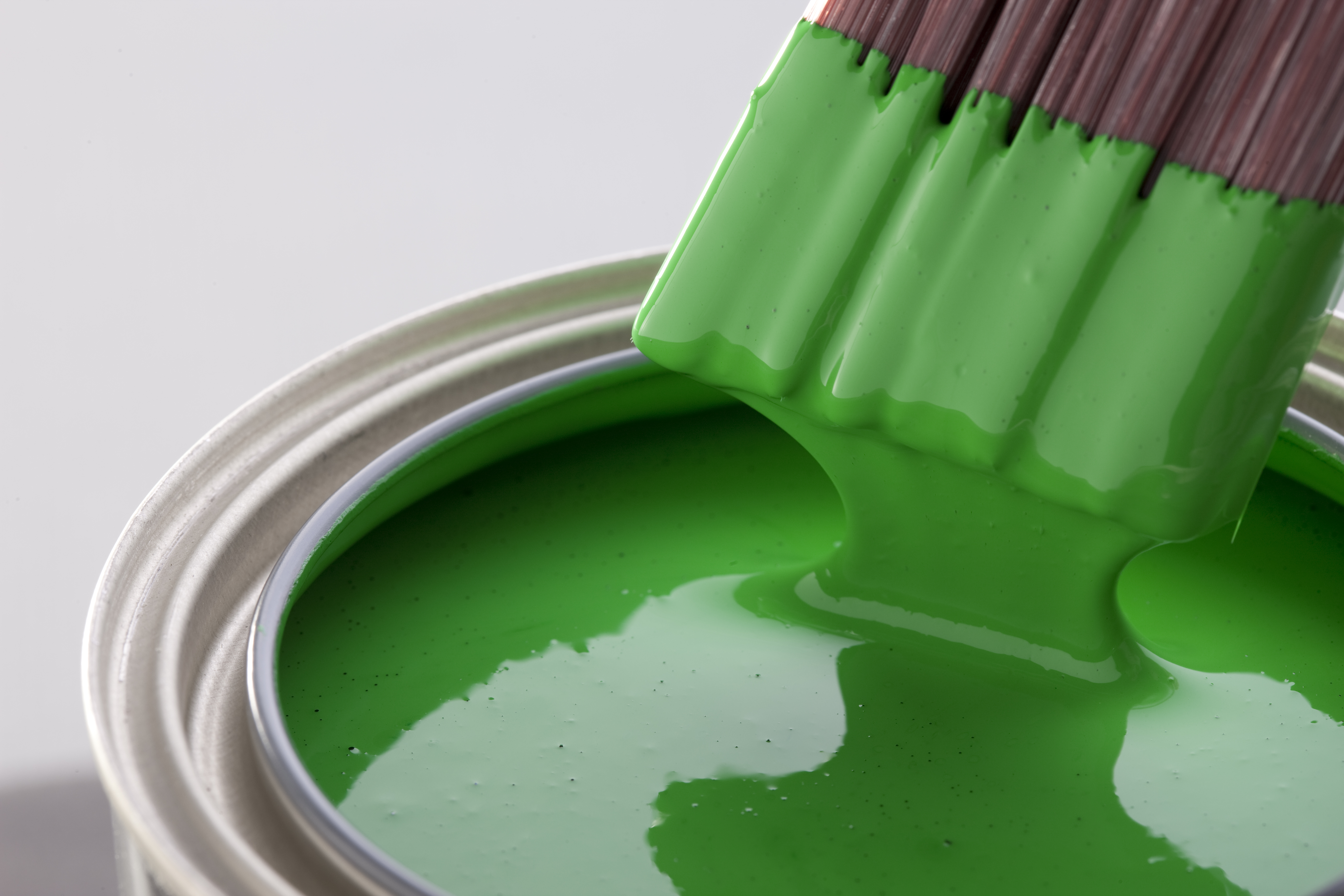
  5. Maximize your paint can/jar/tube lifespan – put rubber bands around cans to wipe brushes, saran wrap over tubes before adding the cap, take extra paint from the jar and store it in a sta-wet palette OR a plastic container in the fridge. When your jars are stuck, open them with a strip of duct tape – half on the lid, half as a handle.
    10481755764_dbc51ab991_o (1)
  6. Paper towels can save your drawings life. Place a non-textured towel where your arm would rest to reduce and even prevent smearing.
    500-117176-847__1
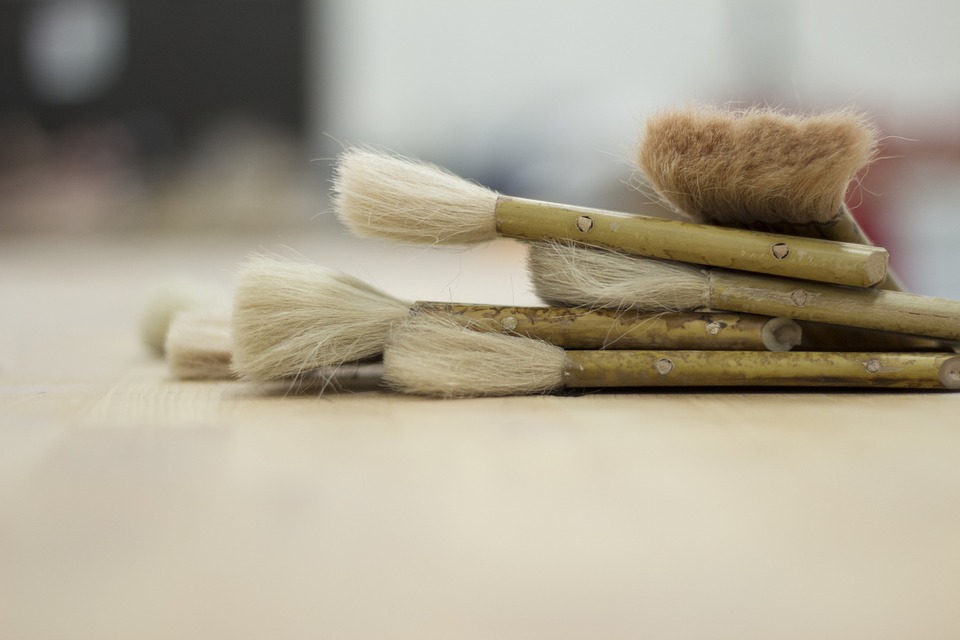
  7. Maintain your paintbrushes. After washing dip the brush in milk and wrap the edge with a rubber band to reform the point OR apply hair conditioner or hair gel after cleaning for the same results.
    paint-brushes-690260_960_720
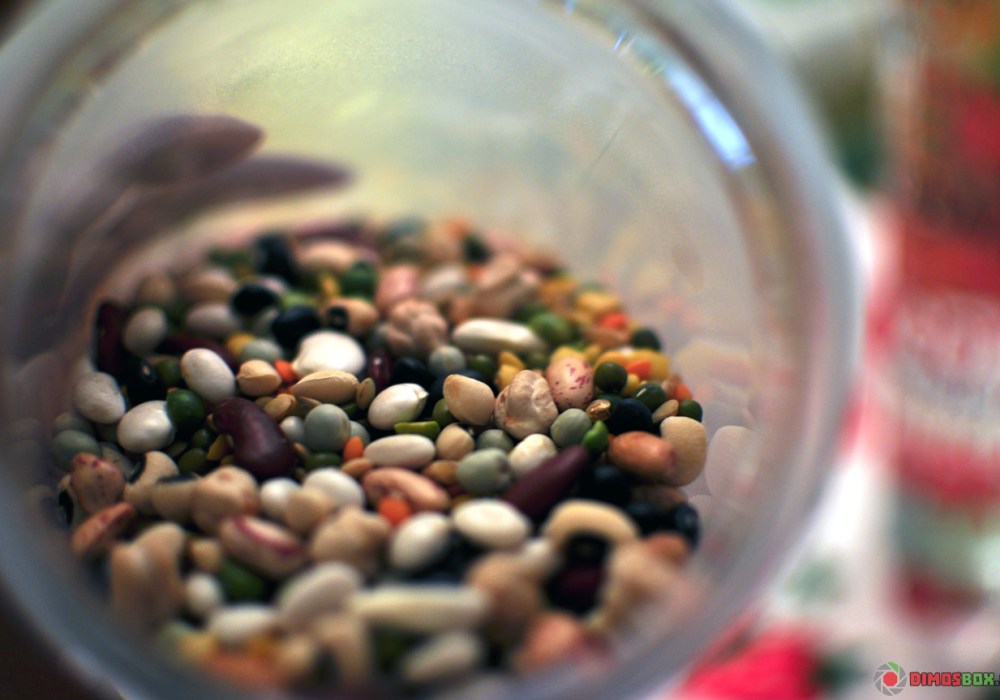
  8. Brush maintenance part 2 – Consider storing brushes horizontally in aluminum foil lined with paper towels to speed up dry time OR putting them in a planter with sand/beans.
    2292579833_a777009e1d_o
  9. Want your computer space clean and in order? Use binder clips when the keyboard feet break, and if you need to clean, consider using post-it-notes between the keys. If your laptop overheats, place it on top an egg carton.
    IMG_3145
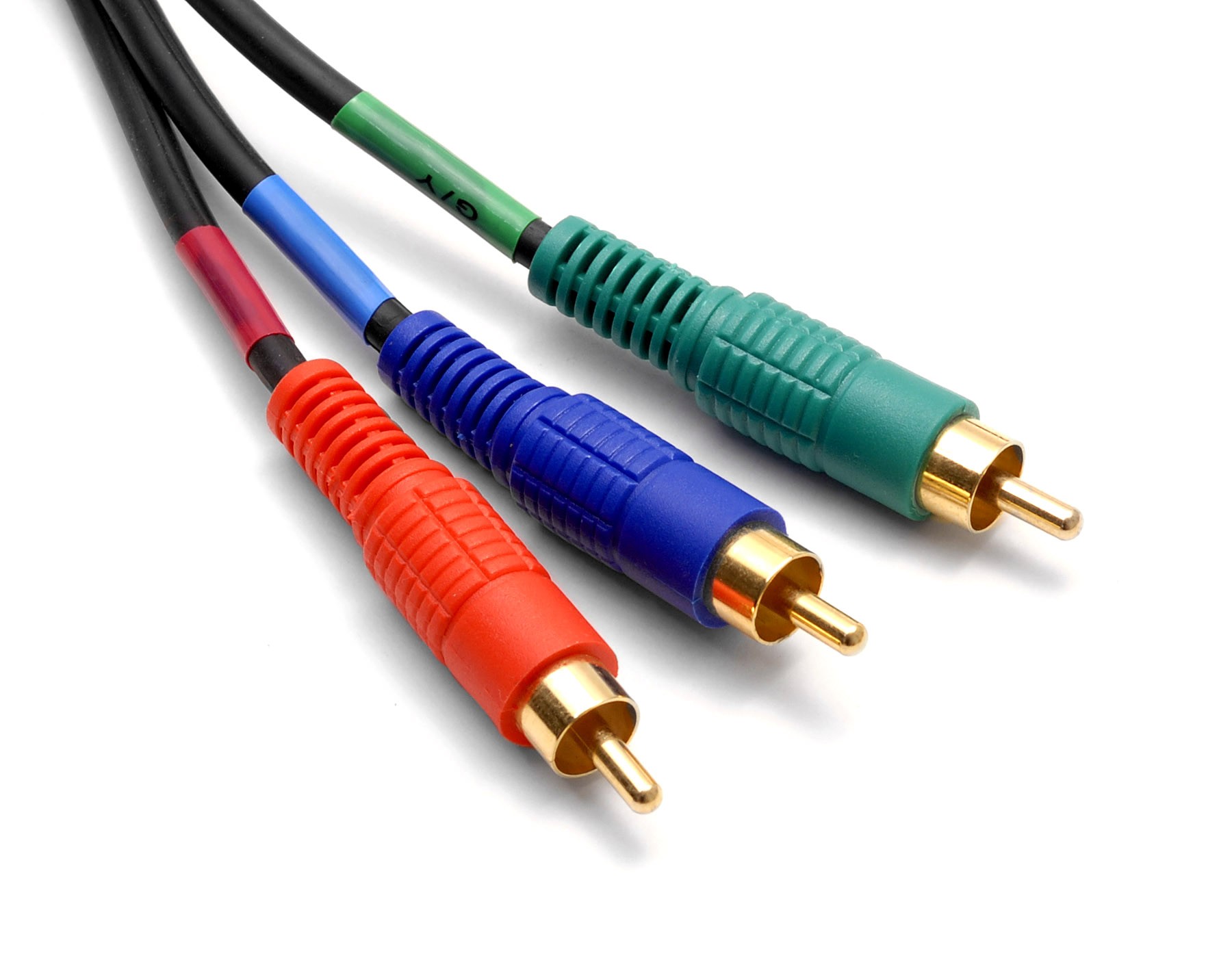
  10. Speaking of electronics, you can also loop cables through binder clips to keep track of your cords and put unused cords in empty toilet rolls.
    Component-cables
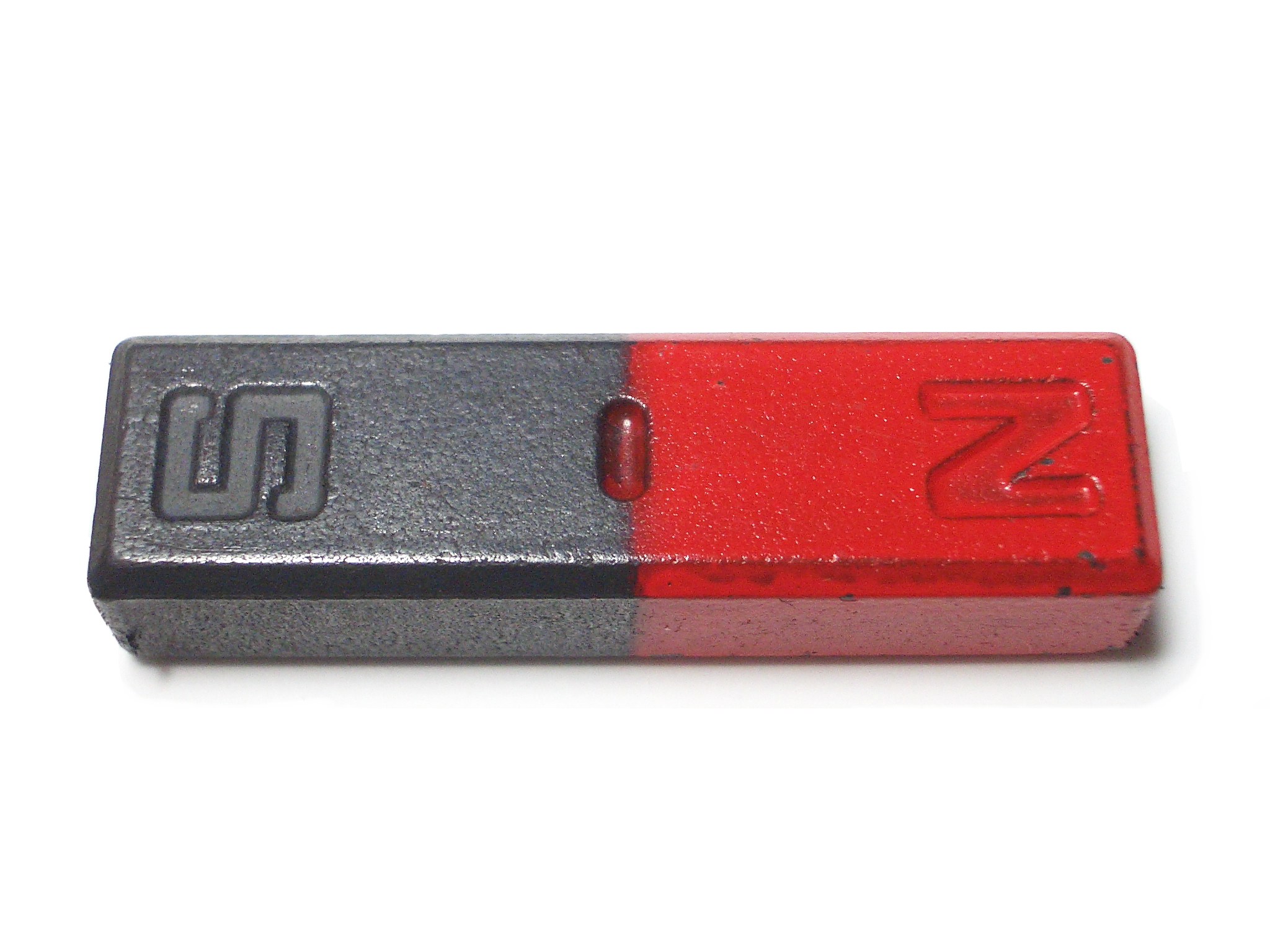
  11. Storing your art supplies is important – As mentioned already, binder clips are amazing, especially for hanging paint tubes on nails. You can also use magnets to store paint upside down or add them to a cupcake stand. Pens/pencils can be stored in cups on wine racks.
    Bar_magnet
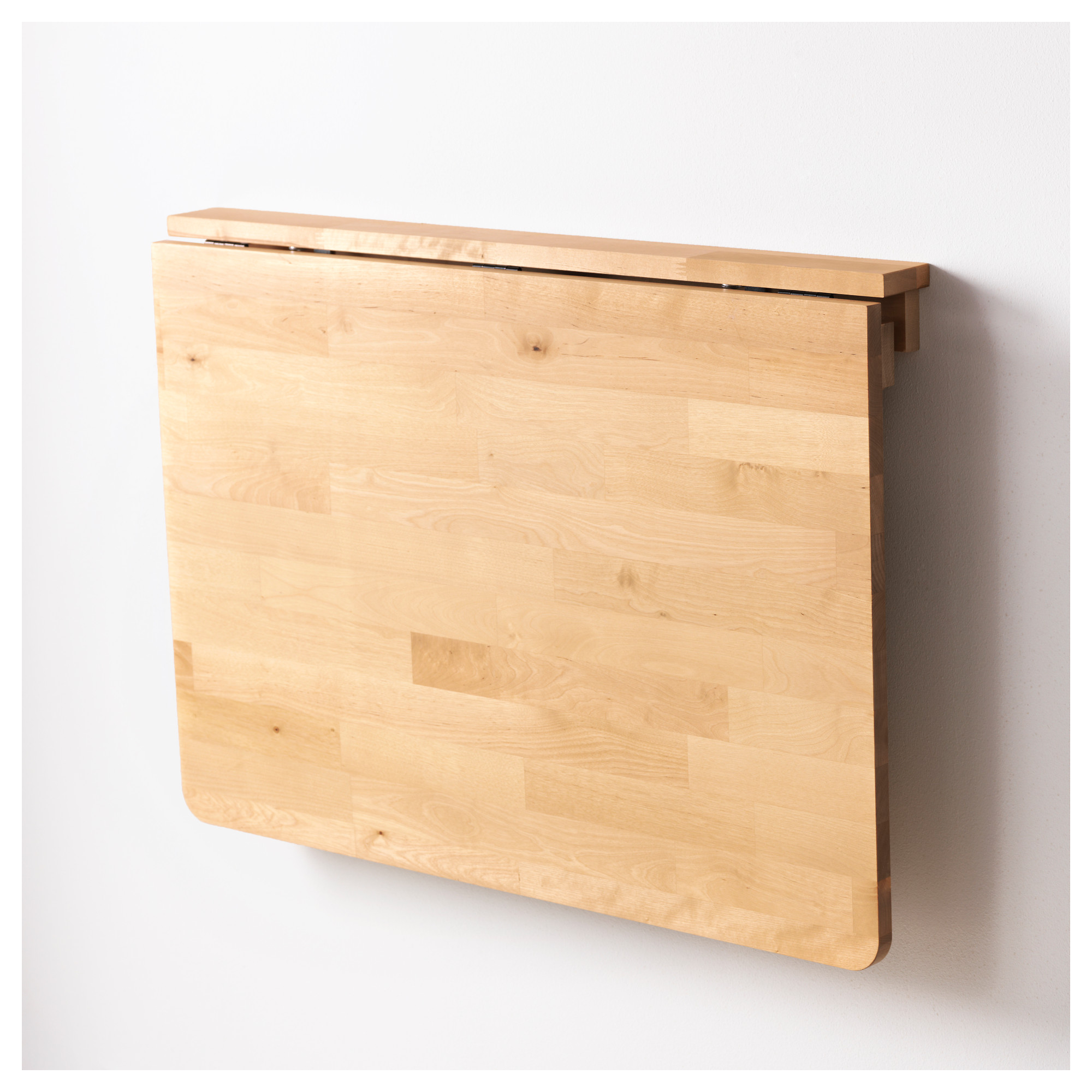
  12. When short on space – install a drop down table and then add glue a cutting mat to the top. If you are feeling particularly clever, add a magnetized quilt to the top which can be used to iron curled paper.
    0251766_PE390555_S5
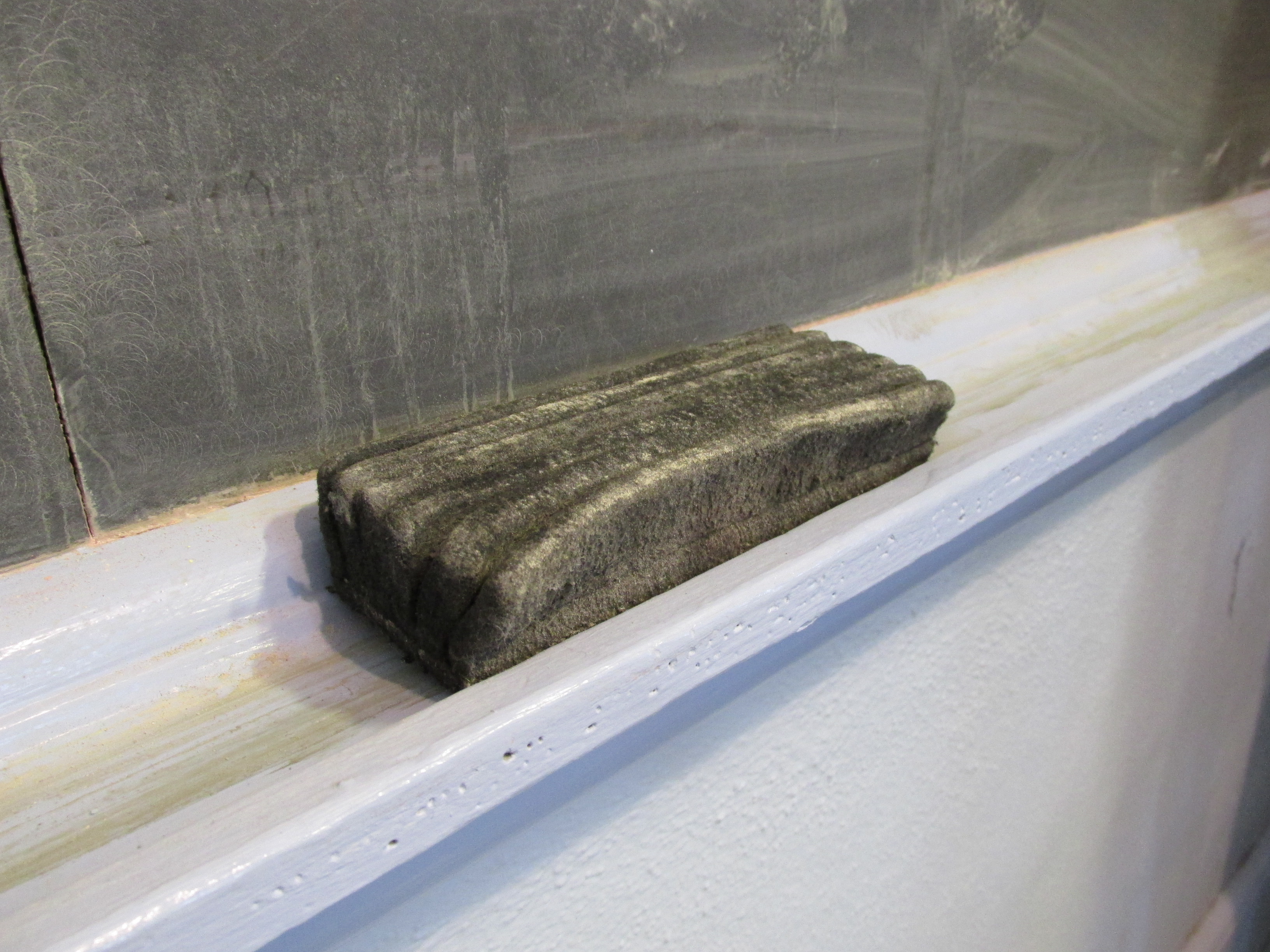
  13. Chalkboard paint is important. Chalkboard paint can be applied to doors, jars, walls, and a myriad of other objects to help create idea lists, supply lists, to-do lists, and label your stuff. Don’t be stingy with it.
    Chalkboard_eraser,_Waldorf_School,_East_Lexington_MA
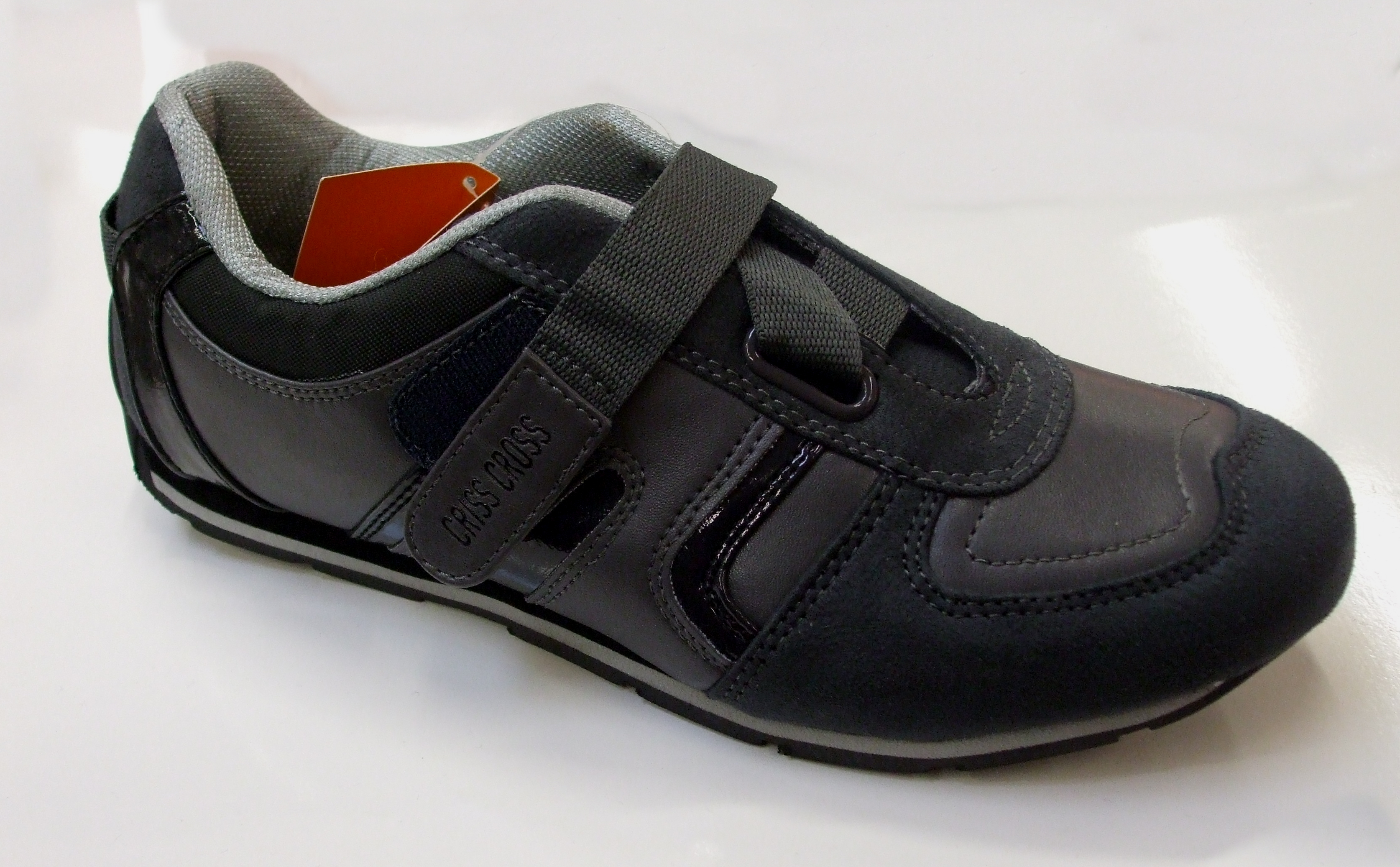
  14. Similar to magnets, you need to embrace velcro. Velcro can be used to fix mats to the floor and then quickly removed when painting. Alternatively, they can also be used to set up baskets that stay in place.
    Shoelaces_Velcro
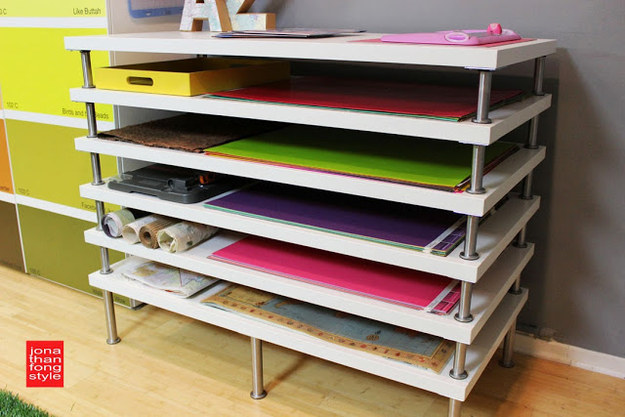
  15. Converting larger furniture to serve as storage is also an option. Table tops can store paper. Ladders can store tape, ribbons, and fabric, while ceiling tiles could become a marker rack. And please consider a tool chest or card catalog cabinets for your assorted little things.
    enhanced-18122-1408986567-5

And there you have it! A technical list of hacks for creative types. And as promised, I have included links to my sources – 1 2 3 4 5 6 7 8

As I mentioned once already friends, sometimes it can be difficult to learn these tips. I have a theory that it’s because artists “seem” to represent a small percentage of the population. We don’t make an effort to share our findings, because we think there aren’t a lot of people who would benefit from them, but obviously that is not true.

What do you think? Are these art hacks awesome? Do you have some other ones? Please leave comments and subscribe if you haven’t already, I’ll have more wisdom next Wednesday, and something timely tomorrow.

Tim!

Top 10 Reasons Why You Should Work Smarter (Life Hacks)

Another week! Another Wednesday! Another opportunity to share some wisdom with you dear readers! Today’s topic – how YOU can make art and also balance the other areas of your life simultaneously!

Think about it for a minute, what’s the most fascinating subject in this life to dedicate years of your life studying? The answer is none other than yourself, dear reader(s)!

I know it sounds selfish, but is there really a better use of your time then working on yourself? Let’s be serious, we all do need to ask the question – what’s in it for me? If you can’t answer that, you can’t begin to contribute in this world.

Okay, with that aside, I don’t truly have a life-changing list of top 10 ways to improve yourself, make life easier and get your art out there (it’s a lifelong commitment), but I definitely do have a resource to get you started and at the very least start working on basic areas of your life that are universal and can be refined to your specific purpose.

Lists or no, I honestly think the reasons are innumerable for why you should streamline your internal process, so timotheories came up with a curated strategy of things we all need to work on in order get our rear in gear, and remove that fear!

First lets get in the right mindset.

You can’t outsource being CEO of your own life.

– Leo Gura, Actualized.org

No one knows your life purpose better than you, and no one is going to hold you up and guide you directly towards your goals, but if you focus on these habits below, you’ll realize that life becomes just a bit easier, and you have more energy for the things important to you.

I visited a number of sources in order to come up with this list – from Inc., to Readers Digest, WikiHow, Buzzfeed, a blog called BufferSocial, Time, and finally Life Hack.

So what did I determine from the swath of tips?


Here are my top 10 skills to invest in, in no particular order.
  1. Time management – Improve your time management skills by looking at your results regularly to see if you are on track or wasting time – Set up your calendar and having dedicated concentration time on specific tasks. Through time management systems, and recognizing that there is a difference between being quick versus in a hurry, you’ll improve here for sure.
  2. Learning to love learning – You need to learn new things in order to keep up with the fast pace of digital tech. That means using keyboard shortcuts, improving your typing speed, and your reading speed, for starters. If you can figure out MACROS on your spreadsheets you’ll be surprised how much automation you can get out of menial tasks.
  3. Communication is key – In a time when texting, email, and social media are the new favourites, try to use the phone more often. It saves on countless back and forth. And speaking of back and forth, be concise in your emails. Respond to calls and emails as quickly as you can, and when you can’t do that, set up a regular time to respond to your contacts.
  4. Multi-task misery – Learn to multi-task the right way, by cutting it out of your life. If you keep a million tabs open on your browser, you’re gonna have a bad time. Please remove distractions while you work and spend time with others. Turn off your phone, close your tablet, and focus on the task at hand.
  5. To-Do list – The ever popular to-do list is perfect for organizing your day into bite-size chunks. Make a daily one to automate certain processes, and really focus on the unique difficult tasks first. As the saying goes, eat that frog. If you want even more reinforcements, create a “to-don’t” list, of things you’ll never do, and stick to it!
  6. Attitude is everything – Expect failure and fight paranoia in life – Failure is common when you are exploring. But not failing is never okay. Keep positive and realize it won’t always be this bad, but it won’t stay easy either. If you ask lots of questions, aren’t afraid to do menial work, and spend 10 minutes a day laughing out loud, when Sunday night appears, you’ll be excited for Monday.
  7. Evaluate life – Make major decisions in the morning and divvy up your day based on your productivity habits. Assess your passions at the end of each year, each month, each week, and before you go to bed. If you can do that you’ll focus and delegate out the unnecessary. Flexibility is important too, but if you get stuck try this – pretend you are away from work and/or home for a week, and you only have a few hours to accomplish your tasks.
  8. Plan to make plans – Plan regularly! Build routines to start your day AND end your day. You are going to have to organize throughout the day too, so make an outline to insure you aren’t starting from scratch over and over. Please also set deadlines for major projects by planning ahead. You’ll benefit from organizing your desk/workspace, minutes saves hours, believe me.
  9. Community of colleagues  – Please be social at work, so that you have a support base and network to lean on in your endeavours, and don’t be afraid to say no to anyone. If you can learn to do that AND under-promise while over-delivering, you’ll definitely find the time to finesse your brand pitch about you and gain some fans in the process.
  10. Health matters – Your greatest resource is you. So build good habits to help you stop working and walk away after a certain point. Working smart doesn’t mean you also work hard. Health is important and managing stress, anxiety and depression are part of it. Try a standing desk for posture and circulation, get up every 45 minutes and move around too. Finally, pick a “Sabbath” day to refresh your soul, body, and mind.


So there you have it, I took all of the most brilliant advice on life hacks, and summarized it even further. No easy task, but worthwhile!

And that’s all the theories I’ve got for today! Are any of you already doing some of these things? All of them? Leave questions or comments, or send me an email! Subscribe if you liked this post and want to see more.

Otherwise, come back tomorrow for some love tips or something mushy related to it, at the very least.

Tim!