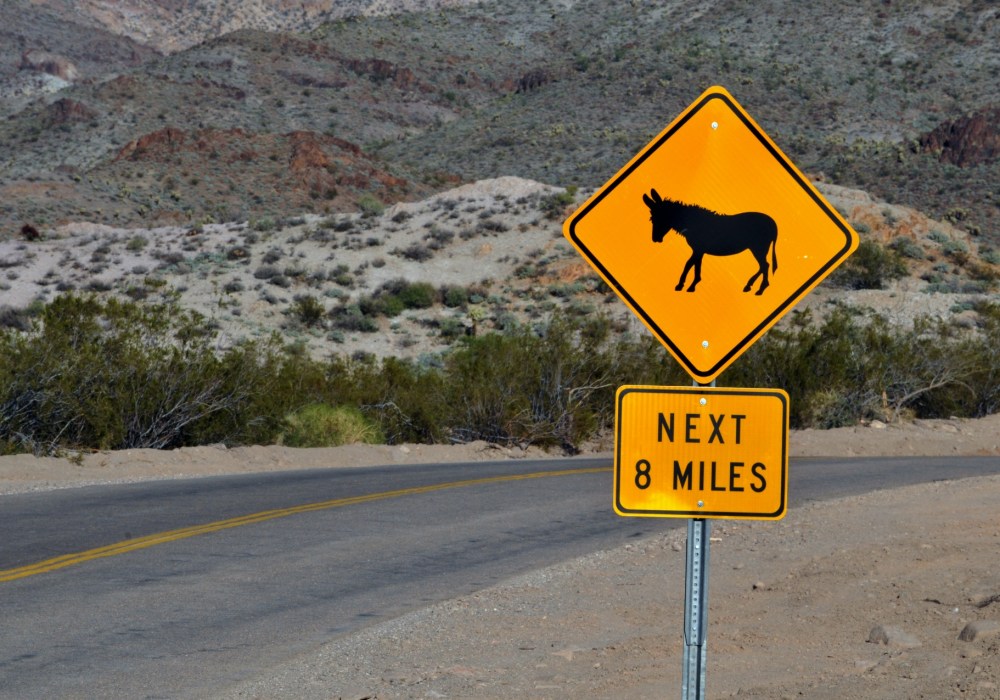
Warning! Animal Crossing (The Revenant review)
I enjoy a revenge flick just as much as the next guy, but sometimes how my mood is well determine which type of movie I want to settle in for. If I want something violent, mysterious and twisted than I’m feeling like Oldboy (the original) or Momento is the right choice. If I want something light-hearted, then Lucky Number Slevin can’t be beat, and if I want both humour AND gratuitous violence than Inglorious Basterds or Kill Bill will do the trick.
But what if a revenge flick needs to be sweeping and feature that element of the sublime within it. Then I guess this week’s review will have to do.
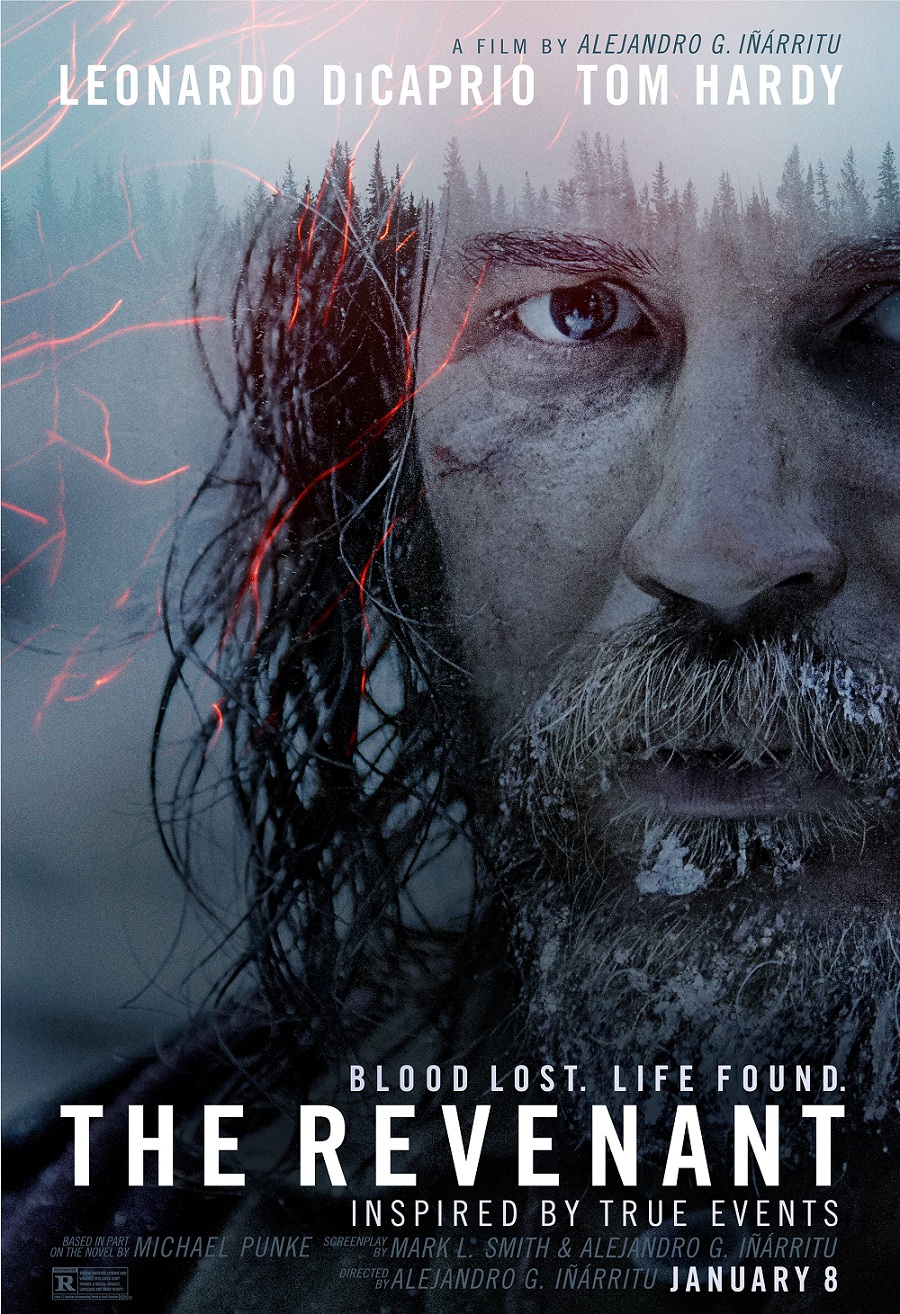
The Revenant (2015)
Cast: Leonardo DiCaprio, Tom Hardy, Domhnall Gleeson, Will Poulter, Forrest Goodluck
Director: Alejandro G. Inarritu
released on blu-ray April 19, 2016
********** 10/10
IMDB: 8.1
Rotten Tomatoes: 82%, Audience Score 85%
The Guardian: *****/*****
Alejandro Gonzalez Inarritu (known as Alejandro G. Inarritu since 2014) is a Mexican film director, produce, screenwriter, and sometime composer. In other words he can almost everything but act in his films.
He is the kind of director that wins awards and receives critical acclaim in the film industry. Don’t believe me? Look at his track record – Amores perros, 21 Grams, Babel, Biutiful, Birdman or (The Unexpected Virtue of Ignorance), and now The Revenant. He won Best Director, Best Original Screenplay, and Best Picture for Birdman. And now he has won Best Director for The Revenant, along with Leonardo DiCaprio earning the award for Best Actor.
And to be quite blunt, he deserves those awards. But before we get into it, let’s do a quick overview of The Revenant’s plot.
Taken from Wikipedia and edited,
In 1823, a crew of hunters and trappers traveling through U.S. territory suffers heavy losses in an Arikara ambush. A handful escape by boat, but Hugh Glass (Leonardo DiCaprio), a veteran trapper, advises them to instead continue on foot. Their commander, Captain Andrew Henry (Domhnall Gleeson), agrees, but others, including John Fitzgerald (Tom Hardy), are furious in leaving the valuable pelts. The Arikara catch up with the boat, but find and kill only two stowaways.
While scouting ahead, Glass gets attacked by a grizzly bear, suffering severe wounds. Henry patches him up, but decides he is too much of a burden. On Fitzgerald’s advice, Henry tries to shoot Glass but ultimately relents. Instead, he pays Fitzgerald and Jim Bridger (Will Poulter) to watch over Glass until he dies and to be properly buried. Glass’s Indian son, Hawk (Forrest Goodluck), volunteers to accompany them. While Bridger is busy collecting water, Fitzgerald tries to smother Glass and stabs Hawk to death when he intervenes. Claiming that an Indian attack is imminent, Fitzgerald throws Glass in a shallow grave and is followed by a reluctant Bridger.
Upon returning, Fitzgerald informs that both Glass and Hawk died of exposure, while a guilt-ridden Bridger refuses to accept his payment. Meanwhile, Glass, on the verge of death, struggles to recover his strength. He is also pursued by the Arikara, whose chief, Elk Dog (Duane Howard), is in search of his kidnapped daughter. Glass encounters passing Pawnee Indian, Hikuc (Arthur Redcloud), who provides him with accomodations, and offers to travel with him. One morning, he wakes up to find Hikuc has been hanged by French trappers. He infiltrates their camp and rescues a captive Indian girl, unaware that she is Elk Dog’s daughter. Arikara pursue Glass and force his horse off a cliff, leaving them for dead. With no options, Glass uses the horse’s corpse as a makeshift shelter.
While preparing to depart for the season, Henry picks up a French hunter carrying Glass’s canteen. Based on his information, a search party locates Glass and brings him back to camp. Henry has Bridger arrested for treason, but learns that Fitzgerald has already fled with the expedition’s money. Seeking revenge, Glass and Henry set out to track him. When they separate, Fitzgerald ambushes Henry and scalps him to make it look like an Indian attack, hoping to throw Glass off his trail.
Using the dead Henry as a decoy, Glass tricks Fitzgerald into revealing his position and wounds him with a pistol shot. The two men engage in a brutal hand-to-hand fight, which Glass wins. He turns Fitzgerald over to the Arikara, who scalp and kill him. Grateful for Glass’s actions in freeing his child, Elk Dog spares his life.
I will say this about the movie. It manages to to construct a feature length sensory experience. You feel the pain all over when the bear decides to attack Glass, and you wince in pain as it comes back for round two after he attempts to down it. You feel the sense of loss when he is incapacitated and has to watch his son die. You shiver at the sweeping landscape of cold and exposed skin. It’s incredibly visceral.
And yes it’s a revenge story at heart, but that’s what drives the plot forward, the details of how we get there are what matter in this epic western. The length never feels unnecessary, because Inarritu understands cinematography and what to do with video and audio to make it all worthwhile.
Pros: By focusing in on less than a dozen characters and giving us over 160 minutes of well constructed interactions, we get to experience frontier life in all of it’s brutality whether by nature or by lack of nurture. Did I mention that it is beautifully shot? It somehow makes you both want to live a simple lifestyle and stand in awe of the scale of the wilderness.
Cons: I found it hard to relate to Domhnall’s character, he felt a little bit out of place as a Captain, but upon second thought, that might be all the more reason for him to let Glass live and later die himself.
Runtime: 2 hours 36 minutes
Points of Interest: The film is based off of the 2002 novel of the same name, and also from the real life story which inspired the book – the adventures of Hugh Glass, essentially. Though Glass is reported to never have had a son or wife, that element was featured to enhance his motivations in the story.
Let’s be honest, this is beautiful film with an uncompromising story. After all of the press, the internet hype and the presentations at various film award ceremonies, I get it. I get why this was the straw that broke the camel’s back and finally got Leonardo DiCaprio an Oscar. The Revenant is breathtaking, well acted, and features an appropriate cast. You should add this movie to your collection, especially if you like Leonardo DiCaprio, Tom Hardy, westerns, nature or revenge plots.
Inarritu has managed to address a lot of important issues in this film, the drive of revenge and it’s ultimate disappointment, the exploitation of nature by mankind, the inconsistencies of our character and how we are capable of great deeds, but most importantly he shows the power of the natural landscape and how it can transform us whether we are ready for it or not.
Again I would highly recommend this film to anyone, but what do you think? Have you seen it yet? Did you love it, hate it or what? I’ll see you tomorrow friends, with some wisdom and hopefully some new theories.
Tim!

 timotheories