Grow Up And Blow Away (Your Image)

Growing up is hard to do.

Or to if I were to rip it off of a writer like E. E. Cummings, it takes courage to grow up and become who you really are. Which is why Peter Pan never did it, why Peter Pan syndrome is real, and it’s also why we don’t all get there.
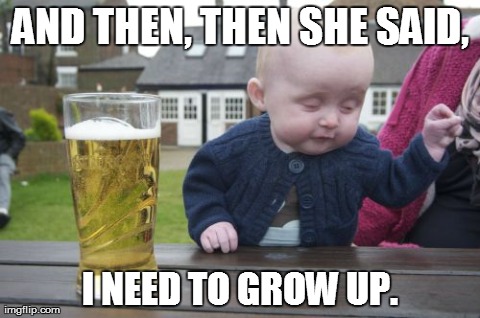
5ryk4

Also, I’ve never been a large fan of this above meme, but you know what? This seems like an appropriate time to use it, after all, marketing is about communicating a message, and so I’m making a solid point with a message about dummies using a baby to be funny.

Real mature dummies. Way to devalue the importance of marketing.

Hold on a tick, timotheories, are you saying what we think you’re saying?

That’s right, we’re onto post number four in the Importance of Marketing series!

As I’ve already done a few times before, I should start us on the right track by clarifying what an image means in this instance. It could be a representation of the external, whether the form taken is that of a person or a thing. It could also be a metaphor. In most cases it usually means a physical likeness, which can be best demonstrated with a photograph, painting or sculpture.

But what about a mental representation? An idea? a conception? Especially given the weird quality that computers have which allow them to produce an image themselves. And thusly we arrive dear readers. I’m referring to your online image.

An online image is that which houses all of the internet related information available to the public about you, and it can be very unflattering. Your online image is a summation of characteristics and interactions you have with other members of the internet. Most of the interaction happens on forums, content channels, and digital vending machines, but regardless of what you do with your time online, each website builds a profile of who you are and what you do.

Which is why you should learn some basic online hygiene in order to take that road. Yes, I could teach you about branding related image elements, like your logo, mailing list, etc. But upon more reflection, it occurred to me that we can all benefit from the below first, and build up to that level of attention.

So here it is, a short(er) list of things you should do.

  1. Regularly track your Google search results. Are you competing with someone else for  name attention? What kinds of URL results come up when someone searches for you and are the results consistent with the image you want to have? Is someone else with the same name in the top results? If you set Google alerts, you can run interference on both positive and negative feedback whenever someone has something to say about you.
  2. Buy all of the necessary social media names associated with your brand. For example, I have YouTube, Facebook, Instagram, Pinterest, and Twitter locked up. Your personal URL needs to be in sync with your brand too, so look into that as well. Domain names are relatively inexpensive to acquire, and the internet is the future after all, so make a commitment now. And then make your email signature align – add all of the links.
  3. Participate in the above mentioned online social and business related groups. That also includes LinkedIn, Google+, and other ones like ZoomInfo. Your goal is to structure your profiles, replies, and posts so that you can attract your target demographic and send a professional message about your expertise. By connecting with those who already do what you want to do or are on their way too, you’ll gain access to job openings, freelance opportunities, and networking events.
  4. Blogging. I blog because I love it, but Google and other search engines love blogs too. The content is regularly updated, and as you participate in the culture, which means guest posting, commenting on other blogs with your handle, and sharing useful information. And reference other relevant blogs when you can because the community commitment makes all the difference. Of course, if you can fit your blog into a full-meal-deal website that showcases your career, achievements, and portfolio, all the better.
  5. Share your expertise. That means participating in professional associations that have physical and online forums, and take advantage of their networking opportunities. If you go to Yahoo!, Google Groups, LinkedIn, Reddit or WikiAnswers, you’ll find lots of people that’ll appreciate your help. You should also write reviews of relevant books for online publishers like Amazon and Indigo. And of course don’t forget to link it to your personal brand.

But what do you think? Did I miss anything? Do you still never wanna grow up? I know it’s scary out there, but I have a theory that if you follow the above you’ll get where you need to go on your marketing journey. I’m out of theories for now friends, but I’ll see you tomorrow with something timely.

Tim!
Promote Your Heart Out (Importance of Marketing)

May the 1st be with you, dear readers.

And also with you timotheories. Go forceful and multiply.

sKC9ND9

Thank you my friends! It’s that time of day, day of the week, and day of the month when I share with you this month’s plan, and of course, give you some theories to whittle away at. Are you ready to see the schedule?

Of course you are!

It might seem like this is turning into old hat – I give you the schedule, and because you know how each day’s theme plays out, you should expect to get your share of film, music, visual art and theories about the arts. Maybe some wisdom too, if you’re up for it.

But hold up a second, because you know what? Well, actually I don’t need to go into hypotheticals.

You already know that I am doing much more then simply giving you content each week. timotheories is also about sharing with you the important components to be successful as a creative type in today’s mix of social intelligence, online media, and globalization. You know in your heart, because you can’t have heart without art, that consistency of character is integral to a successful blog/portfolio/gallery/channel. And as it relates to the bigger picture, that who you are defines what you do.

When we look at this concept through the lenses to business, an incredibly important facet of artistry, we call this character a brand.

So if you’ve been playing real close attention these past few months of 2016 you’ll know that I haven’t been releasing “monthly schedule” posts on Sundays nor on the first of the month. Sundays are the day I share theory with you, when I release interviews, Cross Talk episodes, and also important updates to the timotheories brand.

Today isn’t going to be about the schedule. No, today is about marketing.

Because marketing is how you develop your brand. If brand houses the vehicle, than marketing is the set of vehicles that you CAN use to get from A to B. You might not need every vehicle, but they all can help.

Which is why I want to share with you some basics of marketing and how to ensure that you develop your professional relationships and connect your art to the people who should be seeing it. Which will help with your brand. And interestingly enough, I’m going to be taking this ride right along with you.

You see dear readers, I haven’t fully realized my brand yet either, but I know how to get there, because I’ve got a map. Courtesy of articles like this one.

The truth about marketing your particular brand is that you spend a large part on prep. You have to know your audience which means exposing yourself to the experts and learning from them as best you can. And fortunately enough, there are countless gurus out there that can provide you with information about syndication, professionalism, image, and your plan. And maybe other pieces.

  1. Starting with your business plan (summary of your business, your strengths, your weaknesses, goals, competition, and what makes your business unique) and memorizing it is probably the most important.
  2. Following it up with a regular schedule of promotion or syndication (sharing on social media, participating in events and communities, and collaborating with other experts.
  3. Setting up your image online and in person so you look and sound the same everywhere. That means logos, mailing lists, introductory videos and landing pages. You name it, it needs to match your image.
  4. Professionalism is similar to image, but what it really means the is that the authentic voice everywhere is consistent with who you are and puts your best business foot forward.
  5. … well let’s not get ahead of ourselves

No_fate_but_whatever

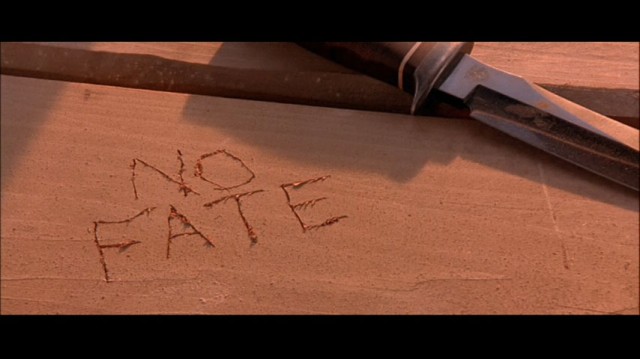
I’m sure you have questions about this process, but one thing is for sure, the future is not set, and I’ll be there with you as we fight the good fight. I know you have good art to share, and I want to help you share it. Marketing is key, so promote your heart out.

And those are all of the theories I’ve got today friends. I’ll see you tomorrow with something melodic. But you already knew that.

Tim!

Problems With Art Galleries That No One Talks About (Take Photos All The Time)

Now here’s a little story I’ve got to tell, about an artist blogger you know so well.
It started way back in history, with a museum, a guard, and NYC – you see?

And that dear readers, is how you make a transitional joke from one post into the next one. Please see previous post for reference if you want to get the joke, but I’m going to move along so that I don’t lose this post’s momentum.

Let’s visualize for a moment here.

This is a situation that seems to happen all the time across the world in various museums and art galleries alike. You are seeing a-one-of-kind piece of history for the first time (often a famous art-work) and you want to take a photo of it for posterity and so that you can remember what you saw when you return home. Let’s be honest here, you’re done have an eidetic memory and you definitely aren’t getting any younger.

So you snap a photo.

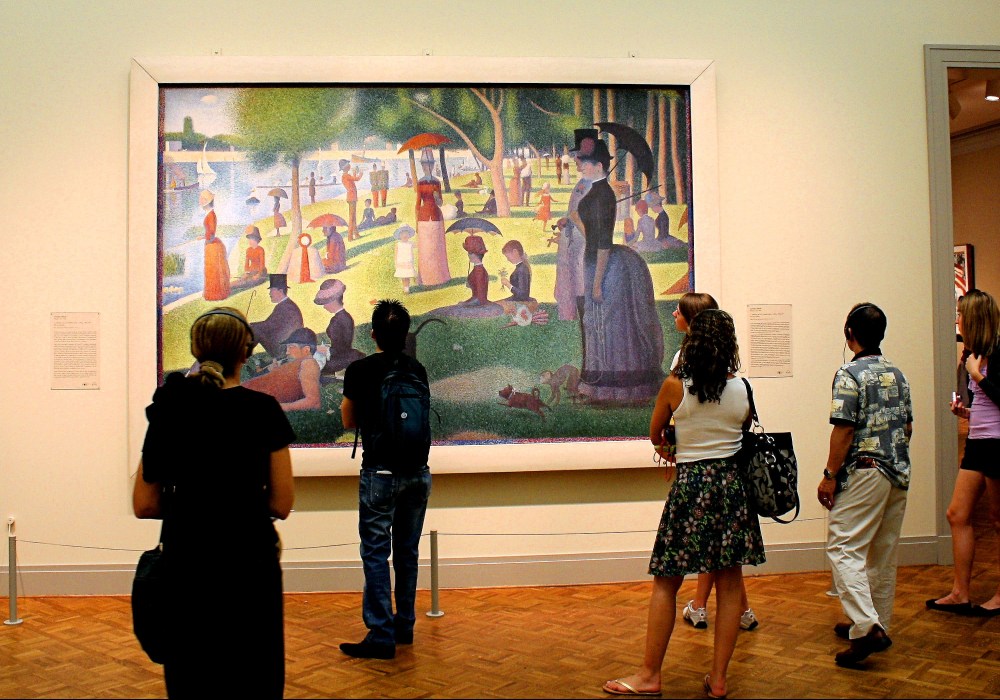
Kinda like I did when I was visiting the New York Metropolitan Museum for the first time back in 2006. Yes, this story is 10 years old, and for you recent graduates and Millennials on the edge of the age generation cut off, that time probably doesn’t mean much to you.

But for the sake of the story let’s pretend you all do understand me. So you snap a photo with your digital camera (not your phone), and get the warm and fuzzies almost immediately, because you now have proof that you’ve been in the presence of greatness, and your loved ones can be excited or feign excitement when they see you again, and you both show and tell.

And this was definitely part of my intent, but not the whole plan. The whole plan was to get some photos, so I could reference them in my own art later on, and because folio pictures from art books aren’t always the best quality. And at as much as 100 bucks a pop, the costs add up quickly.

But then I felt it, a warm hand on my left shoulder. Ever so slowly followed by a deep voice. “You can’t take photos in here son, read the sign.”

Ace-of-Base-The-Sign-1024x1024

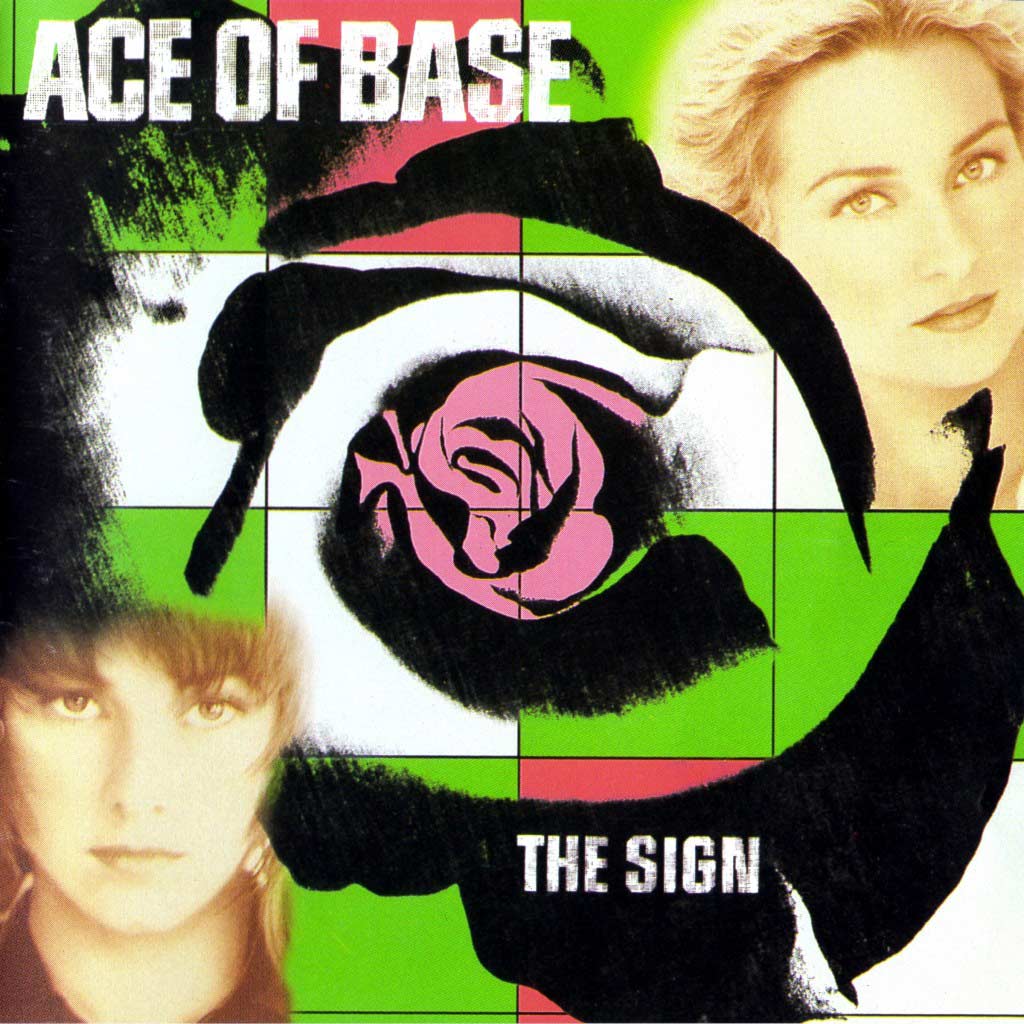
I had read the sign, I saw the sign, and it told me that these works were over a hundred years old and in a dark room to preserve their colour. And I thought I was being clever, because I know all about lightfastness in painting, and I made sure to turn my flash off on my camera (not my phone), because I was being respectful.

It didn’t matter though, I had been caught.

And the guilt quickly set in. But why should I feel this way, it was 2006 and people love to take photos, in fact, digital cameras were making it easier by the day for people everywhere to get into the photography hobby. So all I have are a couple of blurry memories of one room, and I can barely remember which artists I saw in there, so that sucks.

Luckily for us today though, because museums and galleries are loosening the reins on this particular restriction. Because people take photos everywhere, of anything, and all the time. We can thank smart phones for that phenomenon. It’s really difficult for a venue to justify taking away someones’s phone, because it’s not socially acceptable, and phones can save lives.

And from the perspective of the venue they have to decide if it’s more important to have guards paying attention to visitors touching antiquities or snapping photos. That and the challenge of social media. When organizations use social media to show work going up and down, can they really complain when people are using social media to generate traffic for them? The way we think about communication and conversation is changing, visual communication is becoming hot topic once again.

But of course the biggest challenge is the issue of copyright and fair use. I think that institutions need to protect themselves by asking for permission to take photos of work, but for the layman, taking photos for noncommercial use is a lot more permissible, which may be the first indicators of a culture shift.

As time changes peoples opinions about gender, sexuality, and race, and we become more compassionate, my theory is that we will also become better communicators because we need to and our ideas about images will shift too.

What do you think? Comments? Questions? Please leave some and also subscribe! See you tomorrow with a theory about a rabbit.

Tim!