
Bittersweet Symphony (Arca, Arca review)
Let we forget, music doesn’t always have to have lyrics, and sometimes it’s even more beautiful when it does have lyrics, but we don’t understand the lyrics that we’re listening to. Because of language barriers.
Just something mull over in preparation of this week’s review.
Arca – Arca
released April 7, 2017
********* 9/10

Alejandro Ghersi, better known by his stage name Arca, is a Venezuelan electronic DJ, songwriter and producer. He has released three studio albums to-date, including the self-titled Arca (which I’m about to review). Ghersi has worked with artists like Bjork and Kanye West, so you know he’s legit.
Born into a wealthy family, Ghersi has previously lived in the United States and currently lives in London, England. His music is incredibly beautiful to listen to. Full of production value, interesting and complimentary sounds, and sometimes it is creepy as fuck too. Like that album cover, man does that ever give me the heeby jeebies.
This is the first album to feature Ghersi singing in Spanish, which is probably why it feels both foreign and familiar to me. I’m not completely without understanding of the French language, and there are some similarities between French and Spanish, plus my girlfriend understands Spanish, so I’d be remiss not to mention that. And I’m just going to out and say it, but I don’t know why electronic music is so capable of elevating itself to the same level as classical organ rich hymns, but Arca has managed yet again to entertain a strong reign over the spiritual, while upending it with his own battles of sexuality and identity.
Ghersi has been making music since he was young, and his dedication to piano as well as explorations of electronic landscapes have allowed him to transition from pianist, to synth pop teenage dream artist, to electronic guru.
Arca is a combination of those things, and also none of them. You can hear the pop throughout different parts of the album, and the amphitheatre effects are a credit of his technical training, but it’s when they are combined with his experiences as producer that we can see how the chaotic and vibrant sounds of electronic music can make this all work together.
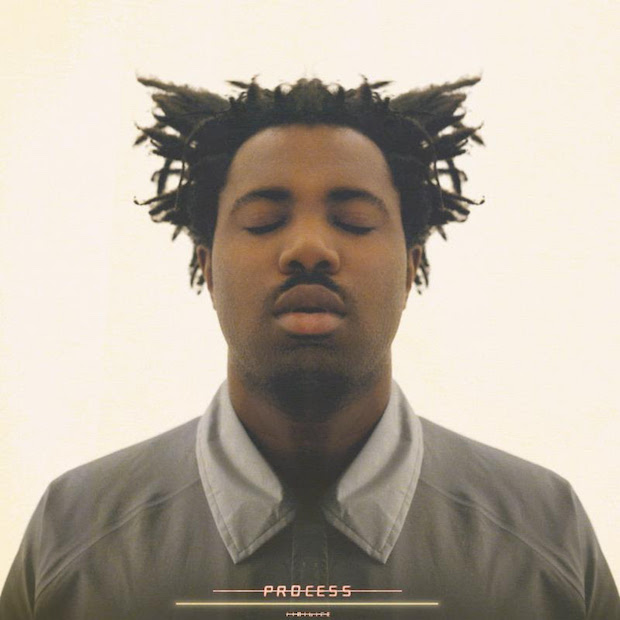
I kind of hate to make comparisons, but it reminds me of the experiences I had listening to Sampha and his album Process a few month ago. The emotion is there, it is raw and visceral like when I listen to the track Child or Piel. There is humour found in Whip and simplicity within Coraje.
This is a soundscape and a place for intimacy. Ghersi admits that Spanish is the language he first learned to process emotion with, so it makes sense that we can feel the emotion in his lyrics when we listen closely, Anoche provides the most vulnerability that Ghersi is comfortable with.
I find myself oddly happy to be writing this post, because at first I thought I would have nothing to say about Arca and Arca. And yet, as I’ve mentioned this is an album without consequence of lyrics. Conceptually it makes me very happy to just enjoy the music and not get caught up in the intent, instead the production and emotion speaks clearly. I could see this being played at a club, in a performance piece, during a play, and even at an art gallery – it has that much range
Like an opera.
theories Summarized
Arc of the past few years would have expected you construct your own narrative from his work, but this time around, it’s all there on display for the world to take in and sit with. The majesty and the pageantry of sound that is Arca is both a backdrop and the main event. I don’t know you can listen to this and not be affected by it in some way, and I have this theory that no matter your personal outcome, Arca will get along just fine.
Tim!

 timotheories