Twilight Zone (Daylight Savings Time)

This isn’t nothing new. We’re playing for keeps in the daylight, in the dark, in the twilight of our hearts.

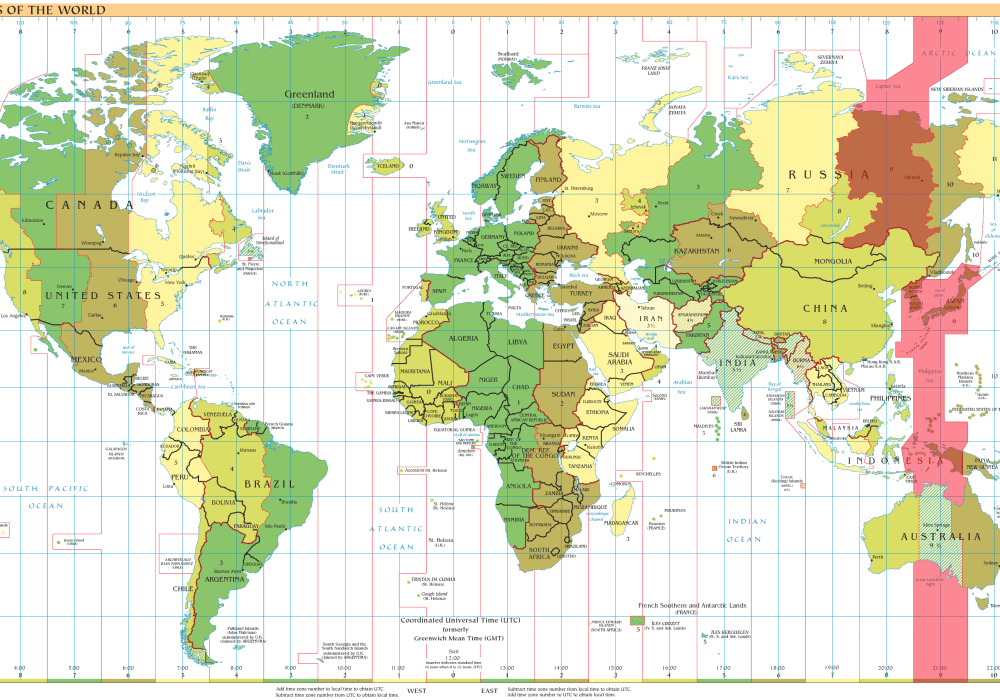
People have been setting back their clocks for the better part of a century now. First proposed by an American inventor and politician by the name of Benjamin Franklin, back in the late 18th century, Franklin’s idea was to have citizens of Paris wake up earlier in the day and take advantage of the natural light; a means of savings on candle usage.

Burning The Candle At Both Ends

Eventually the idea was refined and defined by New Zealand entomologist and astronomer George Hudson, with German and Austria-Hungarians being earlier adopters in 1916. Since that time numerous countries have adopted it into their calendar year with daylight savings time happening in late winter and ending during fall, when we switch back to standard time. The literal notion of daylight savings time is to spring ahead by an hour, but the rationale is far more complex.

In an industrialized society we follow a clock based schedule, with activities that are not dictated by sunlight, by changing the schedule as the days shorten, we effectively gain an extra hour of sunlight in the evening, when most people are off from their work.

But in agrarian work, daylight dictates how much time is spent in labour. Whether one way or another is better is unclear, but where you live in the world does make a difference in the impact of the event. The closer we get to the equator the less daylight varies throughout the year, while the further north we go, the more wildly the daylight length swings throughout the year.

Hands of Fate

To be honest, I don’t know where I truly fit into this debate. Having danced this dance for quite some time now, it often feels great to get that extra hour of sunlight during the day, but the disruption to my sleep in the first place is definitely unsettling. As something of a night owl, I usually better use of the evening hours anyway, and up in northern Alberta our winters are longer with less daylight, while our shorter summers with longer daylight can be a welcome distraction… And so I can see merit to both sides of the argument.

I will say this though. No matter what art form you choose to make dear readers, and where you live in the world, you absolutely need to find a schedule that works for your own predispositions. It is a daily fight to make that art, so no matter where you live, it’s your responsibility to work within the environment you live in.

theories Summarized

I’ve gotten quite accustomed to using the #liveyourlife whenever I can in social media creative cuties, and I think it rings true here too. Whether or not you need lots of daylight to function properly, and I’m betting that is true for most of us, then absolutely take advantage of what you can get in your climate. That may mean more productivity in summer months and hibernating in the winter, but only you can figure out what that really looks like.

With that mentioned, don’t forget to set your clocks forward this weekend, wouldn’t want you to sleep in on Monday and something melodic.

And just like that, I’m out of theories for the day. Or should I say time?

Tim!
 

Here For A Good Time, Not A Long Time (Pomodoro Technique)

Wednesday is very easily becoming my favourite day of the week, dear readers! I get to share with you resources to better yourselves, ways work on your skill set, inspiring figures to keep you motivated, and all the while provide you with a framework to build your art around so that you are creating work that you care about.

No easy task, for sure. But damn if it isn’t a fun challenge for me!

Today’s post is no different as I have another great element of the skills to invest in series that I want to spend some more time on.

Get it, because we are going to focus a bit more on Time Management. That’s right, time management, the area of life that we all feel a lack of control over. I may have been inspired by Daylight Savings Time or it may have been conveniently timed, but time is precious, and there are a number of people that would tell you “time is money,” which is the equivalent of saying, use up your time and get value out of life.

vc5y58j

I would argue the opposite way on this topic. Time is precious, money comes and goes, so don’t trade your time for money. Instead learn to work with time and be conscious of it, so that you can respect it properly. Time wont wait for you – much like common sense, everyone has a different perception of the concept, and reality is far different than what we usually think.

b442b638de69594f9821731b875c70e6dc70474152deff32a4d2d7268d87212e

So what does that mean for us, timotheories? How do we become better at respecting time and understanding the value of it?

Well, I am glad you asked friends, because this week’s post is all about one of my favourite time management tools. It’s incredibly easy to pick up, improves your results quickly, and is a decent amount of fun. Which is hard to believe, I know.

4087d5ee489e56ad50fb958ff051ecfaed5998e2b29fd9cf7273d351fb5e7b2d

I read about it on Reddit of all places a few years ago. Shocker, I know. It’s called the Pomodoro technique, and according to their official website more than 2 million people have already read and benefited from its teachings.

It really is an interesting process and I would be doing the process a disservice by detailing it myself, so I’ve decided to use Wikipedia’s break down for you, exactly as how it works.


There are six stages in the technique:

  1. Decide on the task to be done.

2. Set the pomodoro timer to n minutes (traditionally n=25)

3. Work on the task until the timer rings. If a distraction pops into your head, write it down, but immediately get back on task.

4. After the timer rings, put a checkmark on a piece of paper.

5. If you have fewer than four checkmarks, take a short break (3-5 minutes), then go to step 1.

6. Else (i.e. after four pomodoros) take a longer break (15-30 minutes), reset your checkmark count to zero, then go to step 1.

But that’s not the only important part of the technique – the elements of planning and tracking are key to making it work too.

You have to put your tasks for the day into a “to-do” list and estimate time needed for each task. As you complete your pomodoros, you add checkmarks, icons, or whatever visual symbol you like to each task. This is to identify how long the task truly takes as well as provide yourself with positive feelings about your commitment to working in this way. If you complete a task inside of a pomodoro, you spend the remaining time overlearning the task, to help aid in automation of the task and further reinforcement of the technique.

The breaks also help to maintain focus during the periods of work and keep your mind and body active throughout the work period, avoiding burnout and managing distractions better.

I think the coolest aspect of the Pomodoro technique though is that you are learning to work with time, rather than finding it as an adversary. And if you are stuck for ideas of how to spend your short breaks, you can do some simple desk exercises, organizational chores, short self-administered hand or neck massages, or getting a light snack in.

But what do you think?

24f9f65f2a1d912ad542b35eb4357bd6aec17c0ddd451572f3f393c4b11592c7

Please leave some comments, subscribe to the blog if you haven’t yet, and if you want to get social, please like my Facebook page, follow my Instagram, and follow my Twitter too! See you tomorrow with something timely my friends.

Tim!

Daylight Savings Time (G-Eazy When It’s Dark Out review)

Every year most North Americans set our clocks back an hour in the fall to get more daylight during the winter months, and as a result, that first day of daylight savings time really feels nice. But then it really hurts in the summer when you lose an hour.

What a stupid practice. It doesn’t benefit everyone, and we all know it isn’t real. For centuries, we would just accept that when it got dark out it was time to go to bed and when it was lighter for longer periods, we would work and play for longer.

Which leads me to this week’s album review.


G-Eazy – When It’s Dark Out
released December 4, 2015
***** 5/10

geasy

Gerald Earl Gillum, known professionally as G-Eazy, is an American hip hop artist and producer. Signed to RCA records since 2014, he has now released two studio albums for that label.

I’ll start the review off with this anecdote. I was not expecting to review another white indie rapper so soon off the heels of MGK. But that is one of the perks of writing reviews on music I am either less familiar with or have no background on.

I haven’t listen to his debut album, but judging from the reviews and feedback out there, this is an improvement over his first effort.

Because hip-hop is founded in heavy cultural roots of south bronx african american youth, it always comes down to honesty and earnestness. Personal stories of whatever kind whether it’s hardship or success. This is something which I think we sometimes forget now that hip hop has exploded and now become the most listened-to genre of music globally.

Does G-Eazy prove he understands this on When It’s Dark Out?

I think so.

But I’m a little hesitant with that statement.

I think he really is telling us how hard it has been for him to become successful, and I think he has faced challenges with relationships, and I think he wants to have fun.

But I don’t know how compelling it is.

Don’t get me wrong, it can be fun to listen to, because the lyrics can be interesting at times, and the production value is super high. Which is a testament to the costs spent on making this album happen. But as G-Eazy says so himself

“The sophomore album is one of the most treacherous obstacles for any rapper… I dug as deep as I could until I was literally drained of inspiration.”

I just don’t think that inspiration he exerted makes this album one that we are going to remember. Because his stories are not meaningful enough. He looks confident and has an interesting wardrobe, but this is one of those cases where fake it till you make it might have worked more in his favour.

Some of the more interesting tracks are Random, One of Them, Sad Boy, and Everything Will Be OK.

There are a couple of music video for Me, Myself & I and You Got Me which I think will visually help demonstrate the confidence, image, and where the music doesn’t quite say anything.

At the end of the day, this one wasn’t really for me, but who knows, he may improve even more on his next record and start implementing thoughtful lyrics. When that happens, watch out.


When It’s Dark Out reminds me of daylights saving time, we are trying to simulate music now that is very specific and culturally significant. Sure you can move the clocks forward and backward and the daytime still exists, but we know better. This is just retailers dream.

Tim!