Problems With Art Galleries That No One Talks About (Take Photos All The Time)

Now here’s a little story I’ve got to tell, about an artist blogger you know so well.
It started way back in history, with a museum, a guard, and NYC – you see?

And that dear readers, is how you make a transitional joke from one post into the next one. Please see previous post for reference if you want to get the joke, but I’m going to move along so that I don’t lose this post’s momentum.

Let’s visualize for a moment here.

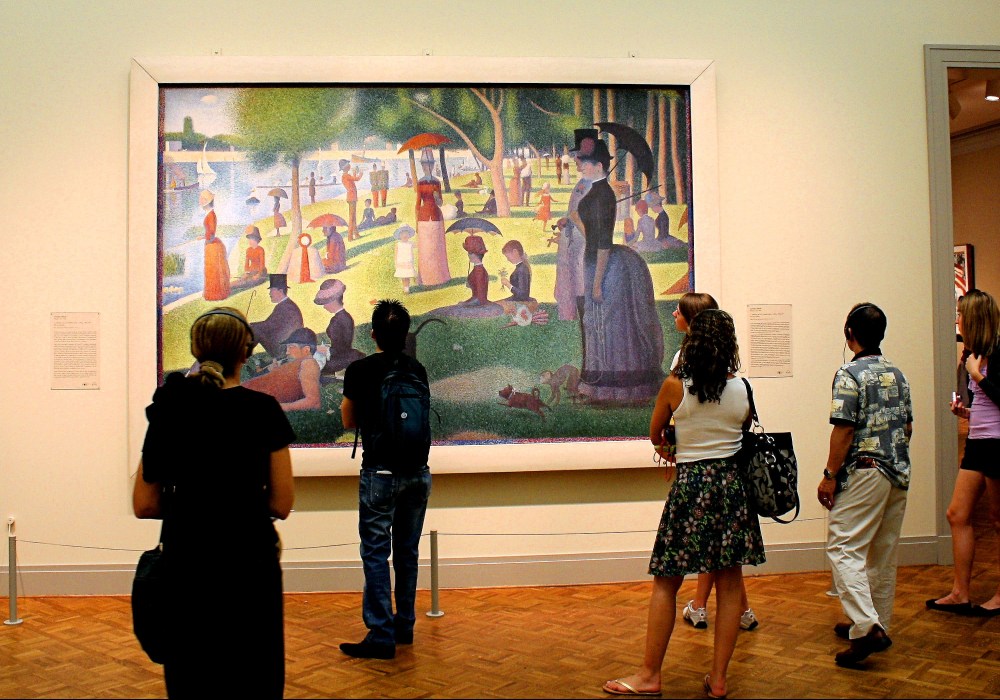
This is a situation that seems to happen all the time across the world in various museums and art galleries alike. You are seeing a-one-of-kind piece of history for the first time (often a famous art-work) and you want to take a photo of it for posterity and so that you can remember what you saw when you return home. Let’s be honest here, you’re done have an eidetic memory and you definitely aren’t getting any younger.

So you snap a photo.

Kinda like I did when I was visiting the New York Metropolitan Museum for the first time back in 2006. Yes, this story is 10 years old, and for you recent graduates and Millennials on the edge of the age generation cut off, that time probably doesn’t mean much to you.

But for the sake of the story let’s pretend you all do understand me. So you snap a photo with your digital camera (not your phone), and get the warm and fuzzies almost immediately, because you now have proof that you’ve been in the presence of greatness, and your loved ones can be excited or feign excitement when they see you again, and you both show and tell.

And this was definitely part of my intent, but not the whole plan. The whole plan was to get some photos, so I could reference them in my own art later on, and because folio pictures from art books aren’t always the best quality. And at as much as 100 bucks a pop, the costs add up quickly.

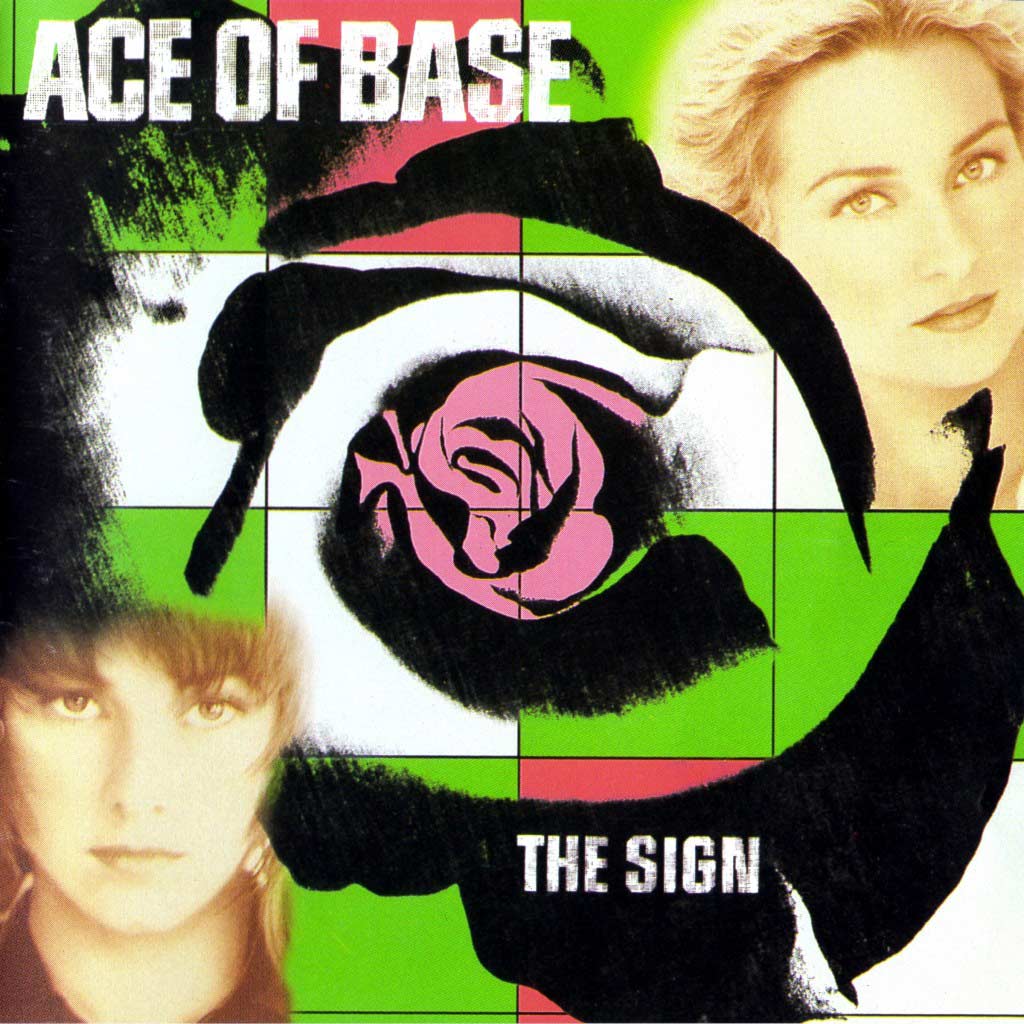
But then I felt it, a warm hand on my left shoulder. Ever so slowly followed by a deep voice. “You can’t take photos in here son, read the sign.”
Ace-of-Base-The-Sign-1024x1024

I had read the sign, I saw the sign, and it told me that these works were over a hundred years old and in a dark room to preserve their colour. And I thought I was being clever, because I know all about lightfastness in painting, and I made sure to turn my flash off on my camera (not my phone), because I was being respectful.

It didn’t matter though, I had been caught.

And the guilt quickly set in. But why should I feel this way, it was 2006 and people love to take photos, in fact, digital cameras were making it easier by the day for people everywhere to get into the photography hobby. So all I have are a couple of blurry memories of one room, and I can barely remember which artists I saw in there, so that sucks.

Luckily for us today though, because museums and galleries are loosening the reins on this particular restriction. Because people take photos everywhere, of anything, and all the time. We can thank smart phones for that phenomenon. It’s really difficult for a venue to justify taking away someones’s phone, because it’s not socially acceptable, and phones can save lives.

And from the perspective of the venue they have to decide if it’s more important to have guards paying attention to visitors touching antiquities or snapping photos. That and the challenge of social media. When organizations use social media to show work going up and down, can they really complain when people are using social media to generate traffic for them? The way we think about communication and conversation is changing, visual communication is becoming hot topic once again.

But of course the biggest challenge is the issue of copyright and fair use. I think that institutions need to protect themselves by asking for permission to take photos of work, but for the layman, taking photos for noncommercial use is a lot more permissible, which may be the first indicators of a culture shift.

As time changes peoples opinions about gender, sexuality, and race, and we become more compassionate, my theory is that we will also become better communicators because we need to and our ideas about images will shift too.

What do you think? Comments? Questions? Please leave some and also subscribe! See you tomorrow with a theory about a rabbit.

Tim!


A Room With A View (Room review)

Perspective is everything when it comes to communication. One person’s experience is unique compared to another, but factor in variables like age, gender, ethnicity, and education, and things become that much more nuanced.

Today’s film review features a story that addresses exactly that idea. Shall we?


Room (2015)

Cast: Brie Larson, Jacob Tremblay, Sean Bridgers, Joan Allen, Tom McCamus, William H. Macy
Director: Lenny Abrahamson
released on blu-ray March 1, 2016
********** 10/10

room_poster

IMDB: 8.3
Rotten Tomatoes: 94%, Audience Score 94%
The Guardian: *****/*****

Leonad “Lenny” Abrahamson is an Irish film and television director. He has 5 feature films under his belt and now one Academy Award nomination for Best Director. And I’ll be the first to admit I knew absolutely nothing about him before looking into this review of Room. Which I only decided to watch after sitting down for the 88th Annual Academy Awards.

But I’m sure glad I did, because this movie packs an incredible emotional punch and hits you right in the ethics too. But let’s take a quick peek at the plot (I’ll refrain from spoiling the end).

Taken from Wikipedia and edited,


In Akron, Ohio, 24-year-old Joy (Brie Larson) and her five-year-old son Jack (Jacob Tremblay) live in a shed they call Room. They share a bed, toilet, bathtub, television, and kitchen; the only window is a skylight. They are captives of Old Nick (Sean Bridgers), Jack’s biological father, who abducted Joy seven years prior, and routinely rapes her while Jack sleeps in the wardrobe. Joy deals with depression and malnutrition. She allows Jack to believe that only Room is “real,” that the world on television is dreams.

Old Nick tells Joy he’s lost his job and cannot  afford supplies. When Joy reacts badly, he cuts their heat and power. Joy tells Jack about the outside world; which he rejects initially. She has Jack fake a fever, hoping that Old Nick will take him to a hospital where he can escape, but Old Nick decides to return the next day with antibiotics.

Joy wraps Jack in the carpet and has him play dead so Old Nick will remove him from Room. Falling for the ruse, Old Nick places Jack in the back of his pickup and drives through the neighborhood. Awed at first, Jack then jumps from the truck and attracts the attention of a passer-by. Police arrive and rescue Jack. Based on his recollections of Room and what Joy told him, the police find Joy and rescue her. Old Nick is arrested, and Joy and Jack are taken to a hospital.

Reunited with family, Joy learns her parents (Joan Allen, William H. Macy) have divorced and her mother has a new partner, Leo (Tom McCamus). They stay at her childhood home where her mother and Leo reside. Her father cannot accept Jack and leaves. Jack struggles to adjust to life in the larger world, speaking only to his mother and expressing a desire to return to Room. Joy struggles with anger and depression, lashing out at her mother and ignoring doctor’s appointments. She agrees to a television interview, but becomes angry when the interviewer questions her decision to keep Jack with her in the room after his birth, rather than asking Old Nick to leave Jack some place that he could be found.

It is an intimate and emotional story that continues an incredible arc.

Pros: Though an incredibly dark topic, the narrative never feels without hope or promise. Brie Larson does a fantastic turn as the mother and breakout young actor Jacob Tremblay is amazing as well.

Cons: The second half is quite difficult to digest and as a result it feels like it could have been given more of same treatment, looking through Jack’s eyes as the first half.

Runtime: 118 minutes

Points of Interest: Brie Larson spent a month in isolation without phone or internet and maintained a strict diet to prepare for the role, it caused her to become depressed in the last week. Old Nick is another name for the Devil in Christianity.

This is an incredibly powerful film depicting a very intimate and traumatic mother-and-child story. It is handled in such a way that you get to experience it from two perspectives simultaneously, with many of the objects, people and events often being fun or scary for Jack whereas they are painful and torturous for Joy.

I highly recommend you go see this film, because whether you’ve read the book or not, the story is unique and the characters are well acted.

And that’s all I’ve got for today, dear readers! Come back tomorrow for some wisdom, and please leave some comments as well as subscribing to the blog if you want to see more!

Tim!

Top 10 Reasons Why You Should Work Smarter (Life Hacks)

Another week! Another Wednesday! Another opportunity to share some wisdom with you dear readers! Today’s topic – how YOU can make art and also balance the other areas of your life simultaneously!

Think about it for a minute, what’s the most fascinating subject in this life to dedicate years of your life studying? The answer is none other than yourself, dear reader(s)!

I know it sounds selfish, but is there really a better use of your time then working on yourself? Let’s be serious, we all do need to ask the question – what’s in it for me? If you can’t answer that, you can’t begin to contribute in this world.

Okay, with that aside, I don’t truly have a life-changing list of top 10 ways to improve yourself, make life easier and get your art out there (it’s a lifelong commitment), but I definitely do have a resource to get you started and at the very least start working on basic areas of your life that are universal and can be refined to your specific purpose.

Lists or no, I honestly think the reasons are innumerable for why you should streamline your internal process, so timotheories came up with a curated strategy of things we all need to work on in order get our rear in gear, and remove that fear!

First lets get in the right mindset.

You can’t outsource being CEO of your own life.

– Leo Gura, Actualized.org

No one knows your life purpose better than you, and no one is going to hold you up and guide you directly towards your goals, but if you focus on these habits below, you’ll realize that life becomes just a bit easier, and you have more energy for the things important to you.

I visited a number of sources in order to come up with this list – from Inc., to Readers Digest, WikiHow, Buzzfeed, a blog called BufferSocial, Time, and finally Life Hack.

So what did I determine from the swath of tips?


Here are my top 10 skills to invest in, in no particular order.
  1. Time management – Improve your time management skills by looking at your results regularly to see if you are on track or wasting time – Set up your calendar and having dedicated concentration time on specific tasks. Through time management systems, and recognizing that there is a difference between being quick versus in a hurry, you’ll improve here for sure.
  2. Learning to love learning – You need to learn new things in order to keep up with the fast pace of digital tech. That means using keyboard shortcuts, improving your typing speed, and your reading speed, for starters. If you can figure out MACROS on your spreadsheets you’ll be surprised how much automation you can get out of menial tasks.
  3. Communication is key – In a time when texting, email, and social media are the new favourites, try to use the phone more often. It saves on countless back and forth. And speaking of back and forth, be concise in your emails. Respond to calls and emails as quickly as you can, and when you can’t do that, set up a regular time to respond to your contacts.
  4. Multi-task misery – Learn to multi-task the right way, by cutting it out of your life. If you keep a million tabs open on your browser, you’re gonna have a bad time. Please remove distractions while you work and spend time with others. Turn off your phone, close your tablet, and focus on the task at hand.
  5. To-Do list – The ever popular to-do list is perfect for organizing your day into bite-size chunks. Make a daily one to automate certain processes, and really focus on the unique difficult tasks first. As the saying goes, eat that frog. If you want even more reinforcements, create a “to-don’t” list, of things you’ll never do, and stick to it!
  6. Attitude is everything – Expect failure and fight paranoia in life – Failure is common when you are exploring. But not failing is never okay. Keep positive and realize it won’t always be this bad, but it won’t stay easy either. If you ask lots of questions, aren’t afraid to do menial work, and spend 10 minutes a day laughing out loud, when Sunday night appears, you’ll be excited for Monday.
  7. Evaluate life – Make major decisions in the morning and divvy up your day based on your productivity habits. Assess your passions at the end of each year, each month, each week, and before you go to bed. If you can do that you’ll focus and delegate out the unnecessary. Flexibility is important too, but if you get stuck try this – pretend you are away from work and/or home for a week, and you only have a few hours to accomplish your tasks.
  8. Plan to make plans – Plan regularly! Build routines to start your day AND end your day. You are going to have to organize throughout the day too, so make an outline to insure you aren’t starting from scratch over and over. Please also set deadlines for major projects by planning ahead. You’ll benefit from organizing your desk/workspace, minutes saves hours, believe me.
  9. Community of colleagues  – Please be social at work, so that you have a support base and network to lean on in your endeavours, and don’t be afraid to say no to anyone. If you can learn to do that AND under-promise while over-delivering, you’ll definitely find the time to finesse your brand pitch about you and gain some fans in the process.
  10. Health matters – Your greatest resource is you. So build good habits to help you stop working and walk away after a certain point. Working smart doesn’t mean you also work hard. Health is important and managing stress, anxiety and depression are part of it. Try a standing desk for posture and circulation, get up every 45 minutes and move around too. Finally, pick a “Sabbath” day to refresh your soul, body, and mind.


So there you have it, I took all of the most brilliant advice on life hacks, and summarized it even further. No easy task, but worthwhile!

And that’s all the theories I’ve got for today! Are any of you already doing some of these things? All of them? Leave questions or comments, or send me an email! Subscribe if you liked this post and want to see more.

Otherwise, come back tomorrow for some love tips or something mushy related to it, at the very least.

Tim!

Sand Castles In The Sand (10 Lists To Success)

Do you ever just want to say f**k it, I’m out?

6e31d4d3db73abde59f4d96f4a80576219cff6e4a6d7680647a22b904a020ab6

I’ve talked about motivations before dear readers, and I’ve hinted at how I stay on top of goals, but I don’t believe I have really and truly detailed for you the significance of keeping a variety of functional lists available at your fingertips at all times and the incredible satisfaction you will get from this habit – whether you are highly motivated, stressed out, feeling aimless or a combination thereof.

In fact, 2 of my oldest and first posts specifically addressed the areas of my own motivations and some of the ways I intend to achieve them, one was The Watch List and other was titled Motivation and Movies.

Motivation and Movies is about more than just my love of movies and their incredible ability to connect an introverted type like myself with the world around me. The heart of that post demonstrates that we all love to tell stories, be involved with the storytelling process, and that ultimately our various types and niches of society break down and are usually broken because of communication issues.

Sure I may be simplifying it, but don’t tell me that you believe we all keep this information top of mind!

That’s why today’s Wisdom Wednesday post is all about list making and how it connects with motivation. That’s right my friends, I got to the point of the post through a direct correlation of thoughts, without me using a story, meme or analogy to build it up for 500+ words worth of exposition. WHOA.

It can be done.

16e8c22f-641c-4324-b962-b6db22bba1bf

Granted, I threw in some fun memes, but they didn’t drive the plot forward, they were fun visual aids.

Having worked in marketing as my day job for almost a decade (and barely scratched the surface, might I add), I’ve read quite a few books and articles about the subject, and I’ve also learned some things along the way.

You see, I have this theory that the future of what’s cool and engaging is not going to be furthering technology and scientific achievement, though those things will continue to permeate our globalized village. Instead, because of the advent of the internet and the information age, those two achievements are going to lead us to the next logical step, refining our communication and storytelling ability.

This branding article kind of takes the roundabout to explain what I’m stating rather plainly, but to be fair the author IS referring to the future of business, which is full of plot holes.

tumblr_nszajnzdj91u8ncpjo1_1280

So let’s get down to brass tacks, talk turkey, and strike while the iron is hot.

If you want to be successful in life, you have to be persistent, work hard, sacrifice, be prepared to deal with lots of failures, and keep up good habits. Ask anyone who YOU think is successful, and they will without question give you some variation of that short list.

That’s why I am going to let you in on something pretty straightforward. If you build these lists laid out in this article for yourself and maintain them, ie work at them and add to them, then you are on the track to success.

  1. list of goals
    A reason to get up in the morning, reasons to respect yourself
  2. list of tasks
    Milestones to goal completion, daily – personal and professional
  3. list of contacts
    Reliable, skillful people, who you maintain a healthy and natural relationship with
  4. list of expenses
    Monthly obligations, to create a clear overview and stick to your financial guns
  5. list of useful tools
    Apps for restaurants, maps, task management, learning, etc. AND physical resources too
  6. list of self improvements
    Things you would like to improve or change about yourself, one thing a year may be more viable
  7. list of creative ideas
    To hone your focus and keep your mind occupied. Needs to be new, make sense, and have a use
  8. list of future plans
    Events, changes in law, trends, software – keep you well-informed and prepared for life
  9. list of contingency plans
    Be prepared for the backlash of major projects
  10. bucket list
    Keep your regrets to a minimum – put the impossible down, then find the next best thing, use to restore will power and keep going

If you can maintain these lists, you will never lose sight of yourself and what you need to be doing in your life to achieve your purpose.

I’ve said it before, but creative types are just as prone to dreaming rather than doing as those deem themselves more pragmatic and functional.

Be vigilant and you’ll achieve your goals. And those are all of the theories I have for today dear readers.

Tim!


What A Creep Show! (DeviantArt)

What the heck is a deviant? And why does it send a chill down your spine when Grandma calls that guy with a mustache across the street feeding the pigeons one?

I’ve often wondered this myself dear readers, and I’ve read definitions of the term of course, to properly understand what the word means, but do these people really exist? I feel compelled to wonder, and of course they do, because people are slowly coming to terms with the idea that normative behaviour isn’t as far reaching as we’ve been told by experts. but before I go any further, this description should get us all started on the same line of thought.

deviant

(ˈdiːvɪənt)

adj

1. (Sociology) deviating, as from what is considered acceptable behaviour

n

2. (Sociology) a person whose behaviour, esp sexual behaviour, deviates from what is considered to be acceptable

Okay, so if someone differs from a norm or a standard of society, then that makes them a deviant. But why do I have a strong suspicion that grandma is somewhat biased in her outlook?

giphy

Well to be quite blunt and methodical, my rationale for this is that while psychopaths and sociopaths are decently capable of managing their illness from an external viewers perspective, there are several factors to consider.

According to this article which discusses the findings of Dr. James Fallon (a neuroscientist of U of California who accidentally diagnosed himself with psychopathy), people can have the genetic markers of psychopathy but not be dangers to society, but that doesn’t mean they are criminals. And further to that point, it can be difficult to separate “discovery” of traits from “acknowledgement” of traits and realize that doesn’t make the person a threat.

So the assumption from grandma that someone is a threat because they have strange behaviour is problematic, and further to that point, the people who DO exhibit those tendencies or follow criminal behaviour don’t exhibit the behaviour in obvious ways in most cases.

But you knew that discussing sociology and criminal deviancy wasn’t the real intent of today’s Wisdom Wednesday post.

No I want to write about the implications of deviancy and share with you a resource that encourages that behaviour in the realm of the arts. And luckily for us, the name of said source is DeviantArt.

Deviant Art is the self-proclaimed “largest online art gallery and community,” and has been around since the beginning of the 21st century. Which is fairly poetic and appropriate, given the content it churns out.

Of course I am going to over the INs and OUTs of the community with you of course, but I think this tutorial video I’ve included below is a good place to look at before we continue. Mostly because it makes me laugh.

If I’m being perfectly frank, DeviantArt is not as obviously deviant from the typical fare as it sets out to be, but that doesn’t mean it is something to avoid. As you learn to navigate the forums, you will find some really amazing content and in many cases, it will spurn creative ideas.

Where you see the deviation will be in the communication of ideas.

Don’t be alarmed by this. Because it is an unmoderated forum, there will be offensive artwork, but mostly it comes in the form of posts and groups. The questionable content is what makes the website so unique in it’s identity.

This website has millions of images on it which is amazing in and of itself, but it also features videos and written content for artists pursuing those disciplines. It is effectively both a gallery and an art forum, a place for people to submit their artwork and comment on artwork with both text and pictures. Heck, if you want can record yourself making a drawing and submit the entire process to the website for critique.

I find it incredibly fascinating that users have the option to submit their works to be used however they personally deem appropriate. Which means that work could be copyright protected or distributed freely.

You have the option to view work that is trending, artwork that is currently featured in contests, whatever has been submitted in the past “instant”, participate in art challenges, submit work to particular boards, comment on blog posts or create your own virtual gallery. And you would be surprised by all of the different kinds of artwork available from pencil drawing to painting, from child friendly to mature themes, from realism to comic book fan art, there is something on DeviantArt for everyone.

I hope you enjoyed today’s resource folks, please leave some comments and share you experiences with the website or send me an email with a resource you want me to talk about next. I’m out of theories for now, till next time.

Tim!