Curating Creativity: How Borrowing Fuels Artistic Growth

Introduction

In a world where creativity is often seen as the result of an original spark, the truth is much more nuanced. 

Artists, in their various forms, are not lone geniuses creating something from nothing; we are collectors. We gather fragments from the world around us—ideas, sounds, visuals, stories—and blend them into something new.

You may or may not recall a previous post of mine, Licensed To Steal (Artist As Collector), another of my very early blog post entries and one which I absolutely can look back on with cringeworthy facial expressions and heartfelt nostalgia. Simultaneously.
In case you don’t want to take a walk down memory lane with me, and I wouldn’t blame you, I’ll sum up the concept of that previous entry for you..

I discussed the fine art of borrowing from others and making it your own. It was inspired by Austin Kleon’s TED Talk on how “nothing is original,” and we, as creators, are all influenced by the work we consume. I referenced Ryan Adams’ cover of Taylor Swift’s 1989 as an example of how an artist can transform something familiar into something uniquely their own. 

Fun fact: I also gave a shoutout to my girlfriend at the time, but funnier still is that we parted ways in the summer of 2016 and then after some time apart, she made an attempt at “a reconnect” the same night Trump was elected that fall, but thankfully I was riding off the high of my first date with Mysticque from earlier that same night… so bullet dodged.

Thanks, corner gun.
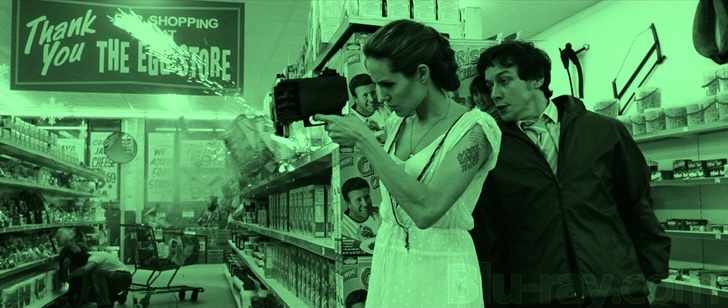
Since then, I’ve realized a few things. I still really and truly think Wanted is a terrible movie, and I don’t know how James McAvoy dodged his own bullet with that one, (read: paradox) but more importantly, that the act of borrowing, or “stealing,” goes beyond just creative reinterpretation. It’s about re-contextualizing ideas to give them new meaning in our lives.

The line between “stealing” and “creating” is often blurry. 

Every time I pick up a camera, paintbrush, or microphone, I’m gathering from the world around me. Insert my obligatory cliche.

Good artists borrow, great artists steal. Attributed to Picasso, but he could have stolen that from someone else for all we know.

Each movie, album, or conversation has become part of my collection of influences. But the real magic happens when I take these influences, mix them with my personal experiences, and make them my own. It’s a cycle of reinterpretation, where nothing is purely mine, but nothing is purely someone else’s, either.


What It Means to Be a Curator

The title of “creator” often comes with a sense of awe, as though we’re expected to manifest something out of thin air—pure, original genius. But the truth, as I’ve come to learn, is far more intricate and grounded. Being a creator is not about inventing something from nothing; it’s about finding meaning, context, and connection in the things we already have, in the influences we’ve absorbed, and in the raw materials life provides.

So, by that account, to be a curator should really mean a guardian of a collection. To be a custodian, keeper or critic of those things can have its place, for sure, but by my own definitions, a curator ideally protects and organizes things that they love, and hopefully, like a well made mixtape or a playlist for my Zennials, they pay it forward by sharing that collection with others.
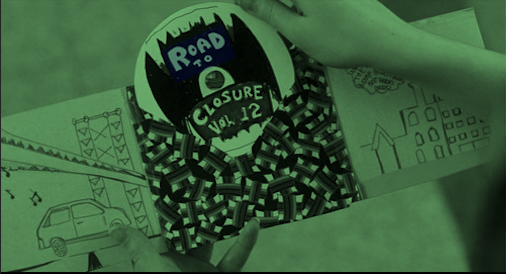
For many, collecting can be an intellectual pursuit, driven by a desire to learn, to gain insight, and to preserve knowledge, but it can also be deeply personal.  In fact, Chris and I talked about this in great depth on a Confer Culture episode back in 2020, titled Collecting vs. Hoarding. We explored the psychological nuances of these two acts—how collecting is intentional, meaningful, and deeply tied to who we are as individuals, while hoarding, conversely, can reflect a compulsive, often chaotic desire to accumulate without purpose.

We discussed how, as creators, we constantly gather influences—from art, from our own experiences, from history—and how this curated collection shapes our identities and informs our creative work. What differentiates collecting from hoarding is the intent: the creator’s purpose is to transform and share, while the hoarder might simply amass without truly engaging with or curating their collection.

A Philosophy of Collecting

At its core, collecting is deeply psychological. It speaks to our innate desire for connection— they represent memories, emotions, and stories that ground us. Collecting is also about identity: the way we define ourselves by what we choose to keep, what we value, and how we express that value to the world. 
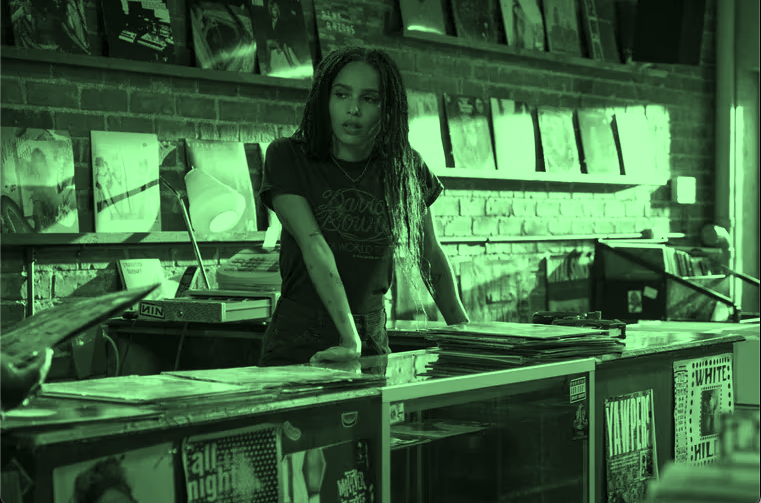
While accumulating objects might be an instinctual act, curation involves a mindful selection process. A true collector doesn’t just gather things indiscriminately; they curate—carefully selecting what enters their collection based on a set of personal criteria. This act of curation transforms a simple collection into something intentional, purposeful, and meaningful.

Our collections, in many ways, act as living journals that, when viewed as a whole, paint a portrait of our personal growth. Collecting shouldn’t be about what we accumulate; it’s about seeing how our collections evolve, reflecting the changes in ourselves as we navigate life’s chapters.

The Curator’s Process: Gathering with Purpose

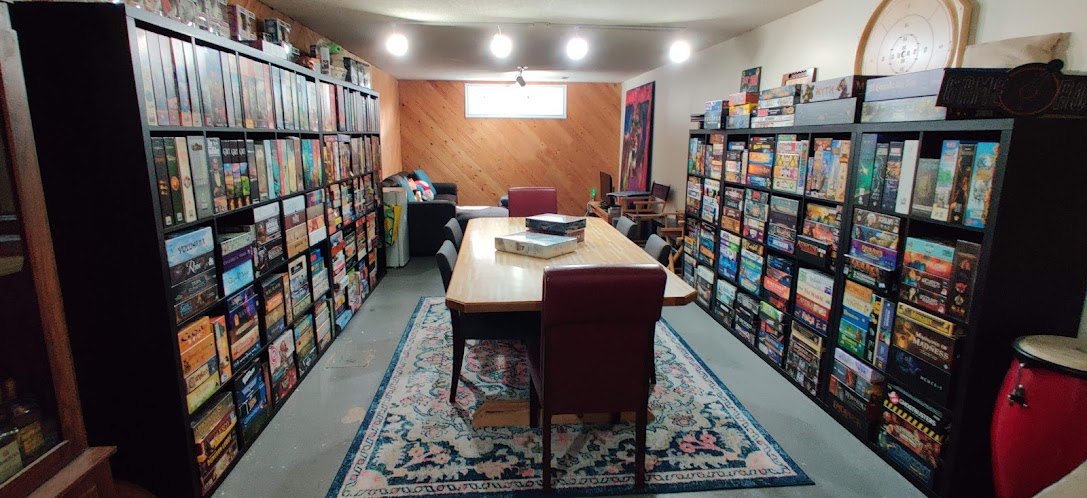
My process of curating is always deliberate. Take my Watch List project, for instance. I approach each film with a purpose—whether it’s to engage with a specific genre, explore cultural significance, or revisit films that have shaped my creative journey. Each film I watch is like adding another thread to a larger tapestry of understanding. With vinyl records, it’s more tactile. The act of going out, finding a record, and holding it in my hands feels like a sensory engagement with the past. It’s a ritual that connects me to the music, the artist, and the moment in time when the album was released. 

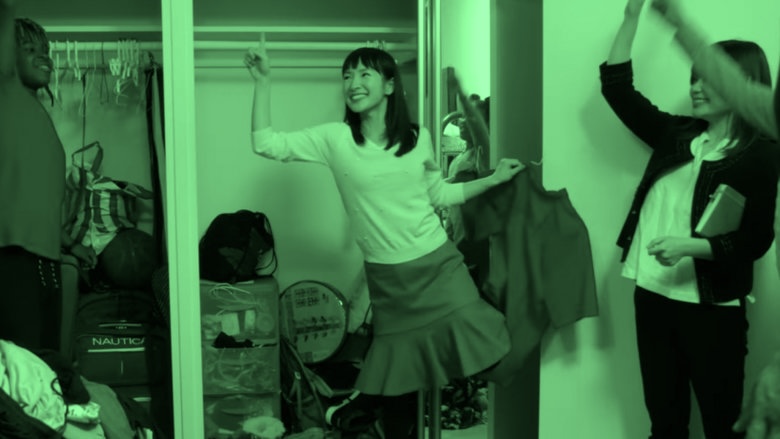
To avoid the trap of hoarding, it’s essential to ask yourself: Does this item enhance my life or creative process in some way? I love Marie Kondo’s philosophy on de-cluttering because I think it works here too. Does it spark joy? If it doesn’t serve you, don’t keep it and definitely be more mindful of adding additional pieces. A collection becomes overwhelming when it’s driven by impulse or nostalgia rather than intention.
Intentional collecting can act as the catalyst for new creative projects. For example, when curating and exploring The Watch List, I don’t just watch films for entertainment; each movie becomes an opportunity for reflection or exploration. A particular film sparks an idea for a blog post, a podcast episode, or even an art piece. This cyclical nature of collecting fuels my creative work, offering new angles and fresh inspiration.

Collections as Cultural Windows

Collections are not just personal; they also serve as cultural artifacts. The items we choose to collect speak to the values, aesthetics, and trends of particular moments in time. Take my movie collection, for example: Each film represents not only my personal taste but also a broader cultural context—whether it’s a reflection of social movements, technological advancements, or shifts in cultural norms. Similarly, music collections can reflect the sounds and styles of specific eras. By looking at the art we collect, we can trace the evolution of culture, taste, and human expression.

In my movie collection, the films I gravitate toward range from classics like Citizen Kane to contemporary works that explore societal issues like Short Term 12 or Eye in the Sky. I often joke that the movies I watch have to mean something or do something interesting, but what I really mean is that these selections tell a story about my interests—how I appreciate timeless storytelling, but also how I’m drawn to exploring the present-day world through the lens of film. My music collection does the same – each album revealing a bit about my shifting tastes, the eras I admire, and the ways I see the world and want to be shown it too.

As a collector, I’m not just holding onto things; I’m preserving pieces of cultural history.
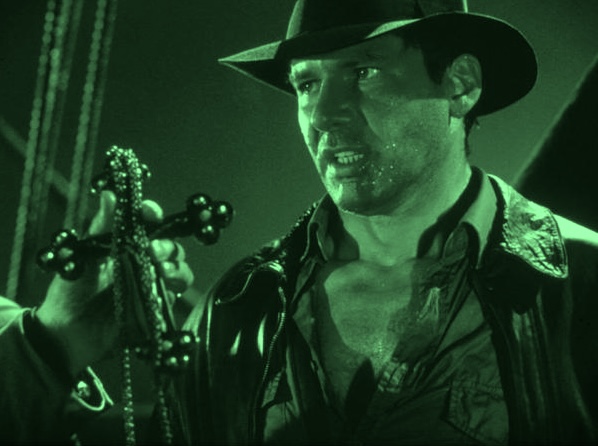
Every item in my collection is a piece of a larger narrative—whether it’s a film that shaped the cinematic landscape or an album that became the soundtrack to a generation’s coming-of-age. By sharing these pieces through my blog, podcast, and other creative outlets, I’m inviting others to explore these stories, to question, reflect, and connect with the past. Collecting, then, becomes a way to engage with culture and to share that culture with others.

Borrowing From Life

My collections are a rich source of creative inspiration for me, if that’s not obvious yet. 

For example, a film may spark an idea for a podcast topic, a song might influence the tone of a new blog post, or a board game might inspire, ironically, a board game design. The influence of these collected pieces is subtle but constant—shaping my ideas, fueling my projects, and driving my creative process forward.

There’s a certain alchemy that happens when you start to borrow not just from other art, but from life itself. I’ve found that some of my most recent work has been shaped by personal struggles and growth, elements that didn’t come from external sources, but from within. These are the pieces I draw upon when creating, often without realizing it. Whether it’s the challenges I’ve faced in blending families or navigating career hurdles, these experiences often find their way into my projects.
In fact, I think the best artists do this all the time.

One of the things I both loved and hated about doing a bachelors of fine arts degree was the spectacle surrounding famous artists throughout history, those winners whose art gets to adorn curated mausoleums, or museums if you prefer the politically correct definition of them. But if you go looking closely enough, you can start to see that like anything, all of those artists were inspired by those who came before, and the world around them.

In an upcoming Confer Culture podcast on Character Actors, for example, Chris and I explore the way certain performers transform roles by borrowing from their own life experiences. The magic of these actors is their commitment to their roles. And I think in their ability to borrow from their lived experiences, bringing a depth to their roles that resonates with audiences.

And when I share those works with you, whether they come from me or from creators I admire, I’m still sharing fragments of my life along with those external influences.

Just as a home can become a canvas for the expression of self, so too can a career, a relationship, or even a community. In this way, the “stealing” or borrowing I do is not confined to traditional sources. Life itself has become a part of my collection.

theories Summarized

As I continue to push forward with timotheories, I’m reminded that creativity is a continual act of collecting, rearranging, and transforming. Each piece informs the next, with influences overlapping and intermingling.

The future of timotheories is about more than just gathering ideas; it’s about cultivating a community where others can share in the process of borrowing and creating together. Whether it’s through mentorship, collaborations, or engaging in deeper discussions about art, the journey ahead is one of growth, connection, and transformation that you get to benefit from. 

So, as I continue to collect and create, I encourage you to do the same. As artists, we all have the privilege of borrowing from the world around us. It’s in the way we take what we’re given and turn it into something new and exciting. After all, art isn’t about inventing something from scratch; it’s about discovering new ways to connect, transform, and share the world with others.

Your Turn

What are you collecting these days? What influences are shaping your work? How do you see the act of borrowing and reinterpreting playing out in your creative process? I’d love to hear your thoughts and see what you’re working on. Please like, comment, and subscribe to the blog. Share it where it makes sense and hug an artist after you read this.

Until next time, art tarts.

Tim!
timotheories 2.0: Expanding Creativity and Community

Part 5: Building a New Path

Introduction

Hello dear readers! 

Welcome back to the final installment of my comeback series, From Renovation Chaos to Creative Clarity: My Comeback Story

Over the past four posts, I’ve shared my journey from creative burnout to reigniting my passion. In Part 1, The Hiatus (Or More Affectionately, I Hate This), I took you through the long stretch of challenges that began in 2017, including an extended home renovation project and professional stagnation, which left my creative pursuits sidelined. Part 2, Finding Purpose: Overcoming Creative Blockages, delved into the mental and emotional blocks I faced, and how building new routines, embracing growth, and relying on my support system helped me reconnect with my art.

Then, in Part 3, Finding Strength in a Storm: My Story of Growth, I shared how life’s unexpected twists—like adjusting to new relationships, becoming part of a blended family, and managing my mental health—became catalysts for growth. I also reflected on how creative outlets and a strong community, even in the form of surprising allies, helped me navigate these storms. Finally, in Part 4, Rekindling Creative Passion: My Journey Back, I revealed how this process of self-discovery and resilience led me to reignite my creative flame, with timotheories becoming my sound piece for exploring and sharing this renewed energy.

Now, in this final post, Building a New Path, it’s time to look ahead. 

With lessons learned, it’s not just about returning to form—it’s about evolving. I’ll walk you through my new vision for timotheories, outlining how the platform will grow beyond its original scope to incorporate new formats, deeper community engagement, and an even stronger focus on creativity and collaboration. This journey isn’t simply about recovery from burnout; it’s about creating a sustainable, fulfilling future for myself as an artist, an educator, and a leader in creative communities. 

Together, we’ll explore the steps I’ve taken to align my creative and professional goals, and how I plan to keep growing—both personally and within the timotheories ecosystem. 

And. 

And I’m going to explain how this builds a foundation for me to help you better. Here we go.

Creating a New Vision

Reflecting on my journey, building a new path really has been a profound and transformative experience, crystalline in fact. Almost 10 years later, what began as a blog outlet to express my thoughts on art has evolved into something much bigger. 

Through careful planning, strategic action, and resilience in the face of challenges, I’ve set the stage for a sustainable and inspiring future. 

The evolution of timotheories is simple. 

The platform is no longer just about creating content; it’s about fostering a community, encouraging creativity, and sharing meaningful insights that help others in their artistic journeys, whether they’re creators or patrons of the arts.

In navigating my creative hiatus and the challenges that came with it, I’ve come to realize that my journey with timotheories is far from finished. If anything, the difficulties I faced provided me with a much clearer vision for the platform’s future, because I had to reconnect with myself at the source. I firmly believe that the best is yet to come. 

William S. Burroughs once said, if you’re not growing, you’re dying. Which I think is why sometimes it feels like we go through similar problems until we learn from them. Through life’s challenges, I was forced to either renew my sense of purpose or abandon it, and fortunately art won out.

As I reconnected with my creative self, I’ve grown more confident in the belief that timotheories can serve as a bridge for other creators and art enthusiasts looking to share, learn and thrive.

And this next statement is less about you and how I can serve you, but it really does need to be said. The most important realization I’ve had was in the logistics of it all. My goals don’t need to change drastically – they need to expand.

So what exactly is this new vision you ask? I’m going to outline my plans and aspirations in three parts. Focusing on the content I want to produce, my personal growth as an artist, and my goals for community engagement,.

Initially, this blog was a platform to share my thoughts about art, which slowly evolved into a digital persona. I reviewed films, interviewed creative professionals, and shared resources with the goal of helping artists. These were very specific types of posts, but how did they connect back to the act of creating, collecting art or even building your skills up to take on business? That was where I struggled. Then I got further enmeshed in the social media, video production, writing, of just making content, rather than being the content. Which sounds super zen, but will make sense as we keep going. 

I’ll be the first to admit that my new goal doesn’t sounds drastically different from the old one, I still want a multi-faceted business that covers a wide range of creative disciplines, provides insights on creative process, life skills, curating collections, consuming media, etc. But here’s the new thing – I want to expand the business and bring timotheories into new formats. Instead of slowly picking away at ideas over time, I plan to broaden my scope and spread specific content across multiple channels all at once. Everything everywhere all at once, but like with art ideas. 

My goal covers a wide range of creative disciplines—from traditional arts to contemporary digital mediums, but all of the content is talking to each other at any given time and it feels more intentional. Because it is.

More importantly, I want to build a vibrant community where creatives can share, learn, and grow together, fostering genuine connections and mutual support. So let me walk you through the specific steps I’ll take to achieve this, touching on three key areas.


Content Evolution

The evolution of content is the heart of my vision for timotheories. While I’ve always focused on creativity and storytelling, I now see an opportunity to push the boundaries and be more thoughtful with both the type of content I create and the ways I share it.

  • Expanding Video Interviews: One of the first steps in this new content strategy is to incorporate more video interviews, branching out into podcasts and live streams. These formats offer flexibility and immediacy, making it easier to connect with my audience in real-time. This shift will also allow me to bring in guests more often, facilitating richer discussions and deeper dives into creative processes.
  • Introducing Themed Seasons: For open discussion content (like the YouTube Cross Talk or Confer Culture podcast), I’m introducing themed seasons to create a more cohesive storytelling experience. This change will allow me to focus on specific topics or genres over a set period, ensuring that the content remains high-quality, structured, and impactful, while also giving me room to innovate within each season.
  • Focusing on Positive Reviews: As a creator, I want my platform to radiate positivity. I’ll be shifting away from negative reviews and focusing instead on celebrating content I love—whether that’s a board game, an album, or a film. By spotlighting creative works that inspire me, I’ll keep a positive and supportive space for both creators and their audiences.
  • Diversifying Content Channels: To keep my content organized and aligned with my core values, I’m introducing three key pillars: Digitally Curate Your Heart, School of Thoughts, and Kuality Talks. These pillars will act as the foundation for every piece of content I create, from in-depth interviews to opinion pieces, allowing me to categorize and show ideas in a way that resonates with my audience.
  • Broadening the Scope: Moving beyond film, music and gaming, I’ll explore aspects like literature, culinary arts, travel, and wellness. This more holistic approach reflects the diverse interests I hold and allows me to dive deeper into the creative process. Expect case studies of influential artists, deep dives of art intersecting life, and continued critical analysis.
  • Telling Personal Stories: I’ve also realized the importance of weaving personal stories into my work. I’ll be sharing more about my own creative process, focusing on the “why” behind my artistic choices. By offering a more intimate connection with my audience, I hope to inspire others to think about their creative motivations and make their own stories more visible.

Professional Development

Reimagining timotheories has also led to significant personal and professional growth. Through this process, I’ve identified new career paths, expanded my network, and found more ways to improve my skills as both an artist and educator:

  • Content Creator: As I continue to produce reviews, interviews, and discussions on creative work, I aim to solidify my role as a content creator who not only critiques art but offers practical, actionable advice. I’ll share insights into time management, the art-making process, and how to keep a balance between creativity and life’s obligations.
  • Continued Education: To stay on top of industry trends and deepen my knowledge, I’m committing to ongoing education. This means enrolling in workshops, courses, and seminars that can enrich my skills and keep me sharp.
  • Networking: Building relationships within the creative industry is essential. By continuing to network with other creators, industry professionals, and thought leaders, I’ll make sure that I stay inspired and connected to new opportunities. This will also open doors for potential collaborations that can elevate the platform.
  • Launching a Podcast: One of the most exciting developments on the horizon is the launch of another timotheories adjacent podcast. This podcast will offer a more personal touch, allowing for direct conversations with the audience and in-depth explorations of creative topics. It’s a space where I can share candid art thoughts, bringing the audience into my creative process.
  • Collaborations: Collaboration has always been an important part of timotheories, but I’m looking to expand these opportunities even further. By teaming up with other creators and professionals, I can enrich the content I produce and share a wider variety of perspectives with my audience.
  • Mentorship Programs: I’m also working on establishing a mentorship program. Through this, experienced creators can guide and support newcomers, helping them navigate their creative journeys while building a supportive and collaborative community.

Long-Term Plans

Looking ahead, my long-term vision for timotheories is ambitious, but it’s grounded in the values I’ve cultivated through this journey. Here’s what’s on the horizon:

  • High-Quality Content: Consistency and quality are at the core of my content strategy moving forward. Whether it’s through blogs, videos, or podcasts, I’m committed to producing content that engages, educates, and inspires..
  • Educational Resources: I plan to develop educational resources that can help other artists. These resources will range from practical guides on technical skills to deeper reflections on creative strategies, allowing budding artists to access valuable information at any stage in their journey.
  • Public Speaking and Workshops: I’m eager to engage in public speaking and workshops to share my experiences with a wider audience, providing practical insights to those who want to support artists through business and community-building relationships.
  • Community-Led Events: I want to take the platform offline and into real-world spaces, organizing events like art shows, film screenings, and creative meetups. These events will help foster a deeper sense of community, allowing like-minded people to come together and share their passion for the arts.
  • Financial Sustainability: As I expand timotheories, financial sustainability becomes crucial. I’m working on establishing revenue streams through merchandise, publishing, and other ventures that will allow the brand to thrive in the long term without compromising its core mission.
  • Continuous Innovation: Finally, my goal is to keep timotheories relevant by consistently innovating. Whether it’s exploring new content formats, embracing cutting-edge technology, or responding to cultural shifts, I’m committed to keeping the platform dynamic, adaptable, and progressive-thinking.

Implementation and Action

Building this new path has been both a challenging and rewarding process.

Reflecting on my journey, I’ve come to appreciate the importance of resilience, adaptability, and the power of community in not only surviving challenges but thriving in the face of them. Over the past few years, I’ve realized that my creative work, family life, day job, and other interests aren’t isolated parts of my life—they’re interconnected and can actually reinforce one another.

This mindset shift has empowered me to embrace my creativity fully, without feeling the need to compartmentalize my life. timotheories is becoming more than just a creative outlet—it’s a representation of my journey and my belief that creativity and life’s practicalities can work together harmoniously to make me the best version of myself.

However, recognizing this was just the first step. The real work came in translating my reflections into clear actions and laying out a plan to turn my vision into reality.


Planning and Strategy

This transformation didn’t happen overnight. It took careful planning, patience, and a lot of honest reflection on what I want to achieve. Here are some of the key elements that went into creating this new path for timotheories:

  1. Content Analysis: I spent a great deal of time analyzing my past work to figure out what resonated most with my audience and what felt most meaningful to me. I took stock of the types of content I enjoyed making and those that aligned best with my vision. This analysis provided me with a foundation for future content, helping me see which areas to double down on and which to evolve or let go.
  2. Competitor Review: I evaluated other creators and platforms in the same space, assessing how they engage with their audiences and what kind of content they produce. This helped me pinpoint opportunities to differentiate timotheories and set more realistic, yet ambitious, goals.
  3. Honest Self-Assessment: I had to be honest about my own capabilities, passion, and available time. What would it take to keep this momentum going in the long run? I confronted my weaknesses, acknowledged my strengths, and charted a course based on my realistic capacity to stay consistent and motivated.
  4. Goal Setting: Once I’d laid the groundwork, I began setting clear and actionable goals. These goals were divided into short-term and long-term objectives, with checkpoints along the way to measure my progress and stay on track.
  5. Detailed Roadmap: My next step was to take these goals and create a detailed roadmap for execution. This roadmap included timelines, content formats, and strategies to build out my different content pillars (Digitally Curate Your Heart, School of Thoughts, and Kuality Talks).
  6. Content Calendar: I’ve always been an advocate of to-do lists, but now I’ve created a dedicated content calendar to plan and manage the production and release of content across all channels. This ensures I keep consistency while allowing space for flexibility and creativity.

Execution

Turning these plans into action has required consistent effort and a lot of juggling. But I’ve learned the key to success isn’t perfection—it’s persistence. 

Finding a balance between personal and professional responsibilities has been one of the biggest challenges. Establishing a realistic schedule was essential to guarantee that I could manage my creative commitments while also attending to other aspects of my life.

Financial constraints were another hurdle, which I addressed by creating a loose budget and making more thoughtful purchasing decisions, cutting down on impulse buys that could disrupt my plans. Additionally, technical issues arose along the way, but I leaned on my community for help—seeking advice from knowledgeable peers and using online resources to troubleshoot problems.

Through it all, maintaining mental health has been a priority. I realized that to keep producing high-quality work, I needed to care for myself first. I turned to my support system when needed, prioritizing self-care to make sure I didn’t burn out again. Adopting a positive mindset has been crucial, especially when setbacks threatened to derail my progress. Practicing gratitude, staying flexible, and using affirmations have all helped me keep focus on the long-term goals of timotheories. Despite the challenges, the journey has been incredibly rewarding, and I’ve learned that resilience and adaptability are key to moving ahead.

theories Summarized

As I bring this final post of my comeback story to a close, I’m reminded of the long and winding journey that brought me here.

In this post, I’ve outlined the vision for the future of timotheories—a platform no longer just about creating content, but fostering a vibrant community, nurturing creative passions, and offering meaningful insights to guide others on their artistic journeys.

With a renewed focus on content evolution, professional development, and community engagement, I’ve set the stage for this thing I love to grow into a more intentional and impactful space, serving creators and art enthusiasts alike. 

It’s no longer just about overcoming burnout; it’s about building a sustainable future, expanding my creative horizons, and ensuring that this platform becomes a dynamic hub for both personal expression and collaboration.

Reflecting on the series as a whole, we’ve covered a lot of ground. 

In the first part, I shared the deep struggles that began in 2017—stagnation in both my creative and professional life, coupled with a long and challenging home renovation, which all led to a total pause in my artistic pursuits. In the second, I discussed how I finally began to break through mental and emotional barriers by developing new routines, leaning on my support system, and rediscovering the reasons why I was drawn to art in the first place.

Then we got to the third part where I really got vulnerable and came to terms with some major life changes – a blended family, mental health struggles, and discovering unexpected communities that helped me weather those storms. I also realized that growth comes from these moments of challenge, and creativity can be a lifeline. Then came part four, where I shared how these experiences fueled my artistic rebirth, leading me back to timotheories with fresh energy and a deeper sense of purpose. 

Now, in this final chapter, it’s all about building the future. I’m not just reviving a blog; I’m expanding its scope, bringing in new formats, creating deeper community connections, and setting long-term goals to guarantee the platform thrives – I aim to offer programming and engage with the creative world in more meaningful ways, with a focus on inclusive content, professional development, and community-led initiatives.

But this series isn’t the end of my journey. In fact, it’s just the beginning. 

As I’ve hinted throughout, there are exciting developments on the horizon—new content formats, more collaborative efforts, and a broader exploration of art, life, and creativity. I’m working to launch more podcasts, organize live events, and build a program that brings creators together to learn and grow as a community. The road ahead is full of possibility, and I’m eager to keep sharing it with you.

Thank you for tracking along, supporting me, and engaging with these stories of transformation. Together, we’re building something bigger than any one post, any one idea—timotheories is evolving into a living, breathing space for creative exploration. Stay tuned for what comes next, like and share this post if you got something out of it. And better yet, subscribe and leave a comment on your favourite part.

And let’s continue to create, inspire, and grow together.

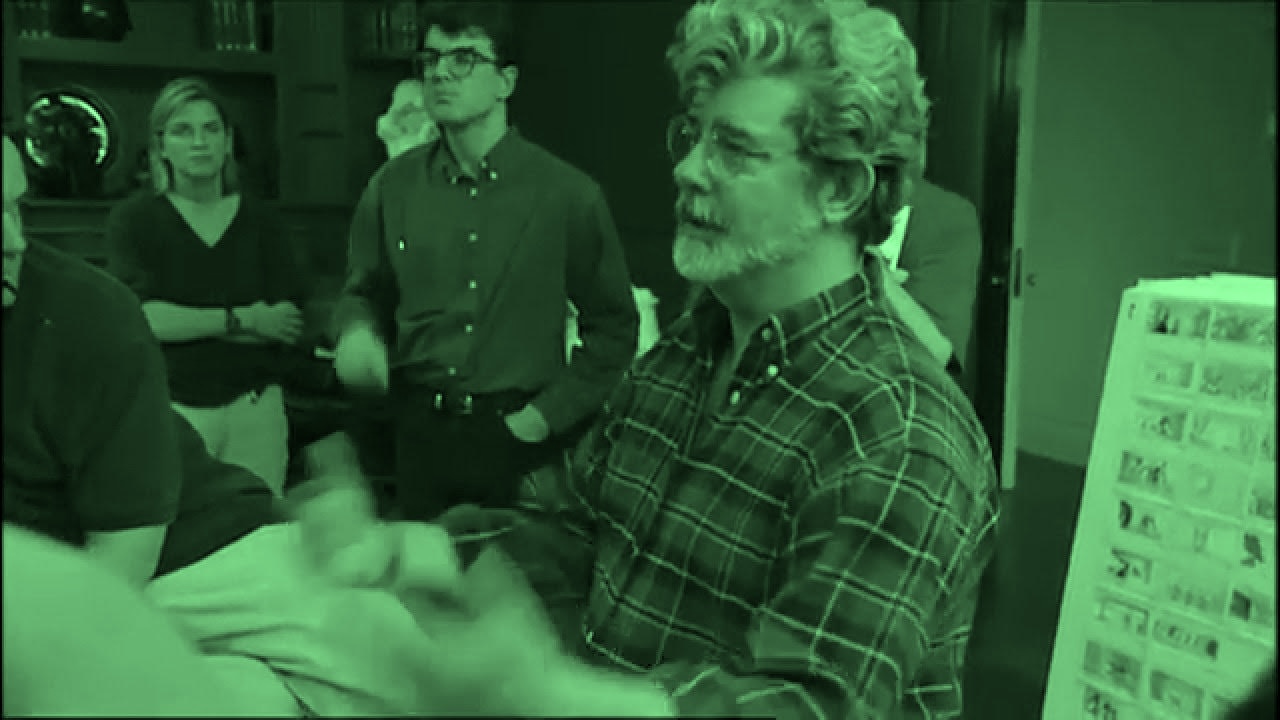
Also, if you listen to Confer Culture every once in a while, you might get a kick out of this George Lucas image I just posted because it fits with the latest and greatest podcast episode – Grumpy Old Men. Chris and I have a running joke about Star Wars and poetry, but you’ll have to listen to learn more.

Until next time creative cuties.

Tim!
Rekindling Creative Passion: My Journey Back

Part 4: Stoking the Home Fires

Introduction:

Welcome back, dear readers, to the next chapter in my comeback story.

If you’ve made it this far, you know that life’s storms have tested me in ways I couldn’t have imagined. From navigating relationship changes, the challenges of blending families, mental health hurdles, financial strain, and career setbacks, I’ve learned that resilience isn’t just about surviving—it’s about adapting, and, most importantly, finding joy along the way. Each challenge, as grueling as it was, has helped shape the person I am today. But if there’s one consistent thread that’s kept me grounded, it’s creativity activity.

Making “art” is more than just a passion or a hobby for me—it’s been a lifeline. Throughout these trials, even when I wasn’t actively working on timotheories or producing anything concrete, the mere thought of painting, discussing films, or collaborating on projects sparked something in me. It was a beacon of hope, a reminder that, no matter how tough things got, there was always something greater to reach for, something to nurture that could pull me through the darkness.

And now, I’m ready to fully dive back in.

This next part of the series is dedicated to the journey of rediscovering that creative spark. Today I want to delve into how I found my way back to my passions, rediscovered my creativity, and the milestones I achieved along the way. After a hiatus, especially one fueled by such immense personal change, it can feel daunting to pick up where you left off. You might wonder, “Do I still have it in me?” or “Can I truly reignite that passion?”

Spoiler alert: You can.

But it’s not always as simple as flicking a switch. Just like everything else, finding your creative rhythm again takes time, effort, and a little patience. Its a gradual process of reconnecting with what truly matters. In this post, I’ll be sharing the key milestones I encountered while rebuilding my creative life, including the practical strategies, mental shifts, and subtle changes in routine that helped reignite the flame within me. Whether you’re an artist, a designer, a writer, a business owner, or just someone looking to get back in touch with a passion you’ve lost, I hope these insights will inspire you to jump-start your own creative journey. 

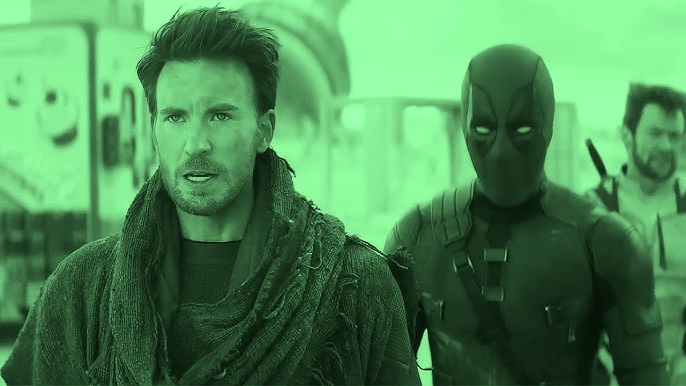
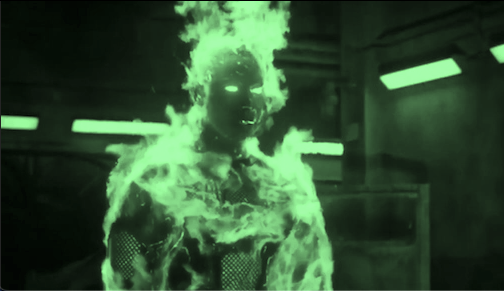
Oh my god, he’s gonna say it. Hes’ gonna say it. Avengers as…

Flame on!

Reconnecting with Creativity:

Reconnecting with my creativity was not an easy process. 

At times, it felt like I was scaling a mountain made up of mental, physical, emotional, and spiritual barriers – and they were invisible too.

I always knew deep down that I would return to creating, but that certainly didn’t make the in the mean time and in-between time any easier; I thought about this homecoming every day from the time I stopped until now. 

From the moment I stopped producing art, whether it was writing, drawing, painting, AV or acting, there was a distant whisper reminding me of who I was meant to be.

I’ve always been partial to the idiom that if you really really want something, let it go and if it returns to you, its true love. 

But that might not apply to you, so I’ll do you one better – if you want to buy something, wait 30 days before making the purchase. If, after those 30 days, the desire is still there, its likely that you genuinely want it. And that’s a good thing.

That same principle holds true of our passions as well. Life finds a way. 

Despite the barriers I encountered, my creative desires never really left me. Each time I found myself pausing, stepping way from the act of creation, I would dream about it. Surrounding myself with my adjacent hobbies and doing my best to embrace dreaming, even when I felt like an imposter looking in. This ensured I would return to creating art. Those little acts and moments of discipline, helped to keep that flame from going out.

A simple gesture – making homemade gifts for Miguel and Mysticque at Christmas was a great example. 

When I was growing up, my parents came up with a neat tradition for us kids that allowed us all to make a Secret Santa gift for someone within our immediate family. It was great, each of us created a homemade gift for another member of the family, and then we all would guess as who the gift giver was. But as my siblings and I grew older, and romantic partners entered the fray, things became harder to organize to create that same magic. Eventually we began our own families and the commitment to this tradition waned, but the desire for genuine connection and a good surprise remained. 

My wife and I decided to continue this tradition within our immediate family because it was a beautiful creative outlet for all involved.

Motivation may come and go like the wind, but discipline—being intentional about engaging with art and creativity—is what sustains us. It was through these moments of discipline, these small creative acts, that I began to leave the light bulb on in the back of my mind. 

Actively watching interesting movies, listening to new music, playing board games with loved ones, finding inspiration from various creators, and reflecting on how I would reintroduce myself back into art making mode, that helped me find my way back. 

Inspiration Sources:

One of the most profound moments in this journey came during my friend Stephen’s birthday in October of 2023. Our mutual friend Allie was discussing her writing projects, specifically the concept of world building in her creative process. She maintained that world building is essential to creating a natural order and that it would often produce fully realized characters. 

Her words struck a chord with me, reminding me of the creative depths and complexity involved in storytelling.

As we continued discussing creativity in the framework of writing, Steve began to share an idea for a science fiction story he had been developing—a space opera story about history, mythos, and doctrines unfolding as civilizations progressed, with the intricacies of the scifi world gradually revealed to the audience.

Suddenly, it hit me – this could become a board game. I shared my idea with Stephen, and to my surprise, he agreed almost immediately. Ever since then, we’ve been slowly working together to build his vision into a tangible, playable experience. 

This collaboration has been cathartic, exciting, and profoundly meaningful. Steve and I have been friends for almost 20 years. We completed our BFAs a year apart, worked for the same company for nearly 15 years, and now, we’ve found a new way to bond over our shared creative energies. The process of making something together has reminded me of the joy and fulfillment that comes from collaboration, and it’s renewed my sense of purpose as an artist.

Another unexpected source of inspiration came from my former employer, and it happened while I was still there. It stemmed from the company’s investment into employee development through the learning platform Udemy. 

In the 4 months that I was temporarily laid off in 2020, I still had access to the learning resources and so I took a few courses on social media and project management, which not only added to my skill set but opened my eyes to new possibilities.

One particular course, Eli Natoli’s Build a Six-Figure Online Business Selling Online Courses, shifted my thinking about how to manage timotheories et al. It made me realize that my creative work could be more than just content for fun—I could transform it into a service, something that could be packaged and shared with others, who would benefit from my experience. 

I began to think beyond the traditional realms of blogging and podcasting, and into the territory of teaching and mentorship.

Around the same time, I discovered Joshua Mayo’s YouTube channel, where he built an investment-focused business, monetizing it through affiliate marketing, sponsorships, and YouTube ads. His passion for entrepreneurship and his commitment to consistency reminded me that half the battle is simply showing up every day. His success was proof that small, incremental improvements, combined with continuously learning from others, can lead to something great. 

These two content creators aren’t necessarily doing groundbreaking things, but their efforts reached me. A fantastic re-ignition to keep pushing forward, to keep building my own creative platform.

New Projects:

In the process of reconnecting with my creative passions, new projects began to take shape.

I’ve had this desire to build a portfolio website to showcase all my various creative work, for many years now. I’ve even shared some of my art on this blog when I was posting the first time around. 

But I wanted a dedicated space for it, so taking a page from the City of Edmonton and their strategy for road construction projects, I’ve decided to just start everywhere, all at once. And that started officially with timothykuefler.com. You can go check it out, but its definitely not done yet, its gonna be in construction mode for now. 

While its not finished yet, it’s become the cornerstone of a much grander effort for me – selling my fine art and providing both professional et creative services. 

Additionally, I’ve undergone the process of developing logos and branding for my other business ventures: 

  1. timotheories – which you may have started to see peek up in various places already), 
  2. MTK properties – our rental property business, 
  3. Sips & Fits – Mysticques print-on-demand business. 
  4. Confer Culture – with Chris and I sharing the responsibility for it now, I’m gonna give it the design and marketing treatments it needs. 

And I have a couple other adjacent properties in the works, which I’ll reveal at a later time. 

Doing all of this groundwork has given me a tremendous sense of purpose, autonomy and a tangible connection back to my creativity. 

Reading that over, you might say it looks like I’ve bitten off more than I can chew, and my wife would agree. But I know the difference between having a lot of irons in the fire across all areas of my life, versus having a lot of creative projects in various stages of completion. In the first scenario it can quickly become overwhelming, but in the second, it keeps me moving forward, by giving me options when I need a break in one area. 

And so I slowly keep improving each thing, while focusing on timotheories as the flagship. 

Another major project came when I changed my employer and what my marketing day job looked like. For four years I was project manager for a marketing department, and it truly was fruitful because I learned a ton about building workflows. But last December I decided to go back to my corporate roots. The job I’ve been loving the past year has me developing marketing campaigns, partnerships and branding again, but with the added experience of variety. 

It reignited my enthusiasm for creative problem-solving in the day-to-day. 

I’ve already mentioned this, but I need to emphasize that collaborating with Steve on board game design has brought a new dimension to my creative output – it affords me the opportunity to use design, writing, PM, marketing, and other business skills interchangeably.  And podcasting on Confer Culture keeps me engaged in storytelling and conversational skills. 

And one other creative venture – finally committing to learning music. This is something I’ve said I would do since I was 17 years old. I’ve always wanted to play something. The drums, keyboards, guitar, whatever; but I was super self-conscious about my voice growing up. Fortunately, in the past year I started digging and discovered through a neat little app, that I was singing in the wrong key, literally. Turns out I’m a baritone who always want to sing in soprano. Singing songs within the correct range has introduced me to a whole new form of expression. 

Then we have gardening, which is in fact the actual last project to highlight.

I really need to emphasize how surprisingly creative that can be as an opportunity. It requires patience, care, and attention. It’s become this fantastic creative outlet that I can finally share with Mysticque together. It’s fascinating how something I pushed so hard against growing up can now be something I can enjoy each summer.

Learning and Growth:

During my hiatus, I didn’t just learn about art—I learned about life.

Which is this post’s fitting contribution as a cliche.

What I mean to say, is that I’ve learned a lot about the practical side of the arts in my time away from a regular routine. From managing a photography and photo editing team, to developing a product catalog, to self-teaching myself PM software, to learning digital marketing, I had a great many more opportunities to improve my marketing base.

And then I finally took the leap and left a company that was meant to be a stepping stone from post-secondary into the world of marketing. Luckily I never felt I overstayed my welcome.

In fact, I’m closer then I’ve ever been with two decades of experience now, and I was able to find many opportunities working there. That I was able to resign my position, try another company out, and then come back to that first company with even more conviction, allowed me collect as many roles as I could for a further 10 years.

It’s been instrumental to have these experiences. I now feel even more confident to teach creatives how to build practical skills and conversely bring art enthusiasts into the arts without the pretense. 

The school of hard knocks was good for me. 

Personal Milestones:

The journey of rediscovery was marked by significant milestones: getting married, going on our honeymoon, starting a rental business and eventually completing all the renovations.

Securing our first renter for the renovated property in July 2022 validated the years of hard work and perseverance. 

Finding a new home afterwards and settling into it within a tight timeframe showcased our ability to adapt and overcome challenges. Trying to have a baby and going through the medical system to learn that we are perfectly healthy but just haven’t been lucky yet. 

Getting the two cats having only had dogs growing up, and then finding new jobs in brand new industries — there have been challenging and awful things, but also great ones. I’m proud of Chris and I for revisiting podcasting, I think the content is better than ever. And making board games with a trusted friend turned out to be a pursuit I’ve always wanted to go after. All of these milestones have renewed my vigor for writing, design, marketing, and creating visual art. And I will definitely be sharing more personal stories on all of these topics in coming months.

Achievements:

The progress I made in my career was notable. It might seem trivial, but I now go into work each day excited to be part of the company, and I always feeling challenged, and the team I work with is chock full of all-stars.

And of course, securing a job that aligns with my skills and interests was a major breakthrough, providing financial stability and professional growth simultaneously. 

Overcoming my struggles with sleep apnea, which had plagued me for years, significantly improved my quality of life. 

Addressing my mental health challenges and finding effective coping mechanisms was a significant step toward overall well-being. Admitting that I can always seek help whenever I don’t know how to move forward is humbling too, but also a relief. 

Relationships:

I mentioned a couple of my best friends working on creative projects with me, but my family were the real inspiration to get back into making art and rededicating myself to timotheories. 

Mysticque and I have talked about building our family together ever since we started dating.

We’ve been trying for a long time to get pregnant and have had a few missteps along the way. Despite the losses, I continue to hope we will have a baby together, and it is challenging, but I’m also incredibly grateful for the life and loved ones we include within our circle of family.

Miguel is growing up before our eyes, with a girlfriend and his own cohort of friends. I am in awe of his ability to navigate a complicated life, and will cheer him on always. 

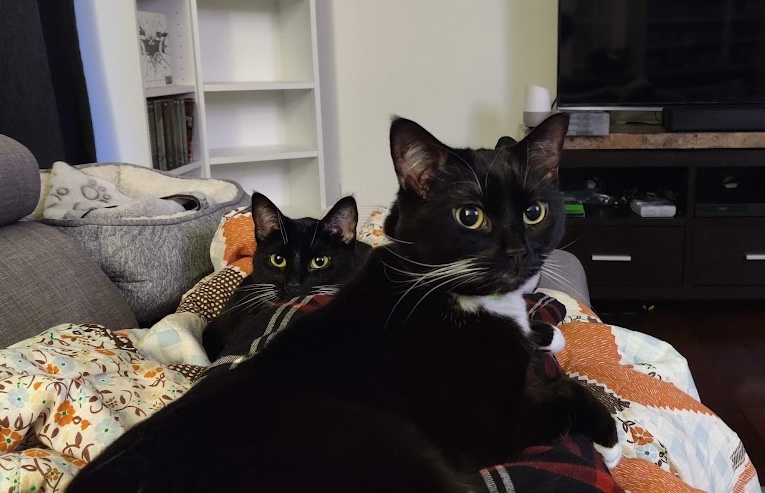
We also have two lovely and weird girl tuxedo cats now: Velcro and Shoelace, who inspire me with many artistic ideas both fine art and with video. They are beautiful animals with interesting personalities. 

And yes, even though it was only for a season of my life, MPQ was my reason to tackle the day for a period and got me through the darkest timeline, so I will be forever grateful for that experience, reminding me to stay connected and engage with others.

Oh, and yes, I do have a pretty great circle of board game friends now, and a consistent space to explore new games and social experiences.

theories summarized:

While travel was limited during the pandemic, our honeymoon to Cuba in 2018 was incredible. 

Going to Drumheller last summer was another great time that reminded me how much I love Canada and exploring it. Navigating the antique museums, local cuisine, and small-town vibes provided healing in a way that few other environments are capable of. 

These experiences were a reminder of the beauty and diversity of the world, fueling my fire and desire to capture and share these moments. And anytime we can get out to festivals and see live music makes my heart happy too. I am so thankful my wife likes to explore as much as I do.

In reconnecting with my creativity, I’ve realized that this journey has been about more than just making art again—it’s been a process of personal growth and rediscovery. The challenges I faced, from emotional and mental roadblocks to spiritual and physical exhaustion, were significant, but they were necessary steps in finding my way back to what I love.

By surrounding myself with the things I care about—music, movies, board games, art, and conversations with friends—I managed to keep the door open, even when the drive to create wasn’t there. This wasn’t about waiting for motivation, but rather about cultivating discipline, which helped me slowly reignite my passion for storytelling, design, and collaboration.

From working on a board game series with an old friend, to developing new business logos, podcasting, and even venturing into gardening with Mysticque, I’ve embraced new projects that align with my creativity. Learning new skills, such as digital marketing and music, has given me fresh perspectives, while personal milestones—like completing home renovations and navigating family life—have reminded me of my resilience.

As I continue this journey of creative rediscovery, I’m reminded that life’s challenges are not just obstacles but opportunities for growth. The lessons I’ve learned will shape the next stage of my work here, and I’m excited to keep sharing that process with you. Thank you for being part of it.

Also. Please take some time to listen to us talk about bad movies in franchises, and whether or not we think they ruin them permanently!

Let’s keep moving forward together!

Tim!

Finding Purpose: Overcoming Creative Blockages

Part 2: Life Changes and Adjustments

Introduction:

Hey everyone!

Tim here again, back with more thoughts on my experiences in the past few years, working through my own feelings about my hiatus, so you don’t have to feel alone about your own struggles. * insert hug * 

If you’re still with me after Part 1, congrats! You made it through the renovation nightmares, personal upheavals, and professional stagnation section of my comeback story. In this next post of the series, I’m going to dive into more detail of how my inner monologue evolved while I was away from timotheories, and why I believe this comeback tale can really help you if you ever experience a similar set of obstacles in your own creative journey – don’t call it a comeback you say? Well I was born in the 20th century, so I’m going to give dated references wherever I can, friendo.

Now let’s dive into what happened to my psyche specifically; when I stopped creating and started to question everything. And from my perspective, when I felt most like my purpose was diminished. You see, if I had a dime for every time I’ve had an existential crisis over this darkest timeline… well, I’d probably have enough to buy a week’s worth of coffee. Not fancy lattes, but a regular drip for sure, maybe even from Starbucks. Small victories, right?

Anyway, I’ve digressed enough, here’s where things get real. When I stopped creating, something inside me shifted, and not in the let’s get Zen and meditate kind of way. More like the I’m aimless and life feels unbearable kind of way. 

Yeah, it was no bueno.

The Night Shift:

In Part 1, I mentioned that I had stepped back from content creation to make space for wedding preparation, and eventually pushed it further aside through the rental property renovations, and I truly thought I’d feel relieved to have the focus for that project, like I’d finally have time to breathe. 

But surprise! Instead of feeling lighter, I inevitably felt more weighed down. 

After a few weeks I felt listless, for starters. But then the unresolved feelings began to compound, as my daily decisions often felt reactive and I had to push my way through challenges both physical et mental and force resolutions through,  which is not my preferred way of operating. For example, helping Mysticque navigate any emotional distress was difficult. And my disposition took a turn for the terrible – I became depressed. Which for those of you playing the same game at home, now it meant I always felt tired, was disinterested in my passions and prone to mood swings. 

So in the interest of using my interest in pop culture to highlight ideas, this time around, I’ll reference the M. Night Shyamalan Eastrail 177 trilogy (or as I prefer to call it, the Unbreakable trilogy) to divide up the sections of this post into adjustments I made and why they mattered. A little Split-Glass-Unbreakable cocktail, ah thank you. 

And before you jump on me, I fully realize this is not the correct order of the movies, but work with me here. Lets yes and this people.

Glass (New Routines):

This aptly titled section features all the bad habits I used to cope with in my time away from timotheories and the arts, and how fragile it really made me.

The food didn’t taste the same (seriously, why does pizza taste bland when you’re sad?), and the things I loved to do felt like chores. Which in turn made the chores even more difficult to complete, and always felt stretched thin. I was watching movies to pass the time rather than for enjoyment/fulfilment, and I needed to get through my pile of unplayed board games. Now to be sure, I will always be actively moving through my piles of pop culture even in the best of times, but the difference in this low point was how I handled things. I wasn’t just living anymore; I was surviving. And believe me when I say, that’s not a good place to be.

When creation left the picture, I tried to fill the gap. I bought more movies, music, and games than I could keep up with. I convinced myself that I wasn’t ready to jump back into creating because I “needed” to consume more media first. More board games, more classic films, more obscure music genres—because surely that would make me more knowledgeable, right? (Spoiler: it didn’t.)

And with that, I started becoming more demanding of my family’s time. I’d randomly ask my wife and son to join me in pop culture activities they didn’t even enjoy, just so I wouldn’t feel as alone in my funk. But the worst part? In many situations, I didn’t even enjoy it either. 

I missed my old routines, the rhythm I used to keep, but couldn’t quite figure out how to reclaim it. Transitioning to being a family man was hard, and COVID didn’t help one bit. It felt like the world shrank overnight, and all my frustrations were magnified by the confinement. 

This next part is where I get a little more vulnerable about routines and share a private story.

Almost a decade ago, I went through a horrific breakup that became the catalyst for timotheories in the first place. Which honestly, is a pretty long story and I’ve alluded to it in different ways in past posts, but for the take of keeping this post on track, and because I’d rather go into great detail on it in a program or book or something, I’ll state this old adage instead – those who don’t learn from their mistakes are doomed to repeat them.

I’ll say it again, but differently: when we don’t think about our failures and learn from them, they become our personal demons.

Upon reflection, in my hubris, I thought I could dodge an important life lesson, which I assumed I knew intimately. Being true to myself and my own needs to create were a necessary boundary, and part of the messiness that led to my 2014 breakup, was because I lost sight of my need to create, which is woven rather cruelly into the heartbreaking psychotic break my ex went through at the time. Again, I realize thats a bit of a bomb to drop, but I can come back to it another time. Just know that I already learned how important self care was, and that for me, a big part of was keeping creativity in my life.

So you see, these new routines during the dark timeline were really symptoms of bigger challenges. And fortunately I managed to come through the other side of it with some serious down-time and support from loved ones.

Split (Personal Growth):

You see, it wasn’t all bad times.

There was a silver lining, which I promise is where we round the corner now, and through the rest of the post as we move into the series. 

And why I’ve got my groove back.

This period gave me a lot of time to think about what really mattered to me and also created a metaphorical split of significance – between family time and finding ways to fill my purpose cup. I will expand upon the family time in the last section, but for now, let’s just say that art always finds a way to exist in my activities, however my personal relationships are going.

I also gave up this weird longstanding notion that I couldn’t handle watching much TV. I honestly don’t know where this came from, and why I got up on a restricted television consumption high horse, other than buckling down in my undergrad and then not shaking it off when I started working in a corporate setting.  I think for me, when I started having less free time, I was pickier about how I spent it. Movies seemed to be a better pop culture vehicle, because they were bite sized, since TV was like a buffet, and I had social groups, and interests, so TV viewing just simmered in the background between 2007-2020.

I would only watch one show at a time, and often go for stints without watching anything. Again a weird flex.

But during COVID, I was temporarily laid off for 3 months, and I also found myself twiddling my thumbs because most of my board games, art and movies were in storage. Hence a catalyst appeared. 

The luxury of time.

So, naturally, and carefully, I readjusted my perspective, using the safety net of Star Wars. I started with the Clone Wars TV series and eventually binge-watched a ton of other shows and yes, I made a list of even more I wanted to get to. It was great – I finally got through Parks and Recreation, Scrubs, Mad Men, Battlestar Galactica, and Star Wars Rebels, among other shows. 

On top of that, I did some learning too – I watched courses on project management and took a really great “how-to” course. It was centred on the concept of making video content as courses for a business. I found it incredibly inspiring and it gave me the very necessary kick in the pants to look at how to make timotheories workable. And when I did get back to work, I applied those new PMP skills and it made a difference in my project management job, allowing me to lead people and processes effectively.

I reconnected with art in other subtle but meaningful ways too. 

Yes I thought about how to make timotheories work as a business but in that exploration I also rediscovered/reinforced I need to create. We did homemade family Christmas gifts growing up, and that dropped off when I got married, but then I also had the good fortune to do that activity, just the three of us, in those insulated years. Not just for fun, but because it’s a core part of who I am, an artist. 

Now we come into the real aha moments, and honestly, these last two were huge for me. Which will also segue nicely into the third section. 

I had two friends on two separate occasions, gave me a creative outlet that I’ve carried onward the past 2 years.

Number one – I dipped my toes into podcasting care of one Mr. Chris Murphy. Just ahead of COVID shutdowns, he had been inspired to try his hand at podcasting. Which we both knew had stemmed from working together on YouTube videos for timotheories. But he ran with this and even gave me the courtesy of “producing” the show for timotheories and I got to join in on about 45% of the episodes. And guess what? I loved it. Turns out, talking into a microphone for hours is kind of my jam. Which healthy me already knew, and would’ve said, of course you should help; You already have make a hundred video podcasts, why not try your hand at an audio-only format.

But then he too had to dial back on the podcast, which sucked. But the spark was already there and luckily, gave me an aspiration to look towards when I felt ready start making content again in this summer of 2024.

Number two – another friend of mine, Stephen Mclean, who I’ve known since my undergrad, had expressed interest in working together on a creative project with me. And then during his birthday event in 2023, he had a really great idea. He wanted to tell a space opera story about the genesis of multiple species in a universe. For some wild reason, I latched quickly onto the idea that I should help him make a board game for this. We both agreed we should just make board games together.

It was a real lightbulb moment for me. I took my BFA background and years of hobby boardgaming. I also applied nearly two decades of marketing project management. This combination went directly into the very challenging and very rewarding experience of designing board games. And we haven’t looked back since. 

It might sound obvious to people who know me really well, that I would do this. But let me tell you something, like the weird stigma about TV watching I got over, for the longest time I had it in my head that I wasn’t a designer either, so I couldn’t design games. I had a fine art degree, and never the two should meet. What a crock of shit negative reinforcement bullshit I had convinced myself of.

So yay, for my friends. The real ones, the ones who believe in me and prop me up because they know I’ll do the same in a hearbeat.

Unbreakable (Support System):

Now, I’d be remiss if I didn’t give credit to my foundation. The family who kept me grounded during this time. 

My wife and son were there for me, day in and day out. Miguel, who has recently turned 16 a few months ago, was my friend through all of this, and I’m very proud of the man he is slowly turning into. 

And Mysticque? Well Mysticque always pushes me ahead, and challenges me to think of things from a very grounded and real world view. She is the salt of the earth, and I feel incredibly blessed every day to say she is my partner for life. She believes in my ambitions, she supports my ideas, and sometimes she even likes the same things I do (which doesn’t always happen in marriage it seems), but most importantly, she is my safe place. She’s my ride or die, plain and simple.

As for my friends, that’s pretty clear too. My friends are my family too, and always have been.

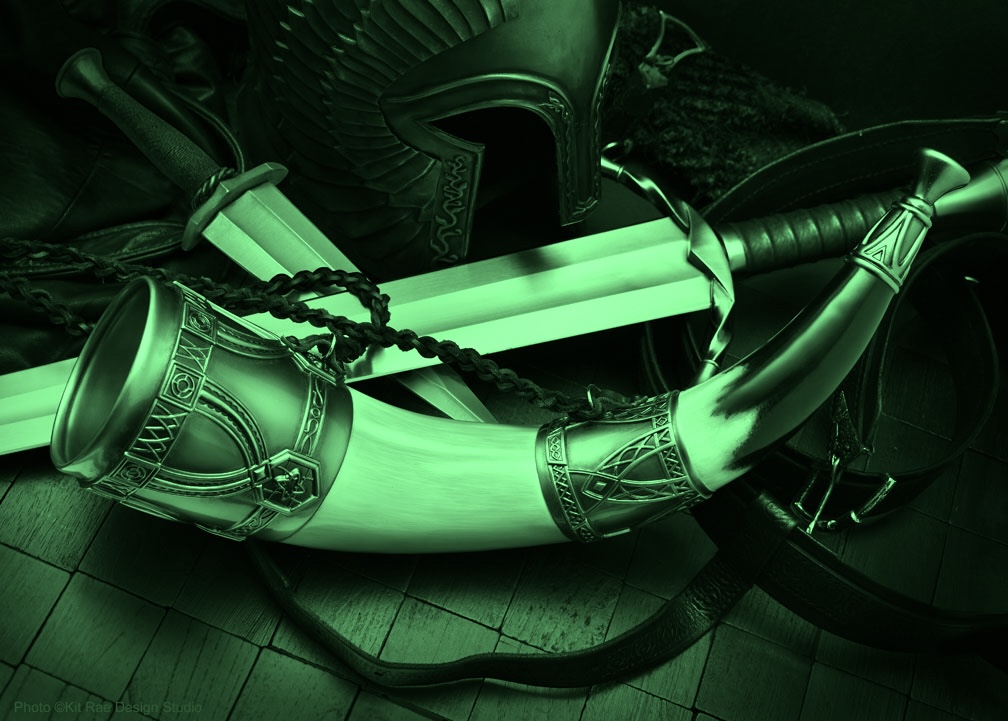
 I don’t get to see all of them as much as I would like and wisdom has taught me how to read a true friend from a fair weather one, but they’re the kind of people who would show up if I ever sounded the horn of Gondor.

And my first family, the ones that I grew up with. Well, let’s just say this.

That while the distance has grown in ways I never anticipated, it’s been the best thing for me. I’ve grown into someone I’m proud of, and we don’t need to see eye to eye to wish the best for each other. Boundaries are important for healthy relationships, and I wish the best for everyone truly, and hope they are living their best lives too.

And while finding mentors has always been important to me, I’m glad to finally realize it’s ok to not find in clearly defined personal and professional relationships, a mentor can come through a book or a podcast, what matters is that you learned something valuable from someone who has progressed through the point where you are still learning.

Oh, and a fun fact: I discovered that I actually like cats. 

Not because I wanted them, mind you. No, this was all thanks to the musings of our son, who was convinced he was a cat whisperer. And he pleaded for a cat for many years. My wife in a very practical way wanted to get him a pet since seeing friends and making new ones was hard at the time (2021), so eventually I caved and a tuxedo cat became part of our family. And then when we finally moved to the forever home in the summer of 2022, she coerced me a second time to get another tuxedo cat, since the first had somehow become my little buddy instead of his. 

Now we’ve got two, and in the greatest of ironies, they both follow me around the house at all times of day. Take that for what its worth (LOL). And yeah, a little personal growth and peace there too.

Conclusion – theories summarized:

We did it folks, that’s Part 2. If you’ve made it this far, I owe you a high-five or at least a virtual fist bump. My journey’s still ongoing, but I’m getting there—step by step, day by day.

I learned that routines are an integral part of my life, but more importantly to keep searching for creative outlets, even when I have to focus on other things in a season of my life. That creativity really does give opportunities to us if we are willing to look for them, and that its important to share yourself with those who celebrate and cherish the good things within us. 

And also cats. Cats aren’t the aloof and independent animals we see on TV, they can be the most affectionate and encouraging of pets.

The Night Shift came to me through new routines, personal growth and a healthy support system. 

I sincerely hope this post had an impact on you today, but let me know what you think – do you struggle with juggling your every day responsibilities with your creative interests? How do you navigate that space? As always, hit me up on socials and drop a comment if anything here resonated with you. I love hearing your thoughts, and hey, maybe together we can figure out how this whole life thing works for creatives.

I’ve also shared a link to episode 2 of the Confer Culture reboot – State of the MCU. In this one, Chris and I discuss how Marvel is doing as of July 2024, and we even carve out time for a spoiler heavy review of Deadpool & Wolverine.

Thanks for sticking it out, do creative things for yourself – I’ll see you in Part 3 where we navigate some challenges, that came up in this journey.

Tim!
The Reconciliation of Art & Faith (Dave Von Bieker, musician, singer-songwriter, arts chaplain interview)

It’s finally arrived! After a solid couple of weeks worth of posts featuring my good friend Dave Von Bieker, also known by his very clever stage name of Von Bieker, our full-length interview is alive, well and available for all to enjoy.

In case you haven’t been following the previews, I have decided to change things up just a little bit and slowly publish some the content related to each interview rather then post a single preview and a longer interview. That, and Mr. Von Bieker and I had tons of content to share, so this was a good trial run.

The first preview is about making art for self rather then a paycheck, and the second one about the role of art in a spiritual life. These are both great questions to consider in your own journey, and I think you’ll get a kick out of his answers, but don’t fret about the order of viewing – you can enjoy them before watching this video, afterwards, or over and over again. It’s your choice!

Now let’s discuss the main course – reconciliation. A couple of months ago, Dave and I sat down to talk about his role as an arts chaplain and his burgeoning career as a musician. You see, dear readers, Dave is a big believer in believing in something larger then yourself.

Whether you are into a religious ideal, self-actualization or somewhere in-between, the main theme running through this interview is the importance of reconciling art and faith within ourselves. The demands placed on artists are great, and they come both from within and from our clients, but Dave acutely recognizes this and has done things in his life to help him resolve those larger questions.

As the founder of Bleeding Heart Art Space (https://bleedingheartart.space/), this is a gallery Dave helped build, where faith meets art. Their tagline is Art Space, Sacred Space, Community Space. It’s a shining example of multiple elements of life coming together in a healthy relationship.

In the interview, we discuss the value of having a routine, another innovative musical hero named Dave, intention in art, the difference between performing and making, the immutable nature of music, and finally, why we need to reconcile art and faith. An easily answered question, of course.

theories Summarized

So there you have it, you absolutely can make a case for art and faith working together. Seamless really, and we managed to have fun while we solved all of the worlds problems. Now that that’s been accomplished, please tell me what YOU thought. Did one question stand above all the others? Do you agree with Dave? Are you a bigger fan of David Burns now?

Please check out more Von Bieker (http://vonbieker.com/) and if you’re interested in his social media –  Facebook, Twitter, Instagram, Sound Cloud, Spotify, iTunes and YouTube have all the good stuff.

And special thanks to Dave for being daring, dapper and disciplined. We need more leaders like him in our local communities, artists who spend more time giving back then they do focusing on themselves. And if you want a bankable theory, I expect this is just the start of it for him.

Tim!