
Curating Creativity: How Borrowing Fuels Artistic Growth
Introduction
In a world where creativity is often seen as the result of an original spark, the truth is much more nuanced.
Artists, in their various forms, are not lone geniuses creating something from nothing; we are collectors. We gather fragments from the world around us—ideas, sounds, visuals, stories—and blend them into something new.
You may or may not recall a previous post of mine, Licensed To Steal (Artist As Collector), another of my very early blog post entries and one which I absolutely can look back on with cringeworthy facial expressions and heartfelt nostalgia. Simultaneously.
In case you don’t want to take a walk down memory lane with me, and I wouldn’t blame you, I’ll sum up the concept of that previous entry for you..
I discussed the fine art of borrowing from others and making it your own. It was inspired by Austin Kleon’s TED Talk on how “nothing is original,” and we, as creators, are all influenced by the work we consume. I referenced Ryan Adams’ cover of Taylor Swift’s 1989 as an example of how an artist can transform something familiar into something uniquely their own.
Fun fact: I also gave a shoutout to my girlfriend at the time, but funnier still is that we parted ways in the summer of 2016 and then after some time apart, she made an attempt at “a reconnect” the same night Trump was elected that fall, but thankfully I was riding off the high of my first date with Mysticque from earlier that same night… so bullet dodged.
Thanks, corner gun.
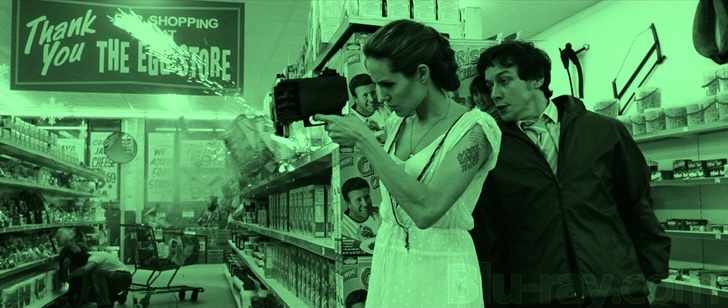
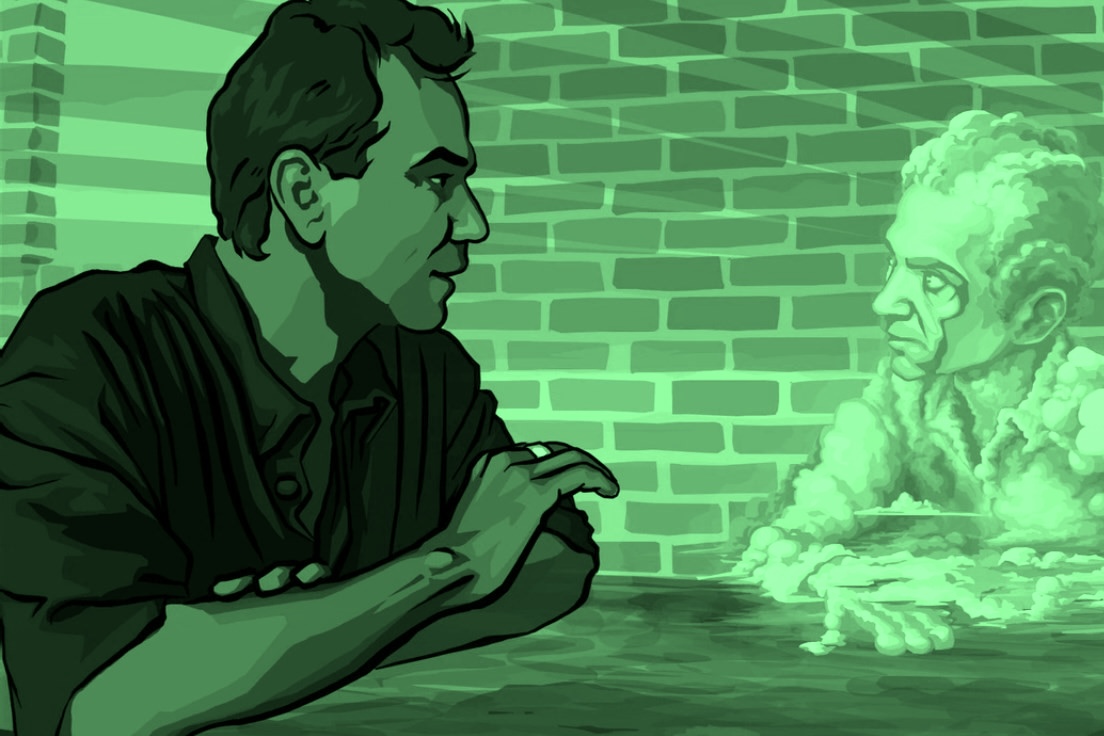
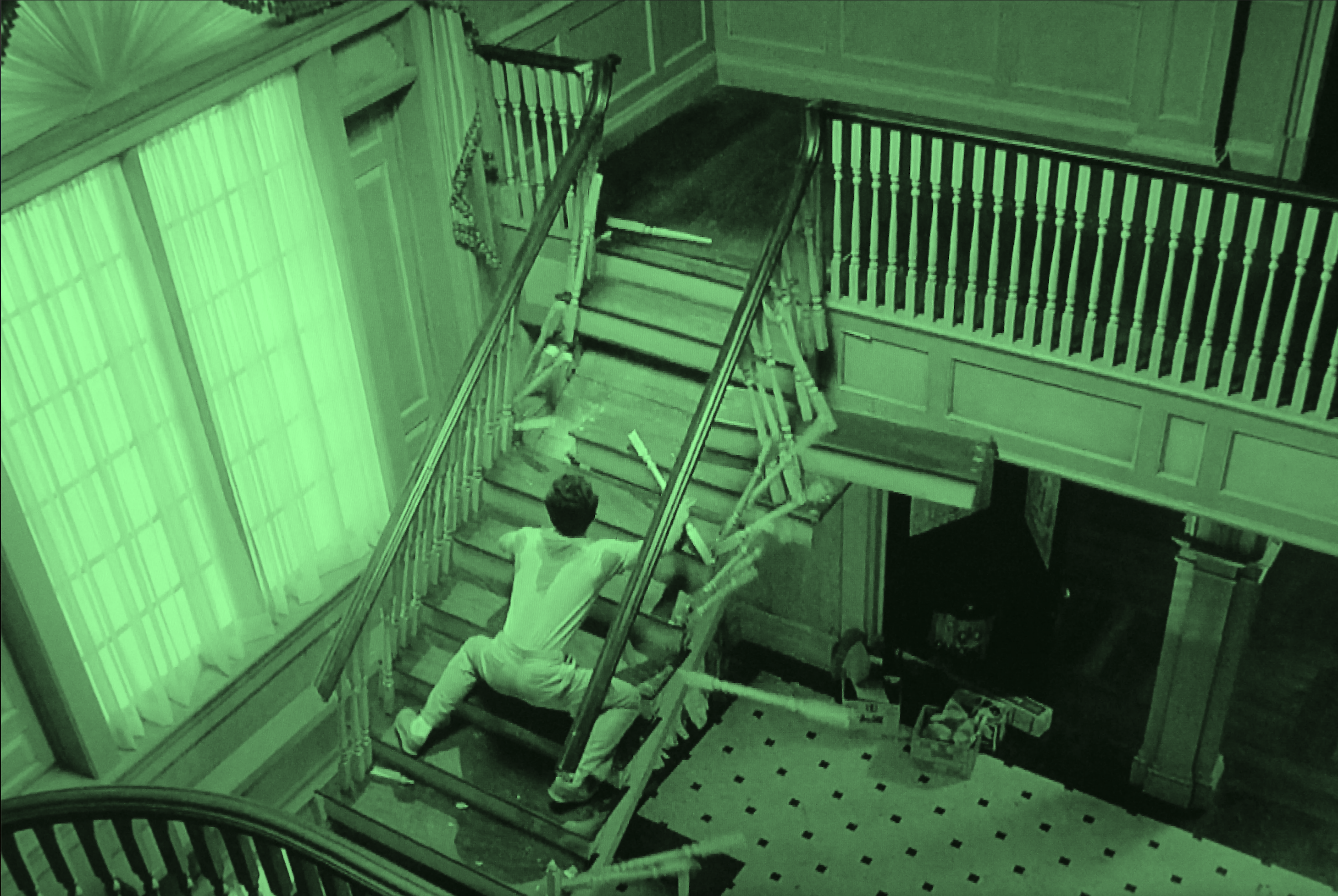
Since then, I’ve realized a few things. I still really and truly think Wanted is a terrible movie, and I don’t know how James McAvoy dodged his own bullet with that one, (read: paradox) but more importantly, that the act of borrowing, or “stealing,” goes beyond just creative reinterpretation. It’s about re-contextualizing ideas to give them new meaning in our lives.
The line between “stealing” and “creating” is often blurry.
Every time I pick up a camera, paintbrush, or microphone, I’m gathering from the world around me. Insert my obligatory cliche.
Good artists borrow, great artists steal. Attributed to Picasso, but he could have stolen that from someone else for all we know.
Each movie, album, or conversation has become part of my collection of influences. But the real magic happens when I take these influences, mix them with my personal experiences, and make them my own. It’s a cycle of reinterpretation, where nothing is purely mine, but nothing is purely someone else’s, either.
What It Means to Be a Curator
The title of “creator” often comes with a sense of awe, as though we’re expected to manifest something out of thin air—pure, original genius. But the truth, as I’ve come to learn, is far more intricate and grounded. Being a creator is not about inventing something from nothing; it’s about finding meaning, context, and connection in the things we already have, in the influences we’ve absorbed, and in the raw materials life provides.
So, by that account, to be a curator should really mean a guardian of a collection. To be a custodian, keeper or critic of those things can have its place, for sure, but by my own definitions, a curator ideally protects and organizes things that they love, and hopefully, like a well made mixtape or a playlist for my Zennials, they pay it forward by sharing that collection with others.
For many, collecting can be an intellectual pursuit, driven by a desire to learn, to gain insight, and to preserve knowledge, but it can also be deeply personal. In fact, Chris and I talked about this in great depth on a Confer Culture episode back in 2020, titled Collecting vs. Hoarding. We explored the psychological nuances of these two acts—how collecting is intentional, meaningful, and deeply tied to who we are as individuals, while hoarding, conversely, can reflect a compulsive, often chaotic desire to accumulate without purpose.
We discussed how, as creators, we constantly gather influences—from art, from our own experiences, from history—and how this curated collection shapes our identities and informs our creative work. What differentiates collecting from hoarding is the intent: the creator’s purpose is to transform and share, while the hoarder might simply amass without truly engaging with or curating their collection.
A Philosophy of Collecting
At its core, collecting is deeply psychological. It speaks to our innate desire for connection— they represent memories, emotions, and stories that ground us. Collecting is also about identity: the way we define ourselves by what we choose to keep, what we value, and how we express that value to the world.
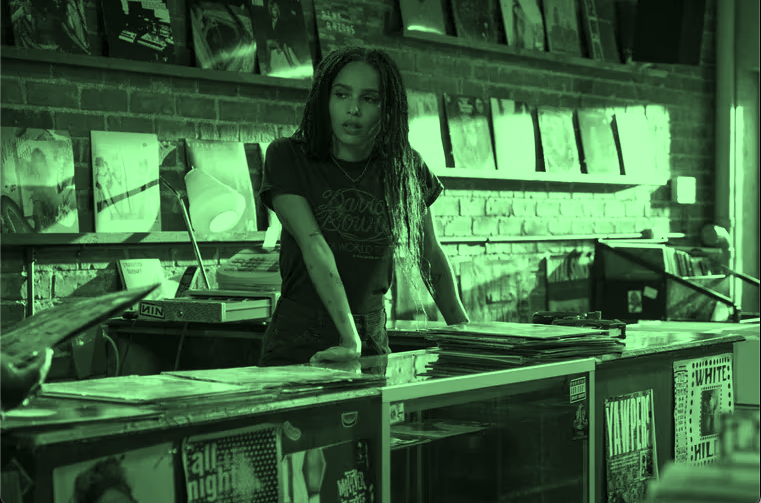
While accumulating objects might be an instinctual act, curation involves a mindful selection process. A true collector doesn’t just gather things indiscriminately; they curate—carefully selecting what enters their collection based on a set of personal criteria. This act of curation transforms a simple collection into something intentional, purposeful, and meaningful.
Our collections, in many ways, act as living journals that, when viewed as a whole, paint a portrait of our personal growth. Collecting shouldn’t be about what we accumulate; it’s about seeing how our collections evolve, reflecting the changes in ourselves as we navigate life’s chapters.
The Curator’s Process: Gathering with Purpose
My process of curating is always deliberate. Take my Watch List project, for instance. I approach each film with a purpose—whether it’s to engage with a specific genre, explore cultural significance, or revisit films that have shaped my creative journey. Each film I watch is like adding another thread to a larger tapestry of understanding. With vinyl records, it’s more tactile. The act of going out, finding a record, and holding it in my hands feels like a sensory engagement with the past. It’s a ritual that connects me to the music, the artist, and the moment in time when the album was released.
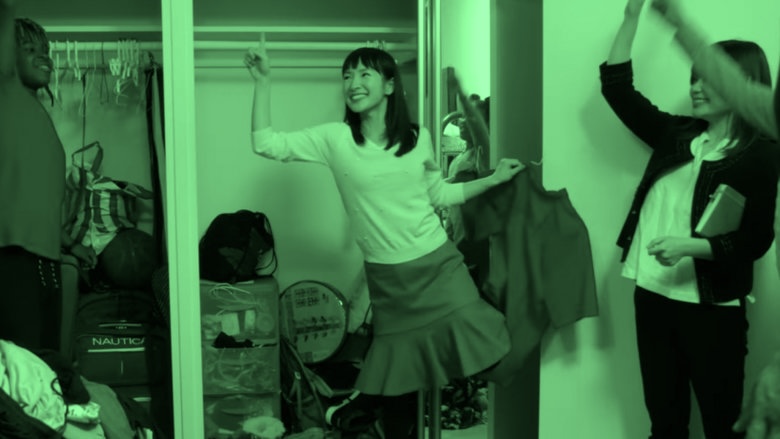
To avoid the trap of hoarding, it’s essential to ask yourself: Does this item enhance my life or creative process in some way? I love Marie Kondo’s philosophy on de-cluttering because I think it works here too. Does it spark joy? If it doesn’t serve you, don’t keep it and definitely be more mindful of adding additional pieces. A collection becomes overwhelming when it’s driven by impulse or nostalgia rather than intention.
Intentional collecting can act as the catalyst for new creative projects. For example, when curating and exploring The Watch List, I don’t just watch films for entertainment; each movie becomes an opportunity for reflection or exploration. A particular film sparks an idea for a blog post, a podcast episode, or even an art piece. This cyclical nature of collecting fuels my creative work, offering new angles and fresh inspiration.
Collections as Cultural Windows
Collections are not just personal; they also serve as cultural artifacts. The items we choose to collect speak to the values, aesthetics, and trends of particular moments in time. Take my movie collection, for example: Each film represents not only my personal taste but also a broader cultural context—whether it’s a reflection of social movements, technological advancements, or shifts in cultural norms. Similarly, music collections can reflect the sounds and styles of specific eras. By looking at the art we collect, we can trace the evolution of culture, taste, and human expression.
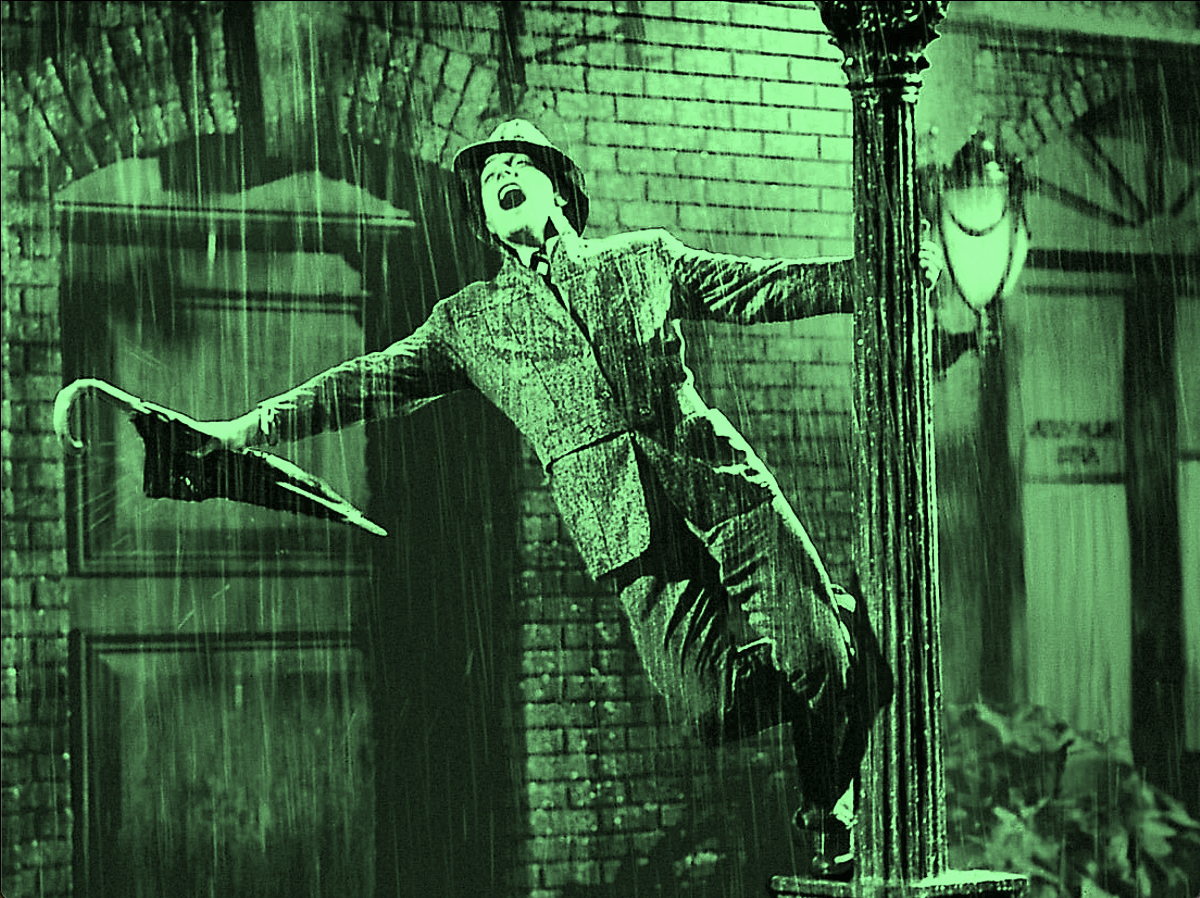
In my movie collection, the films I gravitate toward range from classics like Citizen Kane to contemporary works that explore societal issues like Short Term 12 or Eye in the Sky. I often joke that the movies I watch have to mean something or do something interesting, but what I really mean is that these selections tell a story about my interests—how I appreciate timeless storytelling, but also how I’m drawn to exploring the present-day world through the lens of film. My music collection does the same – each album revealing a bit about my shifting tastes, the eras I admire, and the ways I see the world and want to be shown it too.
As a collector, I’m not just holding onto things; I’m preserving pieces of cultural history.
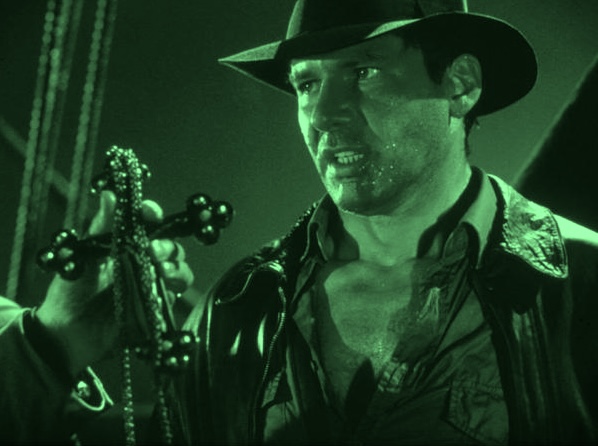
Every item in my collection is a piece of a larger narrative—whether it’s a film that shaped the cinematic landscape or an album that became the soundtrack to a generation’s coming-of-age. By sharing these pieces through my blog, podcast, and other creative outlets, I’m inviting others to explore these stories, to question, reflect, and connect with the past. Collecting, then, becomes a way to engage with culture and to share that culture with others.
Borrowing From Life
My collections are a rich source of creative inspiration for me, if that’s not obvious yet.
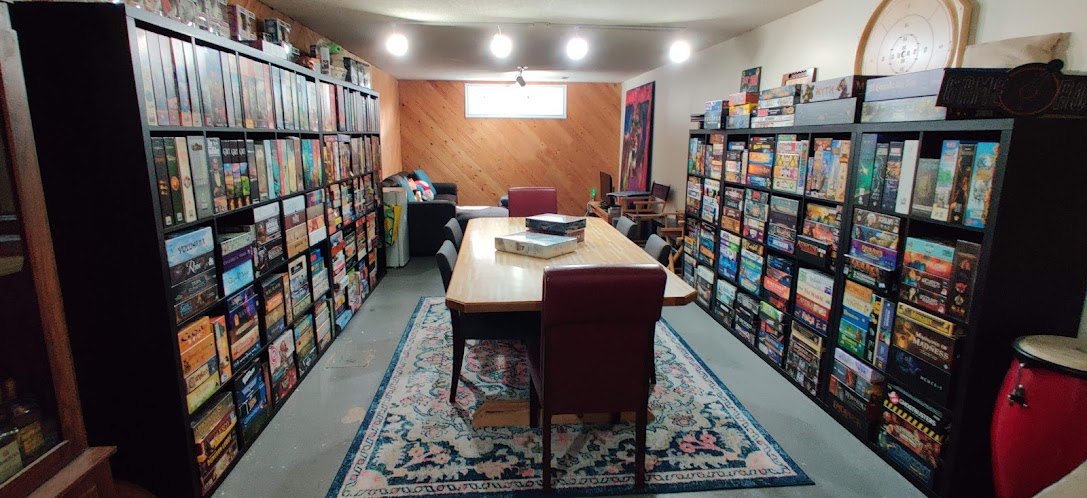
For example, a film may spark an idea for a podcast topic, a song might influence the tone of a new blog post, or a board game might inspire, ironically, a board game design. The influence of these collected pieces is subtle but constant—shaping my ideas, fueling my projects, and driving my creative process forward.
There’s a certain alchemy that happens when you start to borrow not just from other art, but from life itself. I’ve found that some of my most recent work has been shaped by personal struggles and growth, elements that didn’t come from external sources, but from within. These are the pieces I draw upon when creating, often without realizing it. Whether it’s the challenges I’ve faced in blending families or navigating career hurdles, these experiences often find their way into my projects.

In fact, I think the best artists do this all the time.
One of the things I both loved and hated about doing a bachelors of fine arts degree was the spectacle surrounding famous artists throughout history, those winners whose art gets to adorn curated mausoleums, or museums if you prefer the politically correct definition of them. But if you go looking closely enough, you can start to see that like anything, all of those artists were inspired by those who came before, and the world around them.
In an upcoming Confer Culture podcast on Character Actors, for example, Chris and I explore the way certain performers transform roles by borrowing from their own life experiences. The magic of these actors is their commitment to their roles. And I think in their ability to borrow from their lived experiences, bringing a depth to their roles that resonates with audiences.
And when I share those works with you, whether they come from me or from creators I admire, I’m still sharing fragments of my life along with those external influences.
Just as a home can become a canvas for the expression of self, so too can a career, a relationship, or even a community. In this way, the “stealing” or borrowing I do is not confined to traditional sources. Life itself has become a part of my collection.
theories Summarized
As I continue to push forward with timotheories, I’m reminded that creativity is a continual act of collecting, rearranging, and transforming. Each piece informs the next, with influences overlapping and intermingling.
The future of timotheories is about more than just gathering ideas; it’s about cultivating a community where others can share in the process of borrowing and creating together. Whether it’s through mentorship, collaborations, or engaging in deeper discussions about art, the journey ahead is one of growth, connection, and transformation that you get to benefit from.
So, as I continue to collect and create, I encourage you to do the same. As artists, we all have the privilege of borrowing from the world around us. It’s in the way we take what we’re given and turn it into something new and exciting. After all, art isn’t about inventing something from scratch; it’s about discovering new ways to connect, transform, and share the world with others.
Your Turn
What are you collecting these days? What influences are shaping your work? How do you see the act of borrowing and reinterpreting playing out in your creative process? I’d love to hear your thoughts and see what you’re working on. Please like, comment, and subscribe to the blog. Share it where it makes sense and hug an artist after you read this.
Until next time, art tarts.
Tim!

















 timotheories