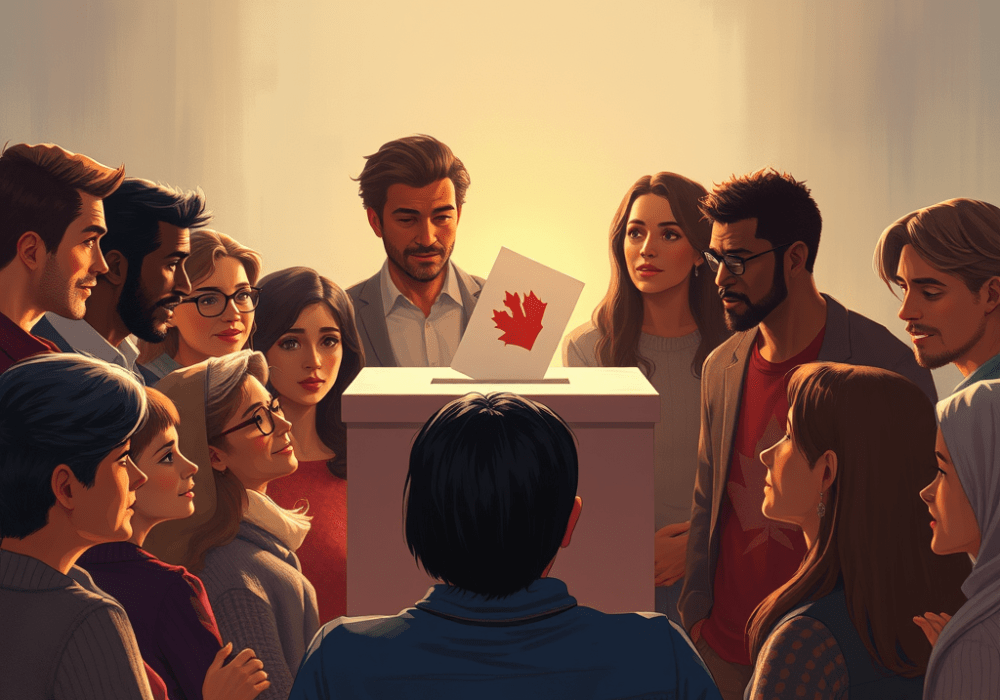
On Monday night (April 28, 2025), Canadians didn’t just cast votes—they told a story. About who we are, what we value, and where we believe we’re going.
As the results of the 2025 Federal Election rolled in, I found myself thinking less about seats and more about symbols. Less about the politics, and more about the narrative we’re crafting together as a nation. Because at its core, an election is just another kind of storytelling—one that plays out across platforms, debates, doorsteps, and digital comment sections. And like all stories, it reveals something deep about the people who choose to tell it.
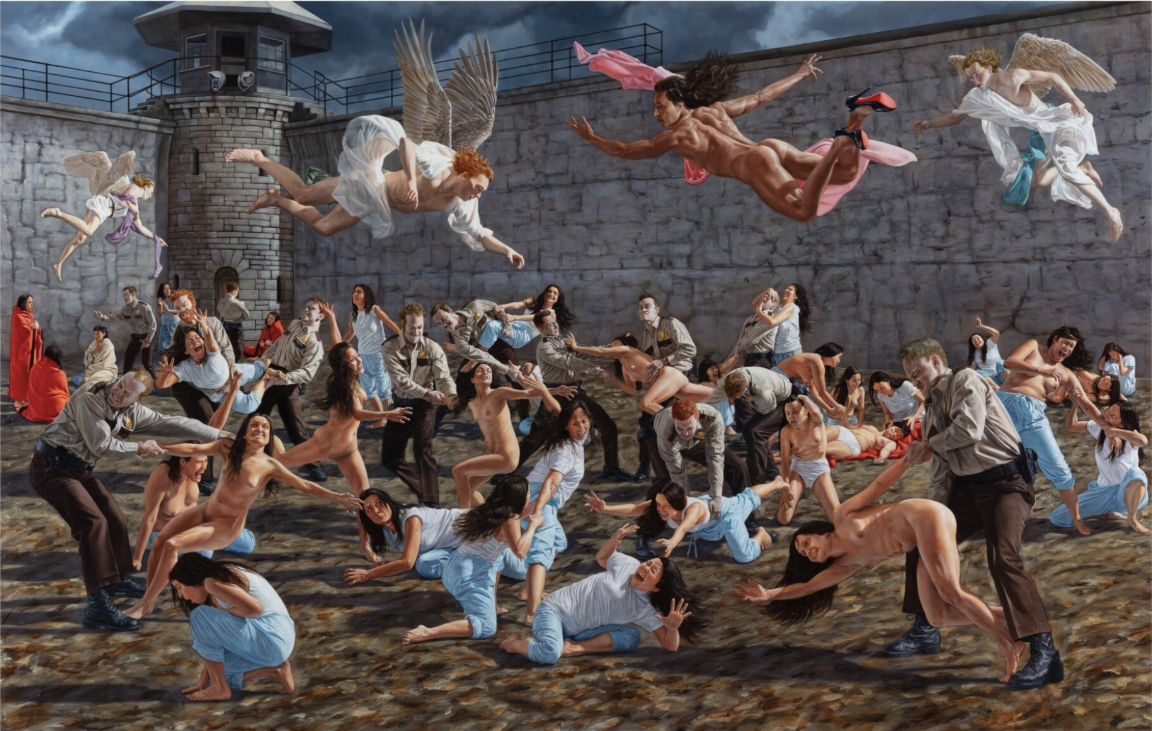
Moments like this have long inspired Canadian artists to interrogate identity, power, and place. Whether it’s Kent Monkman subverting colonial narratives or filmmakers capturing quiet rebellion, the work that emerges from cultural tension often becomes timeless.
The Election as a Mirror
This year’s election was historic— a shift in leadership that saw all major parties change at the top, a resurgence of voter engagement and the emergence of new voices on the political stage.
Justin Trudeau stepped down as Prime Minister, making way for Mark Carney to step into the Liberal leadership – Carney led the party to a minority government win. Meanwhile, Pierre Poilievre gained ground for the Conservatives, solidifying their dominance in Alberta and Saskatchewan—but lost his own seat in Carleton. The Bloc Québécois saw a drop in seats but retained just enough influence to affect the balance of power. The NDP, facing its own steep decline, lost official party status, prompting Jagmeet Singh’s resignation as leader.
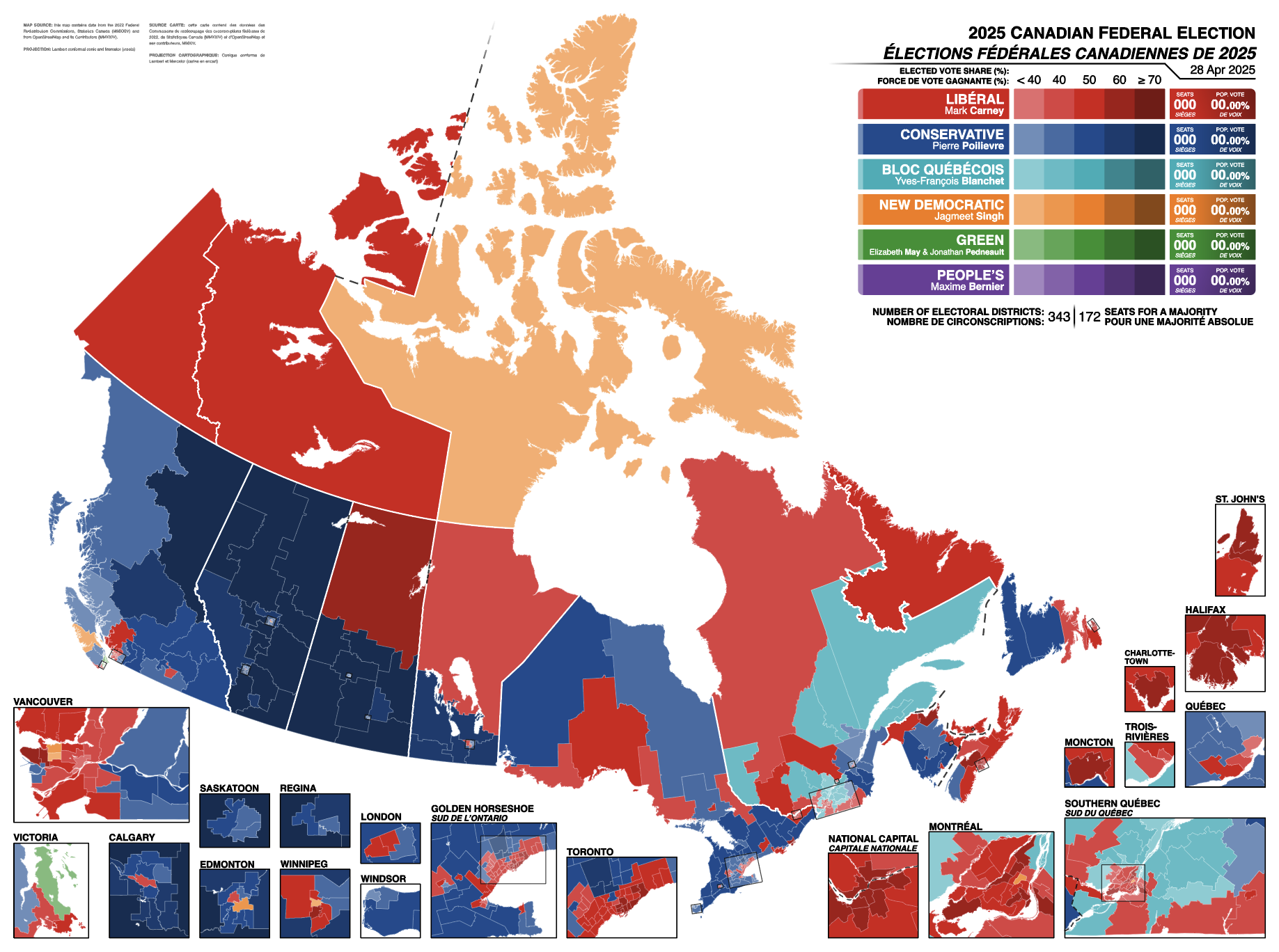
The Liberal Party hold a minority government victory, securing 169 seats—just shy of the 172 needed for a majority. What’s more surprising is that this actually came to fruition; many political sources and publications have stated that the Conservatives (or Tories as they love to be called 😉 ), under Poilievre, should have won the election but Carney’s leadership played a pivotal role in reshaping the Liberal’s fortunes. In the end, the Conservatives won 144 seats, with Poilievre notably losing his own seat in Carleton. The NDP faced significant losses, securing only 7 seats and as mentioned, Singh’s resignation as party leader.
- “Canada’s Trudeau survives no-confidence vote in latest test for his gov’t” – Al Jazeera
- “Canada’s election, explained via poutine” – The Washington Post
- “Mark Carney Wins Canada Election, Capping Dramatic Turnaround for Liberals” – The Wall Street Journal
But beyond all the numbers and headlines, what resonated with me was the underlying tone.
The election served as a cultural mirror. The language of the campaigns, the concerns raised at town halls, and the platforms that gained traction told us that Canadians are wrestling with identity, equity, safety, and hope.
In film, we’d call this a turning point. The moment where the protagonist must decide whether to change, resist, or retreat. And I’d argue that Canada—like a character in a compelling drama—is right in the middle of that scene.
Among the many reflections I’ve come across, some of the most thoughtful have captured the nuance of this moment through unity and empathy. They point out that this election wasn’t just a division of geography, but of generations, values, and rhetoric—and that the real path forward lies in unity and empathy.
Everyone is entitled to their belief and their vote, but regardless of how they voted, they are our neighbor.
Creativity in the Shadow of Politics
Elections don’t happen in a vacuum. They shape how we create, fund, and distribute art. They influence the stories that get amplified—and those that get buried.
As someone who built a platform rooted in cultural critique and creative expression, I’ve always believed that artists have a responsibility to pay attention. Not necessarily to be political in the traditional sense, but to be attuned. To reflect, to question, to push. What we create in response to the world matters—and this election may mark a shift in tone for many Canadian creators.
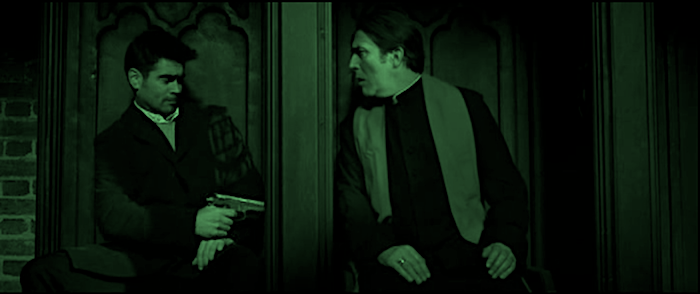
Whether you’re a filmmaker, a writer, a painter, or simply someone who consumes art with intention, you’ve probably felt this undercurrent before: that moment when politics start to bleed into the palette. For me, I think back to films that captured national identity in flux—like Gangs of New York, Incendies, Waltz with Bashir or District 9. Granted, District 9 is a sci-fi set in South Africa, but it does a fantastic job exposing the legacy of apartheid.
A country’s soul is often best understood through its art.
What Artists and Thinkers Can Do Next
So what now?
We make things. We stay present.
We interpret this moment and give it texture. Whether we agree with the outcome or feel disappointed, we don’t go quiet. Creativity is resistance, but it’s also restoration.
timotheories ethos has always been about uncovering truths through culture—digging into film, art, and ideas not just for entertainment, but for connection. And this is one of those times when connection is crucial. We need the dreamers and the realists, the critics and the community-builders, the hopeful and the heartbroken. Because storytelling doesn’t end at the polls. It starts again the next day.
Films That Speak to Our Political Soul
Confession time: I haven’t seen most of these films coming up.
But in reflecting on this election, I found myself wondering—how has Canadian cinema captured moments like this? What stories of resistance, quiet rebellion, or cultural reckoning have we already told?
So I did what any artist would do: I dug in.
The list below isn’t a list of films I’ve mastered—yet. It’s a set of culturally significant Canadian works that I’m adding to my own Watch List. Stories that speak to identity, resilience, and the subtle ways people push back against systems, silence, or expectations.
If you’re curious too, maybe this is your invitation to watch with me:
- Antigone (2019, dir. Sophie Deraspe) – A bold reimagining of the Greek classic, rooted in a teenage girl’s fight for justice in Quebec’s immigration system.
- Sleeping Giant (2015, dir. Andrew Cividino) – A quiet but potent exploration of masculinity, grief, and adolescent rebellion in Northern Ontario.
- Meditation Park (2017, dir. Mina Shum) – A Vancouver grandmother begins quietly reclaiming her autonomy after decades of self-sacrifice.
- The Body Remembers When the World Broke Open (2019, dirs. Tailfeathers & Hepburn) – A real-time portrait of Indigenous womanhood, class divides, and unexpected compassion.
- Firecrackers (2018, dir. Jasmin Mozaffari) – Two teenage girls on the edge of adulthood push against the limits of control and small-town life.
These aren’t loud stories—but they’re full of power. And maybe, like this election, they remind us that the undercurrents matter just as much as the headlines.
theories Summarized
The 2025 Federal Election is now part of Canada’s cultural archive. A chapter closed, but far from the end. What comes next—how we respond, create, and relate—matters just as much. Maybe even more.
So I’ll keep watching, writing, and wondering. And I hope you will too. Let’s continue to make sense of the world together—one story at a time.
What did the 2025 election mean to you? What story do you see unfolding in your community, your creativity, or your own life? Let’s talk in the comments.
 timotheories
