Little Campfires Everywhere. Cultural Anchors.
You used to be able to assume people saw the same things. We watched TV shows on certain nights of the week. Waited for a new song to drop on the radio. Memorized the same commericals.
Not universally. But enough of us did it in our respective fandoms that there were common threads.
Enough that:
- everyone knew the Titanic jokes
- everyone quoted Anchorman
- everyone heard the same songs on the radio
- everyone watched the same finales
- everyone knew where they were during certain cultural moments
The culture itself acted like a campfire. People gathered around it. Maybe that’s why so many older cultural references still feel emotionally “large.”
They weren’t objectively better. But more people experienced them together, and so there was an anchor for key moments.
Blue, The Campfire
Culture also used to be geographically and technologically constrained.
You watched television when it aired.
You heard songs when radio stations played them.
You rented movies from the same shelves.
You lined up at midnight releases.
You played games in the same living rooms as your friends.
And sometimes you had to wait your turn.
You fought over the remote.
You called your people on the landlines after finales.
You burned CDs and it took all day.
You treated GameFAQs like scripture and kept the printouts.
You waited on ICQ or Messenger for that certain someone to sign online.
You got excited about movie trailers before films.
You hauled your PC in your moms minivan for a weekend LAN party.
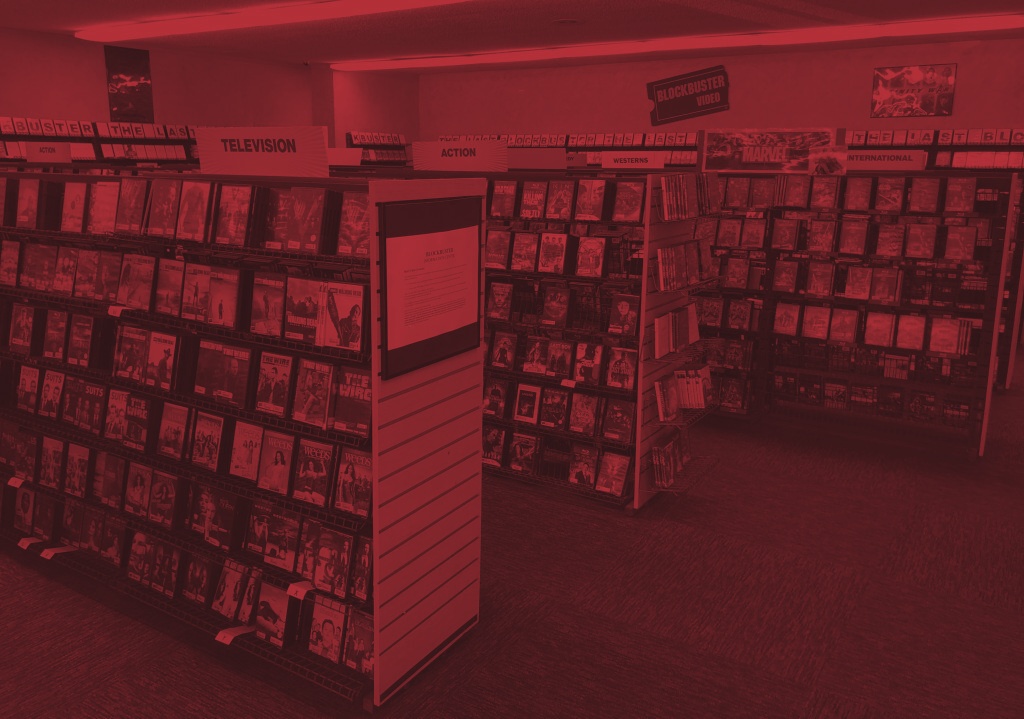
Participation wasn’t always devotional.
Sometimes it felt automatic because the structures around us forced synchronization.
The modern equivalent is infinite access without shared timing. And that’s fractional participation. You’d be hard pressed to find people agreeing unequivocally about entertainment. And synchronization matters. The social emotional contract, so to speak.
Because shared cultural participation creates:
- reference points
- rituals
- identity markers
- emotional shorthand
- collective memory
The campfire wasn’t just the media itself. It was magic. A gathering.
Green, Bonfires
I do this weird thing sometimes when I’m writing essays or working on art. A song gets stuck in my head and I loop it into the ground until it either reveals something to me or I tell myself I’m sick of hearing it. The later almost never happens.
Lately it’s been the entire album, Camp by Childish Gambino.
Which feels appropriate. Because Donald Glover understood something early that the internet was accelerating in real time: culture was becoming recombinant.
Not just consumed. Re-re-remixed. *Air horn*
“Black and white music? Now, [n-word], that’s a mixtape.”
That line from Bonfire has lived in my head for years because it accidentally predicts the entire modern internet era.
Sampling.
Mashups.
Remix culture.
Meme language.
Reaction content.
Digital folklore.
Forget culture as a finished object. Culture has become digital participation first and there are lines made in the sand all the time. I didn’t realize this but as a xennial, there is a different between millenial memes and gen z memes.
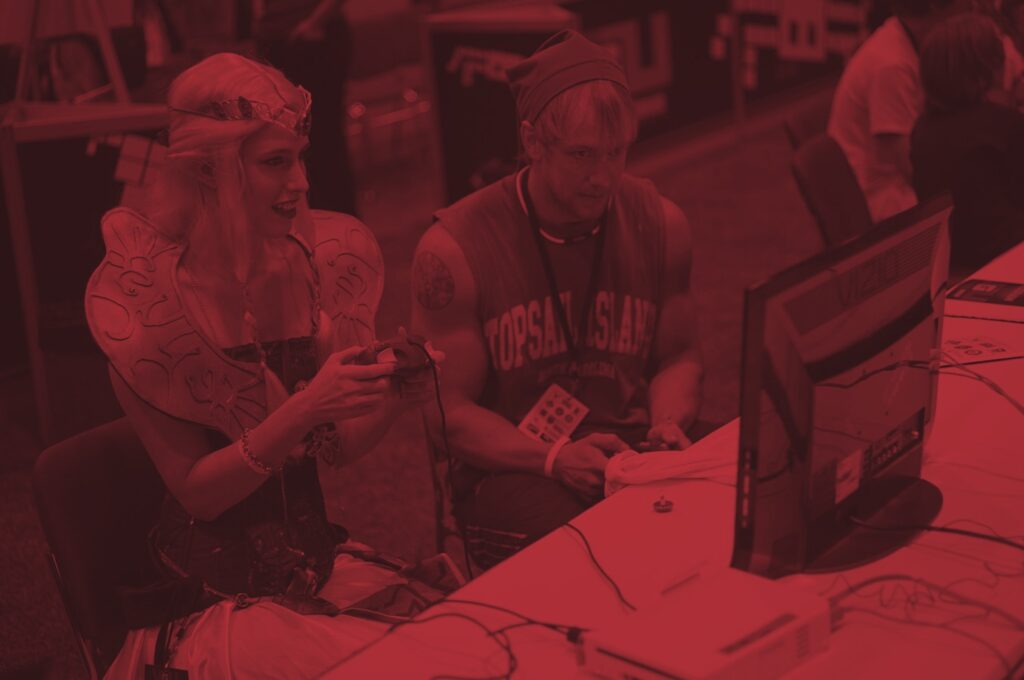
And that’s the thing I think people miss when they talk about the internet “destroying” shared culture. Yes, it did fragment the old campfire. But it also dissolved the barrier between audience and participant.
Suddenly people weren’t just consuming culture anymore. They were:
- remixing it
- clipping it
- memeing it
- reacting to it
- transforming it
- redistributing it
- building identities through it
The audience became part of the fire.
And honestly? That changed everything. The internet didn’t only create smaller cultural groups. It created participatory mythology. Entire generations communicating through references, sounds, screenshots, edits and symbolic shorthand. But often in the same channels.
Vine audio loops.
TikTok sounds.
Reddit forums.
AMVs on YouTube.
Reaction GIFs.
Fan edits.
People began inhabiting culture by building on top of it. And it just keeps getting weirder. The other day I saw AI art that showcased Captain Planet and the kids, but their powers were replaced with fast food chains. And I don’t know how to feel about that, but its not unusual for fan art to exist, AI just makes it easier for more people to step in.
And we still get the odd cultural event that everyone jumps on.
Pokémon GO summer.
The Avengers: Endgame portals scene in like a billion copyright enfringements.
Morbius becoming more culturally relevant as a meme than as an actual movie.
Barbenheimer.
Passing it around like folklore.
And unlike the old centralized campfire, these fires could spread instantly, and burn us easily.
One joke becomes a format.
One sound becomes an identity marker.
One meme becomes a communal language.
Little campfires everywhere.
Some beautiful.
Some stupid.
Some toxic.
Some genuinely connective.
But all of them participatory. And maybe that’s why modern culture feels simultaneously more fragmented and more personal than ever before. Because now people can gather around whatever campfire they want.
They carry pieces of it with them. Everywhere.
Yellow, Forest Fires
But scale changes things.
A campfire gathers people.
A forest fire consumes everything around it.
The internet accelerated participation into virality. Now millions of people can emotionally converge instantly around:
- outrage
- celebration
- fandom
- scandal
- grief
- memes
- identity
Which is truly powerful and still creates collective experiences that feel genuinely historic, like Bad Bunny at the Super Bowl. Johnny Depp vs Amber Heard. Hawk Tuah becoming a celebrity. Will Smith slapping Chris Rock.
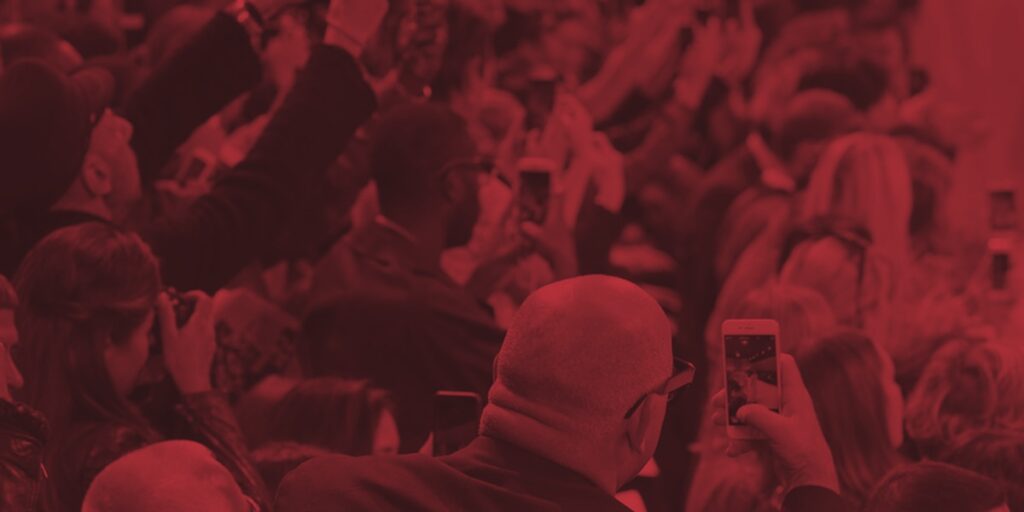
Moments where millions of people briefly gather around the same fire again.
For a second, the old campfire comes back. But we have to remember that scale has a cost. Because the same systems that create connection also create amplification. The loudest emotions spread furthest. The strongest reactions travel fastest. And suddenly one person’s campfire becomes another person’s forest fire.
A joke becomes discourse.
A disagreement becomes a movement.
A fandom becomes a battleground.
A celebrity breakup becomes a cultural event.
A niche opinion becomes an identity for many.
The fire no longer stays where it started. It spreads.
And unlike the old campfire, nobody is really responsible for tending it now.
Algorithms don’t care whether something is true.
Only whether it travels.
So the internet didn’t just fragment culture. It created further subsets of it. Different people now inhabit different emotional worlds, feeds, narratives and campfires. And you can’t identify them by age, gender, or other obvious markers like fashion.
And sometimes we don’t even realize they’re standing in different forests.
Red, Little Fires Everywhere
Maybe the monoculture didn’t disappear.
Maybe it decentralized.
Actually, I’m confident that it did.
Instead of one giant campfire: we now have thousands of smaller ones.
Discord servers.
Subreddits.
TikTok niches.
Letterboxd circles.
Private group chats.
Streaming communities.
Gaming clans.
Micro-fandoms.
Smaller.
More personal.
More fragmented.
Sometimes more meaningful.
And honestly?
That’s not entirely bad.

Because niche culture also allowed people to:
- find belonging
- discover identity
- locate others like themselves
- escape gatekeeping
- build communities outside geography
The tradeoff is: we lost accidental togetherness.
Now meaningful synchronization requires intention. The people who seem most connected to a community are rarely passive consumers of it. They tend the fire.
Which often looks like simple acts of participation.
These people are usually the ones sharing the song, discussing the movie afterward, showing up to the stream, or contributing to the Discord.
The old campfire happened automatically. Now we have many new campfires that require deliberate tending.
Black, Shared Emotional Geography
Maybe that’s what all of these fires have been trying to create.
The old campfire.
The bonfires of participation.
The forest fires of virality.
The thousands of little campfires scattered across the internet.
Not content and engagement for views.
Shared emotional geography. Campgrounds waiting for guests to show up and light their campfires for the summer.
The real question isn’t:
“Was culture better before?”
It’s:
“How do human beings create shared emotional landmarks together?”
Culture matters most when it stops being passive consumption and becomes participation.
When people:
- quote
- remix
- sing
- gather
- react
- reinterpret
- repeat
- ritualize
The culture stops pretending its purely about content.
It becomes: shared emotional geography.
I think that’s why certain moments still feel enormous. The togetherness arrives from a shared translation, not wholly from experiencing the same thing.
Because, for a moment: people feel synchronized inside it.
theories Summarized
The internet did not destroy culture. It changed the conditions under which culture forms.
Where culture once gathered around a handful of centralized campfires, it now spreads across thousands of smaller ones.
Participation became easier.
Creation became democratized.
Distribution became instantaneous.
The audience stopped being passive consumers and became active participants in the construction of culture itself. And yes, scale introduced new challenges.
The same systems that allow ideas, jokes and communities to spread can also amplify outrage, tribalism and misinformation. One person’s campfire can quickly become another person’s forest fire.
Yet despite the fragmentation, the underlying human impulse remains unchanged.
People still gather.
Still quote.
Still remix.
Still build rituals around stories, songs, games and shared experiences.
Culture matters because it creates reference points.
A shared language for memory.
A shared shorthand for meaning.
A shared emotional geography.
The technology changes. But the desire to feel synchronized with other people remains.
Maybe the question was never whether culture was better before.
Maybe the better question is how human beings continue finding new ways to gather around the fire.
The fire was never the point.
The gathering was.