
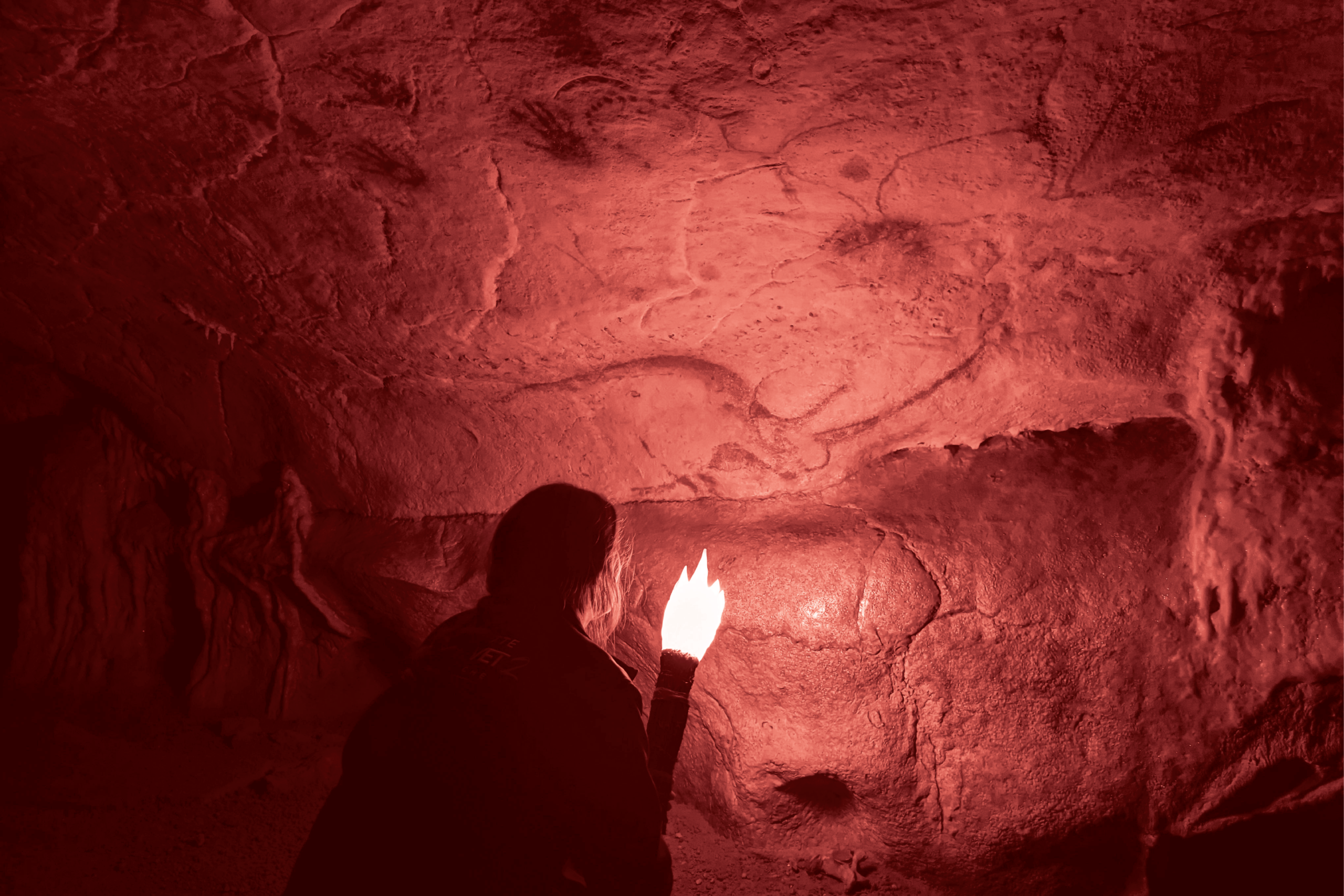
The Quest for Fire
Where does culture become your evidence? There are certain stories humanity never seems to tire of telling. Humans have always chased fire. Symbolized best in The Hero’s Journey. Culture is littered with examples of this.
Every civilization leaves behind clues.
Pottery.
Architecture.
Weapons.
Graves.
But cultures also leave behind stories. Stories that tell us what people couldn’t stop thinking about. There are stories that humanity never seems to tire of telling.
The orphan.
The chosen one.
The exhile
The passing of a family relic.
The great sacrifice.
The promised land.
The return home.
Mythological creatures that are eternal or offer godhood.
Numerous quests for fire, both literal and metaphorical.
Fire is everywhere.
Prometheus steals it from the gods. The Olympic torch crosses continents. A phoenix rises from ashes.
Parents love to tell ghost stories around campfires. And a village always gathers around a bonfire. Fire has been central to our landscape since the start of civilization.
Fire didn’t simply extend our lives. It extended our evenings. Those extra hours changed everything because instead of sleeping after a hard day and finishing a meal, we sat around the fire and taught. We argued. We remembered. We imagined. We painted. We sang to and with each other.
Civilization wasn’t only built with stone. It was built round a hearth. When we stopped focusing on survival, we began to tell stories, we began to make art.
Religious ceremonies light candles.
We speak about “sparks” of inspiration.
Ideas “catch fire.”
Relationships “lose their flame.”
Movements become “firestorms.”
People are “burned out.”
Someone has “fire in their belly.”
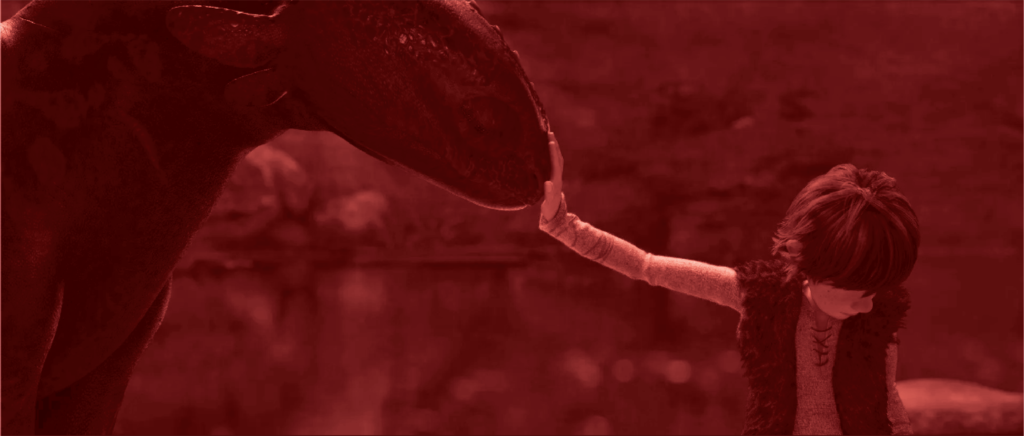
Even today, in a world powered by electricity and central heating, we still instinctively reach for fire when we need a metaphor.
Why?
Why this image?
Why not water?
Why not stone?
Why not looking toward the heavens?
Why has fire survived as one of humanity’s oldest symbols? Maybe because fire has never just been an element the provides heat. Its central to our translation process.
It’s always been about becoming.
Through The Fire and the Flames
One of my favourite long-forgotten films is a French-Canadian movie from 1981 called The Quest for Fire. I associate it with my Dad and my paternal grandparents. It was a popular movie in the moment, and a movie predated my birth by a few years, but they talked about it every once in a while, and remember asking over and over again to see it.
I finally watched it on a camping trip with my grandparents when I was a preteen. The premise is wonderfully simple.
A prehistoric tribe loses the fire they’ve been protecting.
Without it, they can survive…
but not for long.
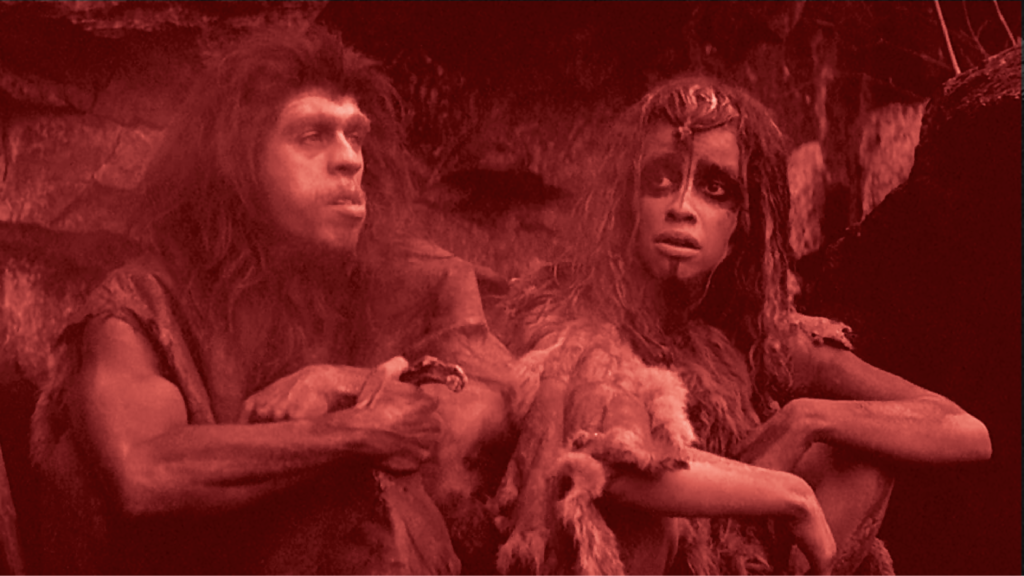
So a small group leaves everything behind to search for another flame. When I first watched it, I thought the movie was almost funny. It was difficult to envision a primate people doing this.
Imagine crossing an entire continent… not looking for food.
Not looking for water.
Not looking for shelter.
They were looking for fire. And at the risk of sounding naive, it felt primitive. Almost absurd. To a seven year old. Until you realize… we’re still doing exactly the same thing.
The fire just took on a symbolic shape.
Every generation has its own version of the quest for fire.
Sometimes it’s religion.
Sometimes it’s nationality.
Sometimes it’s a political movement.
Othertimes it’s far more personal. Like a career, fame or a dream.
And sometimes it’s another person or a community.
We spend years convinced that somewhere out there is the thing that will finally warm us.
The job. The soulmate. The perfect group of friends.
The next chapter.
The next version of ourselves.
We’re always searching. Always wandering. Always believing the next valley contains the fire we’ve been missing.
Why The Hero Leaves
What’s fascinating is that culture has foretold this about us for thousands of years.
That’s why stories keep repeating the same shape.
Someone leaves home.
They cross a threshold
They face uncertainty.
They search for something larger than their old world can teach them.
The return…
But home no longer means what it once did.
The details change.
The pattern doesn’t.
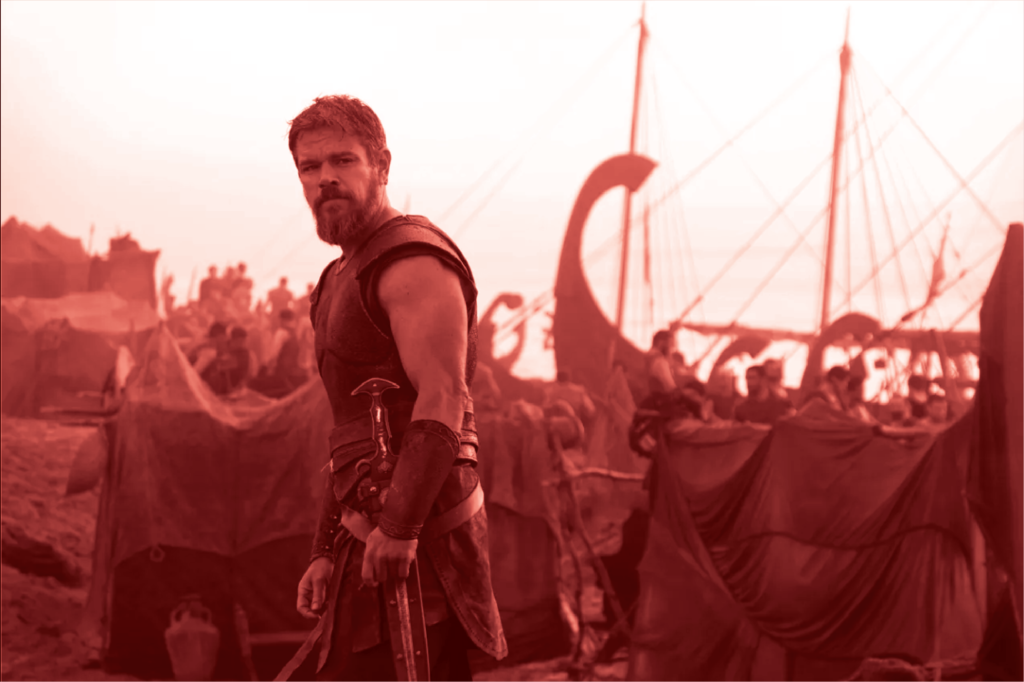
Odysseus spends ten years trying to return to Ithaca.
The Prodigal Son leaves home believing fulfillment lies elsewhere before discovering what he had lost.
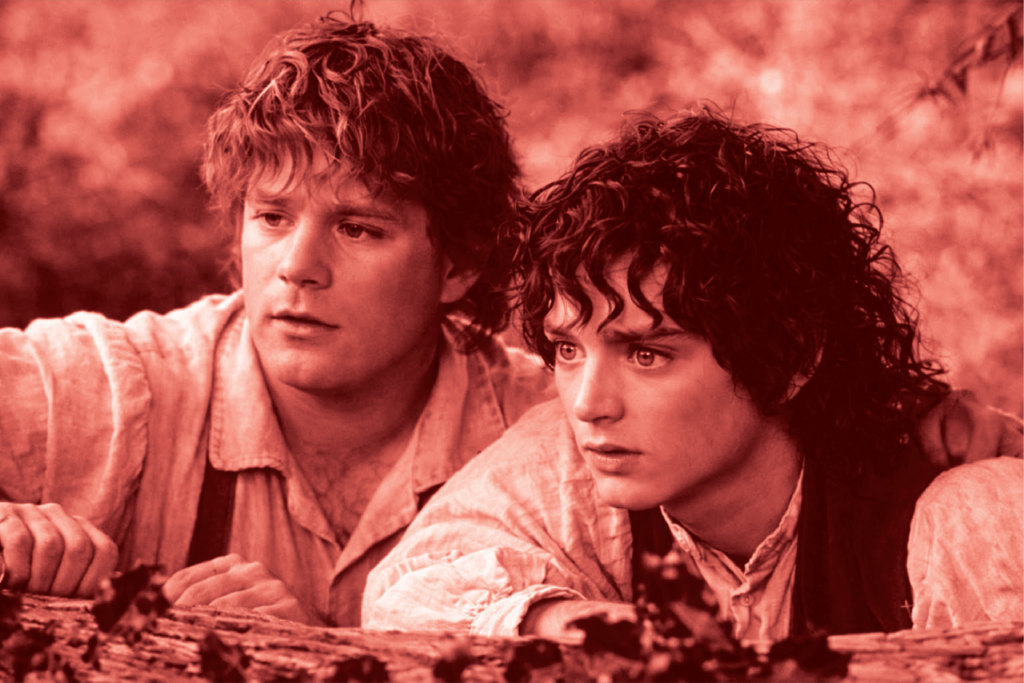
Frodo leaves the safety of the Shire carrying a burden that threatens everyone he loves.
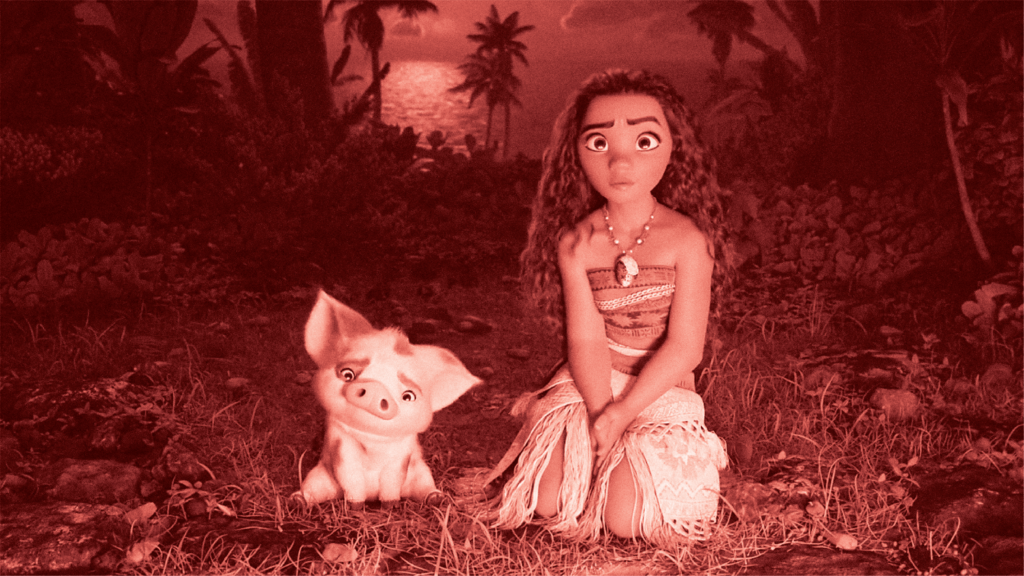
Moana leaves her island believing the ocean is calling her to adventure before realizing she’s really returning the heart that keeps her people alive.
Hiccup leaves the assumptions of his tribe and discovers that understanding creates a stronger kind of power than domination.
Katniss leaves District 12 trying to protect her sister, and returns carrying hope for an entire nation.
Even Batman leaves the comfort of Bruce Wayne’s childhood to become something forged through suffering.
Different stories.
Different languages.
Different centuries.
Different cultures.
The same movement. The same journey.
Leave. Search. Transform. Return.
It’s almost as though humanity has been trying to explain something to itself for thousands of years. Growth requires departure.
And maybe stories aren’t just entertainment. They’re memory. They’re treasure maps. Every generation leaves clues for the next one.
There are no X’s on these maps. Only directions.
Borrowed Flames
That’s one of the reasons I love pop culture.
People sometimes dismiss movies, books, comics, and games as entertainment.
I don’t.
I think they’re evidence. Evidence of the questions humanity keeps asking itself. If a single story appears once, it might just be someone’s imagination.
If variations of the same story appear across continents, religions, centuries, and artistic mediums… it’s probably pointing toward something true. Maybe its no longer fiction, but humanity studying itself.
Culture becomes data.
Stories become observations.
Patterns become theories.
That’s what Culture Works is really about. Not proving that one movie is brilliant and far superior than another. It’s asking why thousands of creators, separated by centuires and continents, keep arriving at similar conclusions without ever meeting each other. I want you to think about campfires again.
Why do people gather around them?
It’s a strange thing when you stop to think about it. We have comfortable couches.
Televisions.
Bluetooth speakers.
Climate-controlled homes.
And yet… put a fire in the middle of a group… and the conversation changes.
People slow down.
Silences become comfortable.
Stories begin.
Children listen.
Parents remember.
Friends stay longer than they planned.
Nobody gathers around a microwave. Nobody sits in a circle around an electric baseboard heater.
Perhaps there is something about fire that invites exploration. Because for most of human history, that’s exactly what it did.
Long before libraries… knowledge lived around fires.
Before schools… parents taught children beside fires.
Before podcasts… elders told stories beside fires.
Before Youtube… someone simply remembered.
Before the written word… history survived because someone remembered the story they heard around a fire. Then they told someone else.
Fire wasn’t simply warmth.
It became civilization’s first classroom. It’s first theatre.
It’s first church.
It’s first town hall.
It’s first family room.
It gave us time.
Time to speak. Time to disagree. Time to laugh. Time to invent gods. Time to invent nations. Time to imagine what our lives could look like.
When we gather around the fire today… I wonder if some ancient part of us still remembers.
Modern Fires
Maybe that’s why fireplaces and campfires still matter.
Most people have furnaces. But we build fireplaces anyway.
Restaurants install them.
Hotels highlight them.
Cabins revolve around them.
We stream fake fireplaces from YouTube during the holidays.
We buy scented candles.
We light backyard fire pits.
Objectively… none of this makes much sense.
Emotionally… it makes perfect sense.
We’re recreating one of humanity’s oldest symbols of belonging. Then something else occurred to me. Maybe The Quest for Fire isn’t really about discovering fire.
It’s about borrowing it.
The tribe doesn’t know how to create it. They only know how to preserve it. When the flame disappears… they’re helpless.
They’ve built an entire ecosystem around something they can’t reproduce. That feels surprisingly modern. And suddenly… the movie doesn’t feel prehistoric anymore. Most of us begin life borrowing someone else’s fire.
Our parents’ beliefs.
Our hometown’s values.
A favourite teacher. Pastor. Coach.
A celebrity.
An artist.
A philosopher.
Each ancestor asks the same thing. “Can you keep this alive?” Someone else already knows how to tend the flame. So we gather around theirs.
There’s nothing wrong with that.
After all, how do civilizations survive? By transmitting ideas.
Every culture expects it’s children to borrow. That’s how learning works. The problem comes when borrowing quietly becomes dependence.
Eventually every civilization faces its own unique challenge.
Can I build my own fire?
Can I gather wood?
Keep it alive?
Every great movement began because someone stopped preserving yesterday’s flame long enough to strike a new one.
Because tending your own fire means taking responsibility for your own warmth.
The Renaissance.
The Enlightenment.
Impressionism.
Jazz music.
Open source software.
The internet.
They all began because someone built a new fire. That’s also why unhealthy communities become dangerous. They convince you their fire is the only one.
Every cult leader understands this. Every authoritarian movement understands this. Many companies understand this. Control someone’s access to warmth… and eventually you control where they stand.
Civilization’s Hearth
Healthy communities do something different. Why does every culture create a center?
They warm you… while quietly teaching you how to tend your own fire. Every good civilization builds one.
The Roman hearth.
The Japanese irori.
The Viking longhouse.
The monastery.
The town square.
The village fire.
The university.
The neighborhood pub.
Different architecture. Same purpose.
A place where stories outlive individuals. It’s where the best ideas gain their spark.
Eventually we celebrate when you leave to build another hearth somewhere else. Parents hope their children build homes of their own. Teachers hope their students surpass them. Artists hope their work inspires new artists.
The proverbial torch passing.

The older I get, the more I suspect adulthood isn’t about finding the perfect campfire. It’s about becoming someone capable of building one. That realization changed how I think about healing.
Even when life gets cold.
That’s probably why homes are designed around living rooms. Restaurants around tables. Theatres around stages. Communities don’t just organize around resources, but around attention. Every civilization eventually asks, where do we gather?
Neighbourhoods.
Architecture.
Furniture.
Campfires.
Cities.
Old buildings.
All translations of the same question.
What does it mean to create a place where people feel safe enough to become themselves?
That’s what a home really is. It’s a place where the fire keeps burning. And maybe that’s why humanity keeps telling these stories. Because they were fascinated with what flames made possible.
Fires were the condition that allowed everything else to exist.
theories Summarized
That’s what makes The Quest for Fire such a remarkable title.
It’s about us. We’ve always been wandering.
Searching for warmth.
Searching for belonging.
Searching for purpose.
Searching for people who remind us who we are.
The details change. The quest doesn’t. So maybe the real question isn’t:
Where do I find fire?
The better question is:
What kind of fire am I learning to build?
Communities change. Relationships end. Mentors retire. Parents die. Movements fracture.
If all we’ve learned to do is stand beside someone else’s flame… we’ll spend our lives terrified of losing it.
Even after mastering electricity, we still describe purpose with fire. But if we’ve learned how to gather wood, protect embers, and invite other people to sit beside us… then the story changes.
Warmth.
Safety.
Storytelling.
Community.
Transformation.
Home.
The quest ends.