
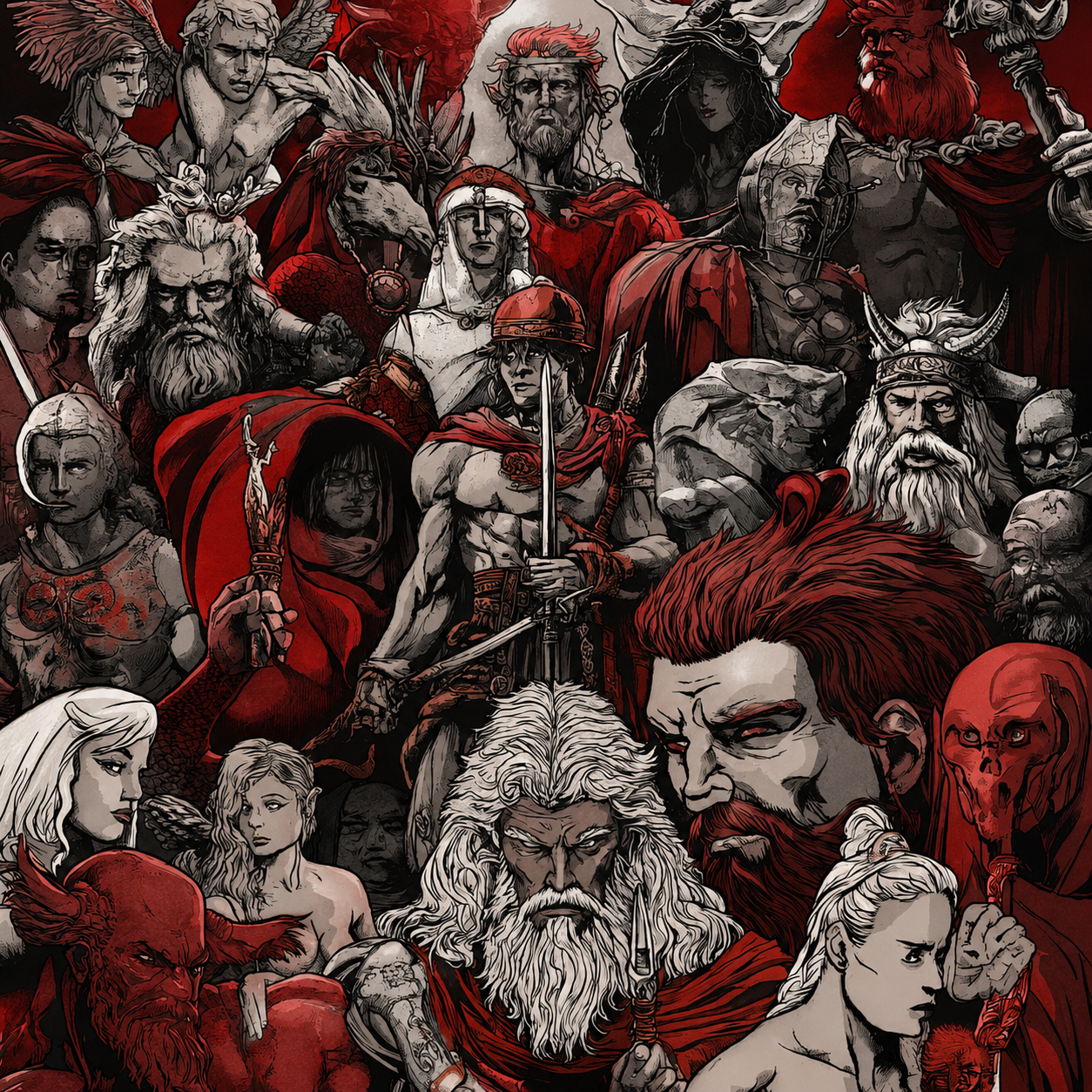
Comic Books and The Stories That Outlive Us
The amount of times I have heard people say comic books are our modern mythology is so often that if I got a nickel for it, I’d be guaranteed to use up the full package of nickel rolls.
And then some.
To be honest, I used to say that too.
In fact, more than a decade ago, I wrote an essay arguing exactly that. I called it my superhero origin story, because in many ways, it was. I posited that superheroes were our societies interpretation of myths and had become the heroes of our western culture. That instead of gathering around campfires to hear stories of Hercules or King Arthur, we gathered around movie screens to watch Spider-Man and Batman.
I still thank that’s true.
I just don’t think it’s the most interesting observation about superheroes anymore.
And when I wrote that observation, it was actually a footnote in a bigger topic about identity and authority. If you want to read it (and I hope you do) the essay is featured throughout the main site and you absolutely can find it if you search My Uncle Ben or Dat Mask.
The point I am working up towards is that superheroes (and mythology) was never valuable simply because it contained heroes. It carried ideas forward through capes, costumes and impossible feats rather than Olympus. We gave these heroes that power and therefore they grew into stronger symbols.
Every civilization seems to invent characters that embody the questions it refuses to stop asking.
Comic books even explore this notion themselves. Look at Bill Willingham’s Fables or Thor: Love and Thunder. Which wow, I never thought i would use Love and Thunder movie as a reference.
Why Comic Books Are More Than Modern Mythology
Anyways, I still think that’s true. I just don’t think it’s the most interesting part anymore.
The better question isn’t whether Spider-Man is mythology. The better question is:
Why has every civilization created mythology in the first place?
Mythology was never really about god worship. It was about people and stoytelling. That’s what fascinates me.
Why do cultures keep inventing heroes?
Why didn’t mythology end with Greece?
Why didn’t fairy tales disappear after the Brothers Grimm?
Why are we still creating superheroes, space operas, fantasy worlds, monster stories, ghost stories and urban legends?
Why does every generation seem compelled to tell old truths through new characters?
I think it’s because every generation inherits the same human questions.
They just need those questions translated into a language they already speak.
Looking Through a Different Lens
Maybe this is where I accidentally stopped one question too early all those years ago.
I thought I was writing about superheroes.
I thought I was writing about mythology.
I realized I was writing about stories.
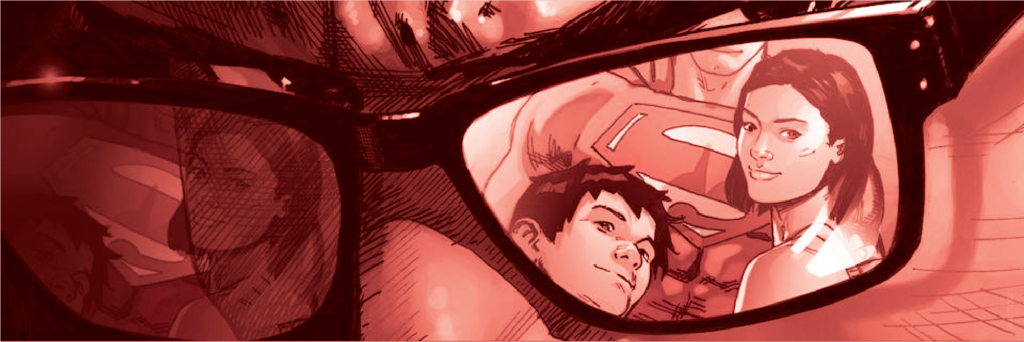
But as it it turns out, I was writing about culture.
The more I revisit that old essay, the more I realize the superhero was never the interesting part. Spider-Man isn’t the idea. He’s one way of expressing it.
Just as Hercules wasn’t the idea. Neither was King Arthur. Neither was Robin Hood.
They were all trying to carry something forward.
Not themselves.
The principles they embodied.
Characters change. The ideas they’re carrying don’t have to.
Maybe that’s the real purpose of culture. To preserve enduring principles by continually giving them new expressions. Which makes me wonder if I’ve been defining culture backwards.
Every Generation Tells the Same Story
Maybe culture isn’t just what a society creates. Maybe culture is how a society integrates.
Its music.
Its movies.
Its books.
Its traditions.
Its language.
Its fashion.
Its rituals.
Those are expressions of culture. But I don’t think they’re culture itself.
Maybe culture is something deeper. It integrates values. Lessons. Symbols. Ideals.
Every generation receives them. And then each expresses them differently. That’s why Spider-Man can exist alongside King Arthur. They’re not competing stories. They’re participating in the same conversation.
And if that’s true…
Then comic book stories aren’t replacing mythology. They’re continuing it.
Long before we had novels, films, comic books, or streaming services, we had stories. Stories told around fires. Stories remembered through songs. Stories carried by elders, priests, poets, and parents.
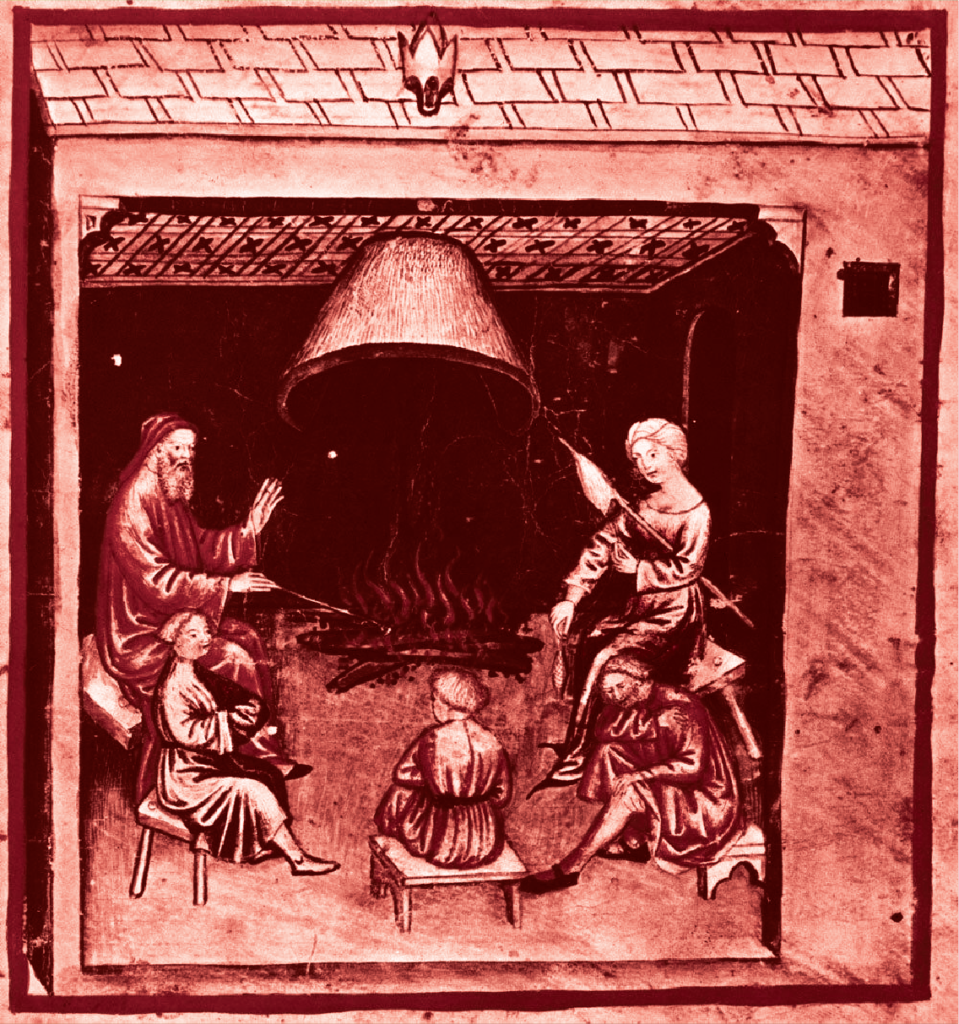
Human beings needed entertainment. Absolutely. But the stories were doing something else at the same time. Something vitally important.
How do you teach courage?
How do you explain grief?
How do you prepare a child for betrayal?
How do you describe justice?
You tell stories.
Principles are easier to remember when they wear a face. When they tell a story.
Odysseus.
King Arthur.
Hamlet.
Little Red Riding Hood.
Every age creates characters that embody questions every generation must eventually answer.
The expressions evolve. The questions endure.
Why Superheroes Endure
This is why I’ve slowly stopped thinking of comic books as “just entertainment.”
Spider-Man isn’t simply a teenager in a red suit with spider-sense.
Batman isn’t merely a billionaire detective with bat-themed gadgets.
Professor X isn’t the worlds greatest telepath.
Magneto isn’t the master of magnetism.
Those are expressions. The reason those characters survive decade after decade is because they carry something deeper.
Spider-Man asks what responsibility looks like when you have the power to help.
Batman wrestles with justice, vengeance, and fear.
Professor X asks whether hope can overcome hatred.
Magneto asks what happens when trauma becomes ideology.
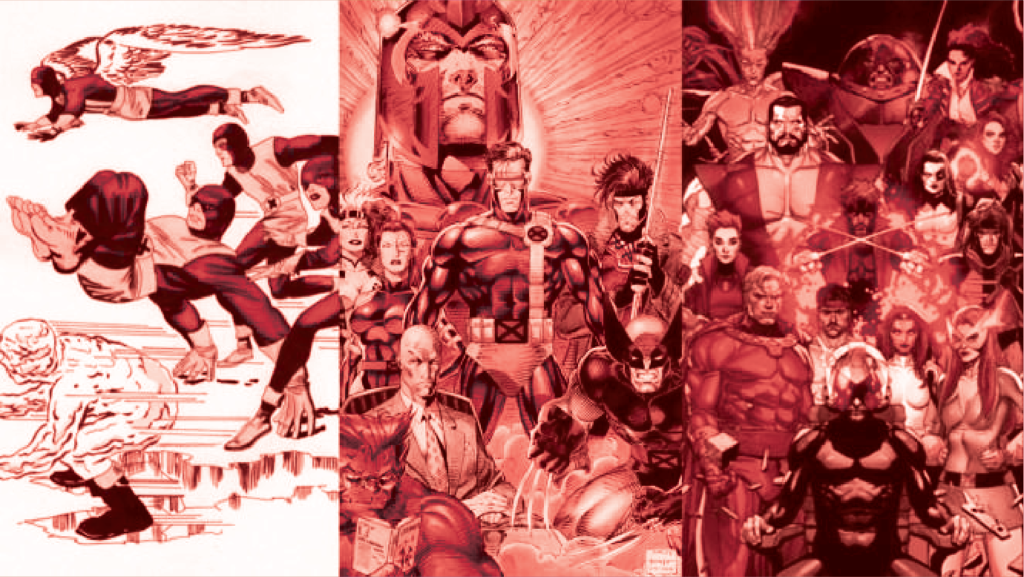
The costume changes.
The artists change.
The writers change.
The audiences change.
Elizabeth Bennet asks what self-respect looks like.
Atticus Finch asks what justice demands.
The expressions evolve. The principles remain recognizable. That’s why they endure.
The Adaptation Test
One of the most interesting things about adaptations is how quickly audiences know when something feels wrong. And this one of the few times I’ll do the “classic” AI negative-to-positive hook to make my point.
Not because the costume changed.
Not because the dialogue changed.
Not because the timeline changed.
Because the principle changed.
Take Spider-Man.
Every generation gets a different Peter Parker. Sometimes they get even get a different Spider-Man altogether.
Different actor.
Different relationships.
Different technology.
Different New York.
Different universe.
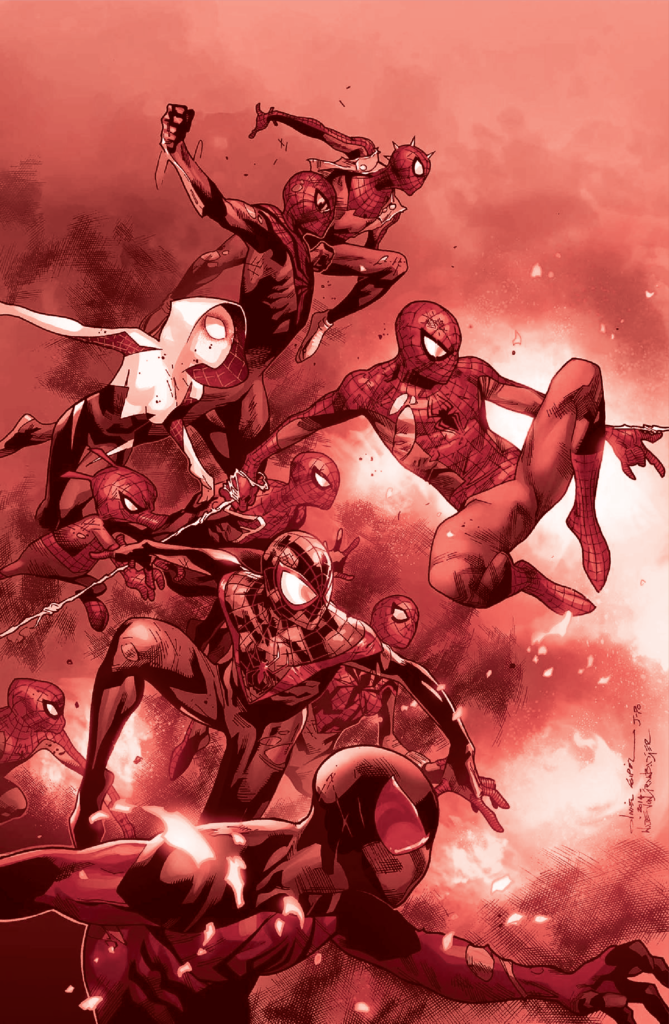
Sometimes it’s Peter Parker.
Sometimes it’s Miles Morales.
Sometimes it’s Gwen Stacy.
Sometimes dozens of Spider-people sharing the screen at once.
And somehow…
It still feels like Spider-Man. Why?
Because audiences are protecting the princple.
This is why Marvel was able to do a whole Spider-verse storyline and then turn it into a series of movies years later.
Learn to Crawl
Peter Parker isn’t Marvel’s flagship character because he wears red and blue. He isn’t beloved because he shoots webs. Beneath all of those expressions, he represents something recognizable.
Responsibility.
The ordinary person trying to do the extraordinary thing because they know it’s the right thing to do.
The kid who keeps getting knocked down and still gets back up.
The person who chooses to help even when it costs them personally.
That’s the character.
Everything else is negotiable.
That’s why Spider-Man survives every generation. It’s also why Sony fights so hard to keep the film rights. Studios come and go. Franchises rise and fall. Yet Spider-Man remains one of the safest investments in modern entertainment. They’re buying a principle we’ve recognized for generations.
Marvel understood this long before the films. The comics reinvent Spider-Man constantly.
The Ultimate Universe.
Spider-Verse.
Miles Morales.
New writers.
New artists.
New worlds.
New audiences.
Every version asks the same question in a different language. What does responsibility look like now?
Spider-sense and Sensibility
One of my favourite examples the adaptation test as it applies to Spider-Man comes from a comic arc over 20 years old already – Marvel’s Civil War. Not the movie, the comics that inspired the movie.
People remember heroes choosing sides.
Iron Man.
Captain America.
Friends becoming enemies.
I remember Spider-Man. I remember him picking a side. And then he changed his mind. He made the best decision he could with the information he had. Then reality challenged that decision. So he accepted the cost of changing. That’s incredibly human.
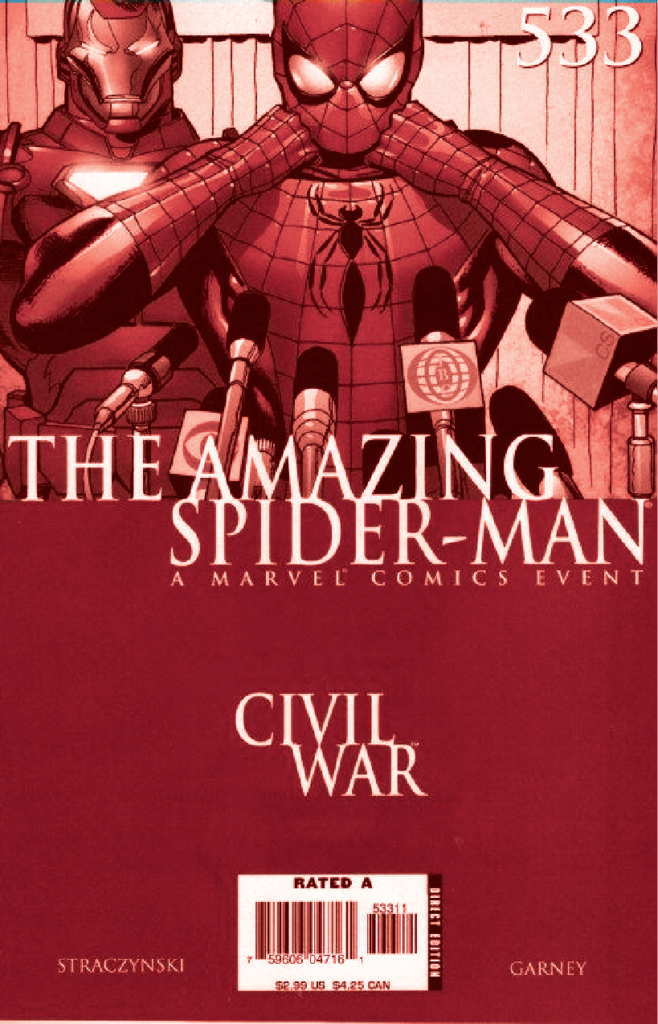
Spider-Man isn’t defined by certainty.
He’s defined by continually asking what responsibility requires of him.
That’s why audiences recognize him immediately, even when almost everything else changes. Because when Peter (or any iteration of Spider-Man) instinctively throws himself into danger to save someone else, audiences don’t think,
“That’s just like the comics.”
They think,
“That’s Spider-Man.”
They’re recognizing a principle.
Not an expression.
Ironically, this is why great adaptations are so difficult. They’re not trying to preserve the details. They’re trying to preserve the identity.
Culture Is How a Society Integrates
The more I think about it, the less I believe culture is simply what a society creates.
I think culture is how a society integrates. Every generation inherits questions it didn’t invent. Questions about love. Justice. Belonging. Identity. Death. Meaning.
And yes. Questions about responsibility. Thwip thwip.
No generation starts from scratch. Instead, each one inherits those questions through the stories it tells. Then it adapts those stories into forms the next generation can understand.

That’s why mythology became fairy tales. Fairy tales became novels. Novels became films. Films became video games.
The medium evolves.
The questions endure.
Culture isn’t simply preserving expression when you look more closely. It’s integrating human experience into forms that remain recognizable.
Why This Matters
When we dismiss stories as “just entertainment,” I think we underestimate what they’re doing. Eleven years ago I thought comic books were our modern mythology.
Today I’d say something slightly different. Comic books aren’t important because they’re a type of mythology. They’re important because they’re one of humanity’s most successful technologies for carrying enduring principles across generations.
Every civilization invents new expressions. And the principles survive. Perhaps that’s what culture has been doing all along. Preserving the questions that make us human.
theories Summarized
Every essay in Culture Works attempts to identify recurring patterns across culture, history, and lived experience. This essay led me to three related theories which I will flesh out in a related School of Thoughts essay and close the trilogy that started with a personal story and My Unified Theory of Adaptation.
Modern Mythology AKA The Principle Theory
Every generation creates new symbolic characters to embody enduring human questions. Superheroes didn’t replace mythology. They continue it.
Expressions evolve. Principles endure. Great stories—and great adaptations—preserve identity rather than simply preserving details.
The Adaptation Test
When something feels “off” about an adaptation, ask yourself:
Did the expression change?
Or…
Did the principle change?
The first is evolution. The second is the loss of identity.
Culture Integration Theory
Culture is not merely what a society creates.
Culture is how a society integrates enduring human questions into forms each generation can understand.
These theories are still evolving. This essay captures where my thinking stands today.