
Heat vs Hearth | Why Strong Communities Are Built, Not Found
Over the past few weeks, I’ve been thinking about one surprisingly simple question.
What are we really searching for?
In This Old House, I explored why so many of us spend our lives searching for a place that feels like home.
In The Quest for Fire, I looked outward, asking why humanity has spent thousands of years telling stories about people who leave home, search for fire, and return transformed.
Those essays left me with one final question.
If we understand why we search… What are we supposed to build? Because eventually every search has to end. Every journey has to return home. Every fire needs a hearth.
Maybe the real challenge isn’t finding somewhere we belong.
Maybe it’s learning how to create places where we can invite other people in.
After all, a healthy hearth has:
- Warmth (psychological safety)
- Fuel (shared purpose)
- Structure (rituals and consistency)
- Stewards (people who tend it)
- Embers (ideas carried into new places)
If one is missing, the fire struggles to survive.
The End of the Search
Most of us spend our lives searching. Searching for the right city.
The right career.
The right partner.
The right church.
The right company.
The right community.
The right version of ourselves.
We tell ourselves that fulfillment exists somewhere else, waiting to be discovered if only we make the right choices. We imagine life as a series of destinations. Once we arrive, we’ll finally feel settled.
Sometimes that happens.
More often, we arrive only to discover that the feeling we were chasing wasn’t attached to the place at all. It was attached to the thing the place gave us. Safety. Belonging. Meaning.
After writing This Old House and The Quest for Fire, I started asking myself a different question.
What if we’ve misunderstood the search?
What if the goal was never to find the perfect fire?
What if the goal was to learn how to build one?
Borrowed Warmth
Every one of us begins life around someone else’s hearth. Our families.
None of us invent ourselves from scratch. We inherit language before we learn to speak. Values before we learn to question. Stories before we learn to write our own.
That’s how civilizations survive.
Our schools.
Our neighbourhoods.
Our traditions.
Our cultures.
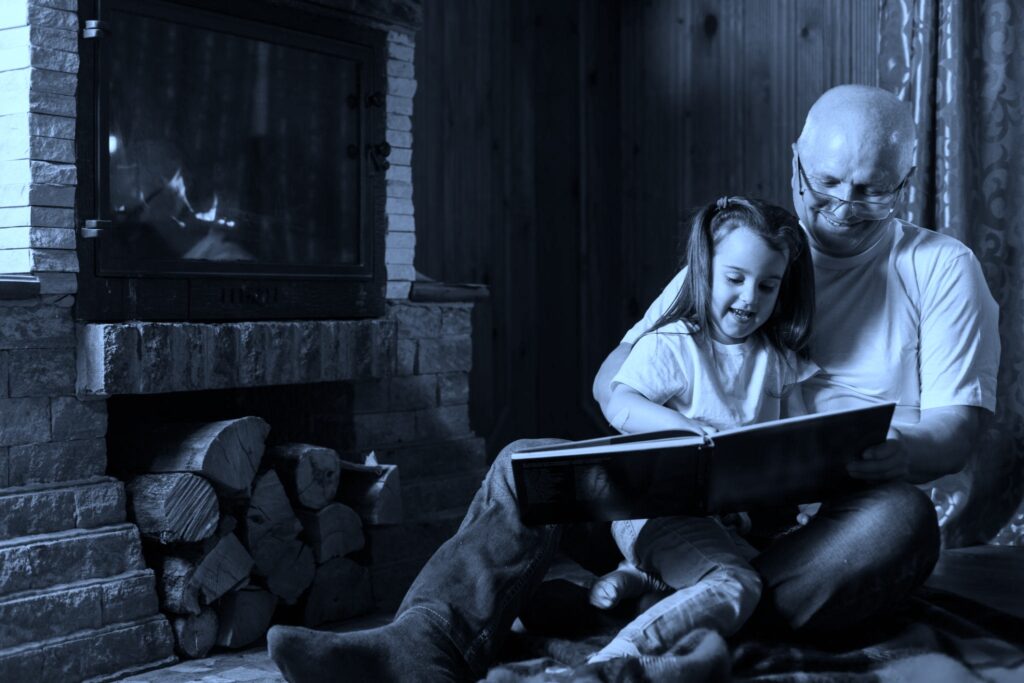
Every one of them offers us warmth before we understand how to create it ourselves.
But eventually something changes. The places that once gave us warmth stop fitting. Sometimes we outgrow them. Sometimes they disappear. Suddenly or with the passage of time.
And sometimes they were never healthy to begin with.
For a while, many of us mistake that discomfort for failure.
“If I could just find the right group…”
“If I could just meet the right people…”
We assume something must be wrong with us. That we simply haven’t found our people. That somewhere else, another community exists where belonging will finally feel effortless. Sometimes that’s true. But sometimes discomfort isn’t a sign you’ve failed.
It’s a sign you’ve grown.
The communities that raised us weren’t meant to contain us forever.
Just as parents eventually hope their children build homes of their own, healthy communities eventually expect people to carry what they’ve learned into new places. There’s nothing wrong with borrowed warmth. It’s how every one of us begins.
The problem comes when we spend our lives looking for someone else’s hearth instead of learning how to build our own.
Fuel. The Purpose Between Fire and Hearth
Fire is energy. A hearth is structure.
Fire burns. A hearth contains.
Fire attracts people. A hearth gives them a reason to stay.
That’s the distinction I think we’ve lost. Modern culture celebrates sparks.
New ideas. Businesses. Trends. Going viral. Starting something. We are endlessly fascinated by ignition and we’re less interested in maintenance. But almost everything meaningful in life depends on maintenance.
Marriages.
Friendships.
Families.
Communities.
Learning.
Health.
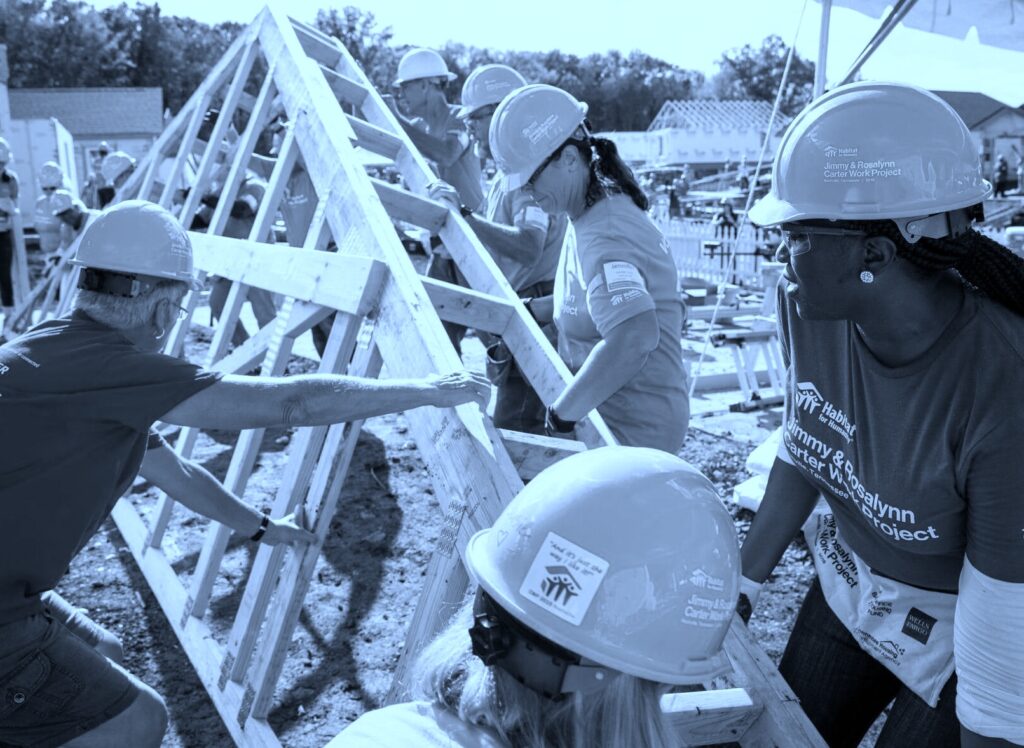
Communities don’t disappear because people stop liking one another. They disappear because the people stop building somethign together. A family raises children, for instance. A business solves problems and generates revenue. A church serves something larger than its building.
Purpose is the wood.
It’s what gives people a reason to return. Tomorrow. Next year. Ten years from now. Without it, a hearth turns into a stone altar. The fire goes out, but the stones remain. So the question isn’t whether you can start a fire. It’s whether you can keep feeding one long enough for other people to build their lives around it.
Do we actually have shared fuel, or are we just sharing space?
Designing Structures Worth Returning To
One of the biggest changes in modern life is that community has become optional. Previous generations inherited rhythms. Many of those places still exist. But they no longer organize our lives automatically.
Warmth invites people in. Purpose gives them a reason to return.
Structure is what allows the fire to outlive emotion.
That means something remarkable has happened.
Without structure, every gathering begins from scratch. Every decision becomes another debate. Every absence becomes another interruption.
Community has become a design problem.
Previous generations inherited rhythms. But if we want meaningful relationships today, we often have to build the conditions ourselves. And rituals aren’t the opposite of freedom. They’re how communities remember who they are.
Someone has to send the invitation.
Someone has to reserve the table.
Someone has to organize the game night.
Someone has to welcome the newcomer.
Someone has to remember everyone’s name.
Someone has to keep showing up after the excitement wears off.
A hearth isn’t built by one unforgettable evening.
At first glance these traditions can seem unnecessary. Or worse, administrative and boring. Calendars aren’t exciting and evites are glamorous. But thankfully, the future won’t be built by people searching for perfectly manicured communities.
It will be built by people willing to create imperfect ones.
The Architecture of Belonging
I’ve started to notice that healthy communities share a surprising number of characteristics. No one belongs simply because they arrived. They belong because they participate.
That applies almost everywhere.
Healthy communities aren’t collections of consumers. They’re collections of contributors. The strongest ones quietly ask the same question:
If someone wanted to join our community tomorrow… would they know when to show up, what to expect, and how to contribute?
Becoming a Steward
We often imagine leadership standing in front of a group. Rallying the troops from the front-line.
Giving the speech, casting the vision.
But most communities aren’t sustained by moments of inspiration. They’re sustained by ordinary acts of service. That’s where I think leadership needs to change definition. The steward isn’t necessarily the founder.
It’s the person who notices.
Who welcomes.
Who remembers birthdays.
Who builds small shared rituals.
Who keeps traditions alive.
Who locks the building.
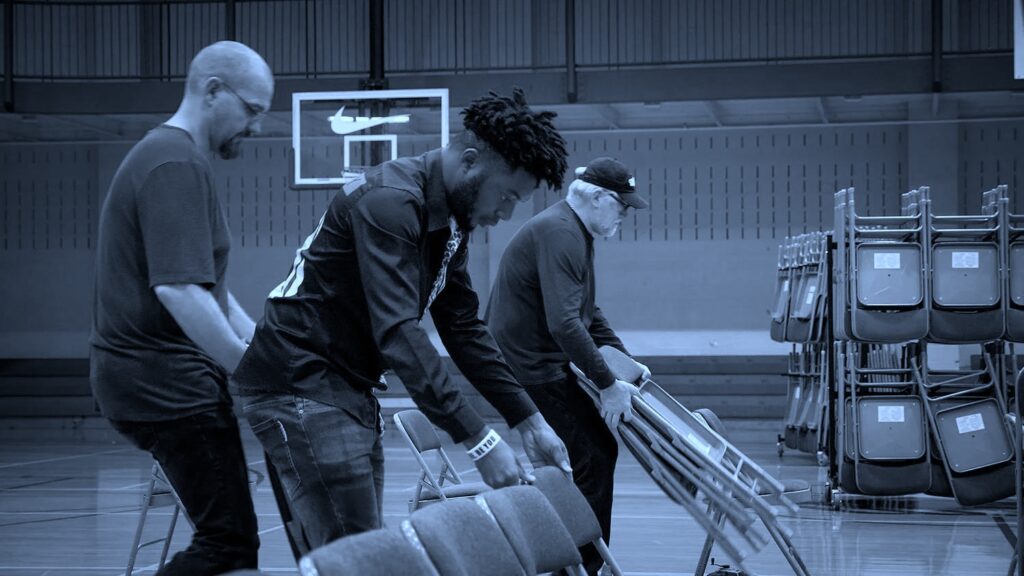
Who sets up the chairs.
Who quietly asks,
“Does everyone feel included?”
Sometimes leadership looks like making coffee before everyone arrives.

Introducing two strangers. Protecting the tone of the room. Making sure quieter voices have space to contribute. Remembering the new hire after only meeting them once.
None of those jobs are glamorous… Every one of them matters.
Because people rarely remember the speech. They remember how the room felt. They remember who made them feel seen.
The people who build lasting communities are rarely the loudest people in them. They’re the dependable stewards. They keep tending the fire long after everyone else has stopped noticing it needs tending. They sit outside in the rain, protecting the embers, shielding the hearth from the elements on our coldest nights.
People who understand that belonging isn’t an accident. It’s something someone quietly creates over and over again.
The question isn’t whether you’re the leader. The question is are you routinely tending the fire?
Embers Worth Passing On
Eventually every fire faces the same question. Who will tend it next?
A healthy hearth isn’t measured by how many people gather around it today. It’s measured by whether those people learn to build hearths of their own. That’s how culture survives.
One extraordinary person cannot keep the fire alive forever. Every civilization eventually discovers this. We have to learn how to carry an ember into the next generation.
Maybe that’s what we’ve been searching for all along.
Not a perfect place.
Not perfect people.
Not permanent certainty.
A place where warmth is transferred. Where stories are exchanged.
That’s why every generation leaves clues for the next.
Where people become more themselves because someone cared enough to keep the fire burning. Perhaps that’s the real purpose of a hearth.
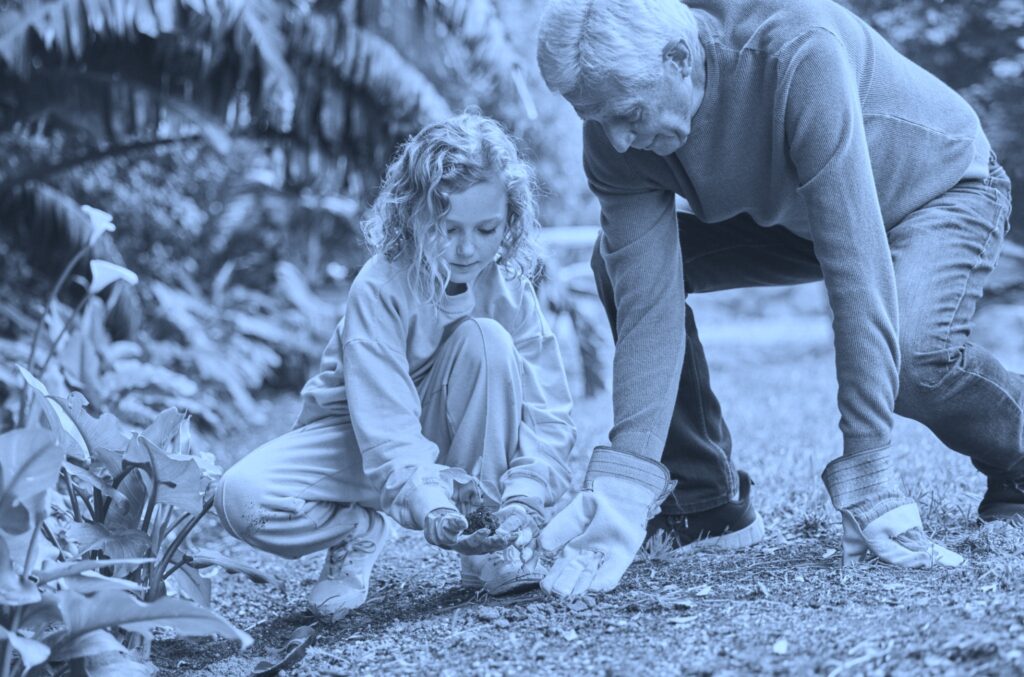
To gather people and help them leave carrying enough warmth to build another one somewhere else. This is what legacy really is.
Healthy hearths don’t trap people. They prepare them to leave.
Teachers.
Parents.
Mentors.
Apprentices.
Perhaps that’s why every healthy civilization eventually builds schools. Memory is incredibly fragile. And worth preserving. Every generation begins where the previous one left an ember.
And then the real question becomes, what are we sending back out into the world?
theories Summarized
Here’s what I think this trilogy has taught me.
A house gives us shelter.
A fire gives us warmth.
A hearth gives those things a place to endure.
The same is true of our lives.
Borrowed Warmth
Sometimes discomfort isn’t failure. Sometimes you’ve simply outgrown the hearth.
Fuel
Communities don’t survive because people like each other. They need shared purpose, not just shared space.
Structures
Rituals aren’t the opposite of freedom. They are how communities preserve who they are.
Stewards
Leadership is ordinary acts of service repeated consistently.
Embers
Healthy communities create more community. And they don’t measure success by how many people stay.
Purpose isn’t simply something we discover. Community isn’t simply something we join. Belonging isn’t simply something we receive.
At some point, each becomes something we help create.
Looking back, the most meaningful people I’ve met all have one thing in common. They’re quietly building places worth returning to.
And no, I don’t think I’ve really been writing about houses. Or campfires. Or movies. I’ve been writing about civilization. About what allows people to become more themselves together than they ever could alone.
And perhaps that’s the question I’ll keep asking myself. “Who becomes warmer because I was here?“