

We Like the Performance. We Ignore the Person.
I watched John Candy: I Like Me recently.
As you may know, I’m a child of the 80s and have loved all sorts of films for most of my life, but I have a particular soft spot for directors like John Hughes, Ron Howard and Chris Columbus and films released between the the 1980s and 1990s.
That’s what led me into this documentary.
But what stayed with me in the end wasn’t just how beloved he was or the time capsule Colin Hanks built.
It was how quickly someone like that becomes… simplified.
Warm.
Funny.
Generous.
Safe.
Easy to love.
Easier to simplify.
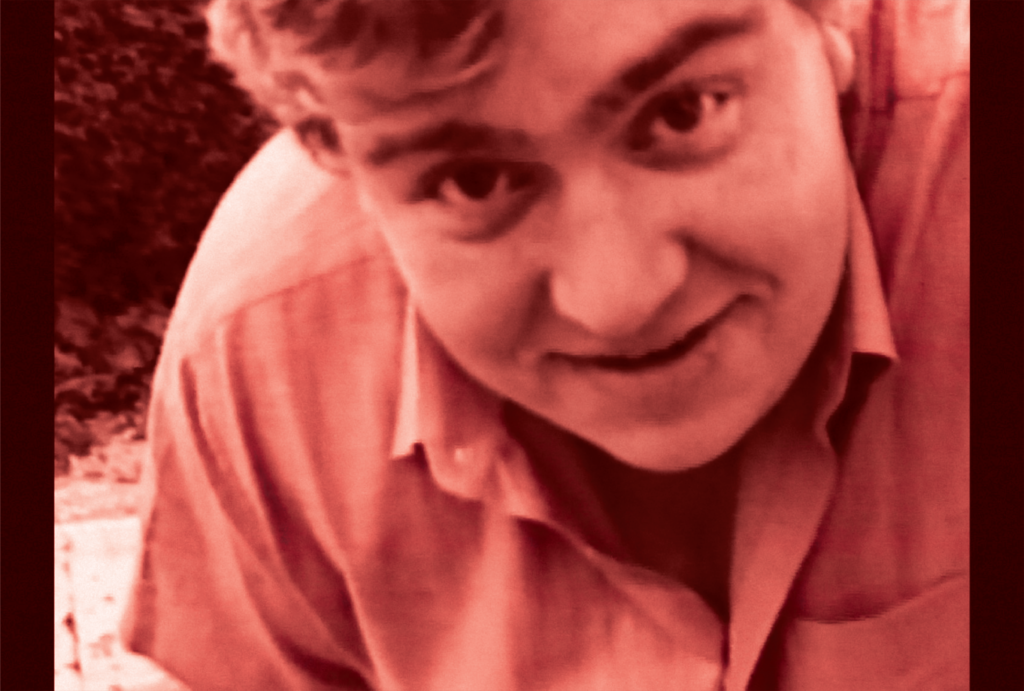
The kind of person people like being around but who performs and they remember, rather than someone who is seen for who they are.
His closest friends told stories that made that version feel real. Earned.
And then you hear something like this from Dan Aykroyd:
There’s a word in our language we don’t hear much anymore, but it applies to Candy. The word is grand. He was a grand man… and the sweetest, most generous person ever known to me.
Or this one from Bill Murray, said in a more delicate way.
I can’t tell you what was right about John Candy or what was wrong. But he was my friend.
And you can feel what’s happening in those words.
Not just grief.
Compression.
Reduction.
A life, flattened into the parts that made other people feel good.
That’s the version that lasts. Not the full person.
Just the part that worked for everyone else. And once its said enough times… there is a danger of it becoming the whole story.
The Persona We Keep
John Candy was that guy.
You could feel it in every role.
There was a softness to him. A generosity. A kind of emotional availability that made you trust him immediately.
He didn’t just perform warmth.
He was warmth.
And culture loves people like that because they make things easier.
They carry energy into rooms.
They absorb tension.
They give more than they take.
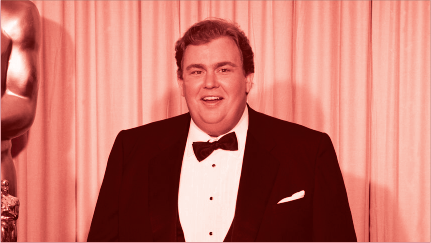
So we remember them that way.
We preserve that version.
We protect it.
We replay it.
He didn’t just play characters you liked. He played characters you felt safe around. And over time, it became the only version we talk about.
Culture doesn’t just remember people, it curates them, often times, into oblivion.
It’s easier to remember someone as consistent
than to hold the full complexity of who they were.
Easier to celebrate what they gave
than to question what it took.
The persona stabilizes, sharpens and becomes cleaner than the person ever was.
The Blind Spot
What we don’t talk about…
is what it takes to stay in that persona.
Because that part of John Candy wasn’t visible.
It’s not funny.
It’s not charming.
It’s not easy to consume.
It’s maintenance.
Rest.
Space.
Support.
Creative output.
Emotional regulation.
Boundaries.
The things that don’t show up on screen.
The things that don’t get applauded.

The things that are hinted at in his interviews …but eventually changed everything.
It takes something to stay warm like that.
To stay open.
To keep showing up for people in that way, over and over again.
But I want to challenge you:
The things underneath.
The things that needed attention.
The parts of that man that didn’t make anyone else’s life easier. Were just as important.
To let a part of himself surface that didn’t serve the world. And sometimes, those neglected parts don’t just stay quiet.
They show up in habits.
In avoidance.
In overextension.
In pushing through instead of pulling back.
In telling yourself you’ll deal with it later.
And in John Candy’s case…
you can see the edges of that.
In the way his health was talked about.
In the pressure to keep working.
In the version of him that kept showing up…
even as other parts of him weren’t being maintained.
Not loudly, of course.
And from the outside, it feels confusing. Because we’re not tracking what’s changing underneath. We’re only tracking what’s visible.
Consistency Isn’t Effortless
We have this quiet assumption about people who show up well.
We think they’re just… like that.
Consistently warm.
Consistently funny.
Consistently present.
As if it’s a baseline won in the genetic lottery.
But consistency isn’t effortlessness.
It’s sustained maintenance.
And when that maintenance slips even a little
the version of them we’re used to starts to drift.
Not dramatically, and especially not at first glance.
Just enough to feel… off.
When Fiction Tells the Truth
There’s a reason a show like BoJack Horseman hits as hard as it does. Because it doesn’t preserve the persona.
It dismantles it, consistently.
BoJack is funny.
Charismatic.
Entertaining.
The kind of person people orbit. And underneath that—
he’s unstable.
Avoidant.
Unmaintained.
The show doesn’t hide that. It routinely shows you the gap.
You see it in the big moments.
Like when he finally tears down the house – as a reaction.
You see it in his relationship with Diane.
Two people who can see each other clearly – but can’t sustain what that requires.
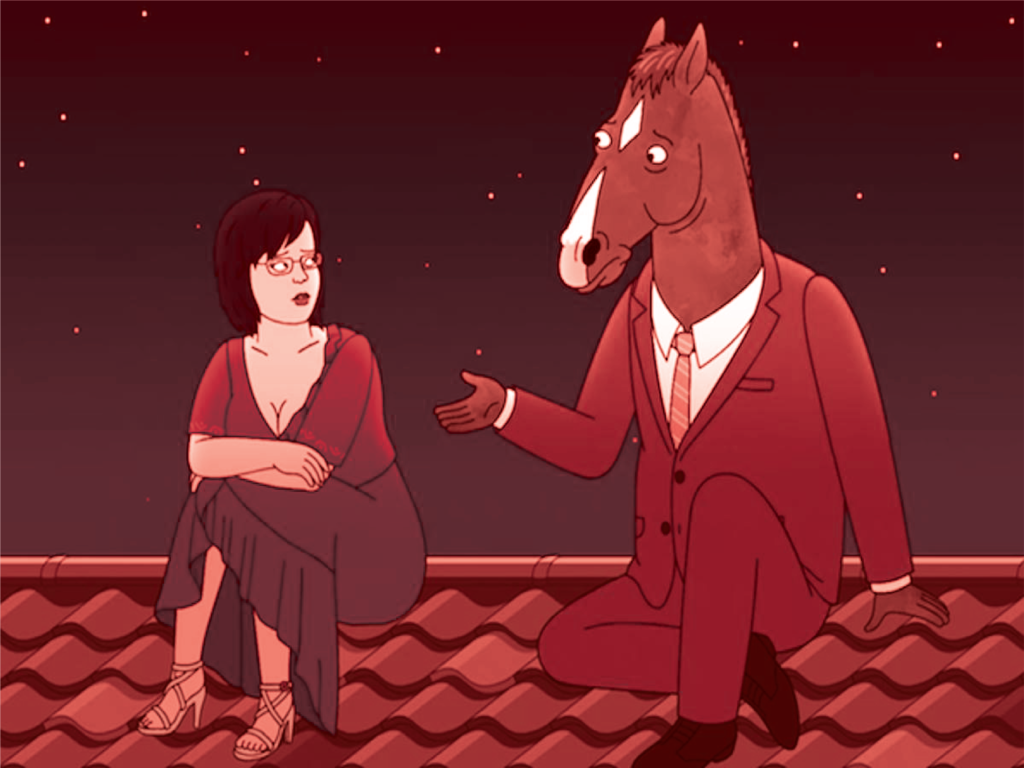
And you see it in the smaller moments.
Like when he tries to jog – and he can’t.
Ironic to see a horse who can’t run. But poetic too, because the version of him that would actually do it consistently… doesn’t exist yet.
That’s the part the show keeps coming back to.
Not the performance.
Not the awareness.
Not even the desire to change.
The maintenance.
The daily, unglamorous, invisible work
required to become someone different…
And BoJack keeps trying to skip that part, so the same pattern repeats. Just enough to feel… off.
Once You See It, You See It Everywhere
And once you start looking for what happens to people whose persona became the only important layer, it’s not subtle.
Robin Williams.
Anthony Bourdain.
Amy Winehouse.
Kate Spade.
Different lives. Different pressures. Different personalities.
Same pattern.
We loved what they gave us.
We didn’t understand what it cost to keep them there.
What Culture Rewards – And Why We Don’t Ask About It
Culture rewards what’s visible.
Output.
Charm.
Consistency.
It celebrates the version of a person that shows up.
But it doesn’t really respect or even acknowledge what keeps them that way. And then we act surprised when something breaks. When someone burns out.
Disappears.
Changes.
Collapses.
As if it came out of nowhere.
The version of a person the world loves is often the version that requires the most upkeep. And the more someone is rewarded for being that version, the harder it becomes to step away from it. To rest and recalibrate.
Because now it’s not just who they are.
It’s what people expect.
And we’re very good at asking: What does this person do? What do they give?
Instead of asking what it takes for them to stay that way. Those answers are quieter. And they might be something that needs an internal compass or code to maintain.
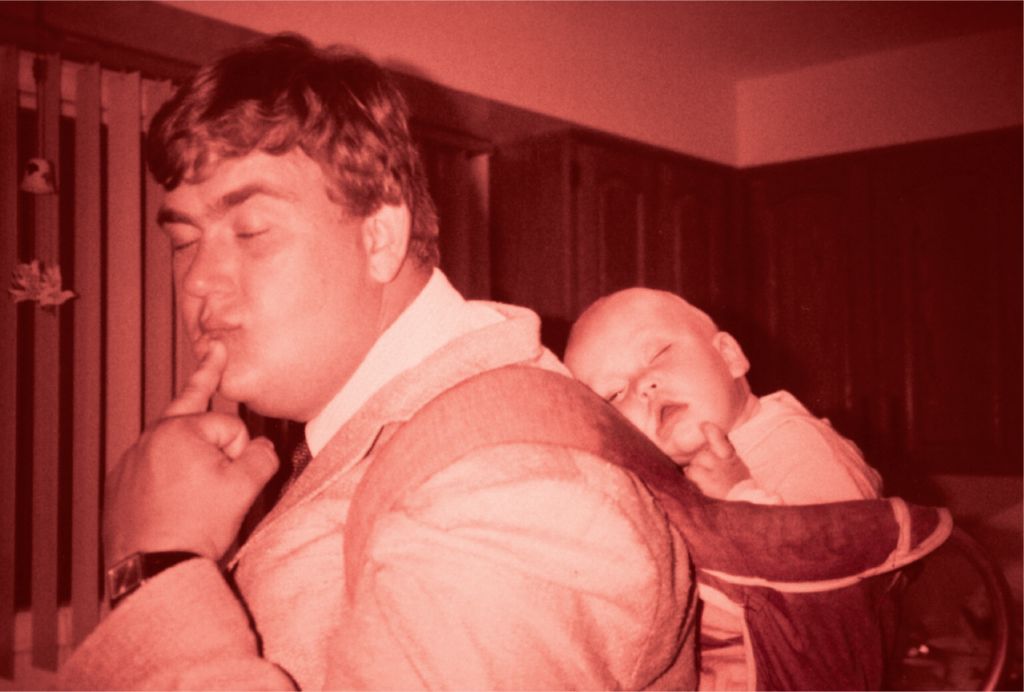
And that is less convenient.
Less shareable.
Unfortunately, none of this removes responsibility from the individual. At some point, that maintenance has to be chosen.
Boundaries.
Rest.
Pulling back when something starts to slip.
The world doesn’t make space for it, it rewards the version of you that shows up.
And that’s part of the tension. We celebrate the persona.
But we leave the person to figure out how to sustain it.
theories Summarized
Most people aren’t inconsistent.
They’re under-maintained.
Through a cultural lens, we learn to value what’s visible.
We celebrate the performance of artists like John Candy and Robin Williams.
We ignore the upkeep.
We preserve the version of people that serves us…
and overlook the conditions that sustain them.
And when those conditions are neglected, nothing breaks all at once.
It just slowly stops holding.